
Hanbat Arboretum (한밭수목원)
9.8Km 2022-12-26
169, Dunsan-daero, Seo-gu, Daejeon
+82-42-270-8474
Hanbat Arboretum, linked with the Government Complex-Daejeon and Science Park, is the largest man-made urban arboretum in Korea. It serves multiple purposes: a reservoir of genetically diverse foliage, an eco-learning center for students, and a recreational area where people can relax and pass the time in the peaceful embrace of nature. The arboretum, standing on a lot measuring 387,000 square meters, is divided into three sections. The West Garden and Nammun Square opened on April 28th, 2005. The East Garden opened on May 9th, 2009, and consists of 19 uniquely themed parks, including the Magnolia Garden, Medicinal Herbs Garden, Rock Garden, and Fruit Garden.
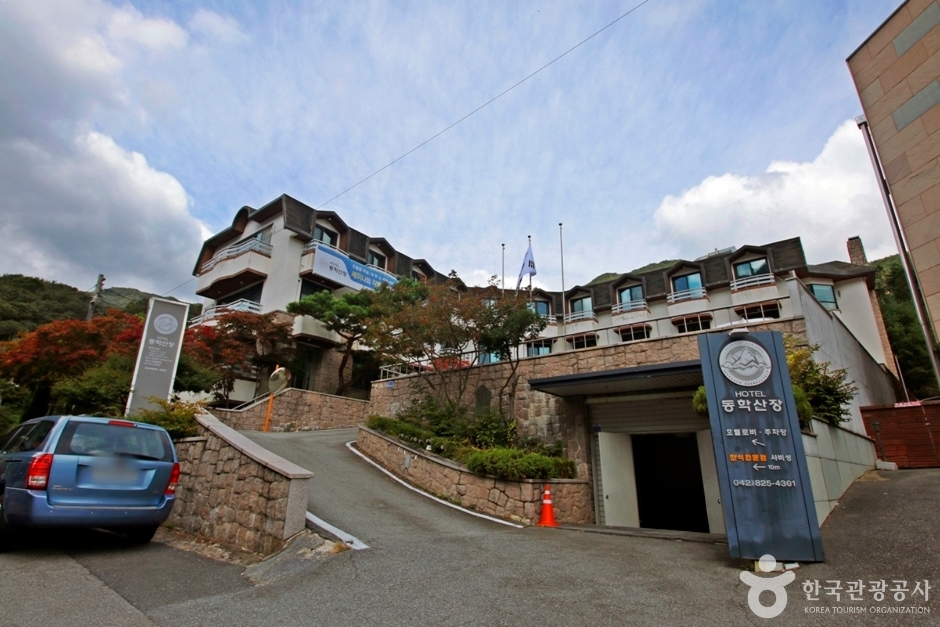
Sabiseong (Donghak Sanjang Hotel Korean restaurant) (사비성 (동학산장호텔 한식당))
9.8Km 2024-02-21
266-4 Donghaksa 1-ro, Banpo-myeon, Gongju-si, Chungcheongnam-do
042-825-4301
Sabiseong is a Korean restaurant operated by Donghak Sanjang Hotel, located on the eastern slope of Gyeryongsan Mountain. It offers a variety of traditional Korean dishes such as sagor ugeojiguk (kimchi cabbage soup), hwangtae kongnamulguk (dried pollack and bean sprout soup), yukgaejang (spicy beef soup), sanchae bibimbap (wild vegetable bibimbap), and grilled dishes like samgyeopsal (pork belly) and ori hunje (smoked duck). Nearby attractions include Gyeryongsan National Park, Donghaksa Temple, and the Korean Natural History Museum.
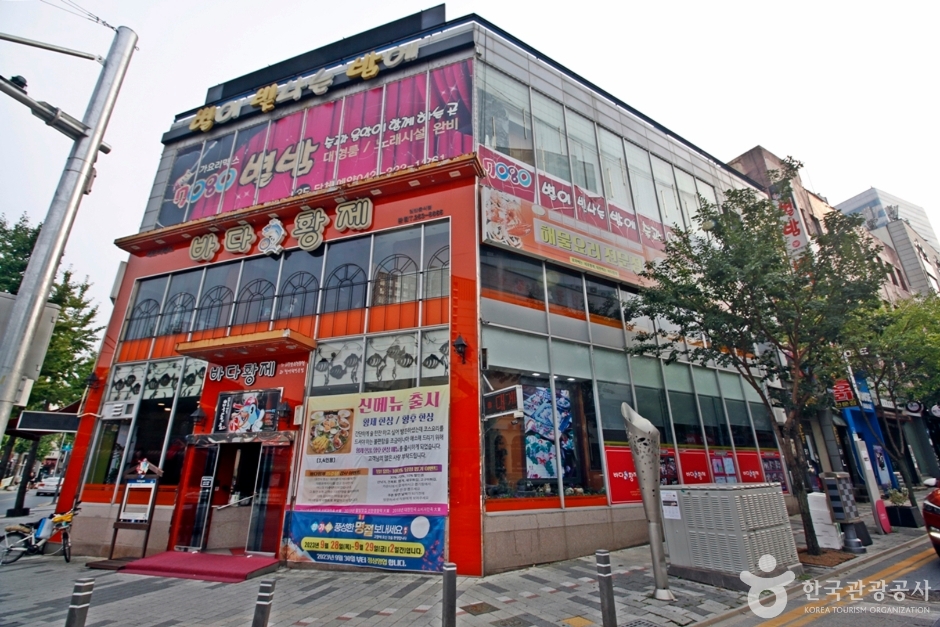
Bada Hwangje (바다황제)
9.9Km 2024-02-23
43 Daeheung-ro 121beon-gil, Jung-gu, Daejeon
0507-1411-5665
Bada Hwangje is renowned for its fresh seafood cuisine. Their signature offering is a course menu that includes freshly sliced raw fish and a spicy seafood stew. Accompanying these are a well-curated selection of standard side dishes, fresh vegetables for wraps, and an impressive array of 15 appetizers. Another highly popular dish at Bada Hwangje is the jeonbok haesintang (chicken and seafood soup with abalone). This soup is meticulously simmered with a variety of seafood, duck, five key ingredients, and a blend of Korean herbs.
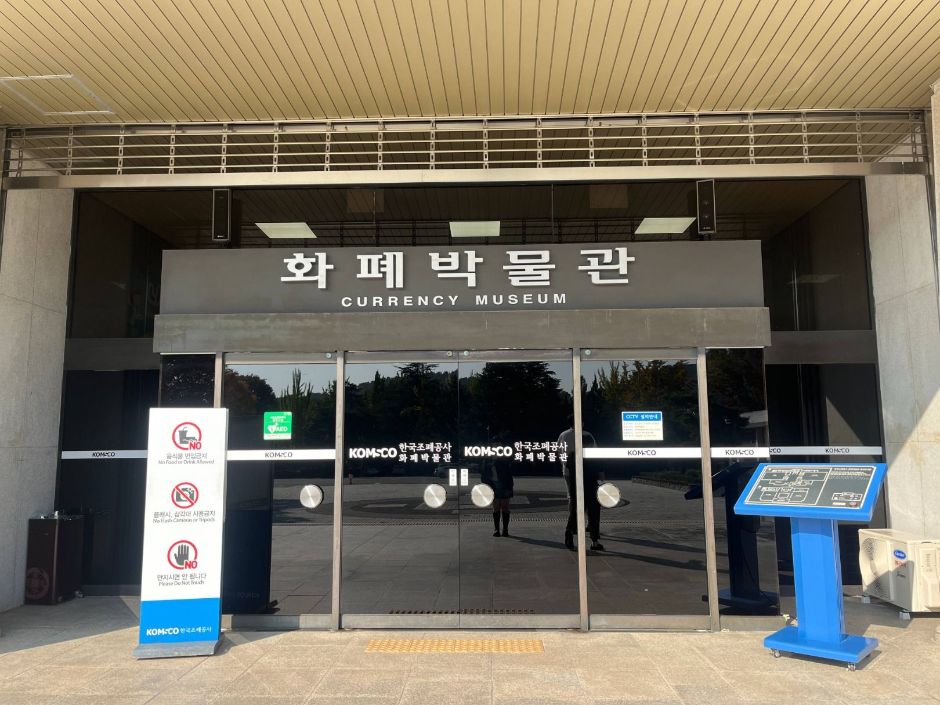
Currency Museum of Korea (화폐박물관)
9.9Km 2025-10-23
80-67 Gwahak-ro, Yuseong-gu, Daejeon
+82-42-870-1200
The Currency Museum of Korea, established in 1988, is operated by the Mint Corporation of Korea as part of its non-profit public services and is open to visitors free of charge with a view of increasing public knowledge of the nation’s currency. The museum features about 120,000 pieces including: coins currently in use both in Korea and overseas; coins from modern times (from the Late Joseon Dynasty until today); 80 types of commemorative coins; 88 types of ‘special money’; postage stamps, and other materials. Additionally, there is an experiential space where visitors can learn about the currency production process and its historical significance, providing significant educational benefits.
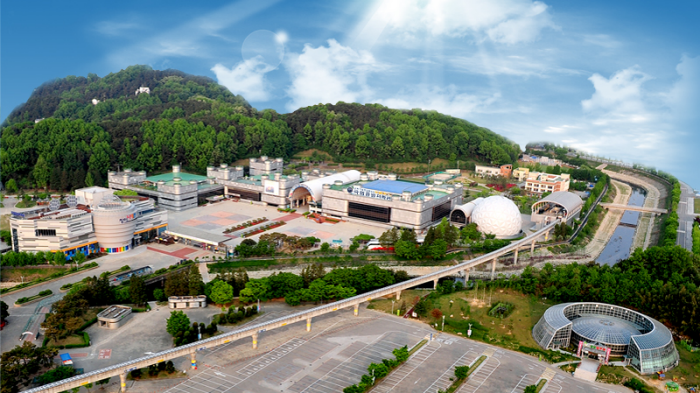
National Science Museum (국립중앙과학관)
9.9Km 2025-10-23
481 Daedeok-daero, Yuseong-gu, Daejeon
+82-42-601-7979
The National Science Museum collects and exhibits various scientific materials. The outdoor exhibition features large models including airplanes, propellers, airboats and more as well as rest areas. The special exhibition hall displays the work of various contest winners as well as rare products. The permanent exhibition hall offers approximately 4,200 works from 322 subjects in four different fields. The observatory hall in a dome-shaped structure has a 70-millimeter-long astro-vision as well as a planetarium. Various programs are offered including HAM radio, education and experience class, model plane class, and computer class, as well as other science education programs and events.
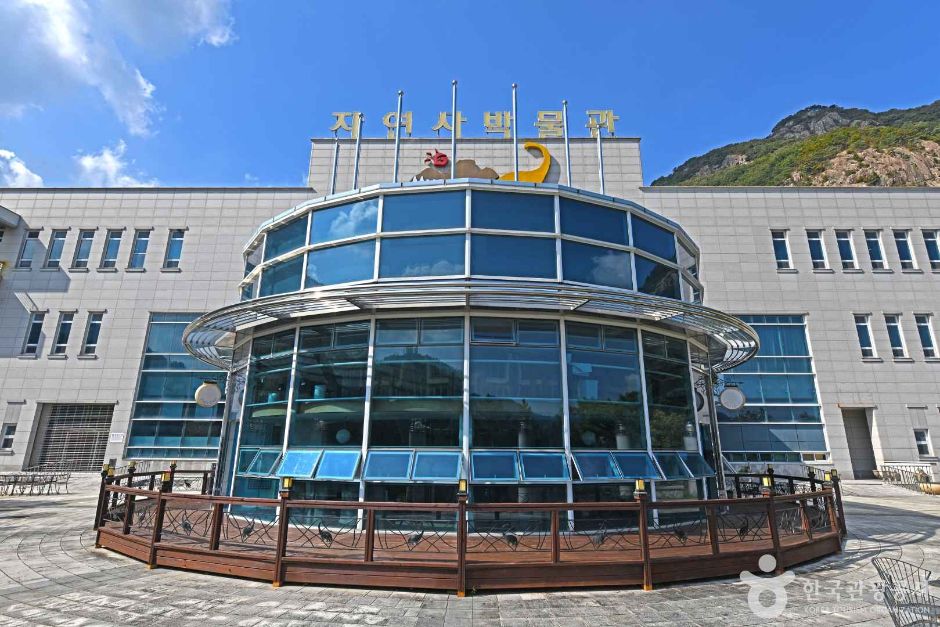
Korean Natural History Museum (한국자연사박물관)
10.0Km 2025-02-04
49-25 Imgeumbong-gil, Banpo-myeon, Gongju-si, Chungcheongnam-do
The Korean Natural History Museum showcases Korea's plants, animals, insects, and rocks. It includes exhibition halls, a café, and a theater. The main attractions are the massive dinosaur fossils and replicas. Visitors can also explore natural rocks, minerals, and gemstones from the Korean Peninsula, as well as various fossils and mummies from different eras. Hands-on activities include creating imaginary dinosaurs and making bracelets with gemstones.
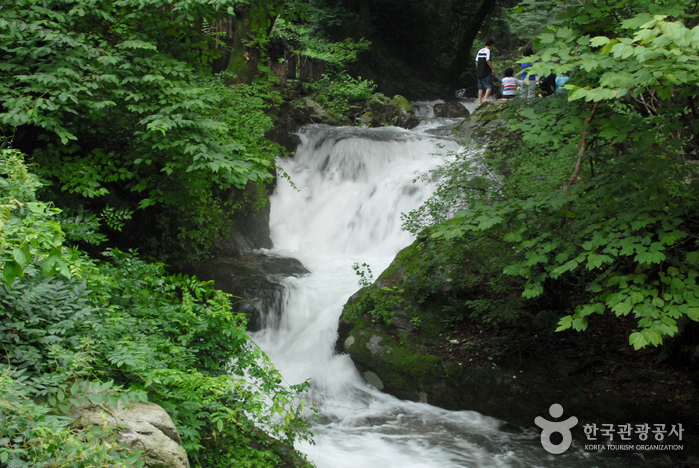
Gyeryongsan National Park (계룡산국립공원)
10.0Km 2021-09-06
327-6, Donghaksa 1-ro, Gongju-si, Chungcheongnam-do
+82-42-825-3002
Gyeryongsan National Park stretches across the cities of Daejeon, Gongju, and Nonsan in Chungcheongnam-do and was made a national park on December 31, 1968. The name of the mountain comes from the fact that the ridgeline looks like a dragon wearing a chicken's crest on its head. The topographical features are what make this mountain stand out and its mysterious folklore is what makes it so interesting. The park features many peaks, including the main peak Cheonhwangbong (alt. 845.1 m), as well as Sambulbong, Yeoncheonbong, and Gwaneumbong Peaks. This mountain is famous for its many interesting sites, with its fantastic rock structures and Yongmunpokpo Falls on the west, Eunseonpokpo Falls to the east, and Amyongchu and Sutyongchupokpo Falls in the south.
In spring, cherry blossoms bloom along the path to Donghaksa Temple, and during summer the lush green of the valley is very beautiful. During fall, the maple trees reveal their crimson colored leaves around Gapsa Temple and Yongmunpokpo Falls. The snowcapped peak of Sambulbong in winter is simply breathtaking. Gyeryongsan is full of rare animals and plants, beautiful waterfalls and a rich history with mysterious legends and cultural treasures. To the east is Donghaksa Temple; northwest, Gapsa Temple; southwest, Sinwonsa Temple; and southeast, Yonghwasa Temple.
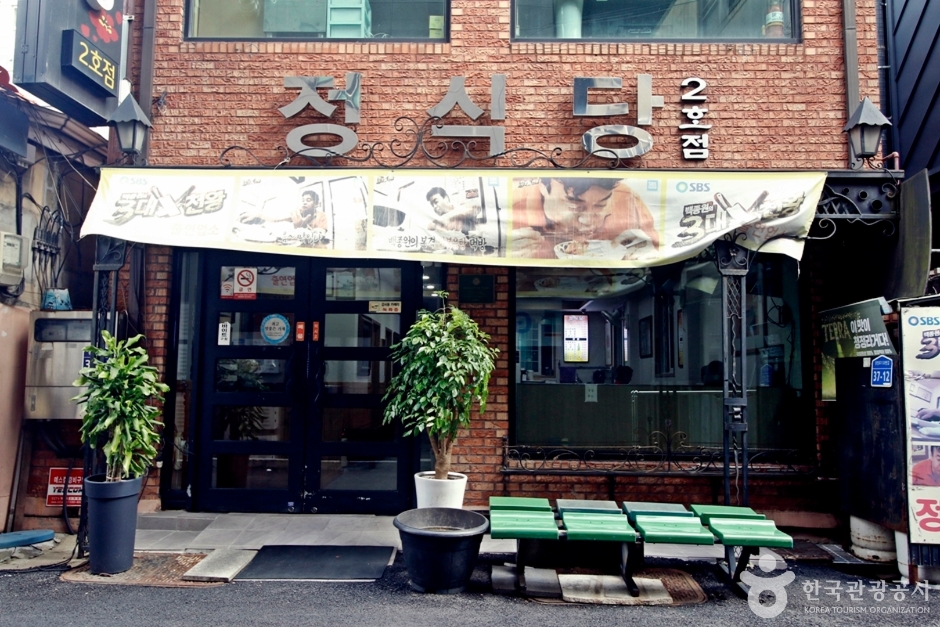
Jeongsikdang (정식당)
10.0Km 2024-03-05
37-13 Jungang-ro 130beon-gil, Jung-gu, Daejeon
042-257-5055
Jeongsikdang is a traditional Korean restaurant that has been operating in the same location since the 1980s, maintaining a legacy of taste. Renowned for its spicy dakbokkeumtang (spicy braised chicken), it has expanded to a second branch. The fried rice cooked with the remaining seasoning from the dakbokkeumtang is also delicious. In addition to its signature dish, the menu includes traditional Korean dishes such as tojong hanbang baeksuk (whole chicken soup with medicinal herbs), ori baeksuk (whole duck soup), and mikkuraji twigim (Deep-fried loach).
![ER NC Department Store - Jungangno Station Branch [Tax Refund Shop] (ER NC백화점 중앙로역)](http://tong.visitkorea.or.kr/cms/resource/01/2883601_image2_1.jpg)
ER NC Department Store - Jungangno Station Branch [Tax Refund Shop] (ER NC백화점 중앙로역)
10.1Km 2024-04-22
141, Jungang-ro, Jung-gu, Daejeon
-
Miso Bonga Smile Kalguksu (미소본가스마일칼국수)
10.1Km 2024-02-23
82 Bomun-ro 230beon-gil, Jung-gu, Daejeon
042-221-1845
Miso Bonga Smile Kalguksu is renowned for its kalguksu (noodle soup), featuring handmade noodles. The dish presents a noodle soup rich with ingredients such as anchovy broth, crown daisy, ground perilla seeds, and zucchini. Popular summer dishes include son kongguksu (noodles in cold soybean soup), suyuk (boiled pork slices), and the crispy kimchijeon (kimchi pancake), which are also favorites among patrons. This place is so popular that you may find yourself waiting in line.
 English
 한국어
한국어 日本語
日本語 中文(简体)
 Deutsch
 Français
 Español
 Русский


