
Bachi Ring (UMC Jewelry) [Tax Refund Shop] (바치링(UMC쥬얼리))
19.2Km 2024-04-19
#414, 49, Insadong-gil, Jongno-gu, Seoul
-
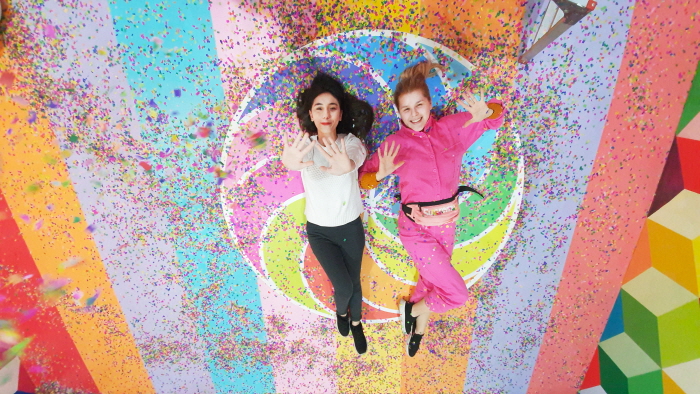
Color pool Museum (컬러풀뮤지엄(COLORPOOL MUSEUM))
19.2Km 2025-10-27
6F, 49 Insadong-gil, Jongno-gu, Seoul
It is an experiential museum where you can feel the variety of colors with all your senses. If you want to have a picture with a pretty background like a fairy tale, there is no better place than this museum. The pool filled with adorable pink balls is the most popular section that brings happy smiles to everyone, adults and children alike. You can also find various souvenirs related to bathing, such as exfoliating towels and natural soap.
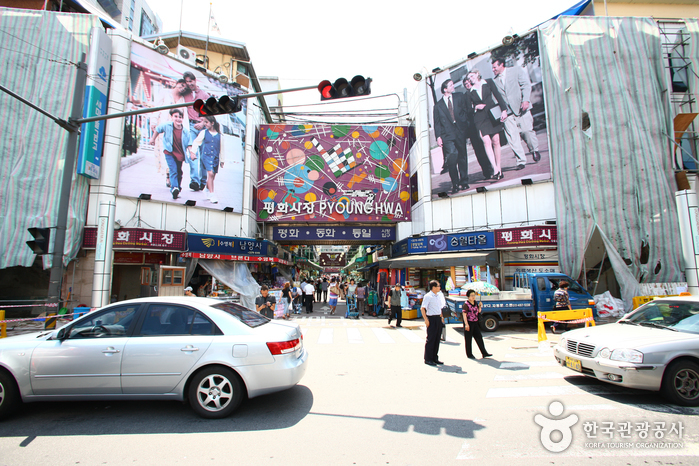
Pyounghwa (Pyeonghwa) Fashion Town (서울 평화시장)
19.2Km 2025-01-06
274, Cheonggyecheon-ro, Jung-gu, Seoul
+82-2-2265-3531~3
The Pyounghwa Fashion Town market in Dongdaemun has been selling fashion clothing and accessories for over 50 years ever since the end of the Korean War. It was here that in 1953 North Korean refugees started selling clothes made from US army uniforms. Their market was then named Pyounghwa, which means peace, in the hope that no other wars would be fought on Korean soil. The Pyounghwa Fashion Town was therefore the beginning of the 30,000 stores that now make up Dongdaemun Fashion Town, which is seen as one of the global centers of the fashion industry.
Spread over a large area, this historical fashion market is divided into several districts, the ‘Gu Pyounghwa Fashion Town’ is the oldest, and there is also the ‘Shin Pyounghwa Fashion Town’, ‘Dong Pyounghwa Fashion Town’, and ‘Cheong Pyounghwa Fashion Town’.
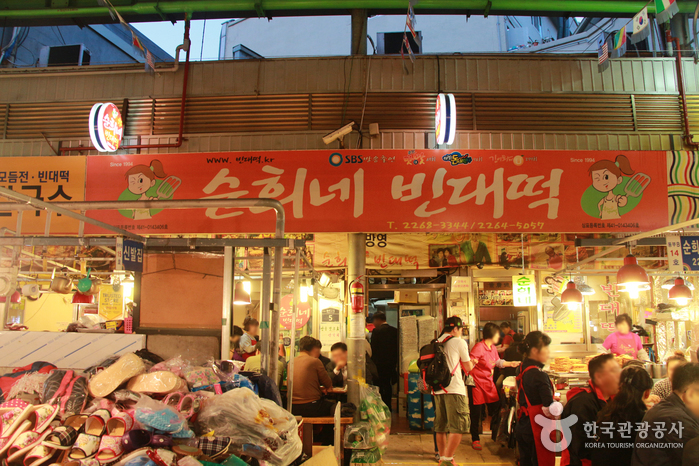
Soonheenae Bindaetteok (순희네빈대떡)
19.2Km 2024-03-20
5 Jong-ro 32-gil, Jongno-gu, Seoul
+82-2-2264-5057
Soonheenae Bindaetteok is a stall located in Gwangjang Market known for its mung bean pancakes and meatballs. Bindaetteok (mung bean pancake) is a dish made by grinding mung beans and mixing them with kimchi, bracken, and ground pork, then flattening and frying the mixture. Here, they grind mung beans on a millstone and fry the bindaetteok on the spot, resulting in a crispy and savory taste. The secret soy sauce dip complements the bindaetteok perfectly. Situated within the traditional market, the atmosphere is lively.
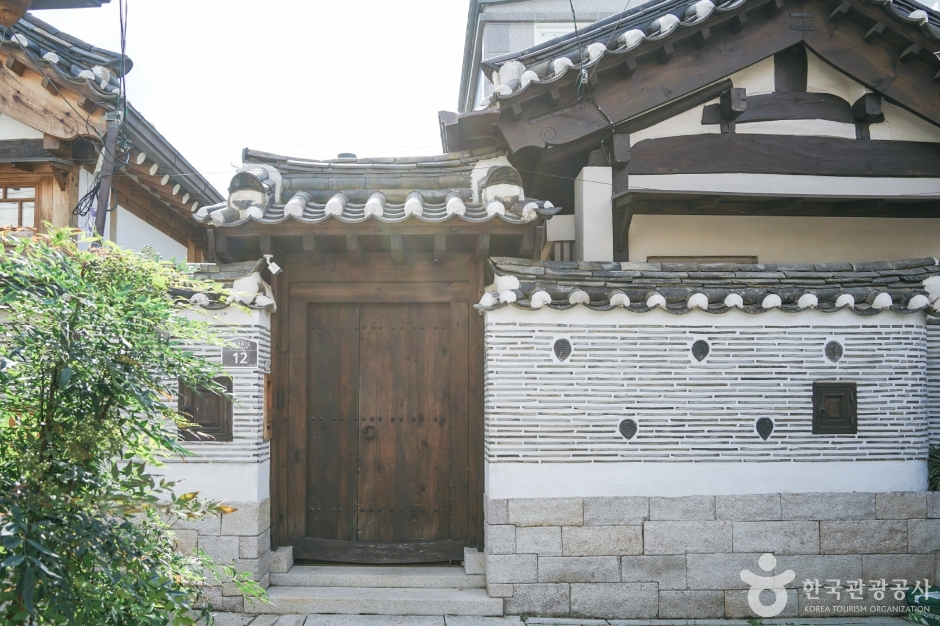
Hanok Essay Seochon (한옥에세이 서촌)
19.2Km 2024-06-04
12 Pirundae-ro 3-gil, Jongno-gu, Seoul
The area of Seochon features both traditional elements as well modern, showing the changes over time. A stay in one of the hanok houses here is the perfect way to feel this unique ambiance. Hanok Essay Seochon provides this experience, open to visitors of all ages.
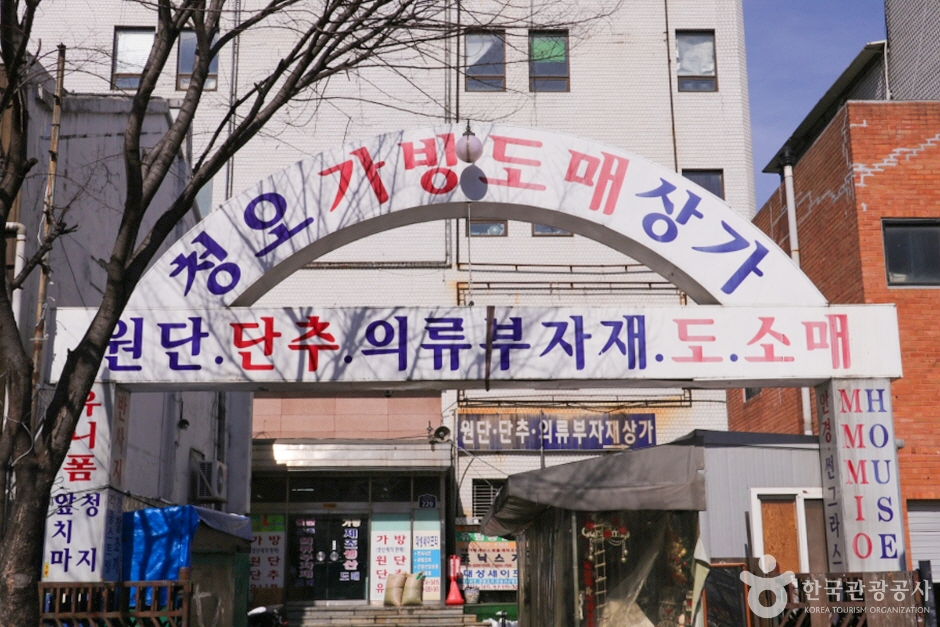
Cheonggye 5-ga Bag Wholesale Shopping Center / Cheong'o Bag Shopping Center (청계5가 가방도매상가 / 청오가방상가)
19.2Km 2024-03-18
229 Cheonggyecheon-ro, Jongno-gu, Seoul
Cheonggye 5-ga Bag Wholesale Shopping Center is a place where you can purchase various types of bags at affordable prices. They offer a diverse range of items including handbags, briefcases, suitcases, and school bags. Selling unique models produced directly from their own factory, the prices are reasonable, and the quality is excellent. The shopping center also houses wholesale stores for clothing and bag accessories.
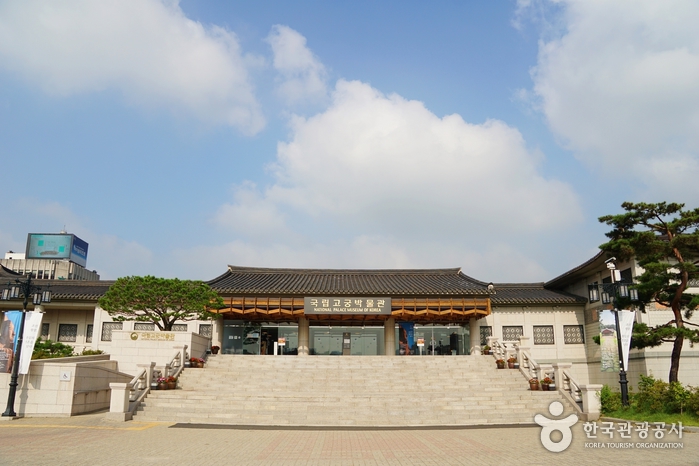
National Palace Museum of Korea (국립고궁박물관)
19.2Km 2023-03-24
12, Hyoja-ro, Jongno-gu, Seoul
+82-2-3701-7500
The National Palace Museum of Korea displays over 40,000 relics from the Joseon dynasty. With various treasures on exhibit, the museum continues to provide information on the dignity of royal culture and the creativity of royal cultural assets.
Tosokchon Samgyetang (토속촌삼계탕)
19.2Km 2024-03-12
5 Jahamun-ro 5-gil, Jongno-gu, Seoul
+82-2-737-7444
Tosokchon Samgyetang is a restaurant specializing in samgyetang (ginseng chicken soup) near Gyeongbokgung Palace. It is housed in several renovated traditional hanok buildings, exuding a nostalgic atmosphere. Samgyetang is a traditional Korean nutritious food made by simmering cleaned young chicken with ginseng, jujube, sweet rice batter, and various nuts. The thick broth of samgyetang, served alongside ginseng liquor, stimulates the appetite. Diced radish kimchi and cabbage kimchi are served as basic side dishes.
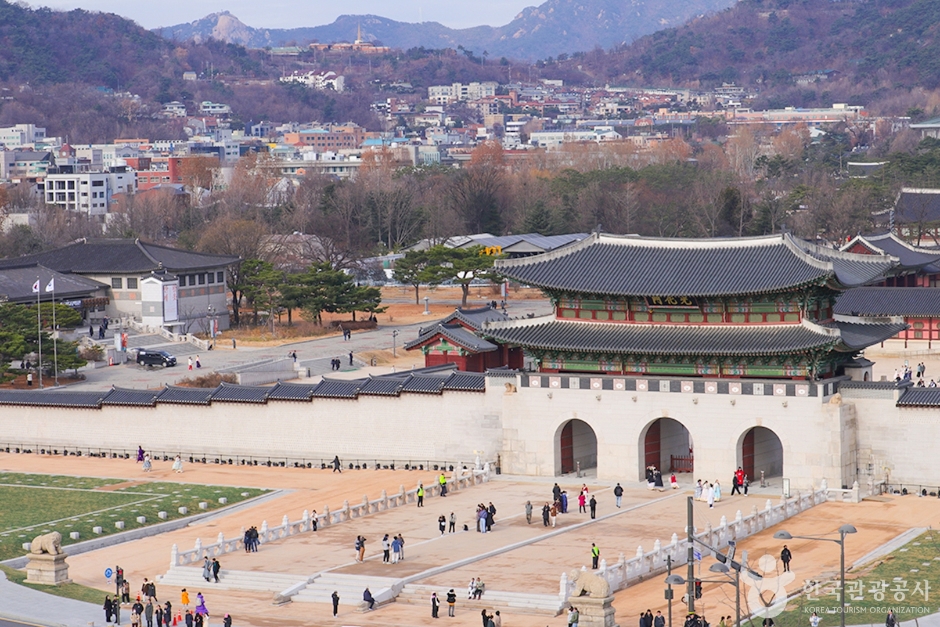
Gwanghwamun Gate (광화문)
19.2Km 2024-12-04
161 Sajik-ro, Jongno-gu, Seoul
+82-2-3700-3900
Built in 1395 under the reign of King Taejo, the first king of the Joseon dynasty, Gwanghwamun Gate is the southern gate of Gyeongbokgung Palace. It is also the main gate of the palace, therefore larger and fancier in comparison to the other gates. Gwanghwamun Gate consists of three arched gates; the center gate was used by the king, while the other two were used by the crown prince and royal officials. The tall granite walls of the gate serve as a platform for the wooden gate tower that watches over the city. The gate has a sign with its name written at the top center of the gate tower.
Gwanghwamun Gate went through several damages and restorations over the course of history. It was first severely damaged during the Imjin War (1592-1598) and was not restored until the reconstruction of Gyeongbokgung Palace in 1864. Under the Japanese administration, the gate was demolished and relocated to the north of the palace's eastern gate, followed by series of damages during the Korean War (1950-1953). In 1968, Gwanghwamun Gate was relocated back to the south of the palace and was rebuilt using concrete; however, the gate’s position was shifted a few meters away from its original location. In 2006, a major reconstruction project took place to restore Gwanghwamun Gate to its original state and location, disassembling the structure completely and replacing concrete with granite and wood. After three years and eight months of construction, Gwanghwamun Gate was fully restored to its original form and was open to the public on August 15, 2010.
![Black Yak - Jongno Branch [Tax Refund Shop] (블랙야크 종로)](http://tong.visitkorea.or.kr/cms/resource/32/2878232_image2_1.jpg)
Black Yak - Jongno Branch [Tax Refund Shop] (블랙야크 종로)
19.2Km 2024-04-22
22, Jong-ro 36-gil, Jongno-gu, Seoul
-
 English
 한국어
한국어 日本語
日本語 中文(简体)
 Deutsch
 Français
 Español
 Русский


