![Olive Young - Sookmyung Women’s Univ. Station Branch [Tax Refund Shop] (올리브영 숙대입구역)](http://tong.visitkorea.or.kr/cms/resource/87/2888087_image2_1.jpg)
Olive Young - Sookmyung Women’s Univ. Station Branch [Tax Refund Shop] (올리브영 숙대입구역)
3.1Km 2024-04-17
1F, 285, Hangang-daero, Yongsan-gu, Seoul
-
![Olive Young - Sindang Station Branch [Tax Refund Shop] (올리브영 신당역)](http://tong.visitkorea.or.kr/cms/resource/35/2878735_image2_1.jpg)
Olive Young - Sindang Station Branch [Tax Refund Shop] (올리브영 신당역)
3.2Km 2024-04-18
258, Dasan-ro, Jung-gu, Seoul
-
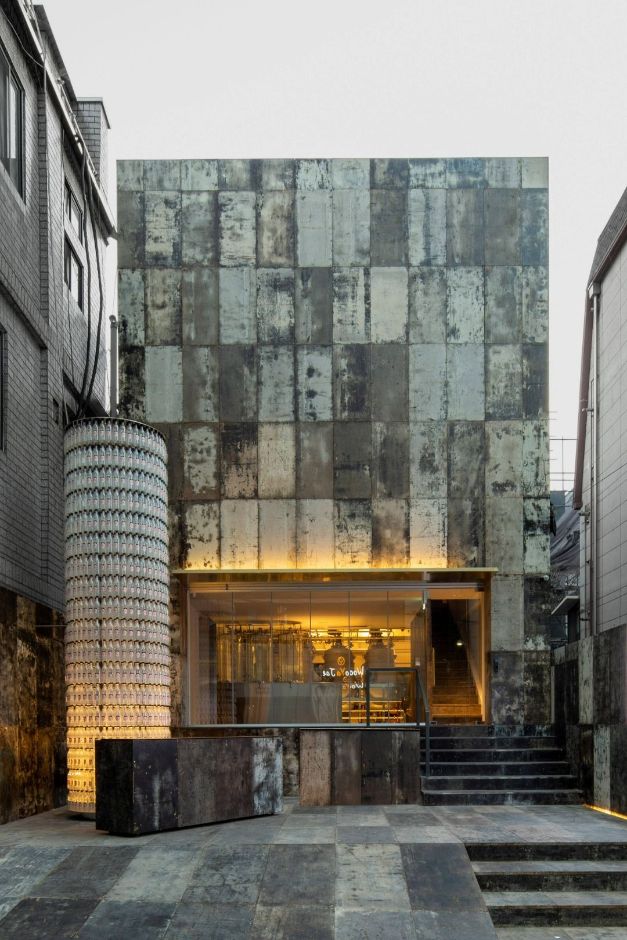
Chunpoong Brewery (춘풍양조장)
3.2Km 2025-07-24
101-3 Dasan-ro, Jung-gu, Seoul
Chungpoong Brewery, a specialized brewery producing makgeolli, offers brewery tours and tasting sessions, conveying the value of Korean alcohol. Through these programs, the brewery shares Korean alcohol culture and provides information about traditional Korean alcohol. Visitors can also enjoy a dining and alcohol experience here.
![Olive Young - Sookmyung Women’s Univ. Branch [Tax Refund Shop] (올리브영 숙대)](http://tong.visitkorea.or.kr/cms/resource/25/2889625_image2_1.jpg)
Olive Young - Sookmyung Women’s Univ. Branch [Tax Refund Shop] (올리브영 숙대)
3.2Km 2024-04-18
19, Cheongpa-ro 45-gil, Yongsan-gu, Seoul
-
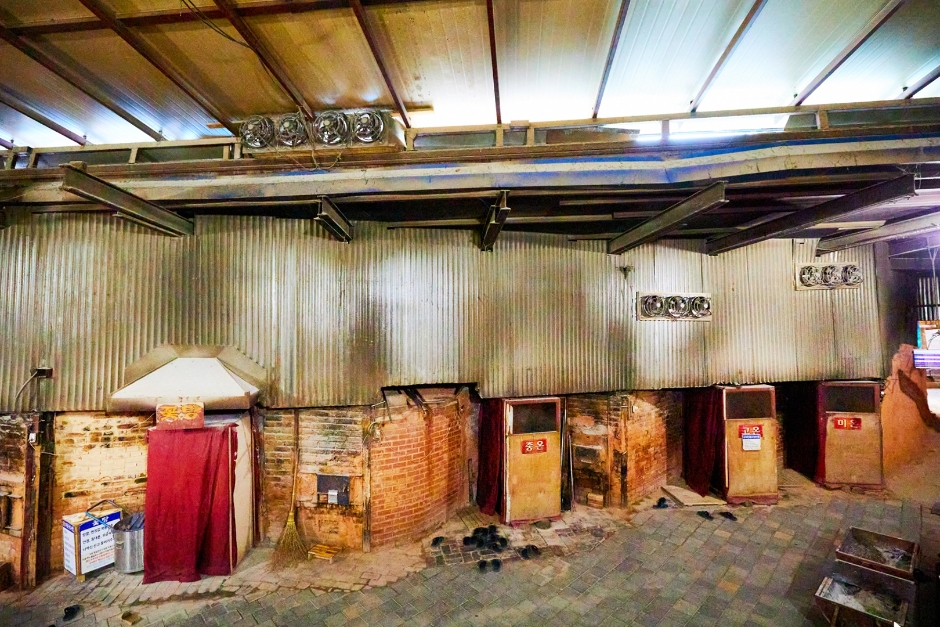
Supsok Hanbang Land (숲속한방랜드)
3.2Km 2024-03-18
75-7 Bongwonsa-gil, Seodaemun-gu, Seoul
Jjimjjilbang, a Korean-style sauna that combines a traditional bathhouse with a hot steam room, is often ranked high among the unique experiences in Korea chosen by foreigners. Taking a steam bath in a charcoal kiln discharges waste products from the skin through sweat and eliminates accumulated fatigue. Supsok Hanbang Land has several charcoal kilns for different temperatures. Using them in order from low to high-temperature rooms is good, but the highest-temperature room, “Kkottang,” has a risk of causing skinburn, so visitors are advised to wear socks and cotton gloves to enter the room. Another unique experience is to grill sweet potatoes or rice cakes on the brazier in front of the charcoal kiln.
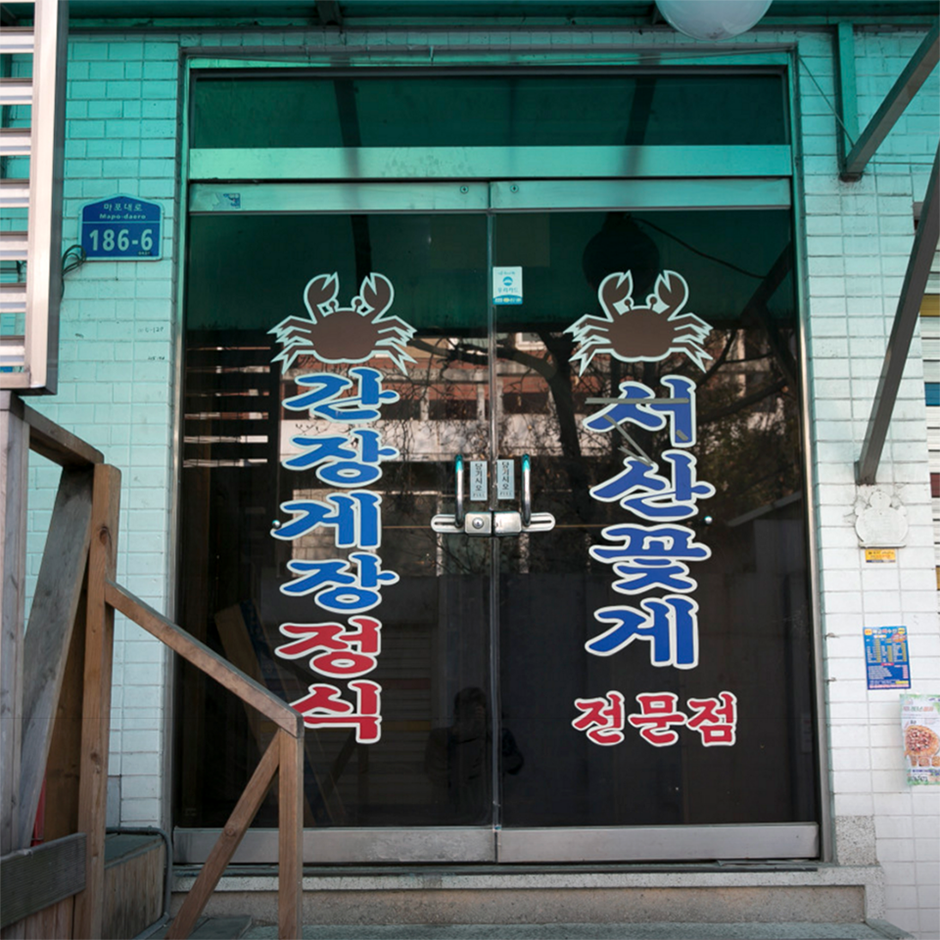
Jinmi Sikdang (진미식당)
3.2Km 2024-02-27
186-6 Mapo-daero, Mapo-gu, Seoul
Jinmi Sikdang is a specialty restaurant known for its exclusive focus on gejang (marinated crab), using only the finest blue crabs from the Seohae Coast. The restaurant prides itself on preparing only the amount of crab needed for the day, ensuring freshness, so it's advisable to make reservations before visiting, especially during peak hours. Known for its consistent quality and unwavering taste, Jinmi Sikdang continues to receive steady love from its customers.

Innisfree - Hansung Univ. Branch [Tax Refund Shop] (이니스프리 한성대)
3.2Km 2024-04-18
3, Dongsomun-ro 7-gil, Seongbuk-gu, Seoul
-
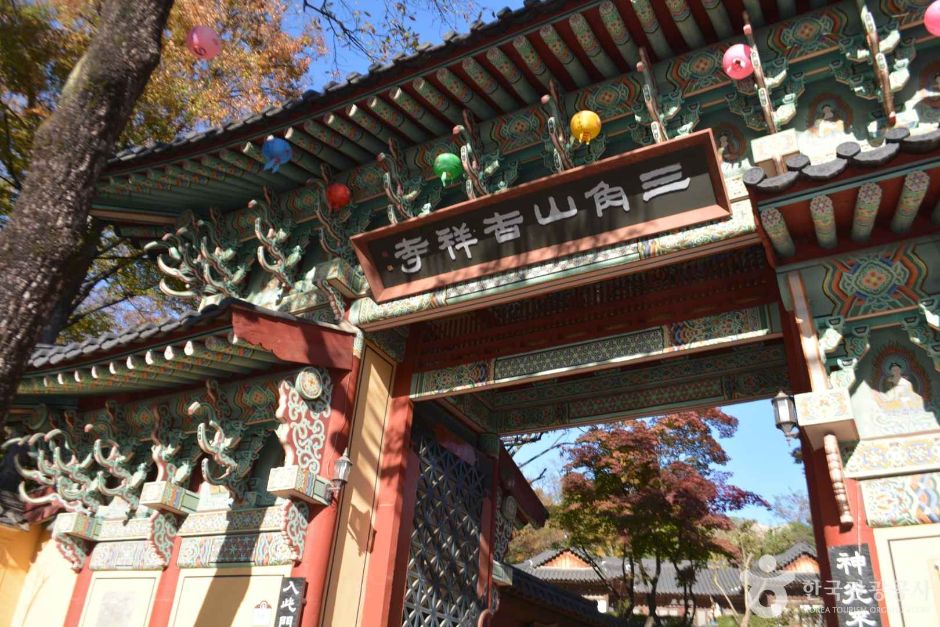
Gilsangsa Temple (Seoul) (길상사(서울))
3.3Km 2025-06-17
68 Seonjam-ro 5-gil, Seongbuk-gu, Seoul
+82-2-3672-5945
Gilsangsa Temple is a prominent temple located in Seongbuk-dong, Seoul. The name Gilsangsa means "a favorable and auspicious temple." Visitors can experience temple, participate in Buddhist practices, and even enjoy Templestay programs on weekends. In fall, visitors can admire red spider lilies and wildflowers, immersing themselves in the beauty of nature and finding inner peace.
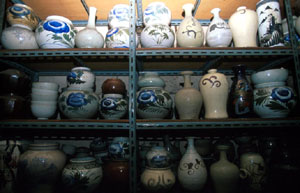
Hwanghak-dong Flea Market (Dokkaebi Market / Manmul Market) (황학동 벼룩시장 (도깨비시장/만물시장))
3.3Km 2025-04-11
11-7 Majang-ro 5-gil, Jung-gu, Seoul
Hwanghak-dong Flea Market was named after the way how merchants travel from one place to another all over the country, as if like fleas hopping around from one spot to another, to collect rare and valuable items. This market was once a haven of antiques and collectibles, but with the formation of old-fashioned art street in 1983 in Janganpyeong, many classic art shops had moved out, leaving only used item and general goods stores. Now, visitors can find stores selling antiques, used furniture, electronics, clocks, jewelry, musical instruments, camera, and machinery – pretty much anything one can name. Hwanghak-dong Flea Market is also referred to as Dokkaebbi Market, to describe how even the most rundown items become just like new, as if like the work of a dokkaebi (Korean folk goblin).
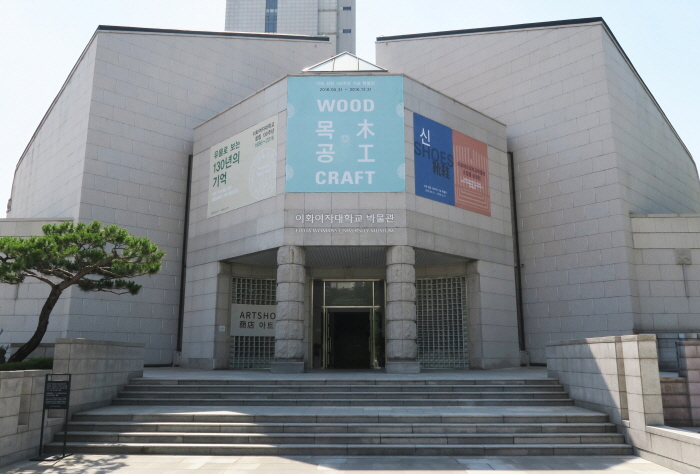
Ewha Womans University Museum (이화여자대학교박물관)
3.3Km 2022-09-14
52, Ewhayeodae-gil, Seodaemun-gu, Seoul
+82-2-3277-3152
The Ewha Womans University Museum was established in 1935 with the goal of preserving the cultural heritage of Korea. Originally, items related to folk art, traditional woodwork, and pottery were put on display in the hall of the main university to keep them from being confiscated during the Japanese occupation. This later led to the opening of the museum to display and store the growing collection.
Regular exhibitions of the museum’s collection have been taking place annually from 1972. Since 1996, the museum also held special exhibitions that focus on other themes related to cultural heritage. Additional small-scale exhibitions are also held frequently to promote Korea's traditional culture and art.
A ceramics research facility as well as a more traditional museum, a large portion of the museum’s efforts is focused on the research and excavation of kilns. To this aim, excavation teams from the museum have traveled to various parts of the country to conduct studies on historic sites and assess the value of artifacts. Through the publication of books and reports on its discoveries, the museum has contributed to raising knowledge and awareness of Korean cultural heritage in academia and among the public.
 English
 한국어
한국어 日本語
日本語 中文(简体)
 Deutsch
 Français
 Español
 Русский


