Ojang-dong Hamheung Naengmyeon (오장동 함흥냉면)
2.2Km 2024-02-22
108 Mareunnae-ro, Jung-gu, Seoul
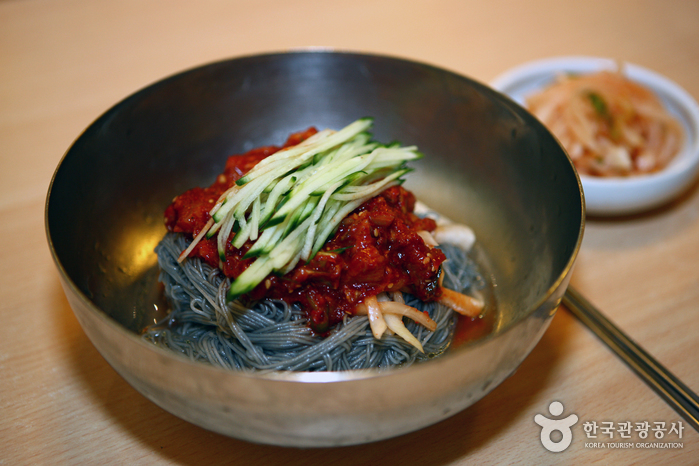
Ojang-dong Hamheung Naengmyeon originated when grandma Han Hyesun, who migrated from Hamgyeongnam-do to Seoul during the Korean War, began selling Hamheung-style "nongma guksu (starch noodles)," eventually naming it Hamheung naengmyeon (Hamheung cold buckwheat noodles). Its signature dish, bibim naengmyeon (spicy buckwheat noodles), features chewy noodles infused with a tangy-sweet seasoning, showcasing the expertise behind its preparation. Alongside the flavorful broth served as a base, the menu also includes variations like hoe naengmyeon (cold buckwheat noodles with raw fish), mul laengmyeon (cold buckwheat noodles), suyuk (boiled pork slices) and mandu.
Eunjujeong (은주정)
2.2Km 2024-03-12
32, Changgyeonggung-ro 8-gil, Jung-gu, Seoul
+82-2-2265-4669
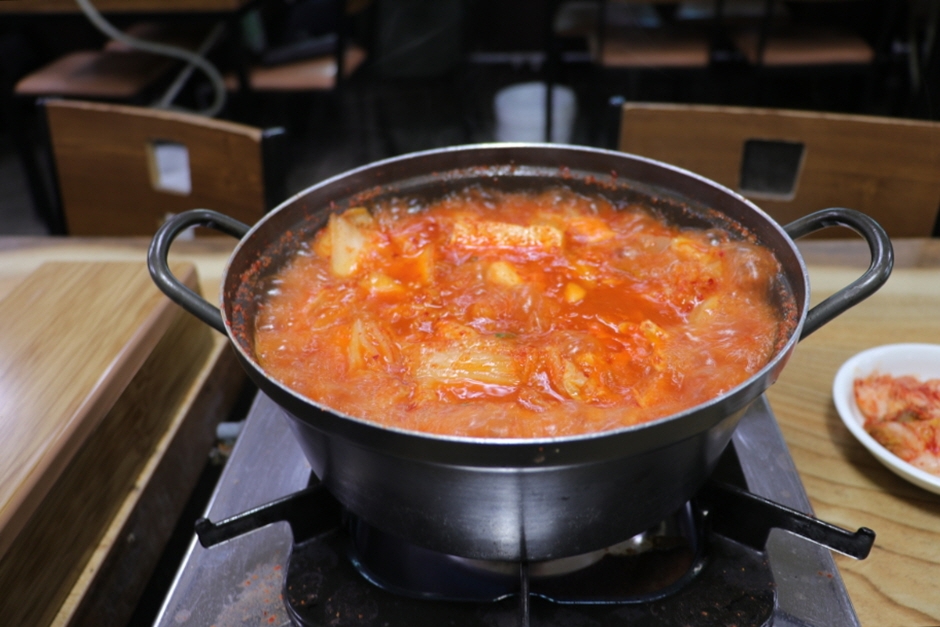
Situated near Gwangjang Market, Eunjujeong focuses on kimchi jjigae. Served wrapped in lettuce, it offers a unique delicacy. They also sell barbecued pork belly, which is grilled in the traditional Korean style. After finishig the meal, it's recommended to take a walk along Cheonggyecheon Stream right in front of the restaurant. Across Cheonggyecheon Stream is Gwangjang Market, which is also worth exploring, enriching the experience of the area.
![Changdeokgung Palace Complex [UNESCO World Heritage Site] (창덕궁과 후원 [유네스코 세계유산])](http://tong.visitkorea.or.kr/cms/resource/03/3092503_image2_1.jpg)
Changdeokgung Palace Complex [UNESCO World Heritage Site] (창덕궁과 후원 [유네스코 세계유산])
2.2Km 2025-07-21
99 Yulgok-ro, Jongno-gu, Seoul
Changdeokgung Palace was the second royal villa built following the construction of Gyeongbokgung Palace in 1405. It was the principal palace for many kings of the Joseon dynasty, and is the most well-preserved of the five remaining royal Joseon palaces. The palace grounds are comprised of a public palace area, a royal family residence building, and the rear garden. Known as a place of rest for the kings, the rear garden boasts a gigantic tree that is over 300 years old, a small pond and a pavilion.
The palace gained importance starting from the time of Seongjong, the 9th king of Joseon, when a number of kings began using it as a place of residence. Unfortunately, the palace was burned down by angry citizens in 1592 when the royal family fled their abode during the Imjin War. Thanks to Gwanghaegun, the palace was restored in 1611. Even today, it houses a number of cultural treasures, such as Injeongjeon Hall, Daejojeon Hall, Seonjeongjeon Hall, and Nakseonjae Hall.
Changdeokgung Palace’s garden behind the inner hall, called the "Secret Garden," was constructed during the reign of King Taejong and served as a rest area for the royal family members. The garden had formerly been called Bugwon and Geumwon, but was renamed Biwon Garden, or Secret Garden, after King Gojong came into power. The garden was kept as natural as possible and was touched by human hands only when absolutely necessary. Buyongjeong Pavilion, Buyongji Pond, Juhamnu Pavilion, Eosumun Gate, Yeonghwadang Hall, Bullomun Gate, Aeryeonjeong Pavilion, and Yeongyeongdang Hall are some of the many attractions that occupy the garden. The most beautiful time to see the garden is during the fall when the autumn foliage is at its peak and the leaves have just started to fall.
Though it has been treasured by Koreans for centuries, Changdeokgung Palace and its complex was recognized as a World Cultural Heritage site by the UNESCO World Cultural Heritage Committee in December of 1997 during the committee meeting in Naples, Italy.
![CheongKwanJang - Jongno 4(sa)-ga Branch [Tax Refund Shop] (정관장 종로4가)](http://tong.visitkorea.or.kr/cms/resource/92/2878192_image2_1.jpg)
CheongKwanJang - Jongno 4(sa)-ga Branch [Tax Refund Shop] (정관장 종로4가)
2.2Km 2024-04-22
Gwangnim Bldg., 195, Jong-ro, Jongno-gu, Seoul
-
Gwangjang Market (광장시장)
2.2Km 2024-07-08
88, Changgyeonggung-ro, Jongno-gu, Seoul
+82-2-2267-0291
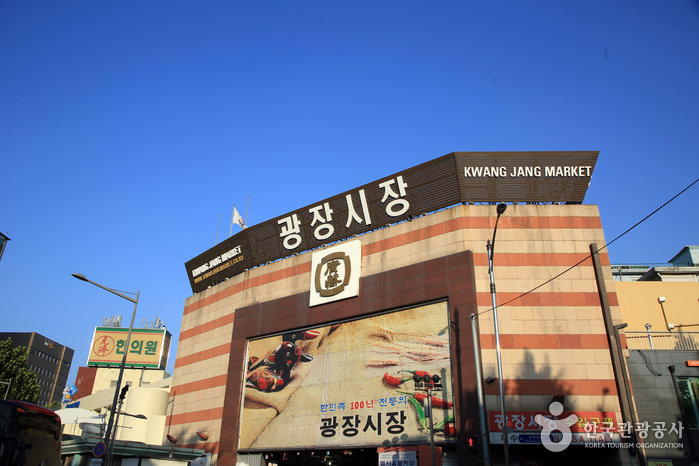
Gwangjang Market was the first permanent market in Korea and continues to thrive as a popular tourist destination today. The name Gwangjang means "to gather from afar and keep altogether." The market began as a small trading center that brought in goods from nearby regions, but has now grown into a large wholesale market selling a variety of goods, including upholstery, imported goods, groceries, dried fish, traditional goods, and more. The most popular section of the market is the food street connected to the East Gate, North Gate 2, and South Gate 1. The food street caters to a wide range of patrons due to the plethora of menus available. It is also one of the most recommended tourist attraction for international travelers.
Choong Ang High School (중앙고등학교)
2.3Km 2025-10-23
164 Changdeokgung-gil, Jongno-gu, Seoul
+82-2-742-1321
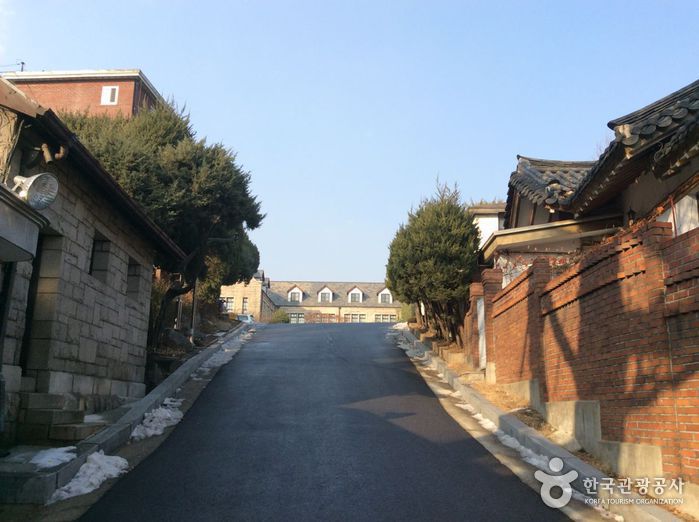
Choong Ang High School is located in Jong-ro near Samcheongdong-gil. It was built to educate the public at the beginning of the 20th century. The school’s main building was reconstructed in 1937 after the original two-story brick house was destroyed in 1934. The main building situated in front of the main gate is a two-story H-shaped granite stone building in Gothic style, with a four-story tower in the middle.
The school holds historical significance because it was designed by Park Dong Jin, one of Korea's first modern architects and the designer of Korea University’s main building, library, and the Chosun Ilbo Newspaper Company building. The main building of Choong Ang High School is designated as Historic Site No. 281. Many national leaders were educated at the gothic building during the grim period when Korea was trying to escape Japanese colonial rule.

Uke. Zamezip (육회자매집)
2.3Km 2023-12-22
200-4 Jong-ro, Jongno-gu, Seoul
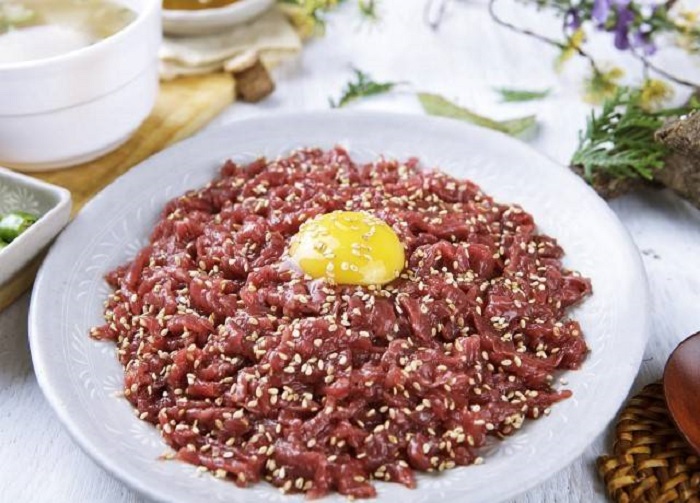
This restaurant is located in a corner of Gwangjang Market's alley, and its main menu is Yukhoe/Beef Tartare (raw beef made by cutting small pieces of beef with various seasonings). The lightness of raw meat, which cannot be found in grilled meat, and the harmony with the seasoning are impressive. If you eat it with egg yolk, sprouts, and pears served together, you can feel the depth of the true taste of raw meat. If you want to try something a little more Korean-style, try 'Yuktangi,' which comes with Tangtangi (a dish made by pounding wild octopus on a cutting board and cutting it into pieces) and Yukhoe. However, the octopus Yuktangi moves around when the food is served, so you must be careful.
Buchon Yukhoe (부촌육회)
2.3Km 2024-03-04
200-12 Jong-ro, Jongno-gu, Seoul
Buchon Yukhoe is a renowned restaurant located in Gwangjang Market's Beef Tartare Street, selected by the Michelin Guide in 2023. It specializes in yukhoe (beef tartare), a Korean-style raw beef dish marinated with sesame oil and pear. The restaurant uses fresh Korean beef supplied daily, ensuring a delightful and nutty flavor. The simple seasoning enhances the natural taste of the ingredients, and the yolk-topped yukhoe adds visual appeal to the dish.
ARTEASPOON (아티스푼)
2.3Km 2025-10-23
7 Sinheung-ro 36-gil, Yongsan-gu, Seoul
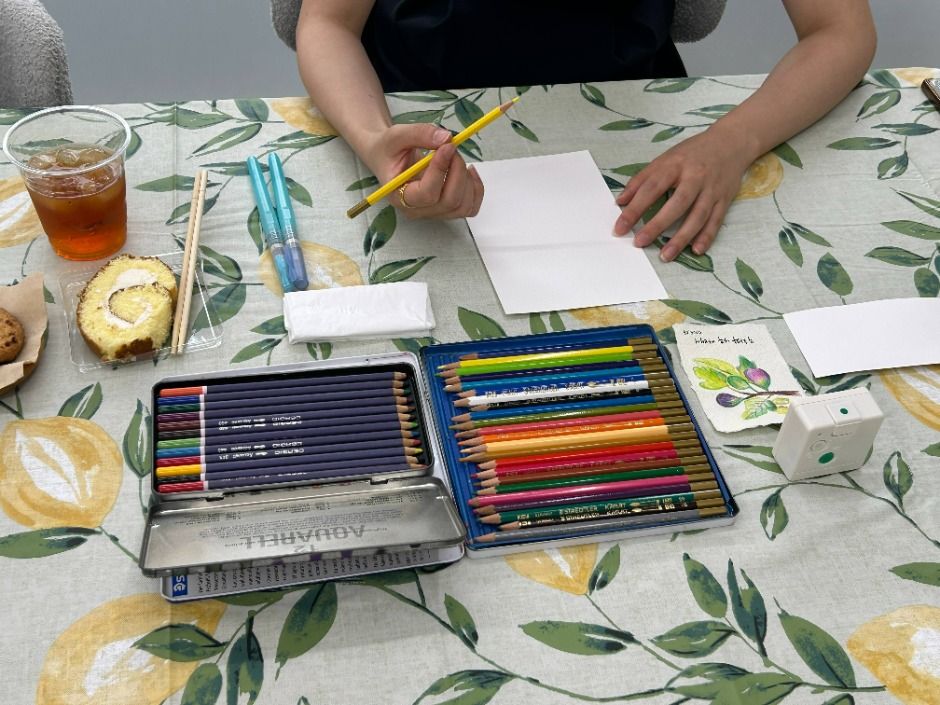
ARTEASPOON operates cultural arts programs centered on paintings, music, and books. It also has a program related to exploring one's feelings and mind, and offers a special program for foreigners for learning Korean culture and art. Located in Huam-dong at the foothills of Namsan Mountain, it's an ideal place to immerse in art and inspirations.
Bangsan Wholesale Market (방산 종합시장)
2.3Km 2025-10-23
20, Dongho-ro 37-gil, Jung-gu, Seoul
+82-2-2268-6691
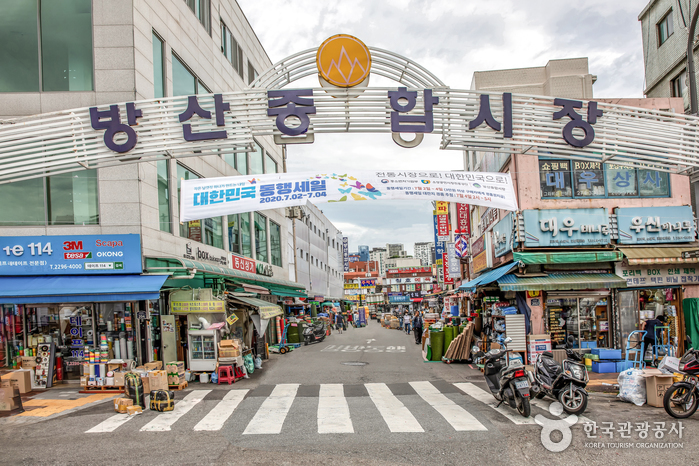
Bangsan Market is a wholesale market with approximately 250 stores that sells packaging and promotional materials. The market was popular with patissiers in the past and is currently more famous for being a bakery street.
 English
 한국어
한국어 日本語
日本語 中文(简体)
 Deutsch
 Français
 Español
 Русский


