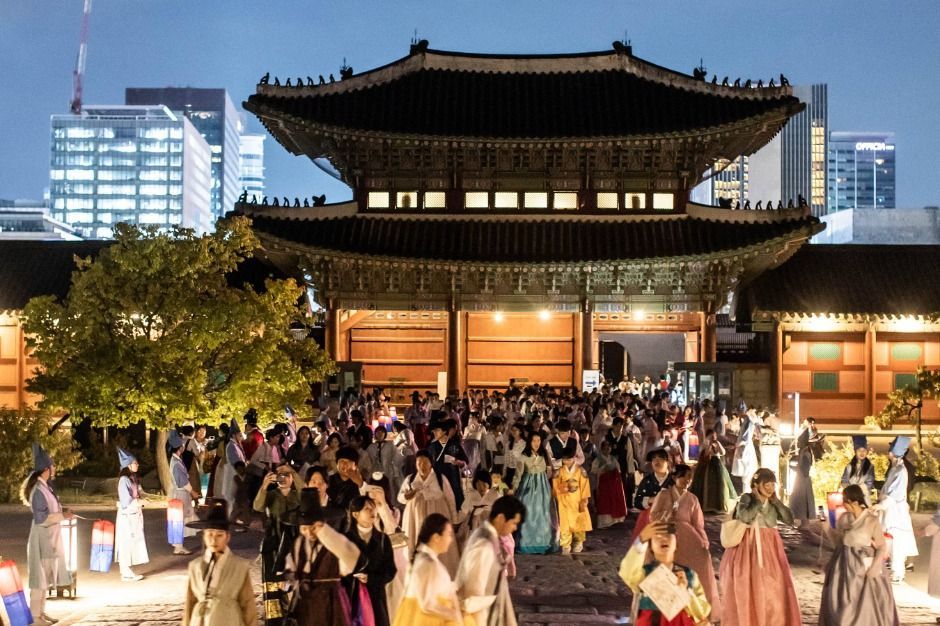
K-Royal Culture Festival (궁중문화축전)
14.2Km 2025-07-29
161 Sajik-ro, Jongno-gu, Seoul
+82-1522-2295
The K-Royal Culture Festival is held at the five Royal Palaces and Jongmyo Shrine. The festival first began in 2014 and provides visitors with first-hand knowledge of these important cultural heritages through unique performances, exhibitions, experiences and programs. The festival expanded in 2021 to be hosted twice a year, in spring and in fall.
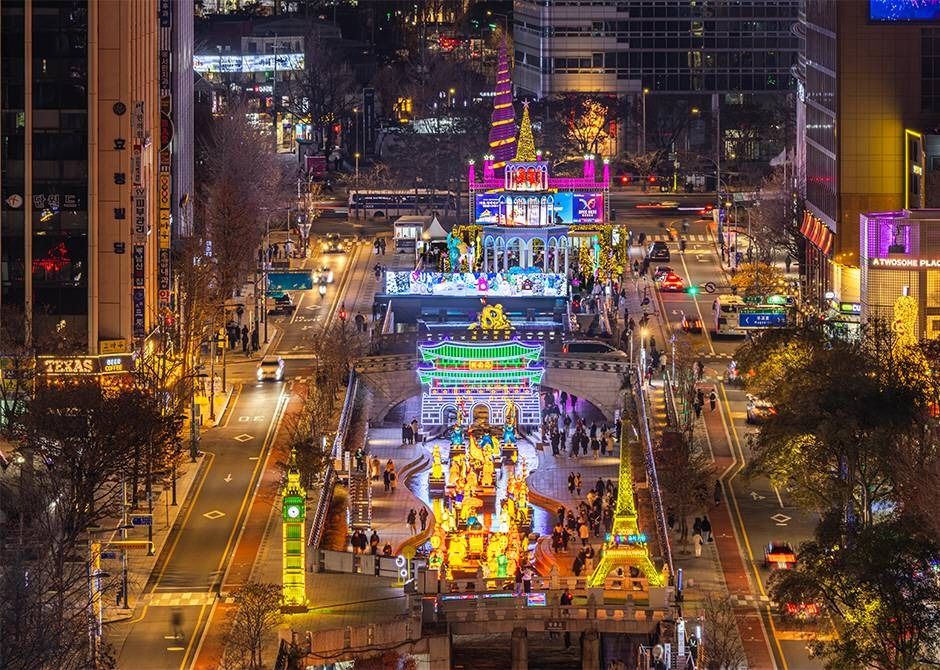
Seoul Lantern Festival (서울빛초롱축제)
14.2Km 2025-11-13
Seorin-dong, Jongno-gu, Seoul
+82-2-3788-8168
The Seoul Lantern Festival is held every year and is one of the most anticipated festivals in Seoul. With various themed lanterns around Cheonggyecheon Stream, visitors can enjoy both traditional lanterns and modern LED lanterns. The festival provides much to see and do with the addition of Gwanghwamun Square Market.
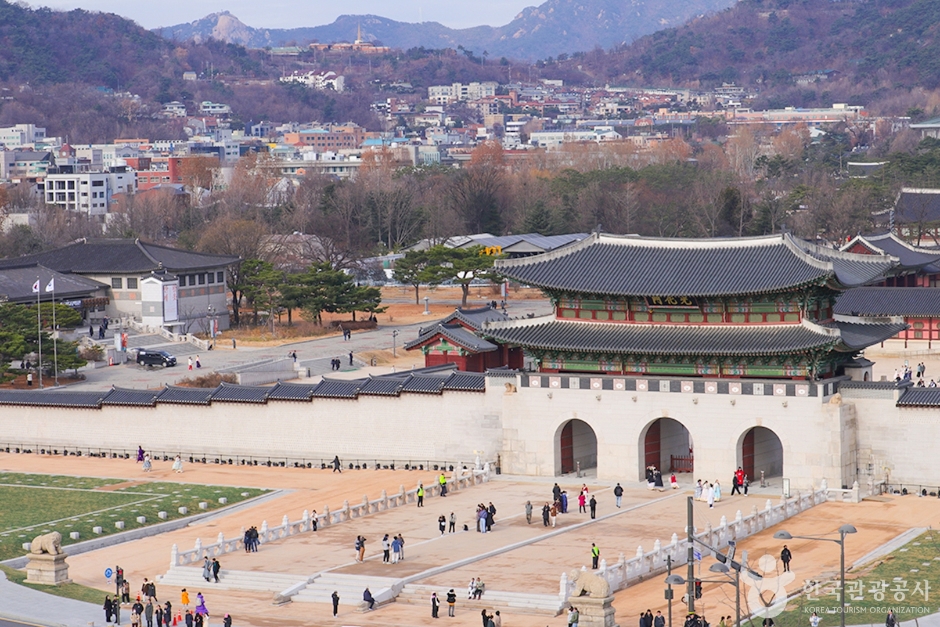
Gwanghwamun Gate (광화문)
14.2Km 2024-12-04
161 Sajik-ro, Jongno-gu, Seoul
+82-2-3700-3900
Built in 1395 under the reign of King Taejo, the first king of the Joseon dynasty, Gwanghwamun Gate is the southern gate of Gyeongbokgung Palace. It is also the main gate of the palace, therefore larger and fancier in comparison to the other gates. Gwanghwamun Gate consists of three arched gates; the center gate was used by the king, while the other two were used by the crown prince and royal officials. The tall granite walls of the gate serve as a platform for the wooden gate tower that watches over the city. The gate has a sign with its name written at the top center of the gate tower.
Gwanghwamun Gate went through several damages and restorations over the course of history. It was first severely damaged during the Imjin War (1592-1598) and was not restored until the reconstruction of Gyeongbokgung Palace in 1864. Under the Japanese administration, the gate was demolished and relocated to the north of the palace's eastern gate, followed by series of damages during the Korean War (1950-1953). In 1968, Gwanghwamun Gate was relocated back to the south of the palace and was rebuilt using concrete; however, the gate’s position was shifted a few meters away from its original location. In 2006, a major reconstruction project took place to restore Gwanghwamun Gate to its original state and location, disassembling the structure completely and replacing concrete with granite and wood. After three years and eight months of construction, Gwanghwamun Gate was fully restored to its original form and was open to the public on August 15, 2010.

Jinju Hoegwan (진주회관)
14.2Km 2024-06-19
26 Sejong-daero 11-gil, Jung-gu, Seoul
+82-2-753-5388
Jinju Hoegwan is a renowned kongguksu (noodles in cold soybean soup) eatery near City Hall Station. Kongguksu is a traditional Korean summer dish made by boiling and grinding soybeans into a creamy broth, served with noodles, offering a refreshing and nutty flavor. Kongguksu is available from March to November. Their staff-recommended menu includes kimchi bokkeumbap (kimchi fried rice), freshly roasted by the staff, along with kimchi jjigae and samgyeopsal (pork belly).
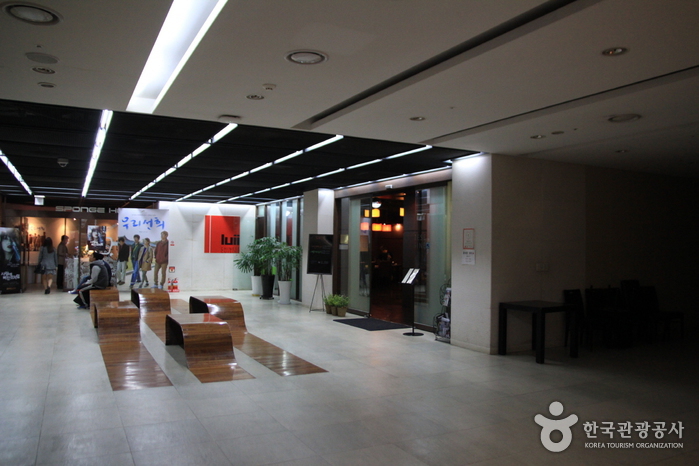
Luii (루이)
14.2Km 2024-07-17
40, Sejong-daero 21-gil, Jung-gu, Seoul
+82-2-736-8889
Luii is a Chinese restaurant operated by a veteran chef with extensive experience in Chinese cuisine. The restaurant has several rooms of different sizes to accommodate various events. It also has a VIP room for more private gatherings.
![Godiva - Gwanghwamun Branch [Tax Refund Shop] (고디바 광화문점)](http://tong.visitkorea.or.kr/cms/resource/25/2878225_image2_1.jpg)
Godiva - Gwanghwamun Branch [Tax Refund Shop] (고디바 광화문점)
14.3Km 2024-04-22
1F, to 3F, 159, Sejong-daero, Jongno-gu, Seoul
-
![Nature Collection - Gwanghwamun Branch [Tax Refund Shop] (네이처컬렉션 광화문)](http://tong.visitkorea.or.kr/cms/resource/54/2888854_image2_1.jpg)
Nature Collection - Gwanghwamun Branch [Tax Refund Shop] (네이처컬렉션 광화문)
14.3Km 2024-04-18
1F, 105, Saemunan-ro, Jongno-gu, Seoul
-
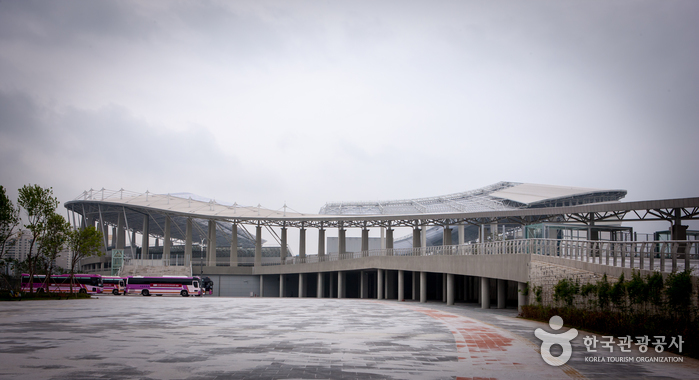
Incheon Asiad Main Stadium (인천아시아드주경기장)
14.3Km 2025-06-09
806 Bongsu-daero, Seo-gu, Incheon
+82-32-456-2100
Incheon Asiad Main Stadium is the main stadium used for the 2014 Asian Games in Incheon. Construction began in June 2011 and the stadium opened on June 1, 2014. Built on a 631,975 ㎡ lot, the five-story stadium has a total floor area of 113,620 ㎡ and 61,818 spectator seats (capacity to be reduced by 32,514 seats after the 2014 Asian Games).
The stadium has an oval running track enclosing a regulation-size soccer field. Outside, there's a tennis court, a subsidiary stadium, and the 1,415.13 ㎡ Yeonhui Cricket Ground.
Olive Young - Sejong-ro Branch [Tax Refund Shop] (올리브영 세종로)
14.3Km 2024-04-16
161, Sejong-daero, Jongno-gu, Seoul
-
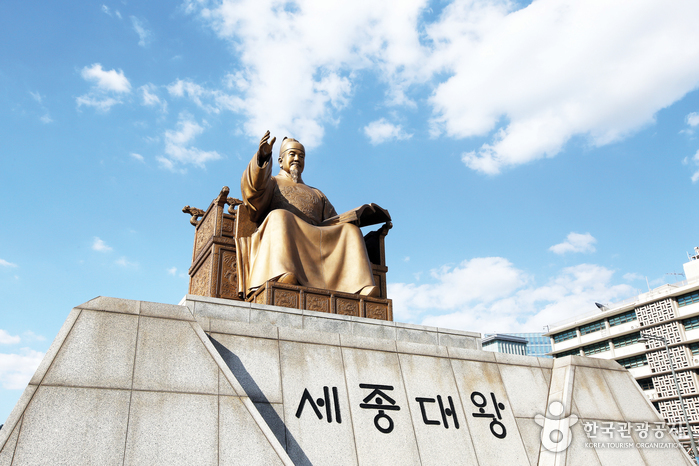
King Sejong Statue (세종대왕 동상)
14.3Km 2024-03-04
175, Sejong-daero, Jongno-gu, Seoul
+82-2-2133-7713
King Sejong Statue can be found at Seoul’s Gwanghawmun Square. The statue commemorates King Sejong the Great (1397-1450, reign 1418-1450), the fourth king of Joseon (1392-1897). He is thought to be the greatest king in Korean history, for he is credited with great developments in science and technology, expansion of Joseon’s territory, and the creation of the Korean script, [Hangeul]. King Sejong’s likeness can be found on the 10,000 won bill as well.
 English
 한국어
한국어 日本語
日本語 中文(简体)
 Deutsch
 Français
 Español
 Русский


