
Olive Young - Seoul Station Branch [Tax Refund Shop] (올리브영 서울역점)
14.2Km 2024-06-27
405, Hangang-daero, Jung-gu, Seoul
-
![National Museum of Modern and Contemporary Art, Deoksugung [MMCA Deoksugung] (국립현대미술관 덕수궁)](http://tong.visitkorea.or.kr/cms/resource/09/2991509_image2_1.jpg)
National Museum of Modern and Contemporary Art, Deoksugung [MMCA Deoksugung] (국립현대미술관 덕수궁)
14.2Km 2023-06-23
99, Sejong-daero, Jung-gu, Seoul
+82-2-2022-0600
The National Museum of Modern and Contemporary Art, Deoksugung [MMCA Deoksugung] was originally built as an annex to the National Museum of Contemporary Art. The museum specializes in seeking out and researching modern art, exhibiting and preserving it, supporting and developing educational programs, and furthering publications and international exchanges. Located within Deoksugung Palace, the center maintains a unique traditional atmosphere. The museum planned and showcased a total of 38 unique exhibitions from 1998 to 2005. Besides the exhibitions, the center has various performances such as music and mime, as well as lectures or seminars on artists' works.
Sejong-ro Park (세종로공원)
14.2Km 2022-08-31
jiha 189, Sejong-daero, Jongno-gu, Seoul
+82-2-722-9598
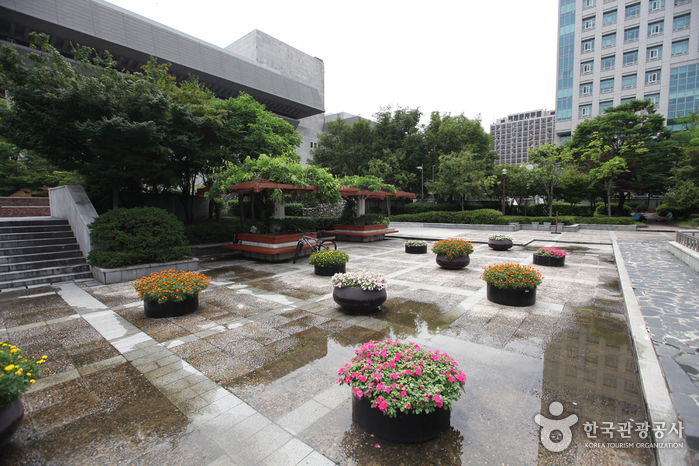
Sejong-ro Park is located next to Sejong Center for the Performing Arts in central Seoul. Inside the park, there are wooden benches and shaded areas where people can sit and relax. Also available are water fountains, a round outdoor stage, and various sculptures. The lunch crowd from the nearby office buildings often come to the park during weekdays. On the weekends, the park is also used as a venue for outdoor weddings.
Seoul's anthem and the poem "Bulnori" by Ju Yo-han are written on a memorial stone that can be found inside the park.
Deoksugung Stone Wall Path (덕수궁 돌담길)
14.2Km 2025-01-10
24 Sejong-daero 19-gil, Jung-gu, Seoul
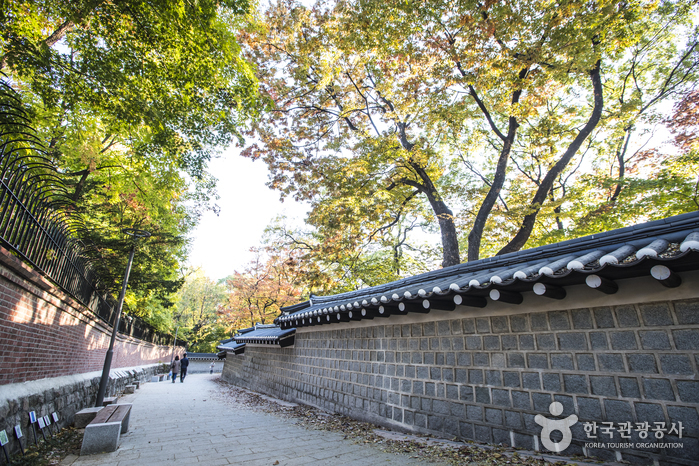
The Deoksugung Stone Wall Path runs along the wall of Deoksugung Palace. It is beautifully lit and landscaped, giving it a romantic atmosphere even at night. There are street performances and flea markets, and the area boasts many famous cafes and restaurants along Jeongdong street. In autumn, the ginkgo trees and walls form a stunning scene. Close to major cultural facilities such as the Seoul Museum of Art and Seoul Museum of History, it attracts numerous visitors come for a stroll.
Gwanghwamun Gukbap (광화문국밥)
14.2Km 2024-06-19
53 Sejong-daero 21-gil, Jung-gu, Seoul
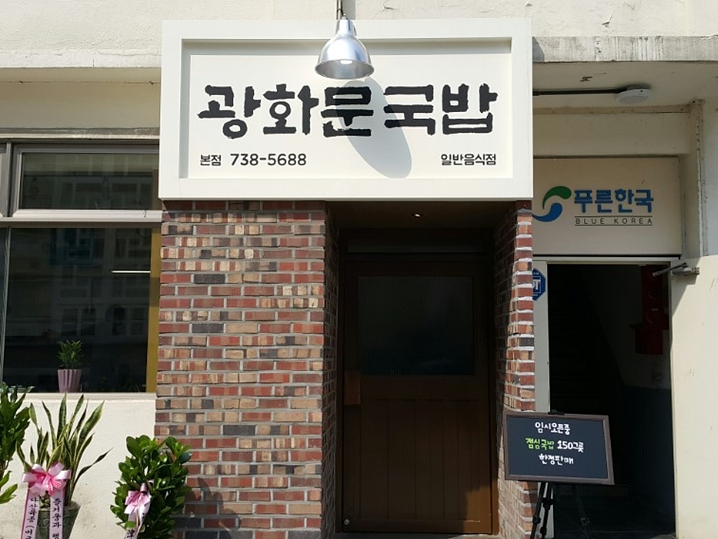
Gwanghwamun Gukbap is a dwaeji gukbap (pork and rice soup) restaurant operated by Chef Park Chanil. Its distinctive feature lies in using only black pork loin and shoulder to enhance the flavor. The signature dish is the dwaeji gukbap, which boasts a mild, clean, and deep flavor. In addition to that, they also offer dwaeji suyuk (boiled pork slices) and pisundae (sundae with pork blood). Known for its authentic taste of rice soup and rich broth, it's a popular destination for many.
Deoksugung Palace (덕수궁)
14.2Km 2025-06-25
99 Sejong-daero, Jung-gu, Seoul
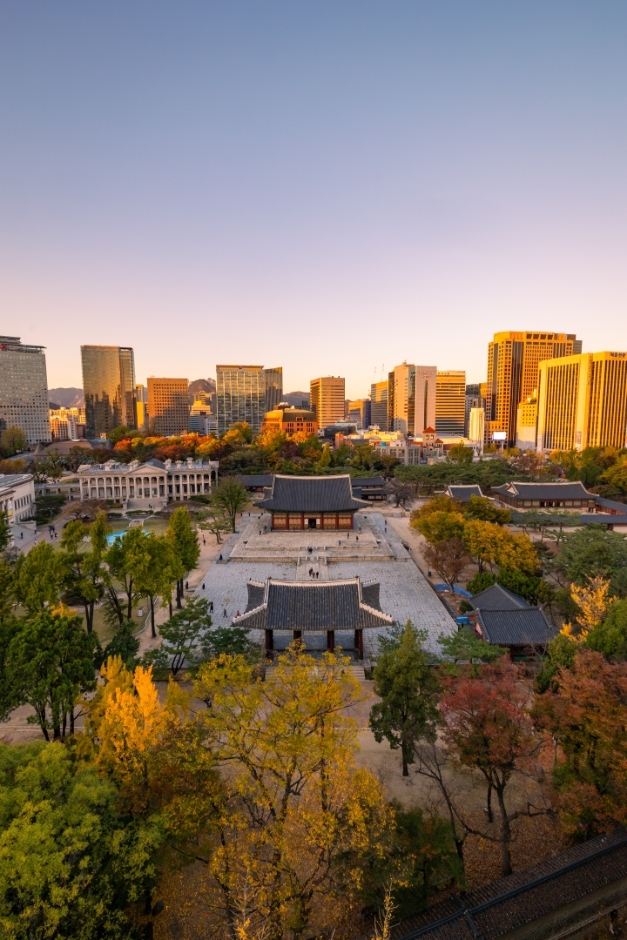
Registered as a Historic Site, Deoksugung Palace was initially not a royal palace, but the residential home of Grand Prince Wolsan (1454-1488), the older brother of King Seongjong (1469-1494) of the Joseon dynasty. It wasn't until 1593 that the palace was used as a temporary palace of the royal family after their home was burned down during the Imjin War. King Seonjo also stayed at Deoksugung Palace after returning to the city. It became a proper palace when Gwanghaegun (1575-1641) ascended to the throne and gave this royal residence the name Gyeongungung Palace in 1611. Over the following decades, the palace alternated between being an official palace and a temporary residence. The name did not change officially to Deoksugung Palace, meaning the “palace of virtuous longevity,” until 1907. While the palace once encompassed a vast area with many buildings, the current palace grounds are just a small shadow of the prior splendor, with very few structures remaining.
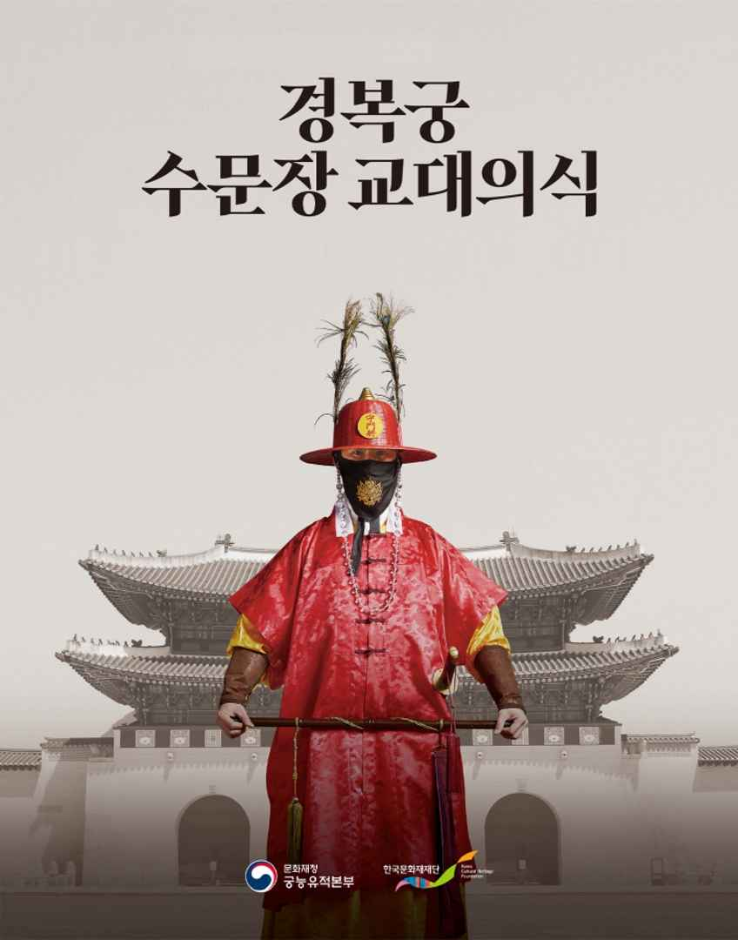
Palace Royal Guard Changing Ceremony (수문장 교대의식)
14.2Km 2025-07-11
161 Sajik-ro, Jongno-gu, Seoul
+82-2-3210-1645
In the Joseon dynasty, the royal guards of the palace were gatekeepers who were responsible for guarding the the main gates of Gyeongbokgung Palace as well as the main gates of the city such as Heunginjimun Gate and Sungnyemun Gate. The royal guards worked in shift duties and were in charge of opening and closing Gwanghwamun Gate. Before the royal guard system was enforced in 1469, the palace gates were protected by soldiers of the central army. The Palace Royal Guard Changing Ceremony held at Gyeongbokgung Palace and the Gwanghwamun area reenacts the guard-changing procedure that took place during the Joseon dynasty, along with the reproduction of costumes and weapons, based on historical records.
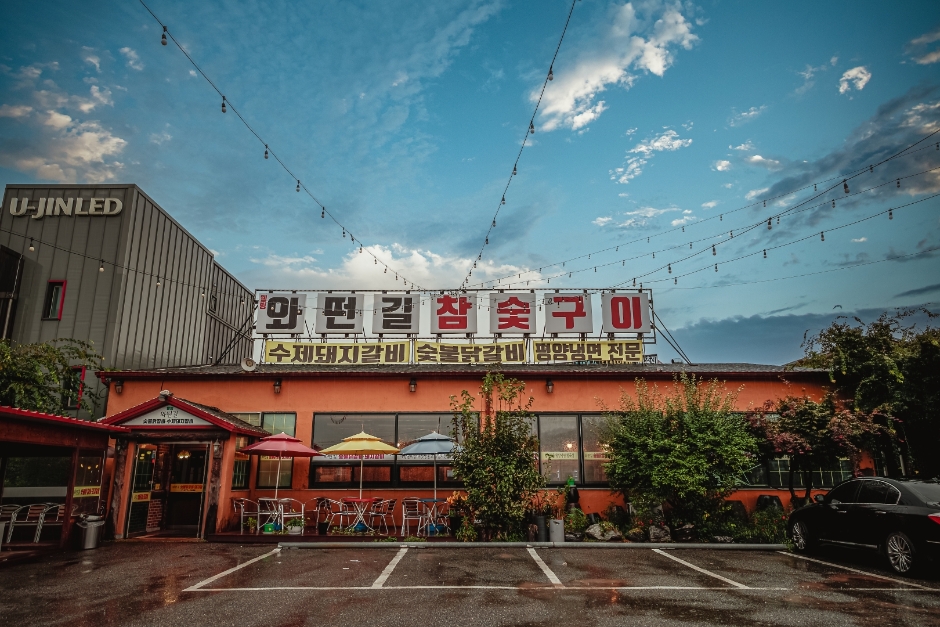
Watdeon-gil (와떤길)
14.2Km 2025-11-06
48-38 Gamnae-gil, Ilsandong-gu, Goyang-si, Gyeonggi-do
◎ Travel information to meet Hallyu’s charm - "Agency"
After successfully completing her presentation, Go Ah-in earns her promotion to a representative role. To honor this achievement, Kang Han-na arranges a team dinner. The venue is a specialty restaurant known for its Spicy Charcoal-grilled Chicken. Set within a spacious hall, its warm and relaxed ambiance is perfect for group gatherings and celebrations.
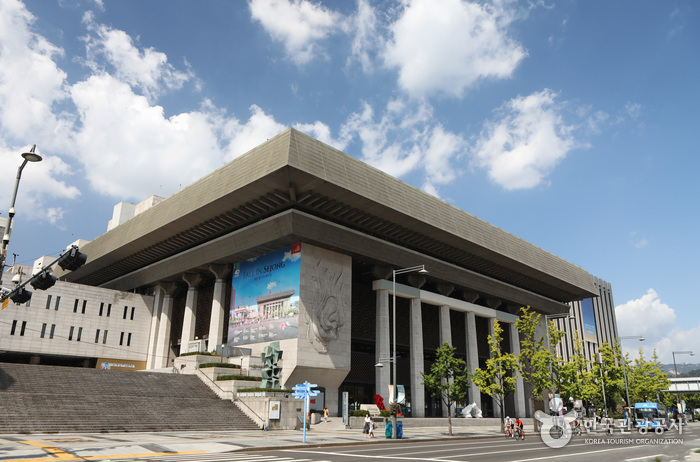
Sejong Center (세종문화회관)
14.2Km 2023-06-14
175, Sejong-daero, Jongno-gu, Seoul
+82-2-399-1000
Sejong Center, officially known as Sejong Center for the Performing Arts, opened on July 1, 1999 to provide citizens with a cultural art space. Having completed a grand remodeling project in 2007, Sejong Center offers customer-friendly programs aimed at improving the quality of art performances in a comfortable resting area. Comprising the Grand Theater of Sejong Center, Sejong M Theater, Sejong Chamber Hall, Exhibition Hall, and other subsidiary facilities, Sejong Center is a multicultural art center.
Various genres of performances including traditional, classic, and crossover have taken place in the center, giving many opportunities for cultural nostalgia.
* Opened April 14, 1978
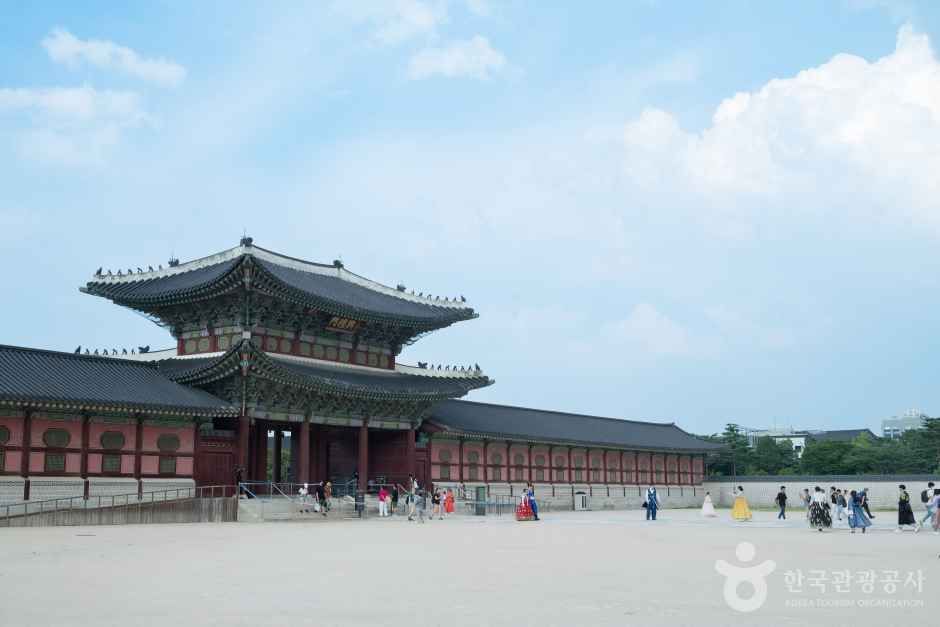
Gyeongbokgung Palace (경복궁)
14.2Km 2025-10-23
161 Sajik-ro, Jongno-gu, Seoul
+82-2-3700-3900
Gyeongbokgung Palace was built in 1395 as the official palace of the Joseon dynasty by Yi Seong-gye, the future King Taejo and founder of the new regime. Gyeongbokgung Palace is commonly referred to as the Northern Palace because of its location to the north, comparied to Changdeokgung Palace in the east and Gyeonghuigung Palace in the west. Gyeongbokgung Palace is arguably the most beautiful and is the largest of all five palaces. Many Joseon kings were crowned here. The premises were once destroyed by fire during the Imjin War (1592-1598). However, all of the palace buildings were later restored under the leadership of Heungseondaewongun during the reign of King Gojong. The assassination of Empress Myeongseong, however, resulted in Gyeongbokgung Palace losing its function as a royal palace, eventually witnessing the downfall of the Joseon dynasty. Gyeongbokgung Palace retains the original Gyeonghoeru Pavilion, a prime example of Joseon architecture, and the Hyangwonjeong Pavilion and pond. The sculptures in the Geunjeongjeon Hall exemplify Joseon-era sculpture techniques. The west side of the area outside Heungnyemun Gate is occupied by the National Palace Museum of Korea, while the eastern side of Hyangwonjeong Pavilion within the Gyeongbokgung Palace is occupied by the National Folk Museum of Korea.
 English
 한국어
한국어 日本語
日本語 中文(简体)
 Deutsch
 Français
 Español
 Русский


