Gohyang Iyagi (고향이야기)
2019-05-15
9, Nunmaeul-gil, Pyeongchang-gun, Gangwon-do
82-33-335-5430
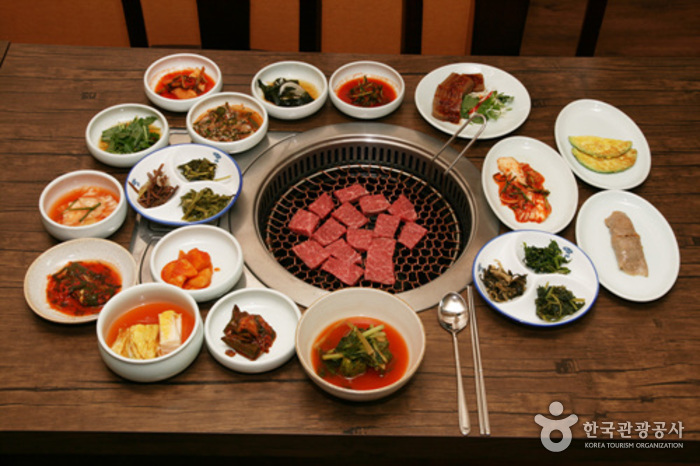
The restaurant opened in 1999 with 76 seats, but after it was remodeled in 2008, the number of seats was increased to 126, among which 40 are Western style seating to accommodate the needs of international guests and elderly people.
The interior is decorated with photos taken by the restaurant owner to add to the unique atmosphere. The owner turned the traditional Korean dish of gondeurebap (steamed rice with seasoned cirsium) into something new, serving it in a dolsot (hot stone bowl). The restaurant serves more than 20 different types of side dishes to satisfy customers' various tastes.
Choedaegamne (최대감네)
2020-06-01
12-3, Insadong 8-gil, Jongno-gu, Seoul
+82-2-733-9355
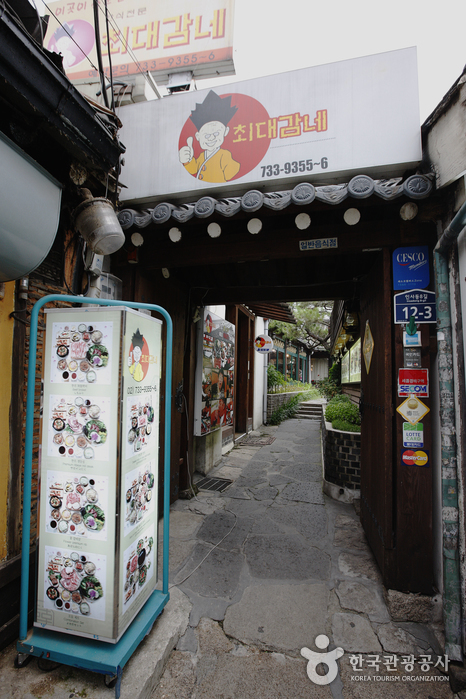
Choedaegamne is a traditional restaurant with a cozy garden and a pond. It is located at the end of the alley next to Inside Plaza. At this famous restaurant located in Insa-dong, a traditional interior is enhanced by the date trees planted in between tables. Various dishes are available such as Ssambapjeongshik with organic vegetables, beef shabu shabu using beef stock and fresh tender galbi (ribs) which are purchased daily.
Samseong Bbalgan Yangnyeom Sutbulgui (삼성 빨간양념 숯불구이)
2020-06-16
37, Namdaemun-ro 1-gil, Jung-gu, Seoul
+82-2-752-6449
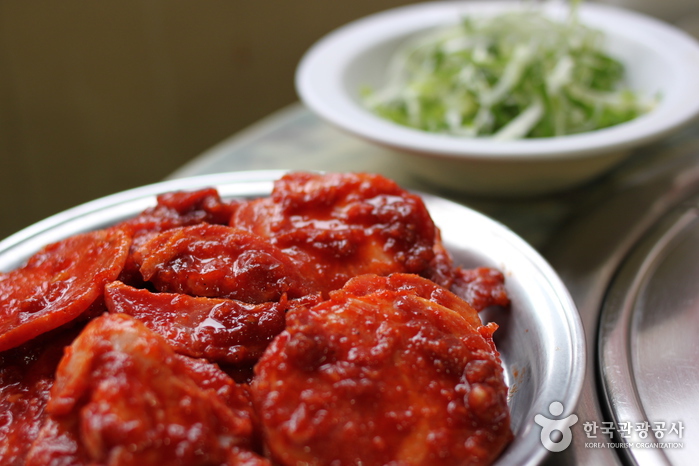
Samseong Bbalgan Yangnyeomg has been famous for its charcoal-grilled dishes since 1972, and is especially well known for its spicy seasoning made from powdered red pepper, garlic, and ginger. Pork is mixed with the seasoning, giving it the characteristic red color and unique flavor, and then grilled over hot coals. This is the perfect restaurant for spicy food-lovers or those looking for a challenge.
Other dishes include jumulleok (marinated pork) and donggeurangttaeng (batter-fried meatballs). Jumulleok is made by seasoning fresh meat, whereas donggeurangttaeng is made by cutting the frozen meat into small pieces, and then marinating it. Older adults usually prefer jumulleok, while the young prefer donggeurangttaeng.
Hyundai Kalguksu (현대칼국수)
2020-06-16
76, Sejong-daero, Jung-gu, Seoul
+82-2-752-9504
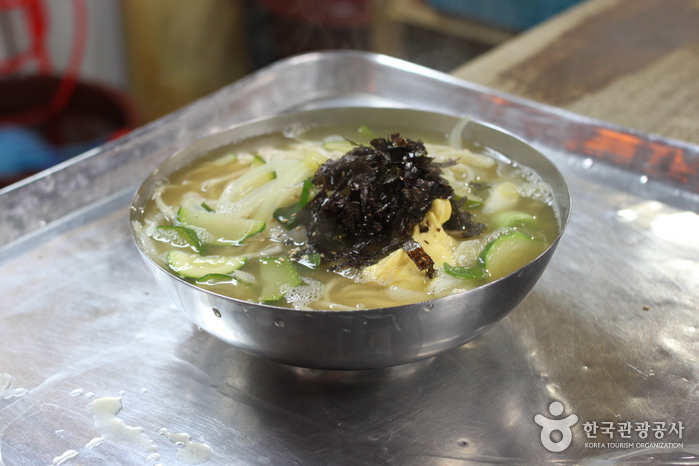
Hyundai Kalguksu is a kalguksu (handmade knife-cut noodles) restaurant that has been in the family for two generations (1982). The restaurant is extremely popular among people working at nearby businesses, thanks to the rich flavor of the broth. Anchovies, dried pollack heads, and kelp are simmered for many hours, and then, other ingredients are added: soft noodles and various vegetables including pumpkin, onion, and green onions. The restaurant is famous for the exquisite taste of its kalguksu, as well as for its large servings. Just one bowl is enough to satisfy a starving man, but if you are still hungry, don’t hesitate to ask for more rice or noodles for free. Another unforgettable specialty here is kimchi. You will also be able to enjoy geotjeori (freshly made kimchi) and kkakdugi (sliced white-radish kimchi), which is fermented for about three days.
Nunnamujip (눈나무집)
2020-06-16
136-1, Samcheong-ro, Jongno-gu, Seoul
+82-2-739-6742
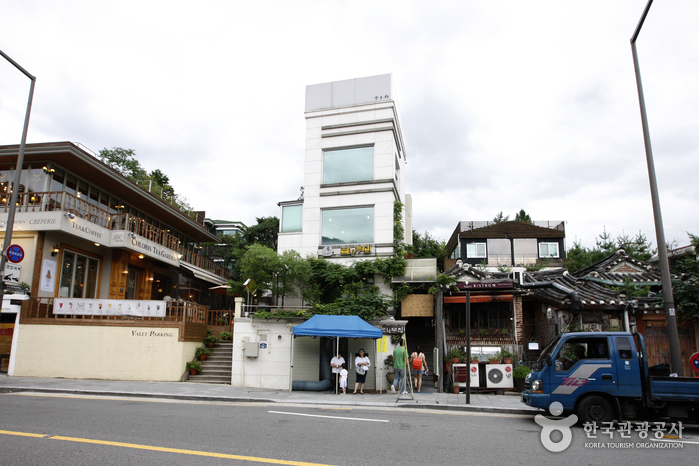
Nunnamujip is famous for a North Korean dish called, “Kimchi mari guksu”, which is a noodle dish in cold kimchi soup containing toasted laver, a boiled egg, and sesame. The soup is refreshingly cold and a little spicy. For “Kimchi mari bap”, a bowl of rice is put into cold kimchi soup instead of noodles. The taste is very unique. In addition to Kimchimari, “Tteokgalbi” is a popular dish on the menu as well.
The main restaurant is located in the basement, which has only limited seating capacity with a few tables. As a result, many people usually wait in line for lunch or dinner. A second franchise has opened in a three-story building across the street. To enjoy a quaint atmosphere, the first establishment is better, but the new one’s interior design is much more modern and fancier, giving it a fresh altering look.
Darakjeong (다락정)
2021-03-26
131-1, Samcheong-ro, Jongno-gu, Seoul
+82-2-725-1697
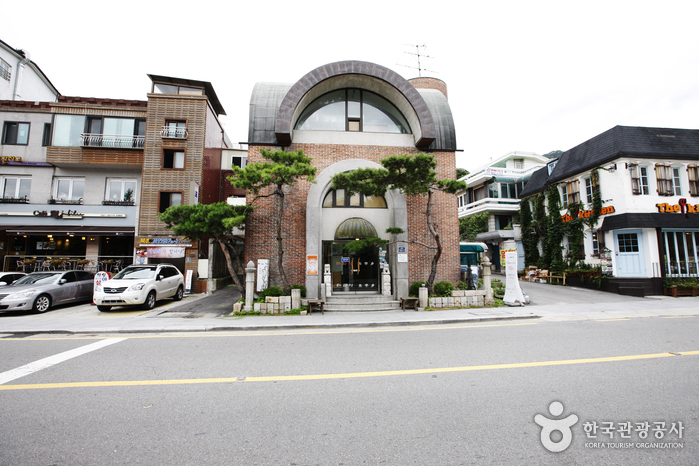
Darakjeong has been popular for a long time because of the simple taste of its traditional Mandu (Korean stuffed dumpling). Since its opening in 1991, tasty soup and scrumptious Mandu have been served. A fist-sized Mandu is fully packed with seasoned meat, bean-curd, and various vegetables. Its thick dough makes it chewy and delightful. For one person, “Manduguk”(boiled dumpling soup) is a good choice. The delicious and nourishing taste of Mandu goes well with the sweet, spicy, and fresh taste of the soup. Manduguk is served in a brass bowl which keeps the food warm while eating. For a large-size group, “Mandujeongol” cooked with various vegetables in a casserole is recommended. There are two types of Mandujeongol that have different tastes. The main characteristic of “Kimchi Mandujeongol” is its spicy flavor, which reminds people of the refreshing taste of Kimchi soup, and “Tojang Mandujeongol” expounds on the savory taste of bean-paste soup. Tojang means folk soybean-paste. “Nokdujeon”(a Korean pan-fried dish with green mung bean) is another famous dish at Darakjeong, which is pan-fried with a very light seasoning to emphasize the original taste of Nokdu (green mung bean). Salted oysters with hot pepper are served with Nokdujeon instead of soy sauce, which is a perfect match.
Samcheongdong Sujebi (삼청동수제비)
2019-06-13
101-1, Samcheong-ro, Jongno-gu, Seoul
+82-2-735-2965
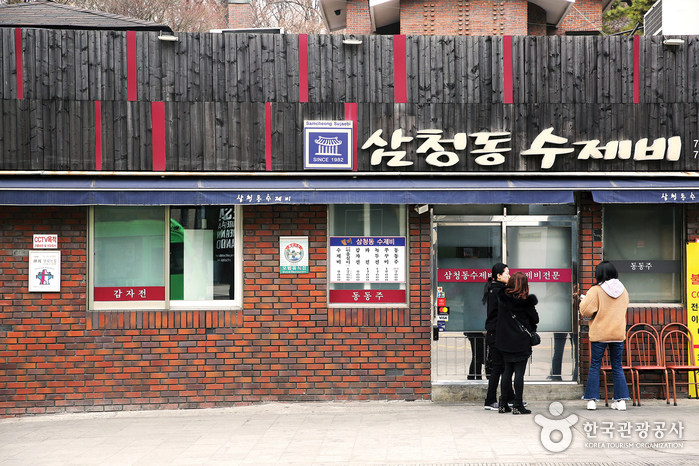
Get off the subway at Gyeongbokgung Station (Subway Line 3), follow the wall of the Gyeongbokgung Palace and you'll find yourself facing a street with majestic trees whose foliage changes every season. This street leads directly to Samcheong-dong. As you enter Samcheong-dong and walk towards the Samchong-dong Tunnel, you'll come across Samcheongdong Sujebi, located right next to the Prime Minister Legation.
Samcheongdong Sujebi became a hit among Japanese tourists, after being featured in a popular Japanese magazine. The main dish here is, of course, sujebi (a traditional Korean soup consisting of chunks of dough and various vegetables). It comes in a pot full of sliced pumpkin, clams, and potatoes. This delicious soup is so tasty that there's almost always people lined up outside the restaurant. Other popular items include dongdongju (traditional Korean liquor) and gamjajeon (a Korean potato pancake that uses only potato starch and no other ingredients).
Seoureseo Duljjaero Jalhaneunjip (The Second Best in Seoul) (서울서둘째로잘하는집)
2020-06-16
122-1, Samcheong-ro, Jongno-gu, Seoul
+82-2-734-5302
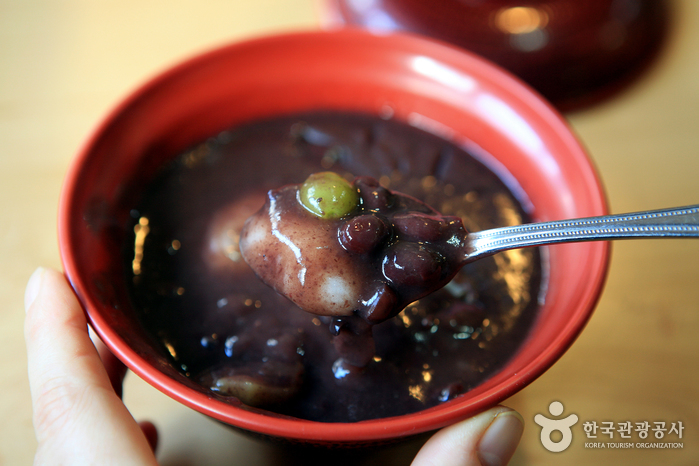
The delicious, sweet, red-bean soup called “Danpatjuk” in Korean and served at “The Second Best in Seoul” has been an all-time favorite since it opened in 1976. Not only the exterior, but the interior as well, is very simple and modest, similar to a teahouse in the '70s. This does not keep people from coming back because the unforgettable taste of the sweet red-bean soup makes them return again and again.
“The Second Best in Seoul” was originally opened as a teahouse for traditional Korean medicinal tea; sweet red-bean soup being one of the main specialties on their menu list. But, nowadays, sweet red-bean soup has become the most popular menu item. Sweet red-bean soup can be enjoyed as a light meal because it fills you up quickly. In addition, the chestnuts, gingko nuts, red beans, and glutinous rice cake that are in the thick red-bean soup provide good nutrition.
TIP: The name is very special, right? “The Second Best in Seoul” was named by their modest mind of making food with utmost sincerity.

Odaesan Gagneun Gil (오대산가는길)
2016-09-05
118-15, Jingogae-ro, Jinbu-myeon, Pyeongchang-gun, Gangwon-do
Located in front of Mt. Odaesan next to the Hotel Odaesan, you will find this restaurant Odaesan Gagneun Gil which has a beautiful flower garden.
In the backyard, you will find the tall fir trees surrounding the restaurant.
Once you walk inside the restaurant, you will find famous paintings by Kim Hong-Do and ceilings covered with the Korean traditional kites.
Of course, the meals served are first-rate and the restaurant also offers accommodations, thus making it an excellent place for a romantic weekend getaway.
Overall a superb restaurant.
Dongho Hoegwan (동호회관)
2016-09-05
128-1, Jucheong-ri, Gangbyeon-myeon, Yangyang-gun, Gangwon-do
Located near Naksansa Temple, Dongho Hoegwan is the place where you can view a vast cornfield and majestic Mt. Seoraksan.
It has been in business for over 20 years and the staff is quite friendly and welcoming.
The house special ‘dolsotbap’ (nutritious rice cooked in a stone pot) is prepared with the pure mineral water from the Oseakyaksu Springs so the rice is green when it is served.
A variety of wild green salads are offered as side dishes as well as ‘ojingeo hoe muchim’ (uncooked squid salad).In the summer, the second floor is offered for accommodation.
 Français
 한국어
한국어 English
 日本語
日本語 中文(简体)
 Deutsch
 Español
 Русский


