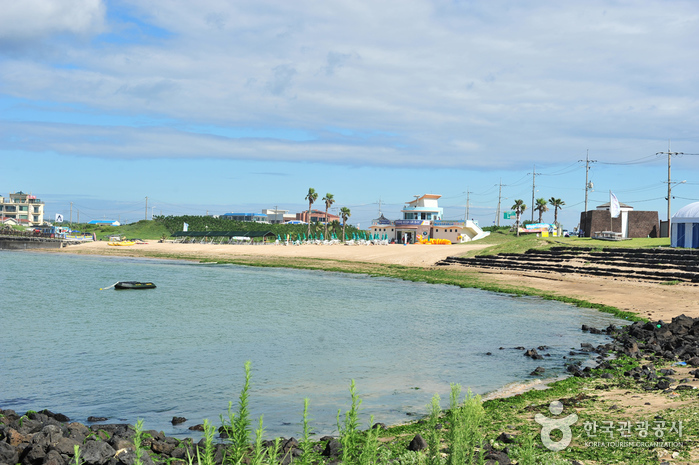
Sinyang Seopji Beach (신양 섭지해수욕장)
2022-08-10
107, Seopjikoji-ro, Seogwipo-si, Jeju-do
+82-64-740-6000
Sinyang Seopji Beach is not yet a popular tourist attraction, leaving the fine-grained, sandy beach relatively untouched. Thanks to its quiet atmosphere, the beach gives visitors a calmer, more secluded beach experience than some of the larger beaches on Jeju.
The 80-meter-wide, crescent-shaped beach stretches for a total length of 300 meters. Bordered by waters that are only an average of one meter deep, the beach gently slopes at a five degree angle. Known for its small waves, the beach is the perfect spot for children.
Windsurfing is available nearby and popular tourist attractions such as Seongsan Ilchulbong Tuff Cone and Seopjikoji are located in the area.
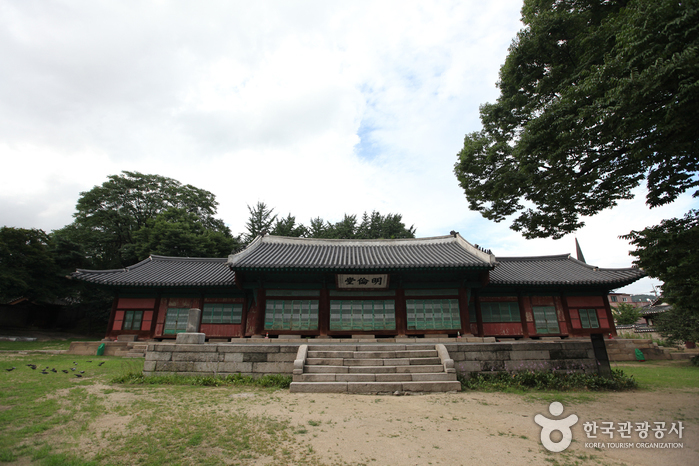
Munmyo Confucian Shrine and Seonggyungwan National Academy (서울 문묘와 성균관)
2020-03-31
31, Seonggyungwan-ro, Jongno-gu, Seoul
+82-2-760-1472
Munmyo is a shrine dedicated to Confucius, whose teachings form the foundation of Confucianism. It is also dedicated to his disciples and other great Confucian scholars. Munmyo is not only the shrine but also the highest educational institution of the Joseon dynasty. Munmyo was once called as Munseonwangmyo since during the Tang dynasty, Confucius was named as King Munseon after his death and then it has been called as Munmyo since the Yuan dynasty.
The compound consists of two main areas: the Daeseongjeon houses shrines and the Myeongnyundang features seminar halls and other auxiliary facilities. Also, there are two dormitories, Dongjae and Seojae, which are collectively known as Sungkyunkwan. In front of the Myeongnyundang stands a ginkgo tree designated as Natural Monument No. 59. In spring and autumn, a ritual for Confucius and his disciples takes place.
![Gwandeokjeong Pavillion (Jeju) [관덕정(제주)]](http://tong.visitkorea.or.kr/cms/resource/75/2513575_image2_1.jpg)
Gwandeokjeong Pavillion (Jeju) [관덕정(제주)]
2024-03-15
19 Gwandeok-ro, Jeju-si, Jeju-do
+82-64-740-6000
One of the oldest buildings in Jeju, Gwandeokjeong Pavilion was established in 1448 by the magistrate of Jeju with the purpose of training local soldiers. This historical edifice is renowend for its intricately painted girders, adorned with murals depicting the ten symbols of longevity, scenes from the Battle of Red Cliffs, and hunting imagery. Additionally, the pavilion's signboard is reputed to feature the handwriting of Prince Anpyeong, a notable figure from the Joseon era. Gwandeokjeong Pavillion is part of the Jeju-mok Government Office complex.
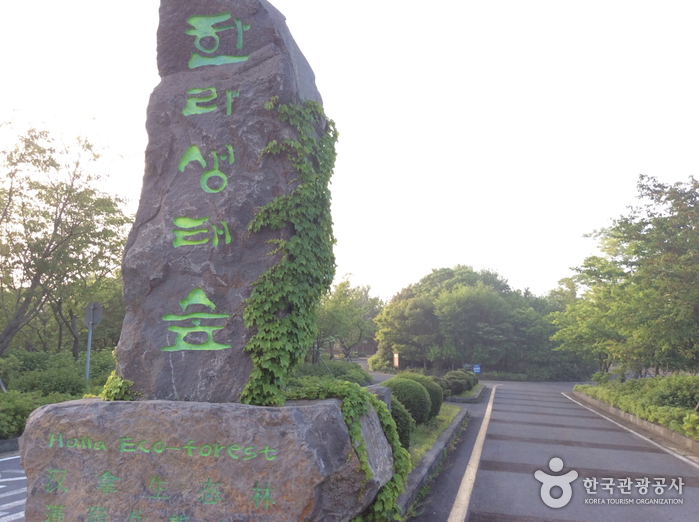
Halla Ecological Forest (한라생태숲)
2021-06-11
2596, 516-ro, Jeju-si, Jeju-do
+82-64-710-8688
Spanning 196 hectares, Halla Ecological (Eco) Forest is home to 288,000 trees representing 333 indigenous plant species. Having been designated as a conservation area, the forest provides plenty of great opportunities to observe and learn about Jeju's diversified ecosystem through various facilities including an observatory, plant nurseries, walking trails, and more. The forest also features 13 themed forests with low-impact facilities to preserve the essence of the forest. Visitors can sign up for the forest experience program to enjoy the walking trails within the forest.
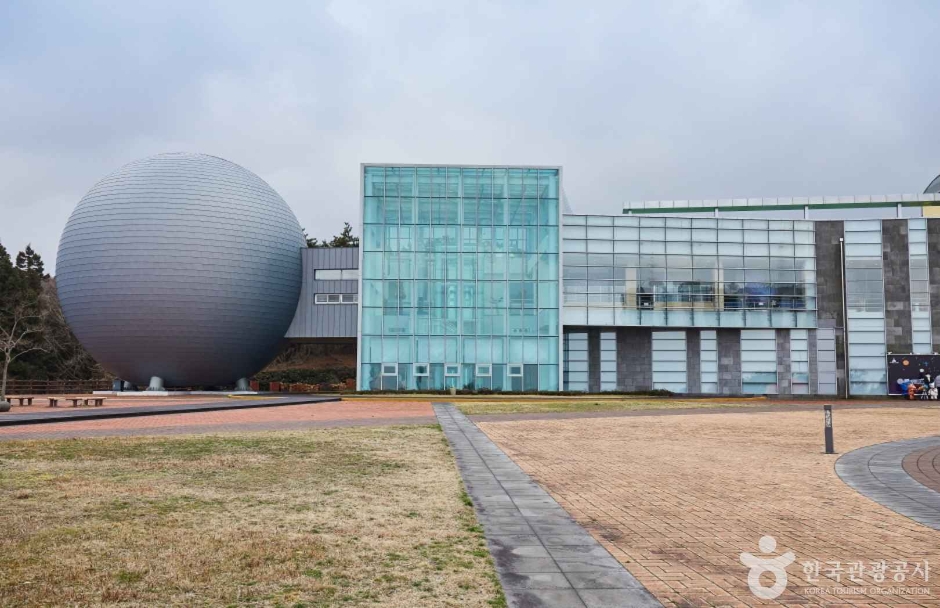
Jeju Starlight World Park and Planetarium (제주별빛누리공원)
2025-08-08
60 Seondolmokdong-gil, Jeju-si, Jeju-do
+82-64-728-8900
Jeju Starlight World Park and Planetarium is an astronomical theme park offering the opportunity to observe realistic images of the universe through its 4D theater and planetarium. The park has various exhbitions related to the solar system and interactive activities. On a clear night, visitors can observe of distant planets and star clusters using astronomical telescopes at the observatory. Even when the observatory is closed, the planetarium's location at the rural hilltop allows visitors to enjoy stargazing and the view of downtown's city lights.
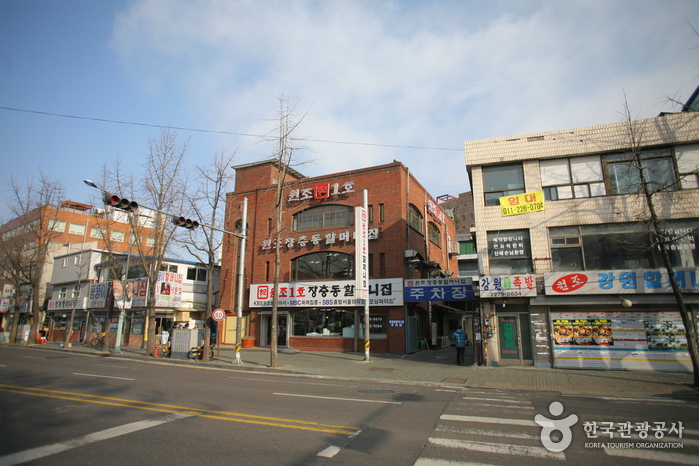
Jangchung-dong Jokbal Street (장충동 족발 골목)
2019-09-26
176, Jangchungdan-ro, Jung-gu, Seoul
+82-2-2236-9135
The phenomenon of Jangchungdong Jokbal Street started 50 years ago with the opening of two Korean jokbal (steamed pig trotters) restaurants, followed by the influx of new jokbal restaurants during the late 70s and early 80s.
Today, the jokbal restaurants continue to serve one of the most sought Korean food from the main road and the alleyways of the Jangchungdong 1(il)-ga Street area.
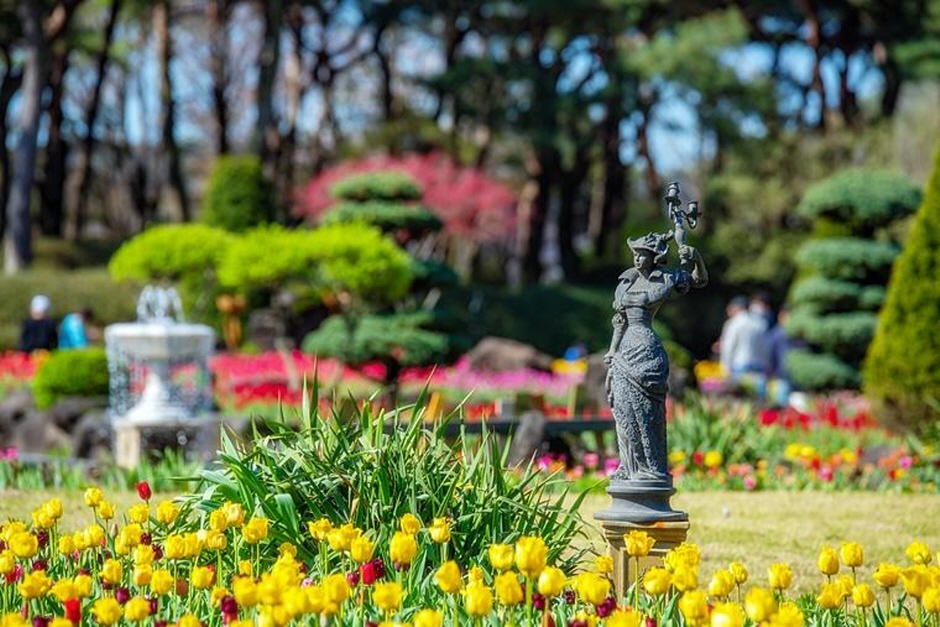
Byukchoji Gardens (벽초지수목원)
2025-10-23
242 Buheung-ro, Gwangtan-myeon, Paju-si, Gyeonggi-do
+82-31-957-2004
Byukchoji Gardens is made up of a Korean-style and a European-style garden. It is home to nearly 1,400 species of plants. Each garden is organized under a single theme, such as mythology, adventure, and freedom. Byukchoji Gardens also features walking trails, ponds, greenhouses, and lawns. Byukchoji Pond has a Lotus Flower Garden with lotus flowers blooming. Visitors can walk on the trails built above the pond to examine the flowers up close. Nearby tourist sites include Bakdalsan Mountain, Paju Book City, and the Paju Samneung Cluster, a UNESCO World Heritage site.

Anmyeon Beach (안면 해수욕장)
2021-06-30
Jeongdang-ri, Taean-gun, Chungcheongnam-do
+82-41-670-2691
Anmyeon Beach is a 10-minute drive away from Yeonyukgyo Bridge, located in southern Taean. The way to the beach is led by sceneries of mountains and rice paddies. Upon arrival, the view gets replaced with a wide-open sandy beach with small islets scattered across the ocean. Anmyeon Beach is also a popular site for rock fishing and catching clams and baby crabs at low tide.
Namdang Port (남당항)
2024-06-05
Namdang-ri, Hongseong-gun, Chungcheongnam-do
+82-41-630-1224
Namdang Port is a representative port on the West Coast. Known for having plenty of prawn, cockle, flat fish, rock fish and other types of seafood, the port draws visitors all year round. Cockles in particular are a local delicacy, usually enjoyed as cockle shabu shabu or charcoal-grilled cockle. A nearby attraction to visit is the bamboo grove of Jukdo Island
Ssangyonggul Cave (Hallim Park) (쌍용굴 (한림공원))
2022-09-13
300, Hallim-ro, Jeju-si, Jeju-do
+82-64-796-0001
Ssangyonggul Cave, a designated Natural Monument, is one of the representative lava tubes of Jeju Island along with Hwanggeumgul, Socheongul, and Manjanggul caves. The cave measures approximately 400 meters in length, 6 meters in x_width, and 3 meters in x_height. It is thought to have been created by lava that erupted from Hallasan Mountain some 25 million years ago.
One of the unique features of this particular cave is that it has features of both a lava tube and a limestone cave. The entire area surrounding the cave is a huge stratum of seashells and sand, while the interior is a mystical mix of stalactites and stalagmites. Lime covers the cave walls in a series of natural swirls and streaks, bringing to mind the strokes of an abstract painting. Since the cave stays at a constant 17-18℃ throughout the year, it’s a welcome escape from the heat in the summer and a great place to warm up in the winter.
The cave gets its name from its two branches, which are said to look like the paths of two dragons (‘Ssangyong’ meaning ‘two dragons’ in Korean). It is thought that Ssangyonggul Cave and Hyeopjaegul Cave were once one cave since the second entrance of Ssangyonggul Cave is so close to the end of Hyeopjaegul Cave.
 English
 한국어
한국어 日本語
日本語 中文(简体)
 Deutsch
 Français
 Español
 Русский


