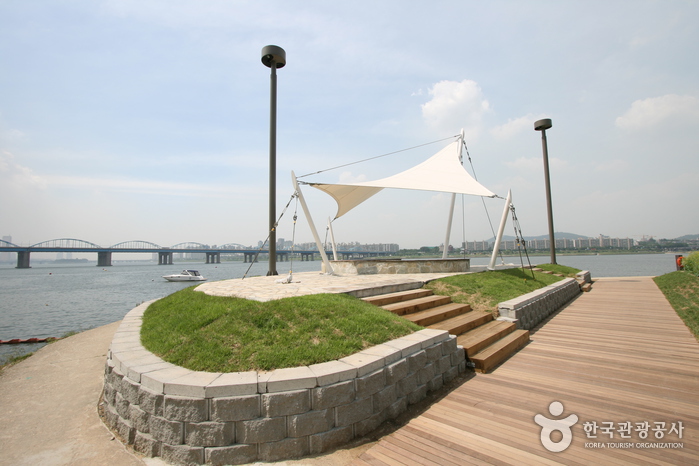
Banpo Seoraeseom Island (반포 서래섬)
2018-02-02
40, Sinbanpo-ro 11-gil, Seocho-gu, Seoul
Banpo Seoraeseom Island is an artificial island built in the mid-1980s. Located in Banpo-jigu District by the Hangang riverside, the island is connected to Hangang Banpo Park by three bridges. The island features weeping willows along the edges, as well as a migratory bird habitat, flower garden, water ski site, and more.
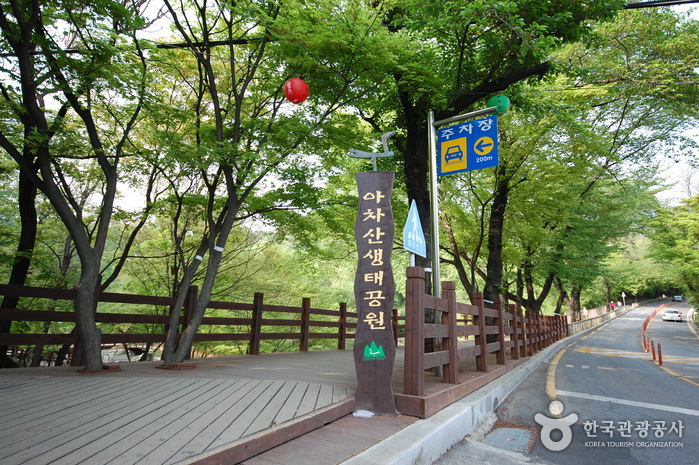
Achasan Ecological Park (아차산생태공원)
2021-05-14
127, Walkerhill-ro, Gwangjin-gu, Seoul
+82-2-450-1655
Achasan Ecological Park was established under the Seoul Metropolitan Government's Five Year Plan for Urban Green Expansion. Through various events and activities, the park provides opportunities to experience and learn about nature and its ecology. Major facilities include Eco Park, Rendezvous Square, Red Clay Road, Barefoot Path, Pine Forest, Mineral Spring, Eco Trail and pergolas.
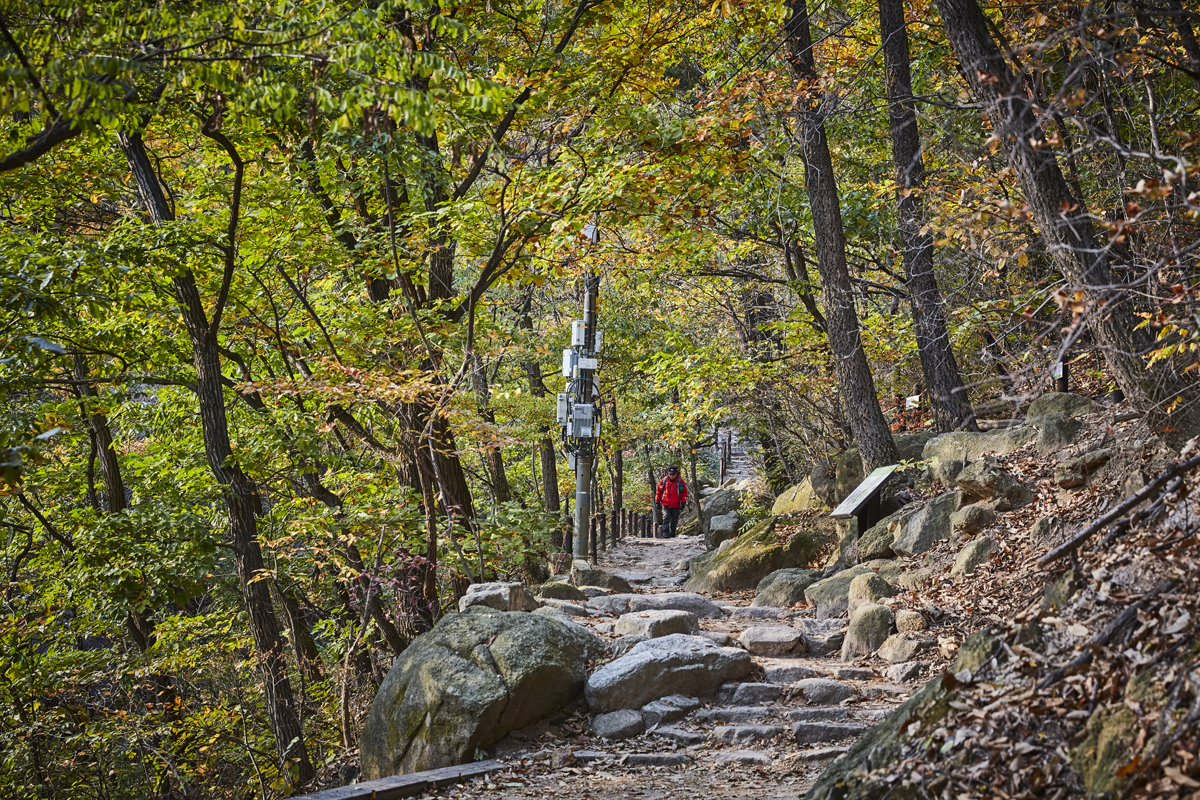
Bukhansan National Park (Seoul District) (북한산국립공원(서울))
2024-11-27
262 Bogungmun-ro, Seongbuk-gu, Seoul
+82-2-909-0497
Bukhansan Mountain was officially designated as a national park in 1983. Bukhansan National Park covers both Bukhansan and Dobongsan Mountains, and spans a total area of 80.699 ㎢. At the top of Bukhansan Mountain are Baegundae Terrace (835.6 m), Insubong Peak (810.5 m) and Mangyeongdae Terrace (799.5 m), which gave the mountain the nickname "Samgaksan" or the "three-horned mountain." The mountain had other names: Sambongsan (mountain with three peaks), Hwasan (flower mountain), and Buaak (mountain shaped like a person giving a baby a piggyback ride). The current name, Bukhansan, was given after the Bukhansanseong Fortress was built under King Sukjong of the Joseon dynasty.
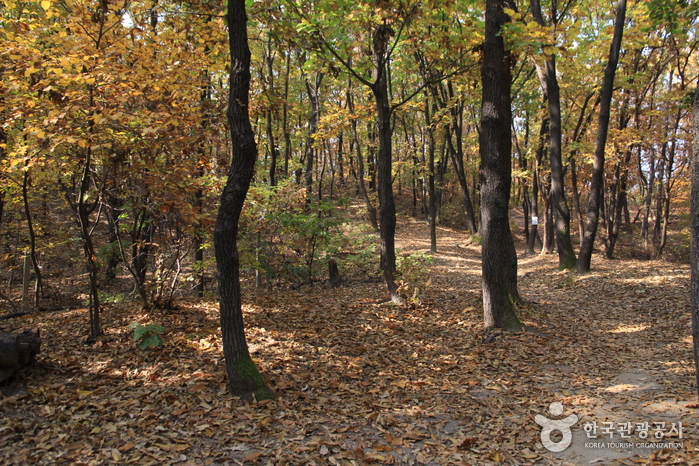
Dobongsan Mountain (도봉산)
2021-06-29
Dobong-dong, Dobong-gu, Seoul
+82-2-954-2566
Dobongsan Mountain, located in the northeastern section of Bukhansan National Park, is known for the magnificent rock formations of the main peak, Jaunbong Peak (740.2 m), as well as Manjangbong, Seoninbong, Jubong, Obong Peaks and Uiam Rock. Seoninbong Peak in particular has 37 hiking courses, including the famous Bakjwi (Bat) Course.
The mountain is also home to Cheonchuksa Temple, the oldest temple in the region, and several other temples including Mangwolsa and Hoeryongsa Temples, as well as a number of beautiful valleys such as Dobonggyegok, Songchugyegok, Obonggyegok and Yeongeocheongyegok Valleys. Dobongsan Mountain is easily accessible by public transportation, making it a popular attraction for people living in Seoul.
Jaunam Hermitage (자운암)
2023-05-08
Gwanak-ro, Gwanak-gu, Seoul
+82-2-882-3839
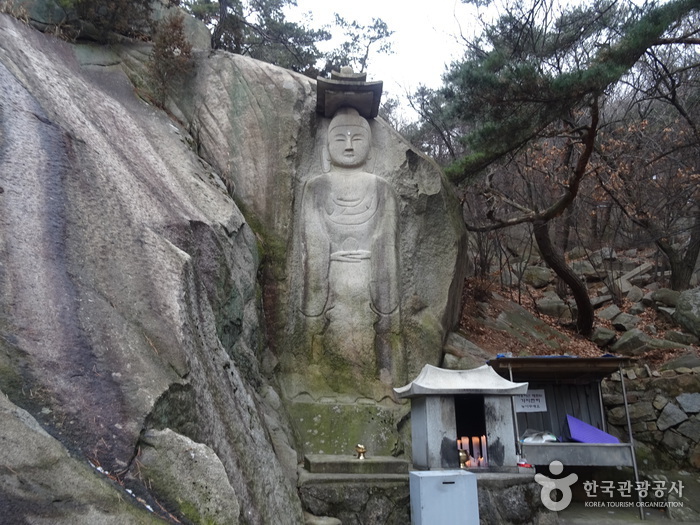
Jaunam Hermitage was originally built in 1396 by Great Monk Muhak of Joseon dynasty. It was renovated in 1734, and finally took shape of the hermitage we know today in 1976 when Monk Boryun added Daeungjeon Hall, Chilseonggak Pavilion, and Sansigak Pavilion. It is currently located in the famous Jahadong Valley on the Seoul National University campus.
Pungnap-dong Toseong Fortress (서울 풍납동 토성)
2025-01-10
Pungnap-dong, Songpa-gu, Seoul
+82-2-2147-2800
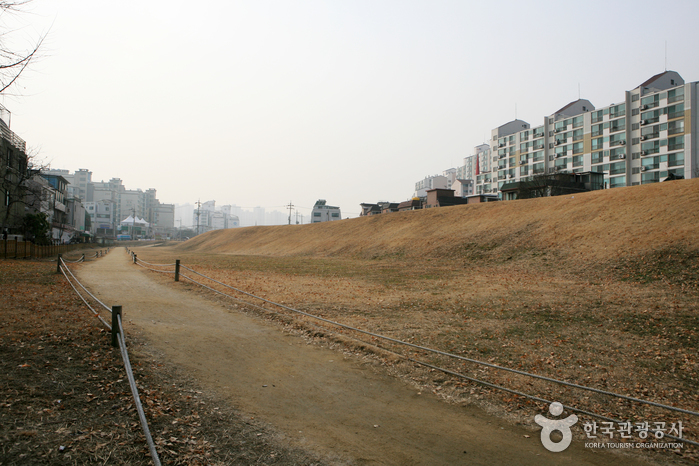
Onjo, the progenitor of Kingdom Baekje, first settled in Wiryeseong Hanam. But exact location is still unknown. One thing for sure, however, is that Pungnaptoseong Fortress, Mongchontoseong Fortress, Bangidong Ancient Tombs of Baekje, Seokchondong Stone Mound Tomb of Early Baekje are the remains of Baekje. Pungnaptoseong Fortress faces Hangang River to its west and connects to Mongchontoseong Fortress to the south. To the northwest faces Achasanseong Fortress over Hangang River and far to the southeast is Namhansanseong Fortress.
Pungnaptoseong Fortress, located at the south end of Cheonhodaegyo Bridge over Hangang River, is one of the remains of Early Baekje. Originally, the fortress was 4km in circumference, but due to massive overflowing of Hangang River during flood season in 1925, most of the fortress was lost and only 2.7km of it remains. To the east of the fortress are 4 vestiges of the fortress gates. The remains from the prehistoric era through the Samguk (Three States) era have been unearthed, indicating that this place was a residential area well before the Baekje Era. Through vigorous excavation, some people suggest that there used to be a palace located here during the Baekje Era.
Choamsa Temple - Yeongju (초암사(영주))
2020-03-27
330, Jukgye-ro 315beon-gil, Yeongju-si, Gyeongsangbuk-do
+82-54-633-2322
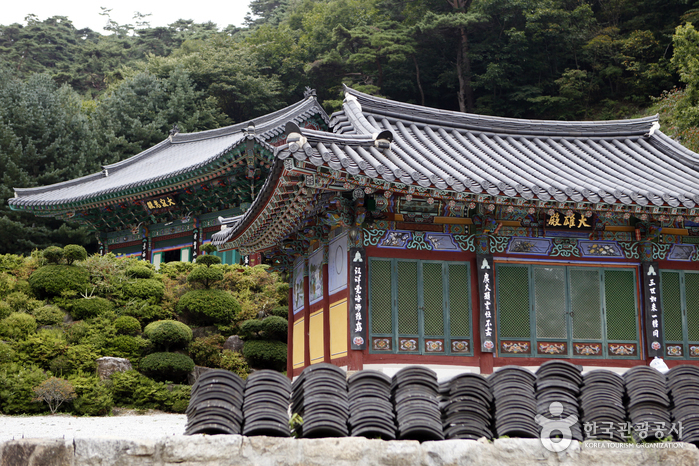
In search of a great place to build a Buddhist Temple invoking national security, Great Monk Uisang travelled around the country and reached this place. He built a small thatched hut here for a temporary stay and continued his search. Finally, he found a perfect place and built Buseoksa Temple. He also set up another temple in the site where his small thatched hut was and called it Choamsa Temple. Choamsa Temple is located below the valley in the south of Gungmangbong Peak of Sobaeksan Mountain. After the Korean War, the temple building had to be rebuilt, but it managed to preserve some of Provincial Tangible Cultural Asset including Samcheung Seoktap (a three-storied stone pagoda; Tangible Cultural Property 126), Dongbudo (East Stupa; Tangible Cultural Property 128) and Seobudo (West Stupa; Tangible Cultural Property 129).
* Jukgyegugok Valley
The valley stretching from Baejeom-ni to Choamsa Temple is called Jukgyegugok which Sobaeksan Mountain surrounds like a folding screen. Near the valley, one can find famous tourist attractions such as the Sosuseowon Confucian Academy and Buseoksa Temple. Toegye Yi Hwang came up with the name Jukgyegugok inspired by the fantastic scenery of the valley and the beautiful sound of the flowing water.
Seonggwansa Temple (성관사)
2024-04-07
492-83, Jangmu-ro, Jangsu-gun, Jeonbuk-do
+82-63-353-0396
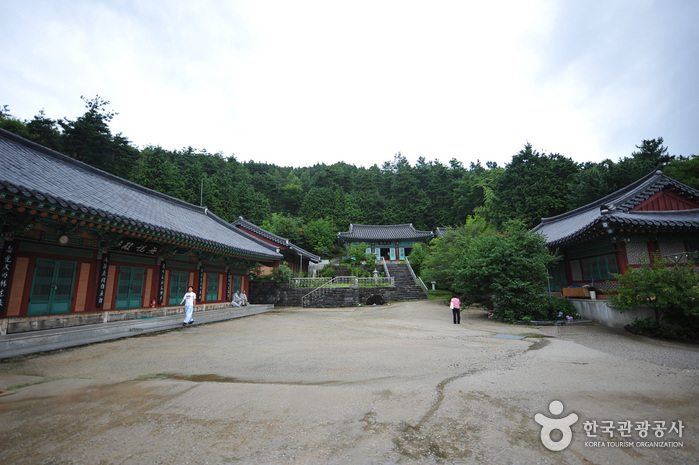
Seonggwansa Temple is located in Jangsu-gun in Jeollabuk-do. It is said that the temple was established during the Goryeo dynasty (918-1392). The temple was designated as a traditional temple in July 1999.

Osaek Mineral Spring (오색약수터)
2022-12-22
Osaek-ri, Yangyang-gun, Gangwon-do
+82-33-672-2883
Osaek Mineral Spring is situated 20 kilometers west of Yangyang and 7.5 kilometers southeast from Hangyeryeong Pass. The water, which springs from three base rocks by a brook, is carbonated and rich in iron. Up to 1,500 liters of iron-rich water spring out on a daily basis. Osaek became well known due to the splendid landscape leading up to the mineral spring and its location on the way to the summit of Seoraksan Mountain.
Huibangsa Temple (Yeongju) (희방사(영주))
2024-03-08
278 Jungnyeong-ro 1720beon-gil, Punggi-eup, Yeongju-si, Gyeongsangbuk-do
Huibangsa Temple is a temple located at an altitude of 850 meters in a valley south of Yeonhwabong Peak within Sobaeksan National Park. Founded in 643, it preserves the first Korean Buddhist scripture, the "Worinseokbo," and traditional Korean architectural styles. Surrounding areas are adorned with Sobaeksan Mountain's forests, offering opportunities for forest bathing and hiking. Flowing through the valley is a stream, adjacent to which stands the Huibangpokpo Falls, towering at 28 meters high.
 English
 한국어
한국어 日本語
日本語 中文(简体)
 Deutsch
 Français
 Español
 Русский


