
Yeongdodaegyo Bridge (영도대교)
12.9Km 2023-04-22
46, Taejong-ro, Yeongdo-gu, Busan
+82-1670-8114
Yeongdodaegyo Bridge, connecting Nampo-dong and Yeongdo Island, was the first bridge to connect the mainland to one of the nearby islands in Busan. The bridge lifted to allow ships to pass between the south and north ports, and made a passage for ships anywhere from two to seven times in one day. When the bridge was first constructed, many people would gather to watch the strange spectacle of a bridge rising up to point to the sky. The bridge remains a famous landmark of Busan even to this day.
Taejongdae Cliffed Coast [National Geopark] (태종대 (부산 국가지질공원))
12.9Km 2024-04-26
24 Jeonmang-ro, Yeongdo-gu, Busan
Taejongdae Cliffed Coast was formed by many layers of rock being forced together beneath a lake during the Cretaceous period, and then worn away over time by the sea. The coast features many geological formations, including sea caves and uniquely shaped rocks. Visitors can enjoy walking on the forested paths, or take the train course to easily access Taejongdae Observatory and Yeongdo Coastal Culture Space.
MLB - Gwangbok Branch [Tax Refund Shop] (엠엘비 광복점)
12.9Km 2024-04-23
72-1, Gwangbok-ro, Jung-gu, Busan
-
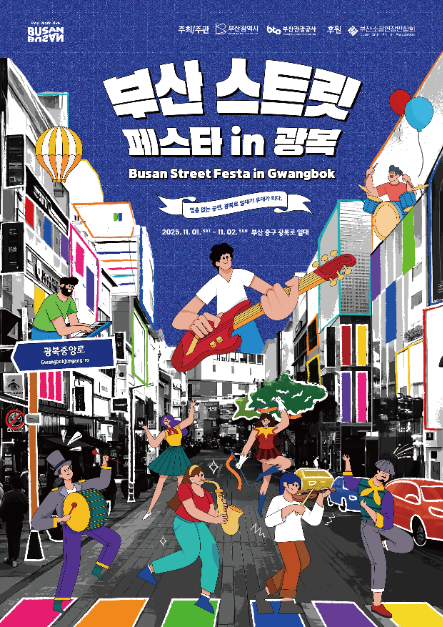
Busan Street Festa in Gwangbok (부산 스트릿 페스타 인 광복)
12.9Km 2025-11-05
72-1 Gwangbok-ro, Jung-gu, Busan
+82-70-4808-2875
The Busan Street Festa in Gwangbok transforms everyday urban spaces into a festival stage through various programs such as music, dance, performance shows, local flea markets, and parades that unfold throughout the streets.
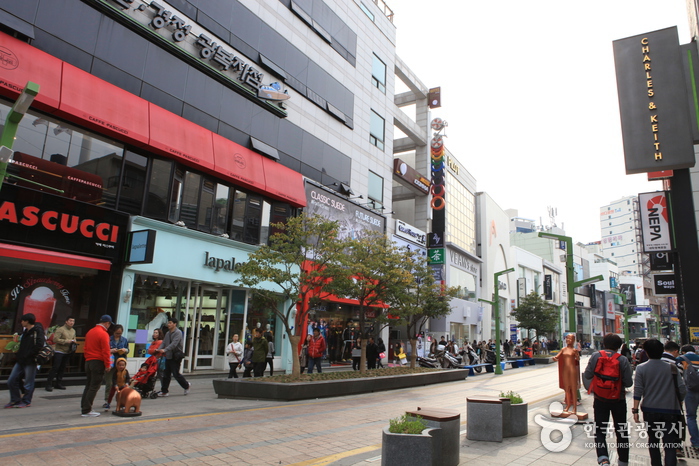
Gwangbok-dong Cultural & Fashion Street (광복로문화패션거리)
13.0Km 2024-03-06
Gwangbok-ro, Jung-gu, Busan
+82-51-253-8253
Gwangbok-dong Cultural & Fashion Street is about 600 m long from the entrance to Gukje Market. The street has historically featured many clothing shops, and it is quite crowded at night or on weekends. Every December, the area also hosts the Busan Christmas Tree Cultural Festival, which turns the street into a pedestrian-only area. There are plenty of good restaurants in the area, which is a great place to feel the vitality and energy of Busan’s youth.
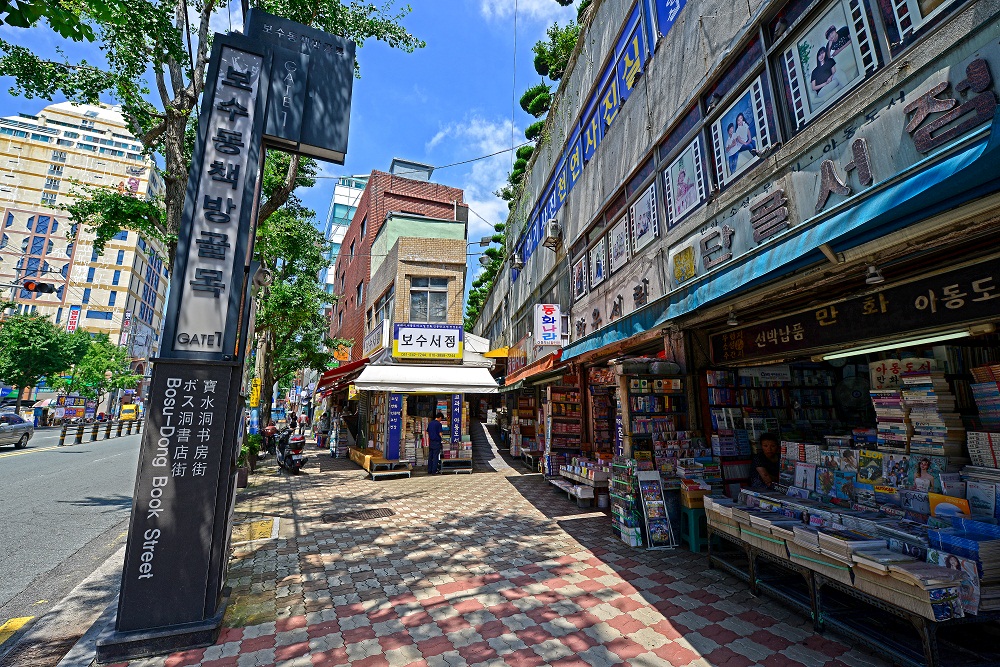
Bosu-dong Book Street Cultural Center(보수동 책방골목 문화관)
13.0Km 2023-01-09
8, Chaekbanggolmok-gil, Jung-gu, Busan
+82-51-743-7650
[The used bookstore that sells memories]
Bosu-dong Book Street has a unique background. It was formed after the independence of Korea (August 15) as a residential area in the empty place where the previous Gukje Market was demolished. Book stores began opening one-by-one and soon the street became known as Bosu-dong Book Street. The street is popular amongst booklovers for their used books as well as new books, and amongst travelers for the street’s unique atmosphere. Many young adults also frequent the street because there are many specialty shops for comic books. Every year, the Bosu-dong Culture Festival takes place and visitors can participate in events such as, make-your-own book cover, make-your-own book, and so on. The festival not only gives an opportunity to learn about the history of Bosu-dong Book Street, but have a good time as well.
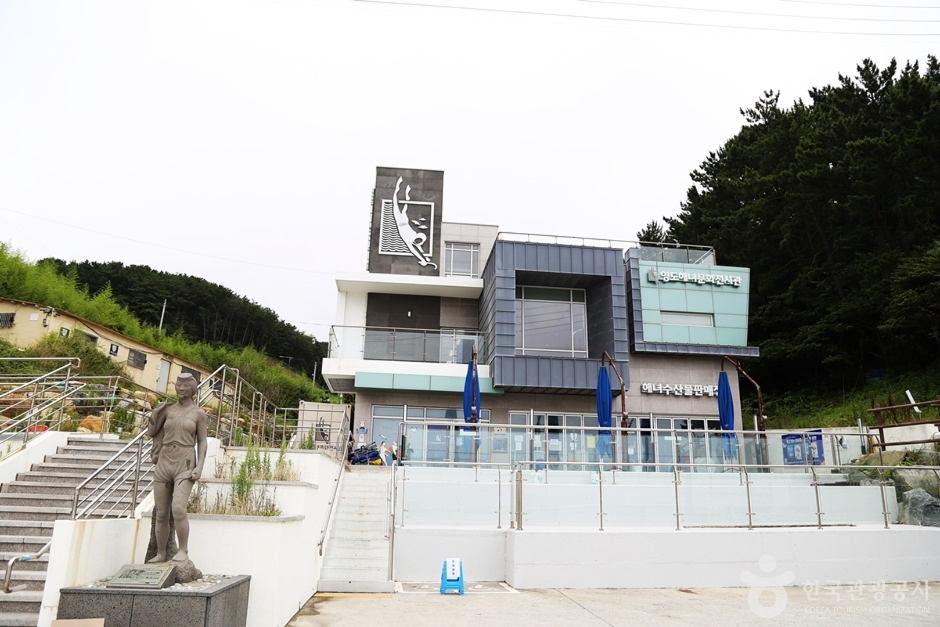
Yeongdo Haenyeo Culture Exhibition Hall (영도해녀문화전시관)
13.1Km 2024-12-27
+82-51-419-4505
Yeongdo Haenyeo Culture Exhibition Hall is a two-story building with meaning and history Haenyeo on display. Haenyeo are women divers that dive for seafood without any equipments.
The tradition of Haenyeo has become a UNESCO Intangible Cultural Heritage of Humanity. First floor of the building consists Haenyeo seafood store that sells fresh seafood collected by the Haenyeos, while the second floor is an exhibition hall dedicated to Haenyeo.
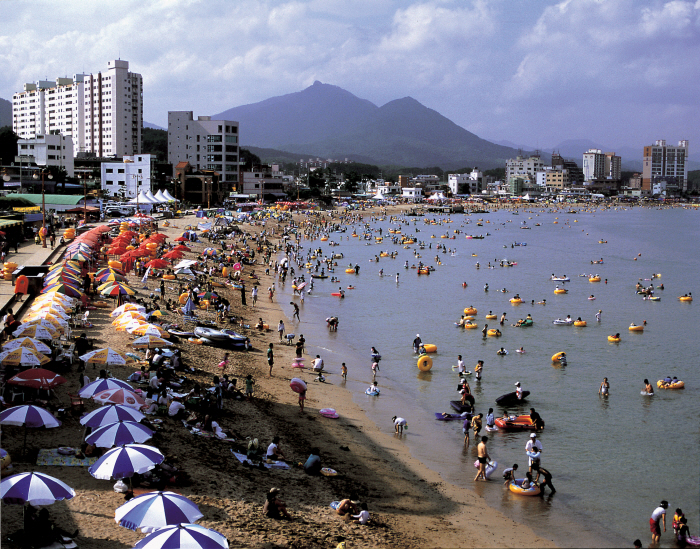
Ilgwang Beach (일광해수욕장)
13.1Km 2021-07-05
17, Samseong 3-gil, Gijang-gun, Busan
+82-51-709-4000
Ilgwang Beach is a popular beach for families with a white sandy beach and Gangsongjeong Pine Tree Forest. With shallow waters and a clear view of the ocean, there is also Samseongdae Pavilion built during the late Joseon dynasty. There are numerous accommodation, dining and convenience facilities near the beach as well as a place to fish. Moreover, Ilgwang Beach hosts a festival annually in late July or early August.
Gukje Market (국제시장)
13.1Km 2025-10-23
Area of Sinchang-ro 4-ga, Jung-gu, Busan
+82-51-245-7389
The current marketplace of Gukje Market first formed after the liberation of Korea from the Japanese administration when people gathered to trade overseas products left by the Japanese and brought in by Koreans who came back from abroad. Following the Korean War, refugees who fled to Busan set up stalls in order to make a living by selling smuggled or imported products, which developed into Gukje Market (gukje meaning "international" in Korean) of today. Gukje Market is one of Korea’s largest markets and a testament to Korea's modern history. The market is divided into two wings, and first-timers to the market are advised to be careful not to get lost in the maze-like alleys and halls.
Samsong Chobap (삼송초밥)
13.1Km 2025-01-23
13 Gwangbok-ro 55beon-gil, Jung-gu, Busan
This is a Japanese restaurant that began in the early 1960s in Nampo-dong. While it is well-known for its Japanese-style gimbap called “gimchobap,” regular patrons consistently order its pufferfish dishes. The bokjiri (malgeuntang) is noted for its rich flavor, achieved by combining seasonal vegetables and pufferfish. The boksashimi (sliced raw pufferfish) menu offers a variety of options, including outer skin, inner skin, and shabu-shabu.
 English
 한국어
한국어 日本語
日本語 中文(简体)
 Deutsch
 Français
 Español
 Русский


