Dongsang Market (동상시장)
16.6Km 2025-10-23
25 Guji-ro 180beon-gil, Gimhae-si, Gyeongsangnam-do
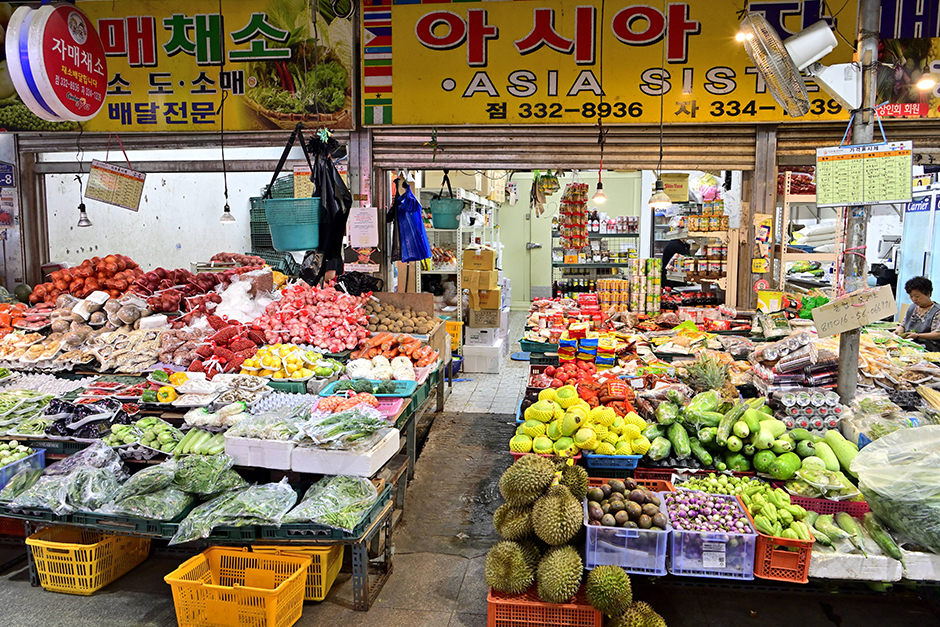
Formed in 1945, Dongsang Market is a lifestyle-centric traditional market that offers a slew of daily necessities like vegetables, fruits, rice cakes, fishery products, and side dishes, as well as a popular alley specializing in Kalguksu (noodle soup). Designated as a cultural tourism market in 2017, it has since evolved into a vibrant space where traditional Korean culture harmoniously coexists with diverse global cultures. As more foreign workers have begun frequenting the market in recent years, a number of Asian grocery stalls have opened. In particular, vegetables favored by Southeast Asian customers, ritual foods, and Kalguksu (noodle soup) have become local specialties.
Kim Deok-kyu Bakery (김덕규베이커리)
16.7Km 2024-01-24
20 Guji-ro, Gimhae-si, Gyeongsangnam-do
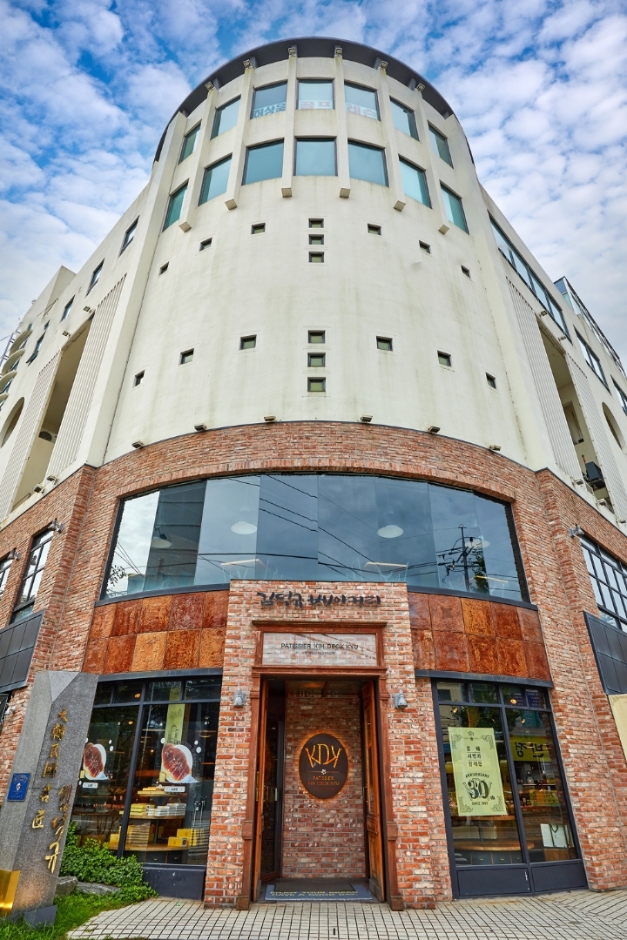
Founded by Kim Deok-kyu, who is a recognized confectionery master, this bakery becomes crowded with people as early as 8 a.m. when it opens. The bakery’s most popular item among a lot of different breads is garlic cream bread, which everyone buys at least once. It is the most delicious one in this bakery, made by cutting a long plain bread into pieces and filling them with garlic cream of sweet condensed milk and soft whipped cream. The coconut milk bun, combined with crunchy biscuits and sweet and soft coconut cream, is also its best-seller..
Jangboksan Sculpture Park (장복산조각공원)
16.7Km 2025-03-22
56-42, Jangboksan-gil, Jinhae-gu, Changwon-si, Gyeongsangnam-do
+82-55-225-7024
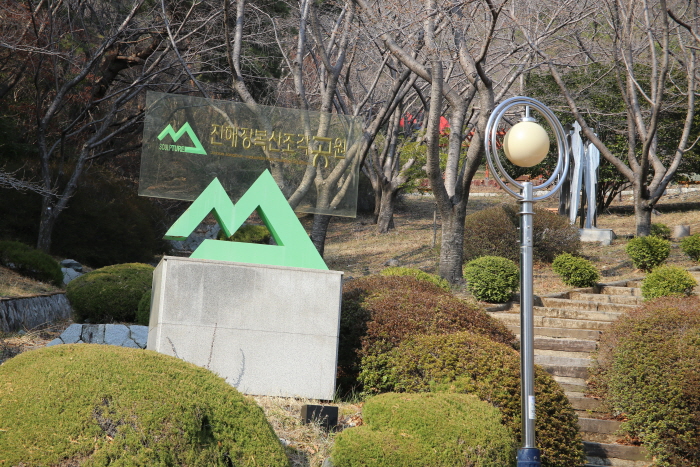
Jangboksan Sculpture Park stands as the unofficial gateway to Jinhae at the end of Jangbok-ro Road between Masan and Jinhae. Built in 1979 in the wake of a mountain landslide, the park offers a panoramic view of Jinhae and its quiet waters. In spring, more than ten thousand cherry trees interspersed throughout the pines come to full bloom, permeating the air with their sweet fragrance.
Nearby attractions include Daegwangsa and Jinheungsa Temples, the Citizens’ Hall, the Gyeongnam Literary Hall, and Jinhae Park Land, located halfway up Jangboksan Mountain. To visit these attractions and explore the beauty of the forest, simply follow the walking trail from Jinhae Girls’ High School to the park (1.5 kilometers) and continue walking along the path from the Jangboksan Rest Area to Gumajin Tunnel (1 kilometer).
Busan Gamcheon Culture Village (부산 감천문화마을)
16.9Km 2025-04-15
203 Gamnae 2-ro, Saha-gu, Busan
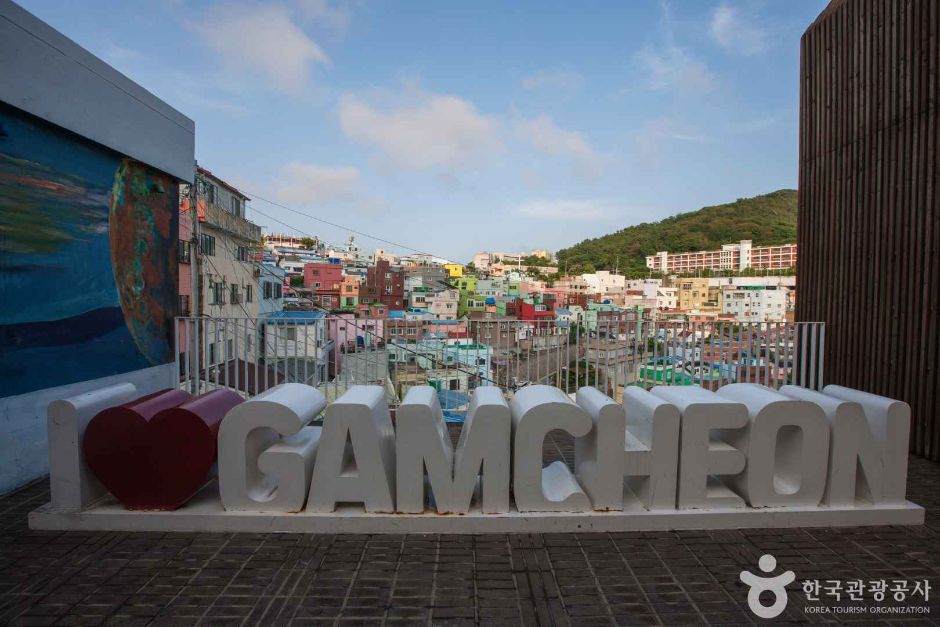
Gamcheon Culture Villiage was formed by refugees of the Korean war who built their houses in staircase-fashion on the foothills of a coastal mountain. The many alleys that cut through this community are vibrantly decorated with murals and sculptures created by the residents. Today, it is a popular attraction in Busan visited by a number of tourists every year.
![Mh Modern House - Homeplus Gimhae Branch [Tax Refund Shop] (MH 모던하우스 홈플러스김해)](http://tong.visitkorea.or.kr/cms/resource/56/2885956_image2_1.jpg)
Mh Modern House - Homeplus Gimhae Branch [Tax Refund Shop] (MH 모던하우스 홈플러스김해)
16.9Km 2024-04-23
2078, Gimhae-daero, Gimhae-si, Gyeongsangnam-do
-
![Homeplus - Gimhae Branch [Tax Refund Shop] (홈플러스 김해)](http://tong.visitkorea.or.kr/cms/resource/59/2885959_image2_1.jpg)
Homeplus - Gimhae Branch [Tax Refund Shop] (홈플러스 김해)
16.9Km 2024-04-18
2078, Gimhae-daero, Gimhae-si, Gyeongsangnam-do
-

Olive Young - Homeplus Gimhae Branch [Tax Refund Shop] (올리브영 홈플러스김해점)
16.9Km 2024-06-27
2F, 2078, Gimhae-daero, Gimhae-si, Gyeongsangnam-do
-
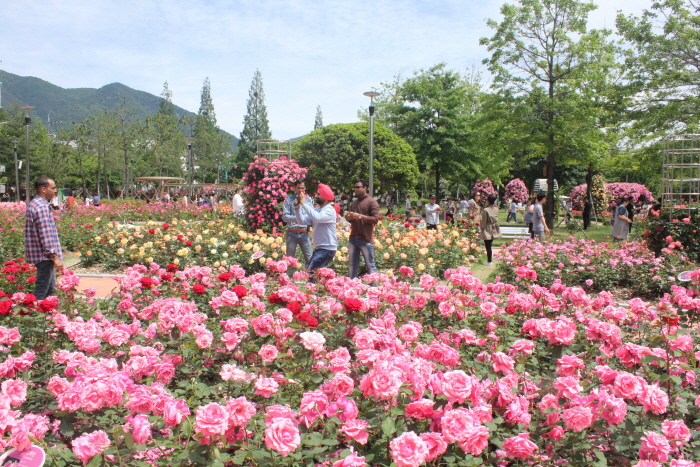
Changwon Rose Garden (창원 장미공원)
17.0Km 2024-02-07
31 Gaeum-dong, Seongsan-gu, Changwon-si, Gyeongsangnam-do
This garden, situated in the heart of Seongsan-gu, Changwon, boasts 23,000 roses representing 98 species from around the world. At its peak in May but blooming late spring to early summer, it becomes a magnet not only for Changwon locals but also for travelers with a penchant for plants. With rose tunnels and benches scattered throughout, it's an ideal spot for a leisurely walk.
Gimhae Arts and Sports Center (김해문화의전당)
17.1Km 2022-12-29
2060, Gimhae-daero, Gimhae-si, Gyeongsangnam-do
+82-55-320-1234
The Gimhae Arts and Sports Center is a performance hall for high-class performances. Maru Hall is a multi-purpose theater that also contains a moving orchestra shell with a sound reflection board for a smaller concert hall inside the theater. Nuri Hall is an experimental theater for performances in a variety of themes. The center also features the outdoor theater Aedureum Madang, Yunseul Art Gallery, Media Center, Sports Center, and Aram Learning Center, as well as a café and restaurants.
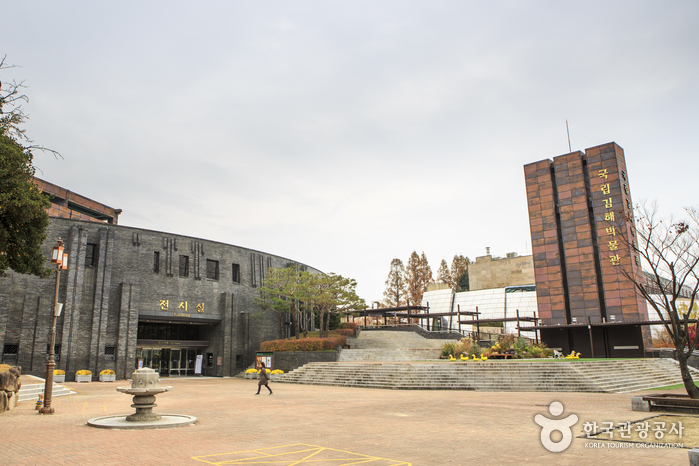
Gimhae National Museum (국립김해박물관)
17.1Km 2024-01-23
190 Gayaui-gil, Gimhae-si, Gyeongsangnam-do
The Gimhae National Museum was opened on July 29, 1998, in order to research and preserve the cultural heritage of the ancient kingdom of Gaya. The museum is at the foot of Gujibong Peak in Gimhae-si, the spot where the kingdom is believed to have been founded. The museum exhibits the cultural assets of Gaya, as well as cultural relics from the prehistoric age in the Busan and Gyeongsangnam-do areas, and the cultural heritage of Byeonhan, which was the foundation for the growth of Gaya.
The exterior of the museum is made using black bricks representing iron ore and charcoal famous during the Gaya Kingdom. There are two exhibition halls, while the walkway to the halls have approximately 1,300 artifacts in display.
 English
 한국어
한국어 日本語
日本語 中文(简体)
 Deutsch
 Français
 Español
 Русский


