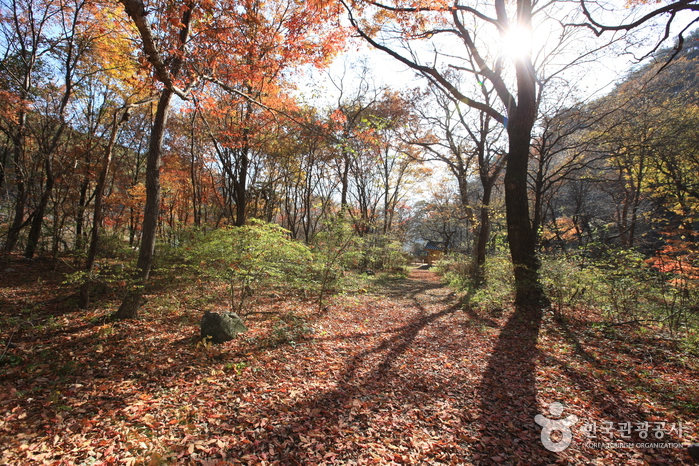
Wonseong Seongnam-ri Tutelary Forest (원성 성남리 성황림)
15.0Km 2023-07-17
Seongnam-ri, Sillim-myeon, Wonju-si, Gangwon-do
The Tutelary Forest in Sillim-myeon, Wonju is a temperate hardwood forest designated as a Natural Monument in 1962, and offers eco-exploration of the tutelary forest as well as forest commentary, meditation and experience programs. More than 90 different species of tree plants grow over an area spanning some 312,993 m2. The people of Seongnam-ri have treated Seonghwangsin of Chiaksan Mountain as the patron saint of the village since the ancient times. It is said that, at midnight of April 8 and September 9 every year on the Lunar calendar, people held rituals in front of the huge fir tree (29 meters tall, 1.3 meters in diameter, 300 years old) standing in front of Seonghwangdang Shrine to which Seonghwangsin descends.
The Tutelary Forest is divided into two sections, each with different species of trees, by a brook in the middle. The area located to the left of the brook grows a variety of acervate deciduous broad-leaved trees, many of which are maple trees that paint the season of fall with gorgeous colors.
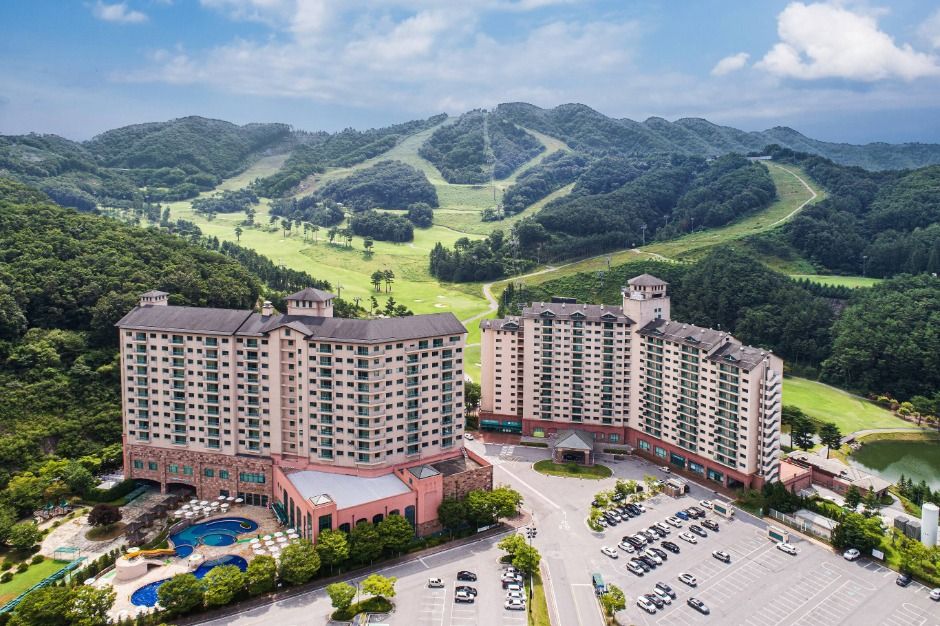
Oak Valley (오크밸리)
15.2Km 2025-10-23
66 Oak valley 1-gil, Wonju-si, Gangwon-do
+82-33-730-3500
At Oak Valley, you can enjoy rest, culture, and sports. The region's four distinctive seasons make it a perfect place to enjoy the landscape throughout the year. Oak Valley offers stunning natural landscapes, dynamic golf courses, ski courses offering thrilling but safe experiences, various leisure and convenient facilities, a Mediterranean-style condominium, culture, and sports. Oak Valley boasts ski courses designed in harmony with nature, eco-friendly course management, balance between several artworks and the courses, and various events.
Additionally, Oak Valley has a 54-hole members-only golf course, a 9-hole public golf course, a premium condominium resort with over 1,000 guest rooms, and a family-friendly premium ski resort with nine slopes. Thus, it is the ideal place to enjoy leisure sports and relaxation throughout the year. The resort also has various other facilities, including banquet halls, a wedding hall, a swimming pool, and tennis courts. Mountain bicycles can be rented here.
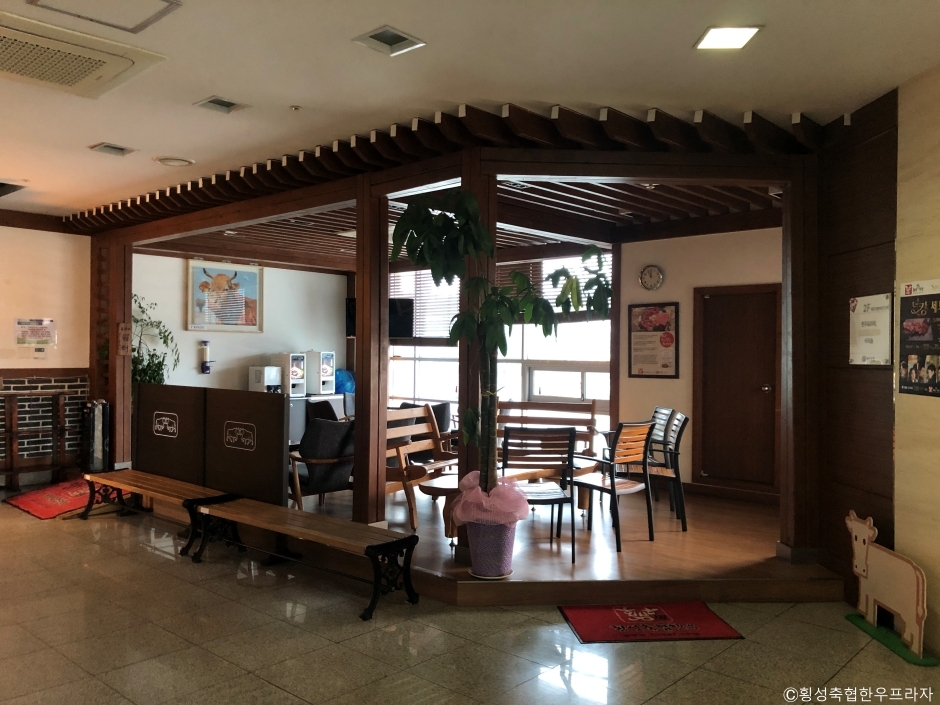
Hoengseong Chukhyup Hanu Plaza Main Branch (횡성축협 한우프라자 본점)
15.4Km 2025-04-22
강원특별자치도 횡성군 횡성읍 횡성로 337
This restaurant is run by Hoengseong Chukhyup (Hoengseong Livestock Cooperative). You can purchase premium cuts of hanu, raised in the Hoengseong region, directly from the counter and grill them in the restaurant. After paying the table setting fees, help yourself to side dishes from the self-serve bar, where refills are also available. The restaurant also offers dishes made with hanu, such as bulgogi and hanutang (Korean beef soup). Other branches can be found in the Ucheon and Saemal areas.

Wonju Bangye-ri Ginkgo Tree (원주 반계리 은행나무)
15.7Km 2023-10-27
42 Banjeori 2-gil, Munmak-eup, Wonju-si, Gangwon-do
The ginkgo tree in Bangye-ri, Wonju has been protected as a natural monument since its designation on January 31, 1964. The exact age of the tree is unknown, but it is estimated to be over 800 years old. The tree reaches a total x_height of 33 meters, with a crown stretching 37.5 meters east-west, and 31 meters north-south. According to the legend about the tree's origin, it was planted by a member of the Seongju Lee family, who stopped for a drink of water here and left his staff standing in the ground when he left. The staff then grew into the tree. Another legend about the tree states there is a white snake living in the tree, which is why it has grown so strong and big today. The local farmers believe they will have a good harvest if the whole tree turns gold in fall.
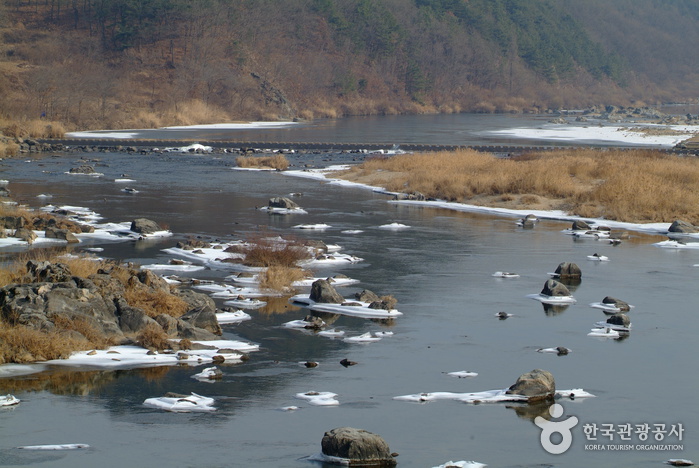
Seomgang River (Seomgang Resort) (섬강(섬강유원지))
16.3Km 2021-01-28
Munye-ro, Hoengseong-gun, Gangwon-do
+82-33-340-2840
Seomgang River crisscrosses the heart of Hoengseong County, flowing on towards Wonju before eventually joining the Namhangang River. The banks of this river are home to a variety of wild flowers, including bright pink royal azaleas that bloom every spring. Gigantic rocks and pine tree forests on each side complete the view. High on the bluff rests Unamjeong Pavilion, overlooking the river and the unfolding vista. Hoengseong's downtown area starts right after crossing Seomgang River on Heongseonggyo Bridge. Nearby attractions like Hoengseong Sports Complex and local resturants specializing in fish stew also attract more tourists to come after sightseeing.
Hoengseong Luge (횡성루지체험장)
16.7Km 2023-07-24
407 , Jeonjae-ro, Hoengseong-gun, Gangwon-do
Luge, also called a land sled, is a non-powered leisure sport that has been transformed into an all-season sled by attaching wheels to one of the sled events in the Winter Olympics. You can enjoy the cool wind while controlling the speed on the luge with the help of gravity without any additional manipulation. A dynamic course was completed by adding various theme sections to the existing road, forest, and nature in the Jeonjae-Ucheon-myeon Owon-ri section of National Road No. 42. As a single course, it is 2.4 kilometers long, the longest in the world, and it is not an artificially twisted S-shaped course, but a course created using actual roads.
Hoengseong Hanugukbap (횡성한우국밥)
16.7Km 2024-02-19
46 Munhwacheyuk-ro, Hoengseong-eup, Hoengseong-gun, Gangwon-do
Hoengseong Hanugukbap is a Korean restaurant that specializes in dishes made with local Hoengseong hanu (Korean beef). The restaurant's signature offering, hanu gukbap (Korean beef and rice soup), is exclusively prepared using Hoengseong hanu, which is renowned for its tender and chewy textures as well as its rich, flavorful juices. The broth, simmered for a long time in a gamasot (cast-iron pot), carries a deep and rich flavor. It's a popular dining spot among both locals and tourists alike.
Woodblock Printing Museum (고판화박물관)
18.8Km 2023-07-17
62 Muran-gil, Wonju-si, Gangwon-do
Opened in 2004, it is the only museum in Korea that specializes in and exhibits old woodblock printings from all around the world. Woodblock Printing Museum collects, stores, exhibits, researches and educates on ancient woodblock materials from many different Asian countries where engravings and woodcuts flourished including Korea, China, Japan, Tibet, Mongolia, India and Nepal. It currently stores over 3,500 individual relics including some 1,800 original woodblocks, 300 old woodblock works engraved as woodcuts, 200 books engraved on woodblocks, and 200 materials related to woodcuts. There is also a permanent woodblock experience hall, which is often utilized as a place to experience and educate those on site who are not satisfied with just seeing the works.
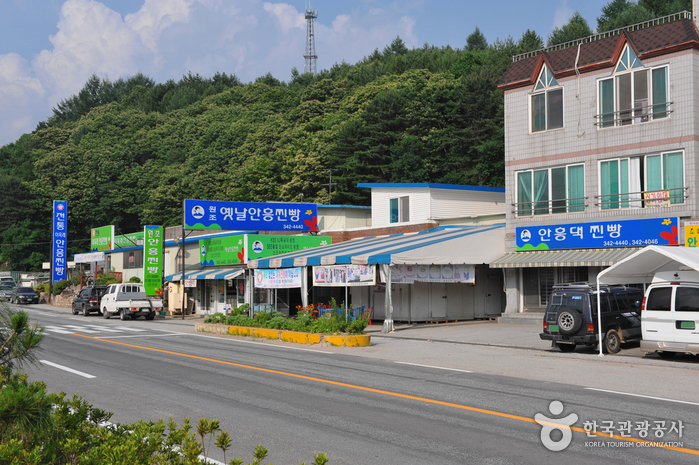
Anheung Jjinppang Village (안흥찐빵마을)
19.2Km 2023-12-27
1088 Seodong-ro, Anheung-myeon, Hoengseong-gun, Gangwon-do
Anheung Jjinppang Village is located along National Highway 42, connecting Seoul and Gangneung. Travelers passing Daegwallyeong on their way to Seoul from the Yeongdong area often stopped here to have a light lunch from old times. Anheung jjinppang (Anheung-style steamed bun) was enough to satisfy their hunger. Over time, Anheung jjinppang has become one of Korea's famous nostalgic snacks.
The Jucheongang River, beginning from Taegisan Mountain and flowing through Yeongwol, offers the proper humid condition perfect for the bun's aging process. As of now, there are over 10 shops dedicated to selling steamed buns in the village. Since the early 1990s, over one million people have come to Anheung Jjinppang Village to get these steamed buns which became popular through word-of-mouth.
Anheung jjinppang is made with high-quality red bean, using the traditional cooking process that creates the homemade flavor, which is immediatedly recognized by the mouth that has become used to instant foods. There are a variety of other traditional foods that are available other than jjinppang. VIsitors can also engage in hands-on progarms at Anheung Jjinppang Morak Morak Village, a cultural center dedicated to Anheung jjinppang.
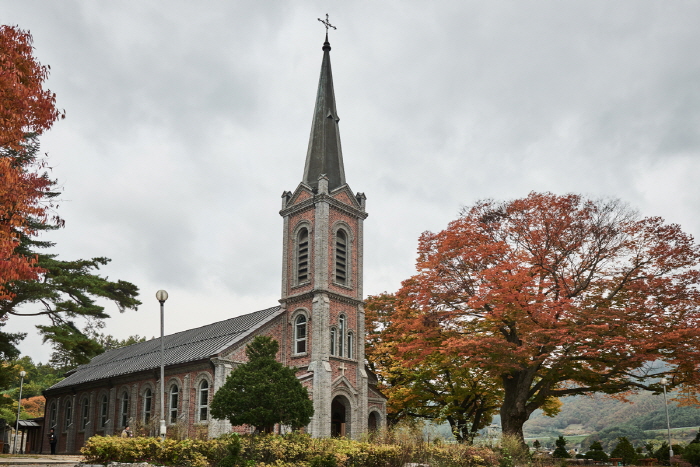
Yongsomak Catholic Church (용소막성당)
19.3Km 2023-07-17
1857 Guhaksan-ro Sillim-myeon, Wonju-si, Gangwon-do
Yongsomak Catholic Church is a small church located in Sillim-myeon, Wonju and designated as a Tangible Cultural Heritage of Gangwon-do. It was the third Catholic church established in Gangwon-do after Pungsuwon Catholic Church and Wonju Catholic Church. It was constructed by Father Chizallet in 1915 and, today, it is over 90 years of age.
Zelkova trees line up around the church building and the statue of the Virgin Mary stands at the bottom of a hill to the left. A thickly wooded pine forest is seen over the statue and the Relic Museum of St. Lawrence, which is an auxiliary building of the cathedral, is seated by the forest. The look of an old countryside Catholic church built with red bricks is like a scene from a painting, exuding a solemn and grave atmosphere in this religious area.
 English
 한국어
한국어 日本語
日本語 中文(简体)
 Deutsch
 Français
 Español
 Русский


