![Save Zone - Jeonju Core Branch [Tax Refund Shop] (세이브존 전주코아점)](http://tong.visitkorea.or.kr/cms/resource/63/2886363_image2_1.jpg)
Save Zone - Jeonju Core Branch [Tax Refund Shop] (세이브존 전주코아점)
660.5M 2024-04-22
262-6, Paldal-ro, Wansan-gu, Jeonju-si, Jeollabuk-do
-
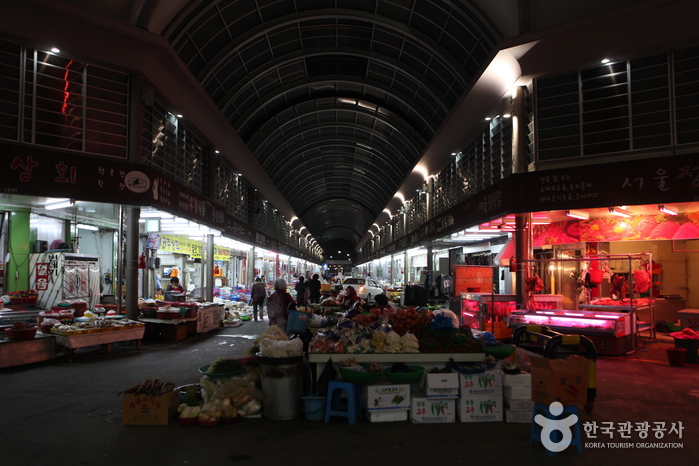
Jeonju New Jungang Market (전주 신중앙시장)
663.8M 2025-07-18
70 Taepyeong 3-gil, Wansan-gu, Jeonju-si, Jeonbuk-do
+82-63-253-6535
Jeonju Jungang Market is one of the four major traditional markets in Jeonju. The four major traditional markets in Jeonju constists of Nambu Market, Dongbu Market, Jungang Market, and Moraenae Market, The Jungang Market's Tteok (rice cake) Alley, by the market entrance connected to the road leading to the bus stop, is known for selling delicious rice cakes at a cheaper price than at regular stores.
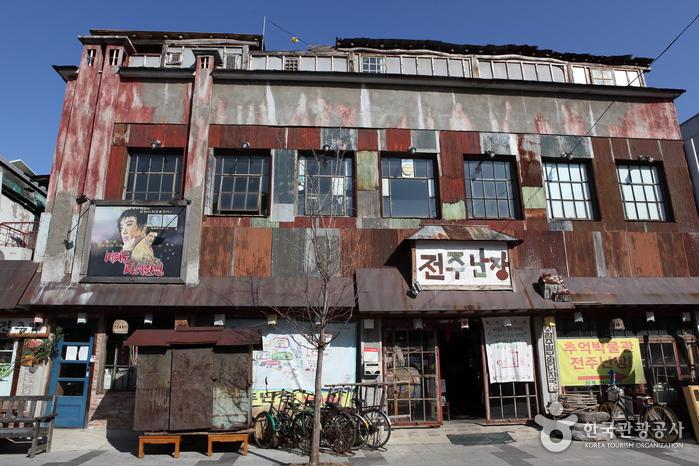
Jeonju Nanjang (전주난장)
676.9M 2024-04-06
33-20 Dongmun-gil, Wansan-gu, Jeonju-si, Jeonbuk-do
Jeonju Nanjang is a theme park style museum with over 25 years of materials for an attraction within Jeonju Hanok Village perfect for photo shoot and experience programs. There are more than 70 theme zones as well as a water well that is over 110 years old. Visitors can enjoy the retro feel as they roam around a museum filled with history.

Kakao Friends - Jeonju Hanok Village Branch [Tax Refund Shop] (카카오프렌즈 전주한옥마을)
703.1M 2024-04-19
1F, 126, Paldal-ro, Wansan-gu, Jeonju-si, Jeollabuk-do
-
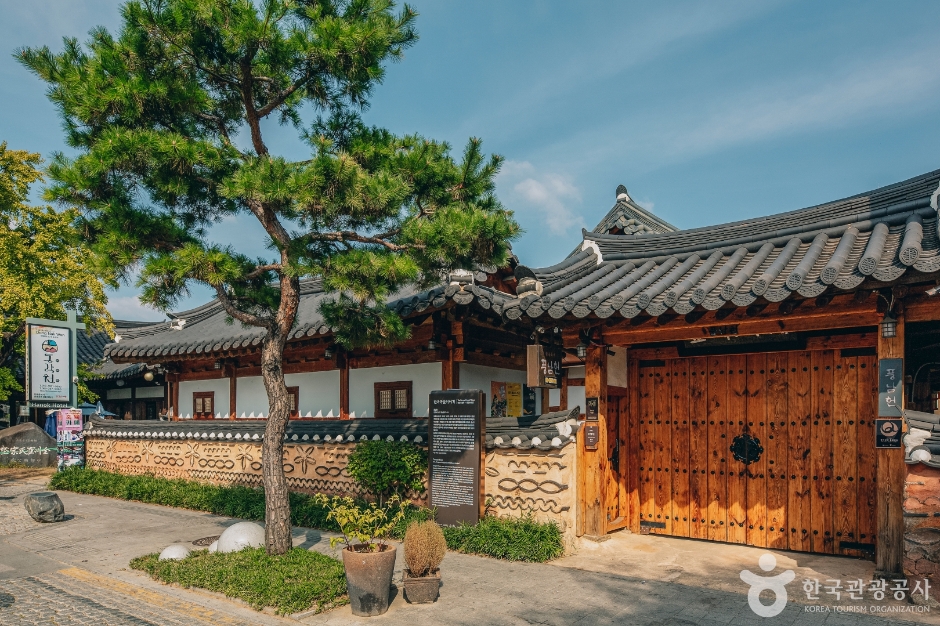
PoongNamheon (풍남헌)
718.5M 2024-08-05
35 , Eunhaeng-ro, Wansan-gu, Jeonju-si, Jeonbuk-do
+82-63-286-7673, +82-10-2757-7673
Pungnamheon is a hanok stay in a traditional nobleman's house in Jeonju, Jeollabuk-do. Next to the house stands a 600-year-old ginkgo tree, the guardian spirit of Jeonju Hanok Village. Two unusual features of this hanok is that there is no wood-floored hall or daecheong, and the toenmaru wooden porch is extra wide, and has a window. The floors are finished with laquered hanji (Korean paper), and the roof tiles were made in Goryeong. Old folding screens and Korean paintings complete the atmosphere of a traditional yangbang house. Guests have a chance to taste wild green tea gathered and made by the owner.
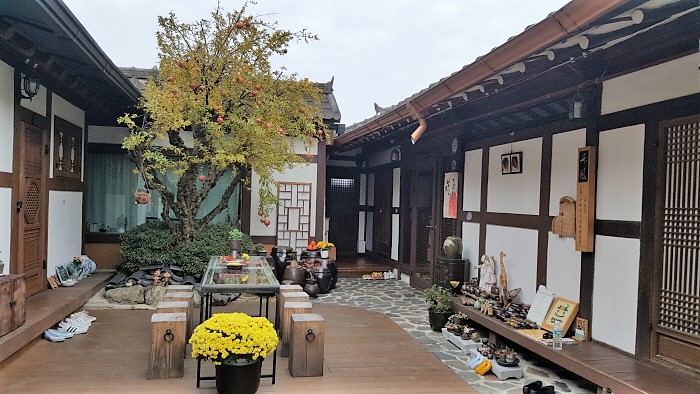
Inyeon Hanok (인연)
723.5M 2024-07-01
36 , Hanji-gil, Wansan-gu, Jeonju-si, Jeonbuk-do
+82-10-2911-9349
Inyeon is a hanok stay positioned near the public parking lot in Jeonju Hanok Village, Jeollabuk-do - a little away from the bustling main streets and so a quiet place to stop. (The name Inyeon means ‘a special relationship’.) As well as bathrooms and AC, all guestrooms have bare-beam ceilings, lacquered hanji flooring and traditional household items evoking old-time village life. In the yard stands a 200-year-old pomegranate tree and a table made of reclaimed wood where visitors can rest. Free traditional games such as Yutnori and Jegichagi are provided.
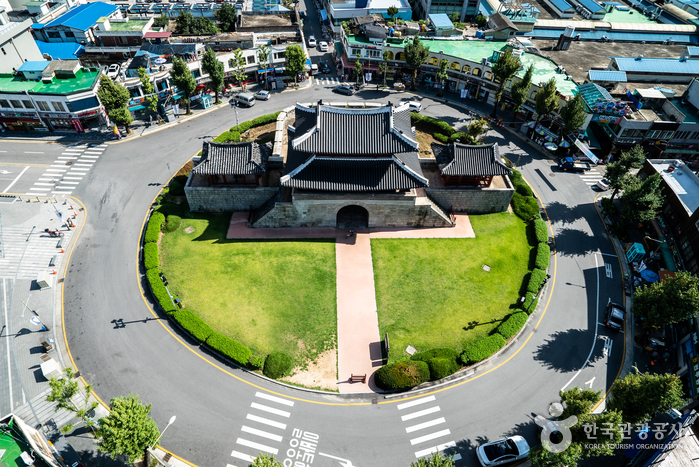
Jeonju Pungnammun Gate (전주 풍남문)
734.3M 2024-05-27
1 Pungnammun 3-gil, Wansan-gu, Jeonju-si, Jeonbuk-do
+82-63-287-6008
Pungnammun Gate was built during the Joseon dynasty in 1734 and is a designated Treasure. Pungnammun Gate was the southernmost gate among the four city gates of Jeonju. The structure was severely damaged by fire in 1767, followed by the restoration of the gate tower afterward. The gate was burnt down once again during the Imjin War and was restored to the gate that is seen today.
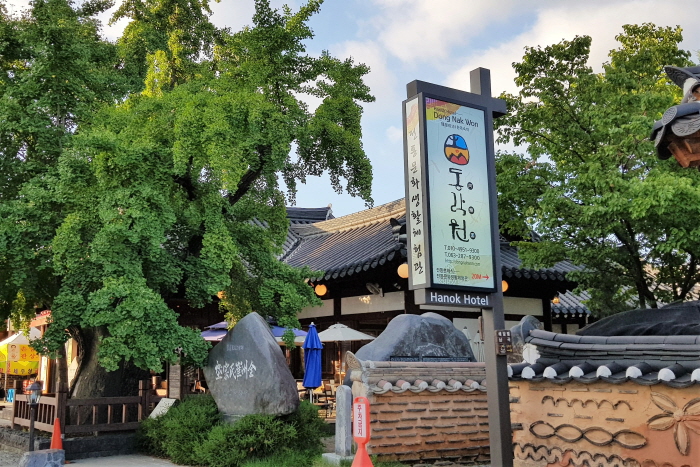
Dong Nak Won / 동락원
740.9M 2025-03-05
33-6 , Eunhaeng-ro, Wansan-gu, Jeonju-si, Jeonbuk-do
+82-63-287-9300, +82-10-4951-9300
Dongnagwon is a hanok hotel in Jeonju Hanok Village, Jeollabuk-do. It was built as a memorial hall for the missionary William Junkin, who founded a school mission in Jeonju in 1895. Now refurbished as a hotel and venue for traditional performances, wedding ceremonies and seminars, visitors will find old-style interiors with antique furniture and folding screens. Guests can play traditional games in the yard, and there is a red clay room to relieve the fatigue of travel, free of charge. Mountain bikes can be borrowed to ride around the Hanok Village or on the banks of the Jeonjucheon Stream.
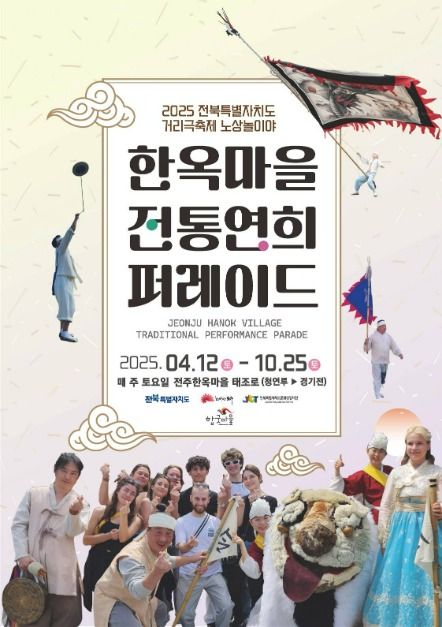
Jeonju Hanok Village Traditional Performance Parade (한옥마을전통연희 퍼레이드-노상놀이야)
748.6M 2025-04-24
44 Taejo-ro, Wansan-gu, Jeonju-si, Jeonbuk-do
+82-63-236-1577
The Jeonju Hanok Village Traditional Performance Parade is packed with various street performances, allowing visitors to experience Jeonju’s folk culture on the streets. During the parade, visitors can witness Jeonju Gijeopnori, a representative traditional performance of Jeonju, Madang-nori, a traditional performance featuring dance, music, and storytelling through various forms, or sing along to folk labor songs.
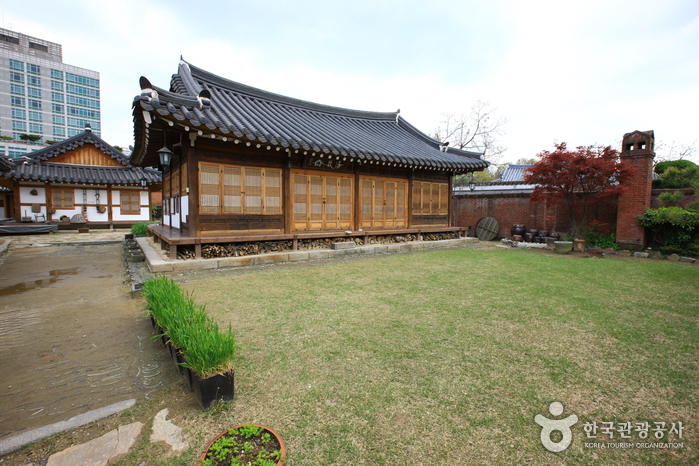
Dongnagwon House (동락원)
764.1M 2025-03-20
33-6, Eunhaeng-ro, Wansan-gu, Jeonju-si, Jeonbuk-do
+82-63-285-3490
The Dongnagwon House in Jeonju Hanok Village provides a getaway to experience hanok stay and traditional Korean life. Affiliated with Jeonju Kijeon College, Dongnagwon is also a memorial hall dedicated to W. M. Junkin, who came to Korea as a missionary from the South Presbyterian Church of the United States in 1892. Dongnagwon is a reproduction of the old hanok houses in Jeonju from the time when W. M. Junkin was doing his missionary work in the area. It is
comprised of three buildings: Anchae (main hall), Sarangchae (guest house), and Haengnangchae (servants’ quarters).
Visitors to Dongnagwon can learn and experience traditional Korean culture such as music, crafts, and dance while inhabiting traditional lodging. In addition to providing accommodation for individual guests, Dongnagwon is also used for group accommodations or activities such as seminars, conferences, and family events. For groups of 30 or more, it is possible to rent out the entire venue (in addition to all facilities, including Seungdokdang, Seunghwadang, Cheongyuje, and the front yard).
 English
 한국어
한국어 日本語
日本語 中文(简体)
 Deutsch
 Français
 Español
 Русский


