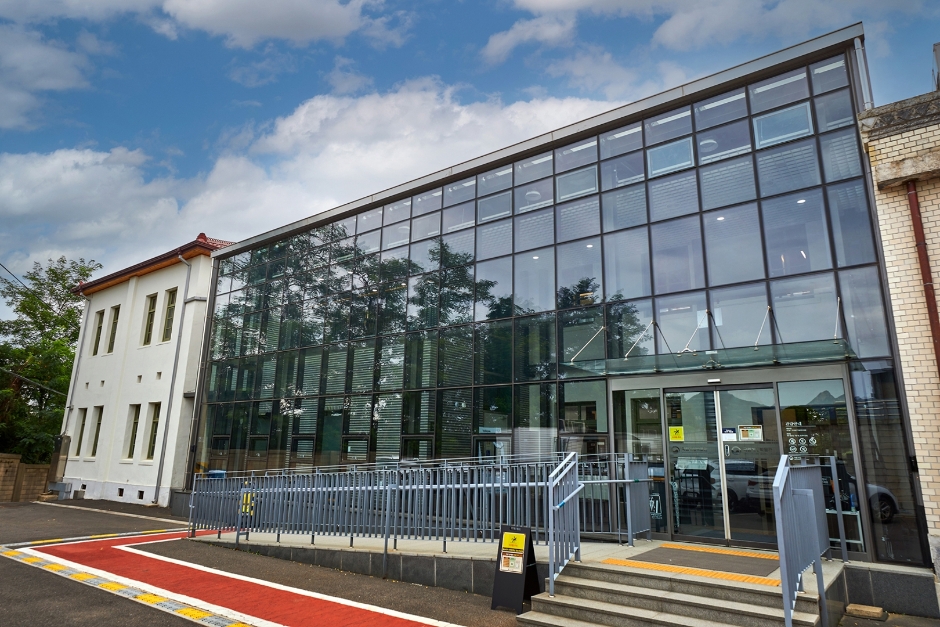
National Meteorological Museum of Korea (국립기상박물관)
14.6Km 2024-03-26
52 Songwol-gil, Jongno-gu, Seoul
A museum where one can look at Korea's meteorological observation history and technological development through exhibitions. The museum has the world's first rain gauge, invented in 1441, in the early Joseon dynasty. The museum operates approximately 350 meteorological observatories across Korea and focuses on promoting the uniqueness and excellence of Korea's meteorological science. There are permanent collections and special exhibitions. The permanent collections focus on the history of meteorological science in Korea. At the same time, the special exhibitions take a closer look at the history and information about meteorological science and natural disasters (e.g., earthquakes) that occurred in various regions of Korea. There are experience programs related to meteorological science, such as making a rain gauge or learning about rain gauges.
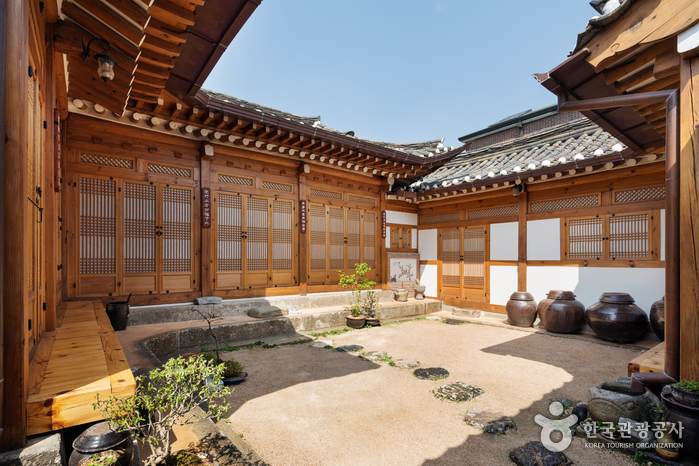
Hanok Guesthouse Dongchonchae (한옥 게스트하우스 동촌재)
14.7Km 2024-12-23
21-10 , Jahamun-ro 11-gil, Jongno-gu, Seoul
+82-10-8561-5227, +82-10-9127-5227
Dongchonjae is a hanok guesthouse in Seochon, Jongno, Seoul. The the Anchae(women's quarters) consists of four sleeping rooms and a cheongmaru lounge space, plus kitchen and toilet. (There are also shared toilets in the yard.) Cooking is not allowed, but guests are welcome to bring in prepared food. A free breakfast is provided. Guests can watch movies in the yard or main hall, and can use the refrigerator and washing machine. A guided night tour of Seoul City Wall is offered, as is a tea ceremony, and rice-cake making experience.
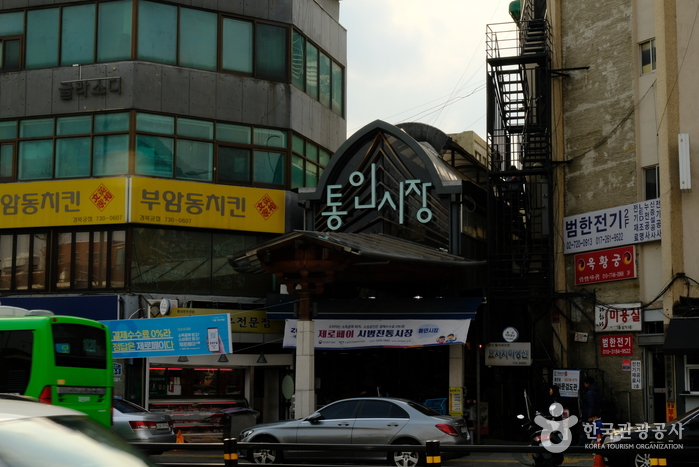
Tongin Market (통인시장)
14.7Km 2025-06-19
18 Jahamun-ro 15-gil, Jongno-gu, Seoul
Tongin Market dates back to June 1941, as a public market set up for Japanese residents near the Hyoja-dong neighborhood when Korea was still under Japanese rule. After the Korean War, the nation experienced a swift rise in population, which led to a natural increase in consumption and demand. As a result the area’s street vendors and stores used the former Tongin Market area as their marketplace. Now, Tongin Market consists of 75 stores, most of which are restaurants and grocery stores. There are also some shops selling manufactured goods like underwear and shoes.
![Olive Young - Sadang Station Branch [Tax Refund Shop] (올리브영 사당역)](http://tong.visitkorea.or.kr/cms/resource/00/2880500_image2_1.jpg)
Olive Young - Sadang Station Branch [Tax Refund Shop] (올리브영 사당역)
14.7Km 2024-04-18
Jisan Bldg., 941, Gwacheon-daero, Gwanak-gu, Seoul
-
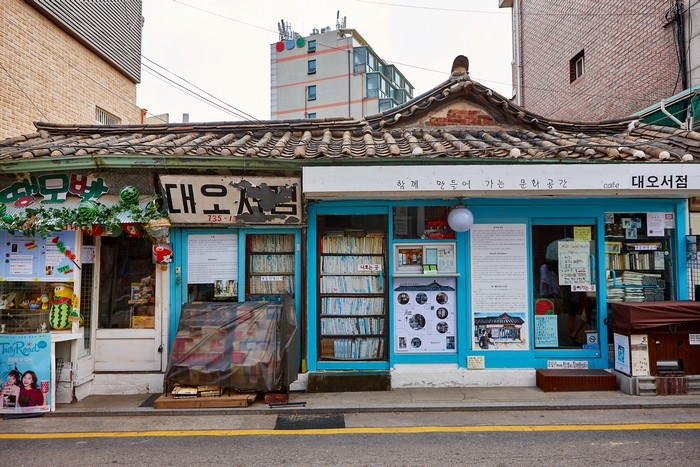
Daeo Bookstore (대오서점)
14.7Km 2025-11-05
55 Jahamun-ro 7-gil, Jongno-gu, Seoul
Daeo Bookstore is the oldest bookstore in Seoul that has been maintained in one place since it opened in 1951. Recently, it has been refurbished as a cultural space with a cafe, where one can enjoy coffee, exhibitions, and performances while looking at the yard. Visitors who just want to browse can purchase a souvenir postcard set for admission. Taking a closer look at books that feel the years and objects that have traces of use, they appear to come rather new.
Seoul Sajik Park (사직공원(서울))
14.7Km 2021-11-12
89, Sajik-ro, Jongno-gu, Seoul
+82-2-2148-4149
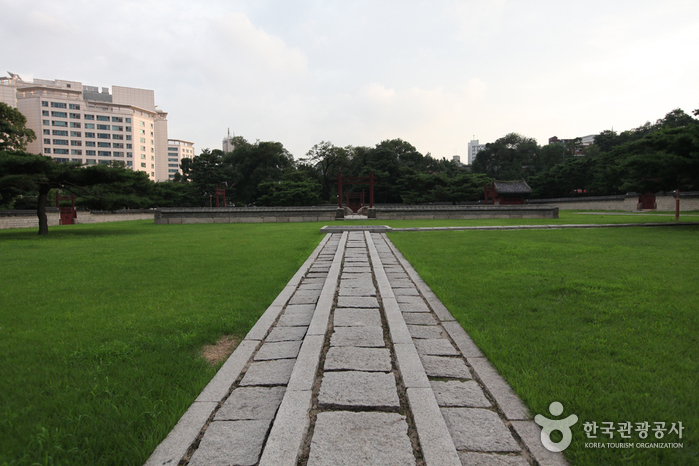
Sajik Park is one of the three most popular parks in Jongno-gu along with Tapgol Park and Samcheong Park. Located west of the Government Complex-Seoul on the southeastern foothills of Inwangsan Mountain, the park measures an impressive 188,710 m².
The name of the park dates back to 1395 when Taejo Yi Sung-gye made Sajik Altar (altar to the State deities) at the center of the park. "Sa" refers to the deity of the earth while "jik" refers to the deity of the five grains. Rites wishing for a good harvest were held regularly at Sajik Altar.
In the park are several playgrounds, statues of Sin Saimdang, Hwanghakjeong, and Yulkog Yi I, and the Municipal Children's Library. Dangun Shrine and Jongno Library are situated nearby. By following the path next to Sajik Park for approximately 5 minutes, travelers can reach the Inwangsan hiking path with relative ease.
Cheolgil Tteokbokki (철길떡볶이)
14.7Km 2024-03-18
35-6 Chungjeong-ro, Seodaemun-gu, Seoul
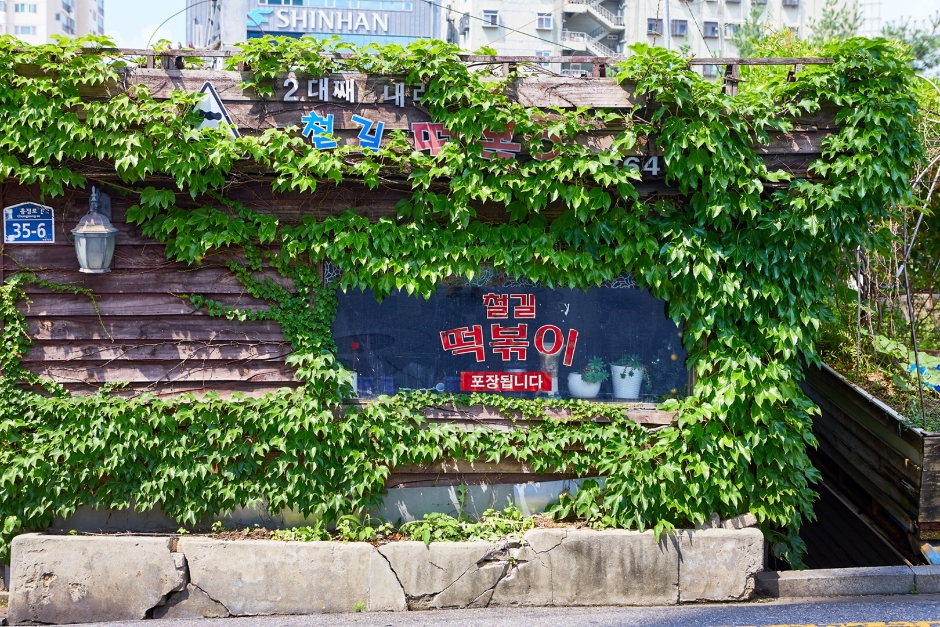
Cheolgil Tteokbokki is a famous pilgrimage site for tteokbokki lovers. As the name suggests, it is located next to the railroad (“cheolgil” in Korean) near Chungjeongno Station. There is a wide variety of Korean dishes available, from tteokbokki that will bring back childhood memories to gimbap, deep-fried dishes, and sundae. As the name suggests, it is located next to the railroad near Chungjeongno Station. The restaurant has been in operation for two generations while maintaining its original appearance. The old signboard and exterior have a nostalgic feeling. Unlike tteokbokki in soup, which is currently popular, this tteokbokki with chewy rice cakes is coated well with thick spicy sauce. It's very delicious when mixed with the restaurant’s deep-fried foods. Visitors are recommended to take the seat outdoors to enjoy the view of the railroad tracks while eating.
Of one book and stay (일독일박)
14.7Km 2024-12-23
11-1 , Pirundae-ro 3-gil, Jongno-gu, Seoul
+82-504-0904-2340
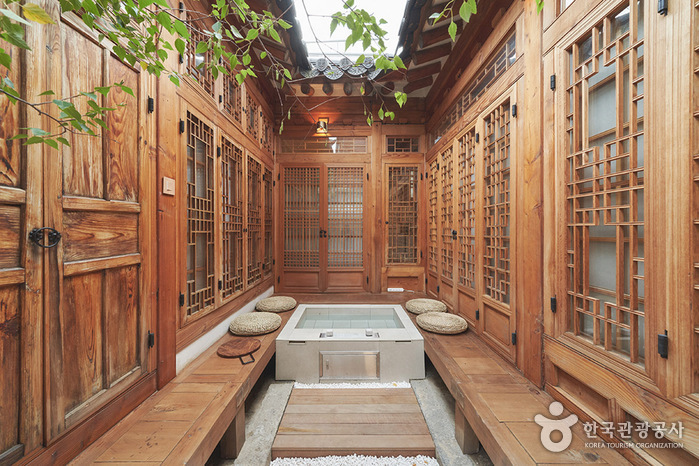
Ildogilbak in Seochon Village, Seoul, is a private hanok stay that has been stylishly renovated with modern facilities. The bedroom, kitchen and dining room are located around the courtyard. Tired travellers can soak their feet in the small courtyard footbath while sitting on the veranda. There’s a queen size bed in the bedroom, and a large table in the dining room where you can read a book and chat. There is also an attic space where you can fall asleep looking at the stars through a small skylight. The kitchen is well equipped, and there’s a tub in the bathroom.
Hanok Essay Seochon (한옥에세이 서촌)
14.8Km 2024-06-04
12 Pirundae-ro 3-gil, Jongno-gu, Seoul
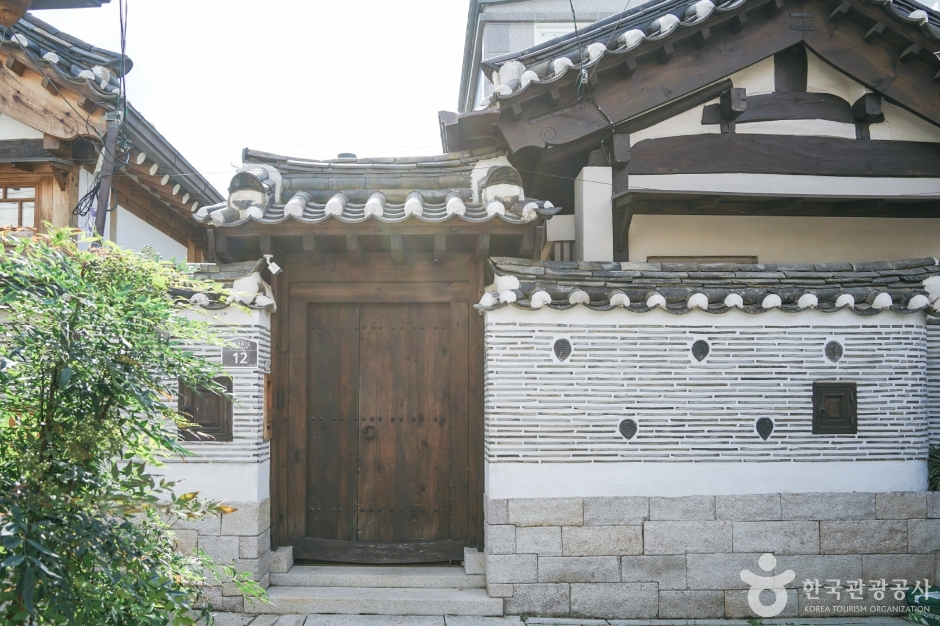
The area of Seochon features both traditional elements as well modern, showing the changes over time. A stay in one of the hanok houses here is the perfect way to feel this unique ambiance. Hanok Essay Seochon provides this experience, open to visitors of all ages.

Sangchonjae House (상촌재)
14.8Km 2025-11-06
12-11 , Jahamun-ro 17-gil, Jongno-gu, Seoul
Sangchonjae House, run by the Jongno Cultural Foundation, is a traditional hanok cultural space located in Sejong Village, Ogin-dong, Jongno-gu, and operates various cultural Korean programs such as exhibitions, educational experiences, and events to fully experience Korea's four seasons. The name Sangchonjae was conceived from the old name of Sejong Village, the western part of Gyeongbokgung Palace and the birthplace of King Sejong. The house reflects the lifestyle of an ordinary peasant during the Joseon dynasty. It consists of three buildings: the main building, the guesthouse known as sarangchae, and the annex. There is an experience center indoors offering tea ceremonies and traditional game experiences.
 English
 한국어
한국어 日本語
日本語 中文(简体)
 Deutsch
 Français
 Español
 Русский


