![TUBAn [Tax Refund Shop] (주식회사 투바앤)](http://tong.visitkorea.or.kr/cms/resource/47/2890647_image2_1.jpg)
TUBAn [Tax Refund Shop] (주식회사 투바앤)
14.2Km 2024-04-23
1955, Goyang-daero, Deogyang-gu, Goyang-si, Gyeonggi-do
-

ER Newcore Outlets - Yatap Branch [Tax Refund Shop] (ER 뉴코아아울렛 야탑)
14.2Km 2024-04-23
11, Yatap-ro 81beon-gil, Bundang-gu, Seongnam-si, Gyeonggi-do
-
![Mont-Bell - Yongsan Branch [Tax Refund Shop] (몽벨 용산점)](http://tong.visitkorea.or.kr/cms/resource/65/2890565_image2_1.jpg)
Mont-Bell - Yongsan Branch [Tax Refund Shop] (몽벨 용산점)
14.2Km 2024-04-18
92, Hangang-daero, Yongsan-gu, Seoul
-
![Olive Young - Sinyongsan Station Branch [Tax Refund Shop] (올리브영 신용산역)](http://tong.visitkorea.or.kr/cms/resource/95/2888195_image2_1.jpg)
Olive Young - Sinyongsan Station Branch [Tax Refund Shop] (올리브영 신용산역)
14.2Km 2024-04-17
#101, and #102, 95, Hangang-daero, Yongsan-gu, Seoul
-
![Olive Young - Nowon Branch [Tax Refund Shop] (올리브영 노원)](http://tong.visitkorea.or.kr/cms/resource/69/2888069_image2_1.jpg)
Olive Young - Nowon Branch [Tax Refund Shop] (올리브영 노원)
14.2Km 2024-04-17
#105, and #106, 65, Sanggye-ro, Nowon-gu, Seoul
-
Seoul National Cemetery (국립서울현충원)
14.3Km 2024-03-07
210, Hyeonchung-ro, Dongjak-gu, Seoul
+82-2-813-9625
Seoul National Cemetery is a national cemetery for individuals who worked or fought for Korea and sacrificed their lives. It encompasses those who fought for Korea's independence from the late 19th century to the early 20th century, those who perished in the Korean War (1950-1953), and former presidents, totaling over 165,000 individuals. There are exhibition halls and parks with related artifacts. Shuttle buses are provided for the convenience of visitors.
Seoul Museum of History (서울역사박물관)
14.3Km 2025-01-17
55 Saemunan-ro, Jongno-gu, Seoul
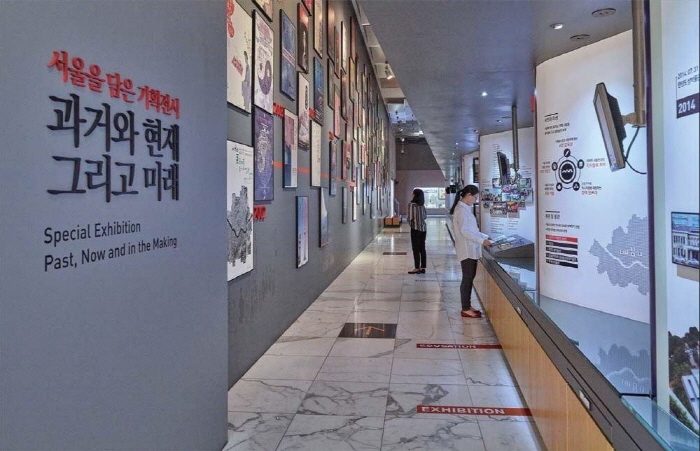
Seoul Museum of History covers everything about Seoul's history and culture from the prehistoric era to modern times, focusing especially on the Joseon era. The museum aims to raise cultural awareness and build a strong bond within the community by collecting, preserving, researching, and displaying artifacts and materials related to Seoul as well as promoting the city's history and culture to an international audience.
Daelim Museum (대림미술관)
14.3Km 2022-07-29
21, Jahamun-ro 4-gil, Jongno-gu, Seoul
+82-2-720-0667
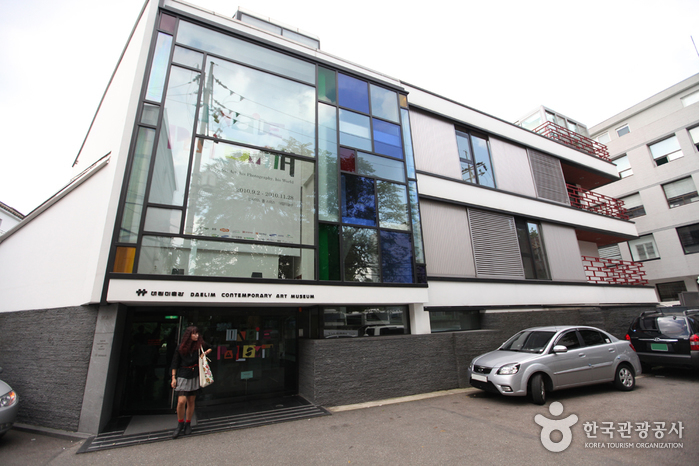
The Daelim Museum, built by the Daelim Group, was first established in Daejeon in 1996 and later moved to Jongno, Seoul in 2002. The art gallery studies, analyzes, and presents modern art through the lens of photography and holds exhibitions centered around photo media.
The museum is located in the residential area of Tongui-dong, near the time-honored Gyeongbokgung Palace. The museum, which was designed by French architect, Vincent Cornu, and built by the Daelim Corporation, opened its door to the public in late May 2002.
On the first floor, there is a garden, parking lot, reception desk, storage area, and conference room. On the second and third floor are offices and exhibition hall approximately 595 m² in size, consisting of small and large rooms, a long gallery, and a special high-ceilinged exhibition space. On the fourth floor, there is a seminar room that can seat up to 120 guests and a balcony with a beautiful view. From the balcony of the seminar room, Visitors can also enjoy a wide open view of Inwangsan Mountain and Bukhansan Mountain. The stained glass panels (designed to reflect the beauty of traditional Korean wrapping cloth) and the scenic lounges on the 2nd and 3rd floors of the building add to the overall charm.
Above all else, the museum was designed with consideration of the photos, which are very sensitive to humidity, light, and temperature.
![Himart - Sadang Branch [Tax Refund Shop] (하이마트 사당점)](http://tong.visitkorea.or.kr/cms/resource/28/2880028_image2_1.jpg)
Himart - Sadang Branch [Tax Refund Shop] (하이마트 사당점)
14.3Km 2024-04-18
77, Dongjak-daero, Dongjak-gu, Seoul
-
Jeongdong Guksi (정동국시)
14.3Km 2024-06-19
5 Jeongdong-gil, Jung-gu, Seoul
02-732-0114
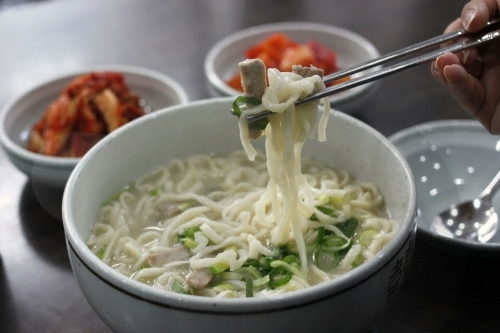
Jeongdong Guksi features a rich soup with a clean taste, created by carefully removing the oil dozens of times while boiling Korean beef bones for 15 hours. The restaurant uses this same beef bone broth in their mandutguk (dumpling soup), something not many restaurants do. The rich flavor of the broth combined with the soft dumplings, made in-house daily, is a must-try. The restaurant is also surrounded by many cultural and artistic spaces, making it a great addition to tours in the area.
 English
 한국어
한국어 日本語
日本語 中文(简体)
 Deutsch
 Français
 Español
 Русский


