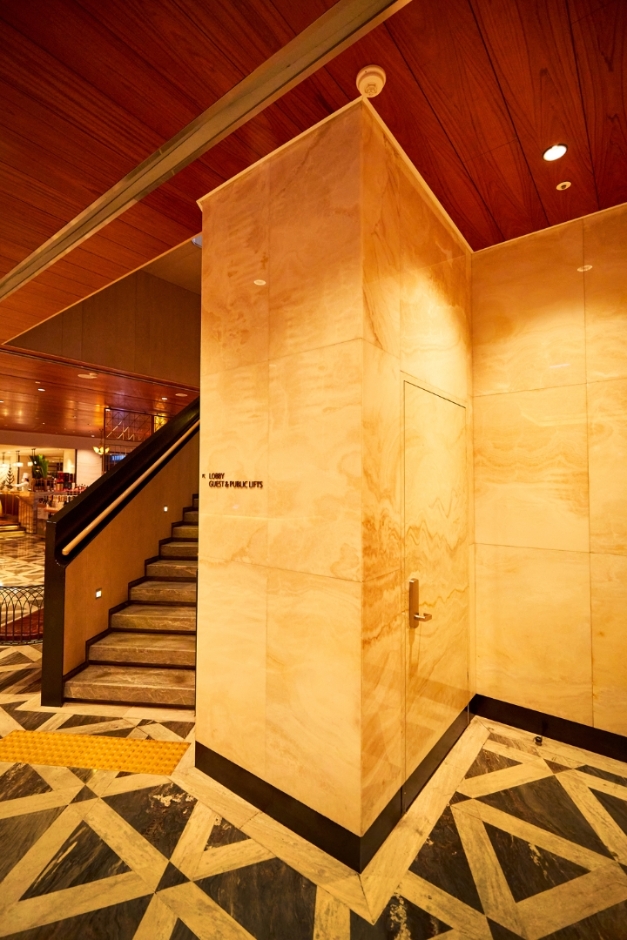
Four Seasons Charles H. (포시즌스호텔서울 찰스.H)
13.9Km 2024-03-15
97 Saemunan-ro, Jongno-gu, Seoul
This bar is named after the legendary American writer Charles H. Baker. It is inspired by speakeasy bars, which were bars hidden from sight during the Prohibition period, so its door blends into the surrounding walls. So, when one steps into the space, it is like stepping into a secret hangout. A cover charge of 10,000 won gives patrons a welcome drink, finger foods, and snacks. The menu is inspired by cocktails that Charles H. Baker had across the world, such as New York City, Mexico, Shanghai, Cuba, and Tahiti. It won 7th place in Asia’s 50 Best Bars list and 42nd place in the World’s 50 Best Bars list. The ambience is relaxed, and attentive services ensure that you can have a comfortable time here.
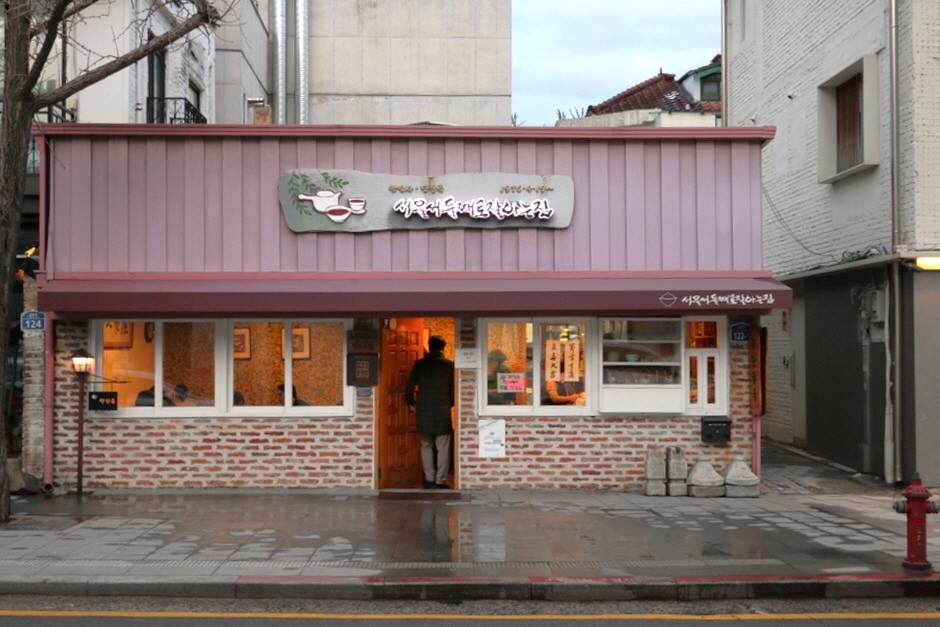
Seoureseo Duljjaero Jalhaneunjip (서울서둘째로잘하는집)
13.9Km 2024-03-15
122-1 Samcheong-ro, Jongno-gu, Seoul
+82-2-734-5302
Seoureseo Duljjaero Jalhaneunjip is a sweet red bean porridge and traditional tea house near Gyeongbokgung Palace. Sweet red bean porridge is a sweet and smooth dish typically containing chewy rice cakes and chestnuts. In Korea, it's a traditional food eaten during dongji (the shortest day and longest night of the year). They also offer traditional teas like ssanghwatang (herbal tonic tea), which contains seven medicinal herbs, sujeonggwa (cinnamon punch) with a blend of cinnamon and ginger flavors, and sikhye (sweet rice punch), a drink known for aiding digestion.
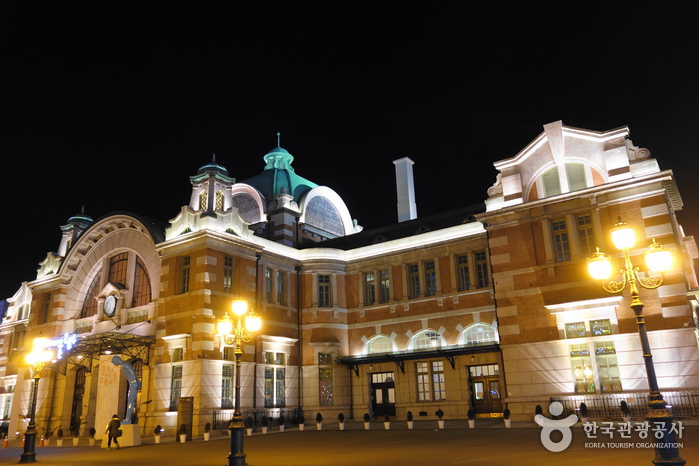
Culture Station Seoul 284 (문화역 서울 284)
13.9Km 2025-10-23
1 Tongil-ro, Jung-gu, Seoul
Culture Station Seoul 284 opened in 2011 by restoring the old Seoul Station. The complex holds various programs including exhibitions, performances, cultural events and workshops. It holds over 100 years of history with Namdaemun Station being the original name of the station in 1900 and changing to Gyeongseong Station, Seoul Station, and now Culture Station Seoul 284. The look of 1925 Gyeongseong Station offers visitors a flashback to the past, providing a fun and special experience.
◎ Travel information to meet Hallyu’s charm
This is where Mok-ha (played by Park Eun-bin) waited for Ki-ho (played by Chae Jong-hyeop) with flowers in the TV series "Castaway Diva." As the restored historic Seoul Station, it also appeared in "Reply 1994" as the location where Samcheonpo (played by Kim Sung Kyun) first arrived in Seoul.
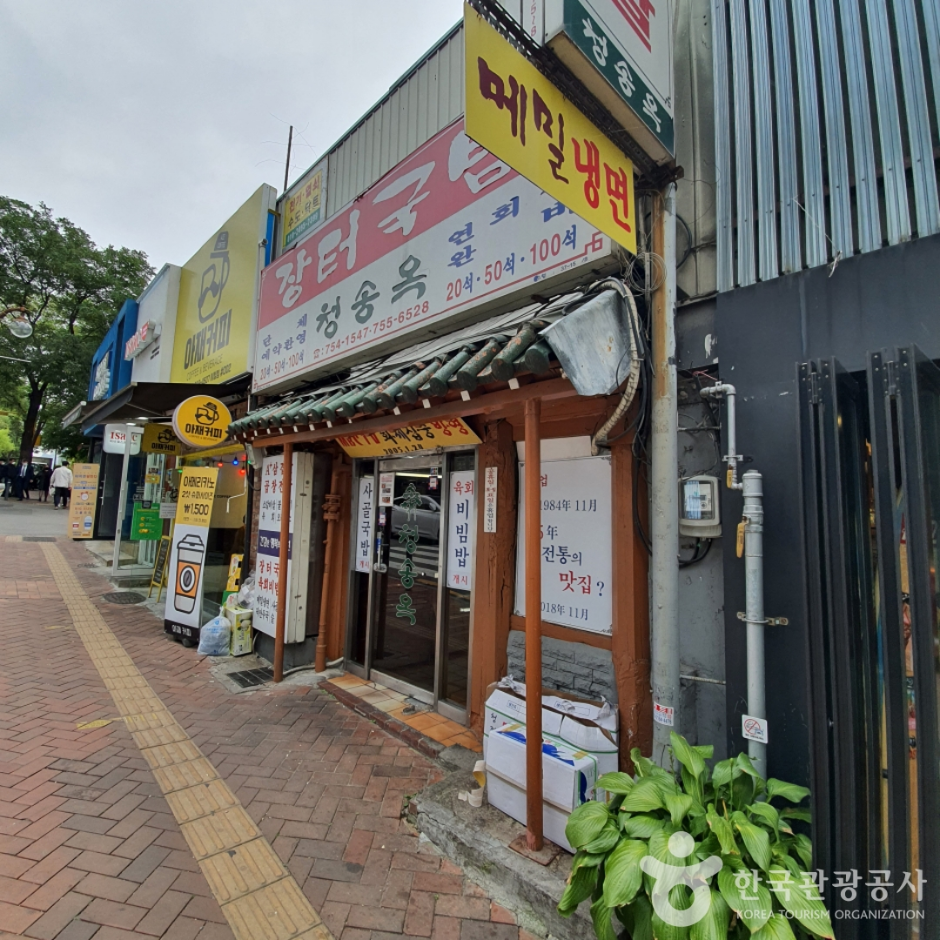
Cheongsongok (청송옥)
13.9Km 2024-02-20
14 Seosomun-ro 11-gil, Jung-gu, Seoul
Cheongsongok is a jangteo gukbap (rice soup) restaurant that opened in 1984. The signature menu is jangteo gukbap, a rice soup with green onions and radishes in beef bone broth. The kimchi served with the gukbap is homemade, known for its spicy flavor and crisp texture. Nearby is Deoksugung Palace, and the Seokjojeon Hall in Deoksugung Palace presents a picturesque landscape harmonized with the garden, making it a popular spot for photography.
Sejong-ro Park (세종로공원)
13.9Km 2022-08-31
jiha 189, Sejong-daero, Jongno-gu, Seoul
+82-2-722-9598
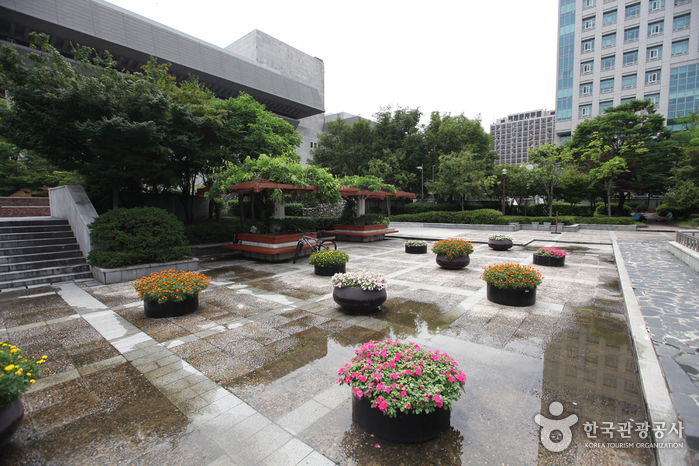
Sejong-ro Park is located next to Sejong Center for the Performing Arts in central Seoul. Inside the park, there are wooden benches and shaded areas where people can sit and relax. Also available are water fountains, a round outdoor stage, and various sculptures. The lunch crowd from the nearby office buildings often come to the park during weekdays. On the weekends, the park is also used as a venue for outdoor weddings.
Seoul's anthem and the poem "Bulnori" by Ju Yo-han are written on a memorial stone that can be found inside the park.

Korea Samgyetang (고려삼계탕)
13.9Km 2024-06-19
1 Seosomun-ro 11-gil, Jung-gu, Seoul
+82-2-752-9376
Located near City Hall Station, Korea Samgyetang specializes in samgyetang. Samgyetang is a traditional healthy dish made by simmering cleaned young chicken in a broth with ginseng, jujube, and glutinous rice. The light and tender texture of the stewed chicken and the ginseng-flavored glutinous rice porridge is excellent. Ogolgye tang (silkie chicken soup) and jeonbok samgye tang (abalone and ginseng chicken soup) are also favorites among patrons. This restaurant was selected for the Michelin Guide Seoul in 2023.
Korea Medical Tourism Promotion Association ((사)대한의료관광진흥협회)
13.9Km 2025-10-23
(#601) 29-3 Saemunan-ro 9-gil, Jongno-gu, Seoul
The Korea Medical Tourism Promotion Association aims to attract over 100,000 medical tourists within three years by establishing a structured system for attracting medical tourists, training specialized personnel, and supporting both domestic and international medical tourism. With the increasing number of foreign visitors coming to Korea for various purposes beyond tourism, such as international conferences, business, and exhibitions, there is a growing need for specialized services.
Plans is a company that can meet all these diverse customer needs. ceremonial arrangements, tours, and events often proceed irregularly due to changes in weather, group size, and transportation. To address these variables, Plans, the plural form of "Plan," represents a company that is always prepared from start to finish. It is a leading VIP travel agency in Korea, tailored to meet the needs of its clients.
Gwanghwamun Gate (광화문)
13.9Km 2024-12-04
161 Sajik-ro, Jongno-gu, Seoul
+82-2-3700-3900
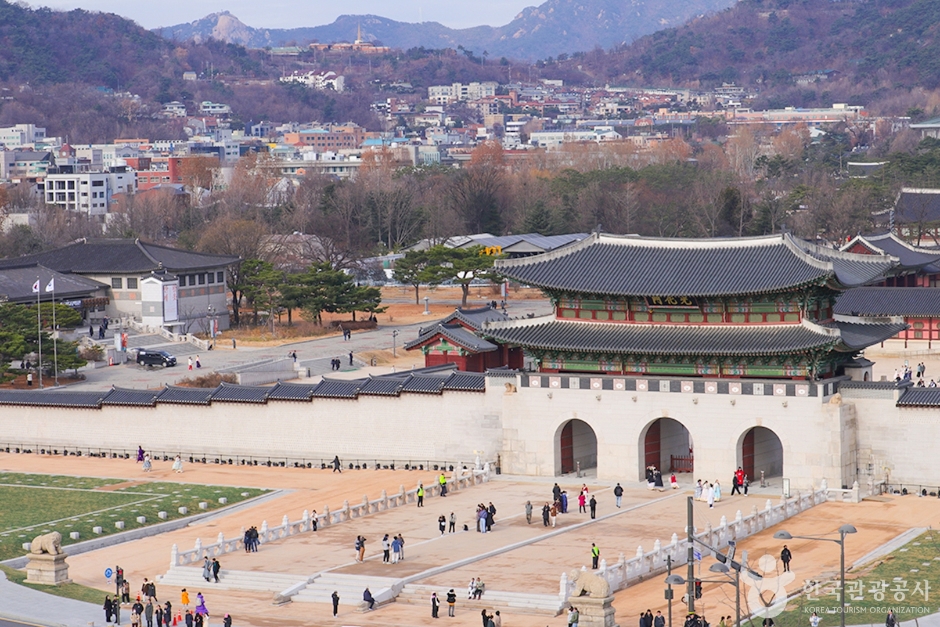
Built in 1395 under the reign of King Taejo, the first king of the Joseon dynasty, Gwanghwamun Gate is the southern gate of Gyeongbokgung Palace. It is also the main gate of the palace, therefore larger and fancier in comparison to the other gates. Gwanghwamun Gate consists of three arched gates; the center gate was used by the king, while the other two were used by the crown prince and royal officials. The tall granite walls of the gate serve as a platform for the wooden gate tower that watches over the city. The gate has a sign with its name written at the top center of the gate tower.
Gwanghwamun Gate went through several damages and restorations over the course of history. It was first severely damaged during the Imjin War (1592-1598) and was not restored until the reconstruction of Gyeongbokgung Palace in 1864. Under the Japanese administration, the gate was demolished and relocated to the north of the palace's eastern gate, followed by series of damages during the Korean War (1950-1953). In 1968, Gwanghwamun Gate was relocated back to the south of the palace and was rebuilt using concrete; however, the gate’s position was shifted a few meters away from its original location. In 2006, a major reconstruction project took place to restore Gwanghwamun Gate to its original state and location, disassembling the structure completely and replacing concrete with granite and wood. After three years and eight months of construction, Gwanghwamun Gate was fully restored to its original form and was open to the public on August 15, 2010.
Ramada Hotel & Suites by Wyndham Seoul Namdaemun (라마다 호텔앤스위트 서울남대문)
13.9Km 2024-12-23
27 , Chilpae-ro, Jung-gu, Seoul
+82-2-775-7000
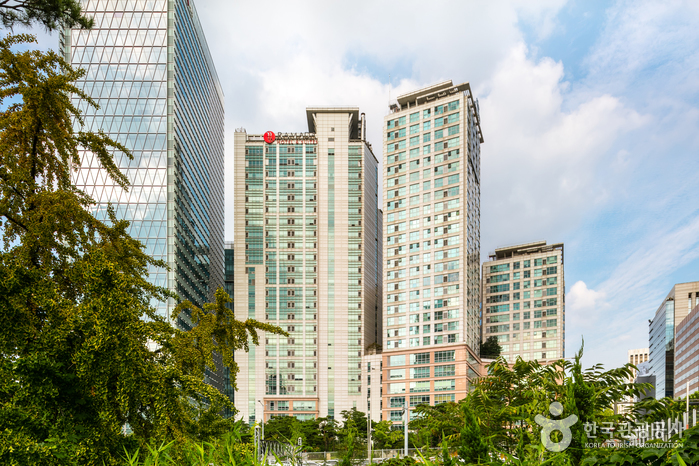
Ramada Hotel and Suites Namdaemun in Jung-gu, in the heart of Seoul,is famousd of for foreigner tourists and vacationers. Transport is convenient, with Seoul Station and City Hall Subway Station close by. Major Seoul tourist attractions such as Namdaemun Market, Myeong-dong, Gwanghwamun, and Deoksugung Palace are easily reachable on foot. A range of room types are offered, and additional facilities include a business center, restaurants, cafes, and an underground shopping mall. Dogs are allowed in rooms, but an extra cleaning fee is payable.
Homeplus Express - Gwanghwamun Branch [Tax Refund Shop] (홈플러스익스프레스 광화문)
13.9Km 2024-04-18
91, Saemunan-ro, Jongno-gu, Seoul
-
 English
 한국어
한국어 日本語
日本語 中文(简体)
 Deutsch
 Français
 Español
 Русский


