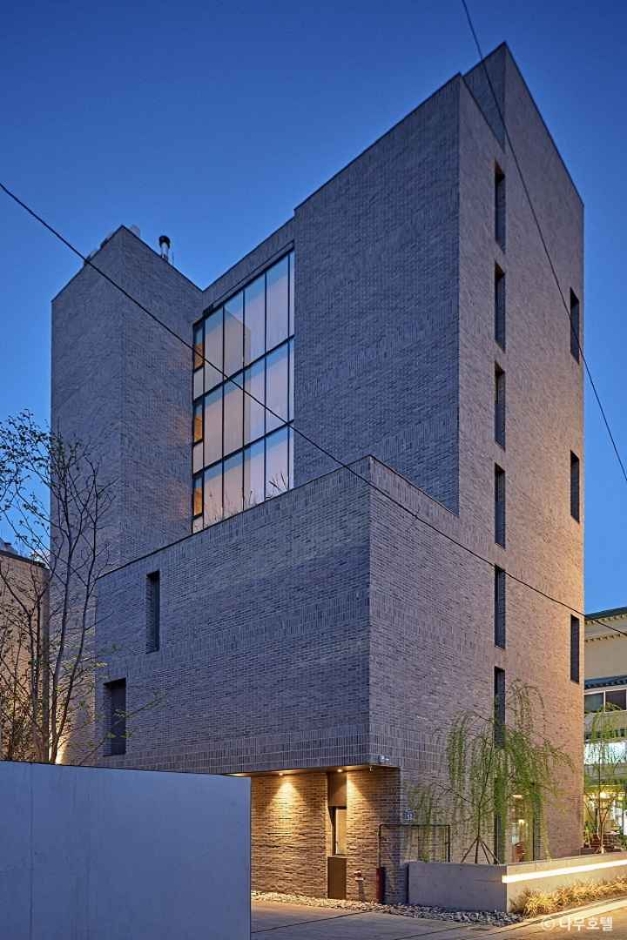
Namu Hotel (나무호텔)
12.3Km 2024-06-04
9 Achasan-ro 76ga-gil, Gwangjin-gu, Seoul
+82-2-456-3271
Namu Hotel, which received the Institute of Architects Award, is a hotel with a distictive design. Rather than having the main entrance on a main road, the hotel must be entered through the alley. Each room has its own unique style in terms of structure and furniture arrangement. Most rooms also feature a blacony that allows guests to be one with nature while also being protected from outside forces. Enjoy a soak in the outdoor bathtub to relax.
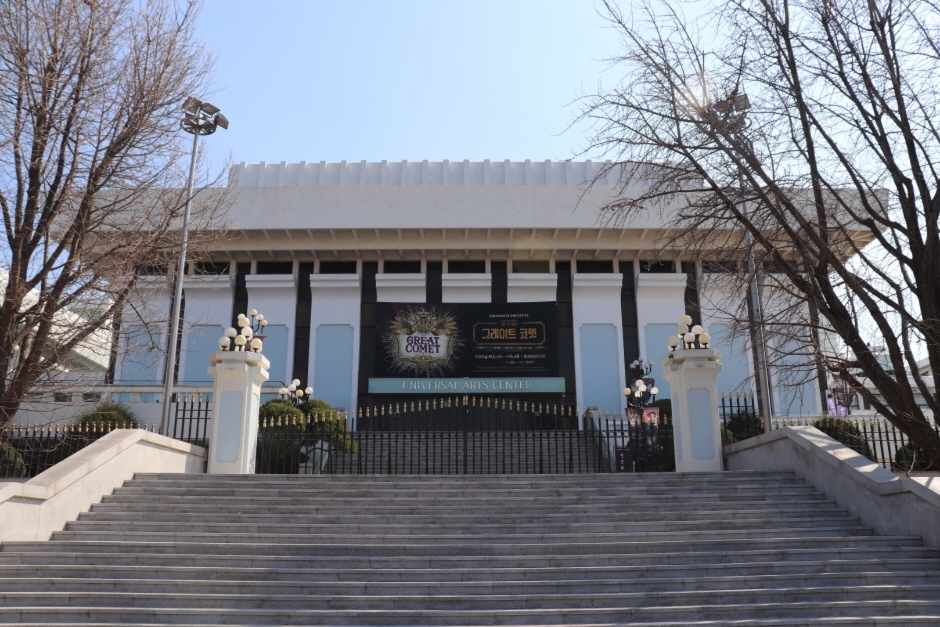
Universal Arts Center (유니버설아트센터)
12.3Km 2024-03-19
664 Cheonho-daero, Gwangjin-gu, Seoul
Universal Arts Center, inaugurated in 1981, stands as a prominent venue for performances. Renowned for its splendid and classic architectural interior, it is celebrated for its distinctiveness. Its main facilities include the Grand Theater, the Luna Hall capable of accommodating up to 300 guests for banquets, and an audience lounge. It serves as a harmonious space where performance venues, artistic community, and art educational institutions converge. Here, visitors can enjoy a diverse array of performances ranging from ballet and musicals to concerts.
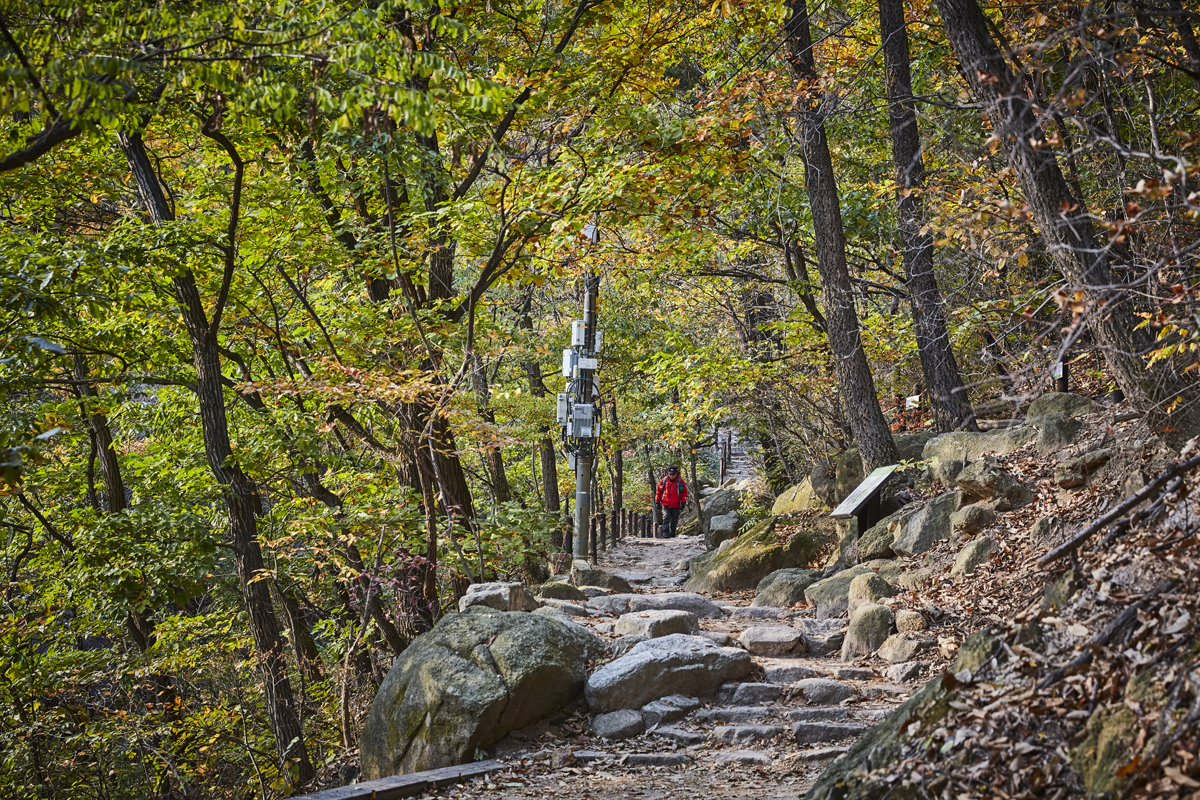
Bukhansan National Park (Seoul District) (북한산국립공원(서울))
12.4Km 2024-11-27
262 Bogungmun-ro, Seongbuk-gu, Seoul
+82-2-909-0497
Bukhansan Mountain was officially designated as a national park in 1983. Bukhansan National Park covers both Bukhansan and Dobongsan Mountains, and spans a total area of 80.699 ㎢. At the top of Bukhansan Mountain are Baegundae Terrace (835.6 m), Insubong Peak (810.5 m) and Mangyeongdae Terrace (799.5 m), which gave the mountain the nickname "Samgaksan" or the "three-horned mountain." The mountain had other names: Sambongsan (mountain with three peaks), Hwasan (flower mountain), and Buaak (mountain shaped like a person giving a baby a piggyback ride). The current name, Bukhansan, was given after the Bukhansanseong Fortress was built under King Sukjong of the Joseon dynasty.
![Homeplus - Gangdong Branch [Tax Refund Shop] (홈플러스 강동)](http://tong.visitkorea.or.kr/cms/resource/63/2878863_image2_1.jpg)
Homeplus - Gangdong Branch [Tax Refund Shop] (홈플러스 강동)
12.4Km 2024-04-22
5, Seolleung-ro 162-gil, Gangnam-gu, Seoul
-

Olive Young - Misa Gangbyeon Branch [Tax Refund Shop] (올리브영 미사강변점)
12.4Km 2024-06-27
1F, #108, 70, Misagangbyeon-daero, Hanam-si, Gyeonggi-do
-
K-medi Spring (한강애봄)
12.4Km 2025-12-09
6th Floor, 63 Dongsomun-ro, Seongbuk-gu, Seoul
HanGang AeBom is a certified agency specializing in attracting international patients, offering customized programs that combine Korea’s advanced medical services with tourism. The agency collaborates with medical institutions to arrange consultations, interpretation, accommodation, and travel itineraries.
Seoul Upcycling Plaza (서울새활용플라자)
12.5Km 2024-01-05
49 Jadongchasijang-gil, Seongdong-gu, Seoul
Saehwaryong is a Korean term for upcycling, a process of redesigning or recycling discarded resources or materials to give them a new value or purpose. Seoul Upcycling Plaza operates upcycling-related exhibitions, upcycling practice education and experience programs, design studios, upcycling stores, workshops, and more. It is a great place to look around for ideas and inspirations on how to use products for longer periods of time. The plaza demonstrates the first step to creating a resource-recycling society.
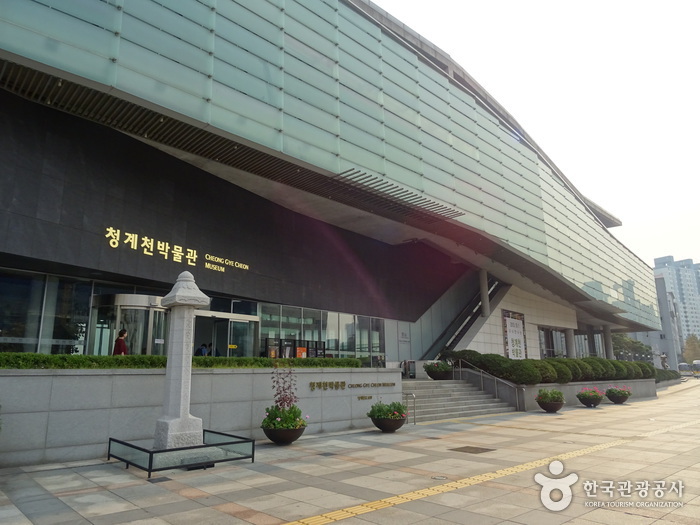
Cheonggyecheon Museum (청계천박물관)
12.5Km 2021-11-02
530, Cheonggyecheon-ro, Seongdong-gu, Seoul
+82-2-2286-3410
Cheonggyecheon Museum officially opened in October 2005. The museum’s long, glass exterior represents the flowing waters of Cheonggyecheon Stream, which runs through the heart of Seoul. The museum has a permanent exhibition hall, special exhibition hall, educational hall, and an auditorium. The museum contains visual representations of Seoul before and after the transition of Cheonggyecheon Stream. The permanent exhibition hall was remodeled in October 2015, and now offers even more ways to view the history of Seoul as shaped by Cheonggyecheon Stream.
![Hanok Stay Unnie house [Korea Quality] 한옥스테이 언니집 [한국관광 품질인증]](http://tong.visitkorea.or.kr/cms/resource/00/2948900_image2_1.jpg)
Hanok Stay Unnie house [Korea Quality] 한옥스테이 언니집 [한국관광 품질인증]
12.5Km 2024-08-14
13-3, Wangsan-ro 5-gil, Dongdaemun-gu, Seoul
+82-504-0904-2568
Unnie house ("Sister House") on Wangsan-ro, Dongdaemun-gu, Seoul, is a private hanok stay in the heart of the city. The house is inside an alleyway, where it’s quiet and tranquil. The accommodation consists of a living room, kitchen with exposed beams, lounge with a beam projector for watching movies, bathroom, bedroom, separate tea ceremony room, and yard. The absence of clutter and attention to detail in this space will heal and relax.
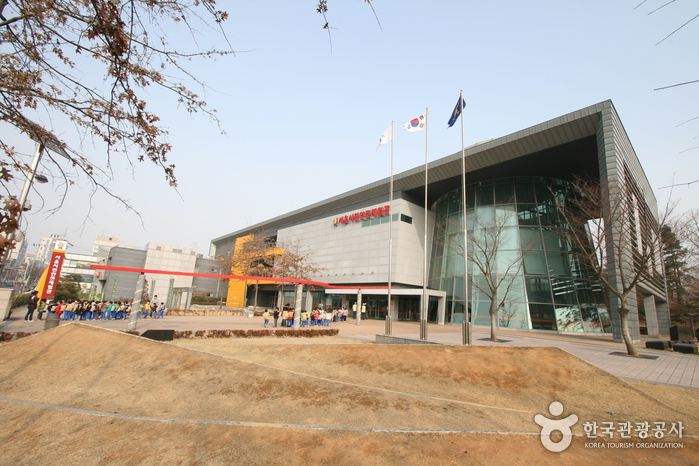
Gwangnaru Safety Experience Center (광나루안전체험관)
12.5Km 2025-03-29
238, Neungdong-ro, Gwangjin-gu, Seoul
+82-2-2049-4061
Gwangnaru Safety Experience Center was founded in 1999 after two fire accidents in which many children lost their lives. These tragedies emphasized the necessity of establishing a disaster training center for common citizens.
Gwangnaru Safety Experience Center is a three-story building with one basement floor, covering an area of more than 5,000 m². The basement floor includes a small theater. The first floor is set up for natural disaster training and consists of an orientation hall, storm simulation training room, earthquake simulation room, computer tests on fire safety knowledge and others. The second floor is a place for artificial catastrophe training. It consists of a smoke escape training room, fire extinguisher training room, first-aid (CPR) training room and practice place for calling 119. The third floor is used for rescue training and consists of a rescue training room, screening room, training for professionals and video examples of the five biggest disasters that have occurred in Seoul. Overall there are about 20 training areas established, so citizens can experience the imitation of a disaster by themselves and learn easily and in an interesting way how to cope with a disaster.
 English
 한국어
한국어 日本語
日本語 中文(简体)
 Deutsch
 Français
 Español
 Русский


