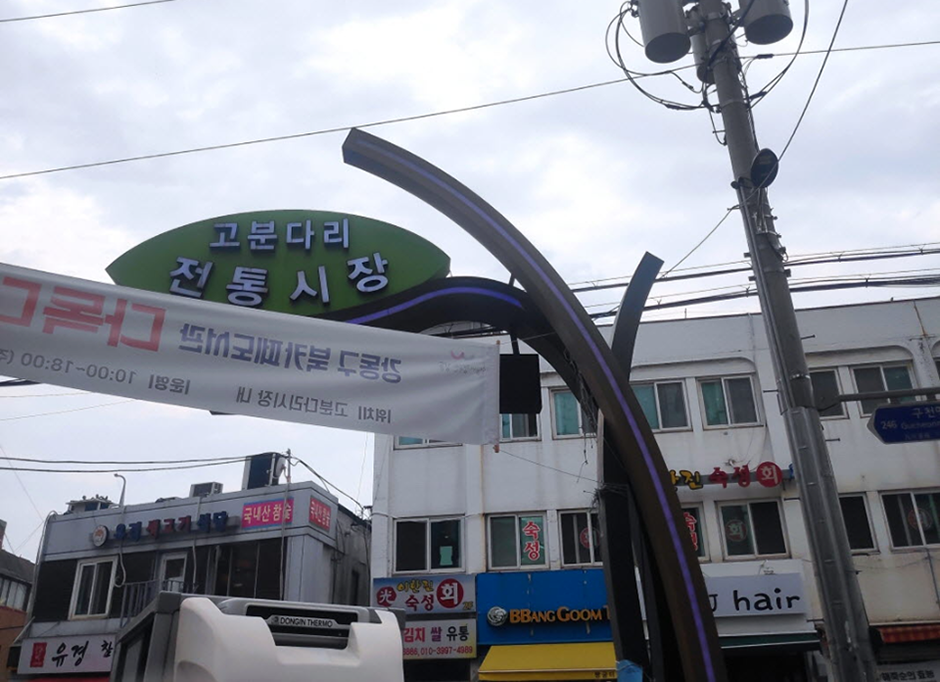
Gobundari Market (고분다리 전통시장)
5.5Km 2023-12-22
8 Gucheonmyeon-ro 34-gil, Gangdong-gu, Seoul
Gobundari Market is a traditional market that takes care of food, clothing, and shelter for residents in Cheonho-dong. Because it is located in the center of the neighborhood, it is also a market where one can get a closer look into the daily lives of locals. One characteristic that stands out from this traditional market is none other than the murals. Murals of various themes that decorate the market area add eclectic energy to the quaint neighborhood. Like any other traditional markets, there are stores where visitors can purchase Koreans’ all-time favorite snacks.
![Olive Young - Yeoksam Station Branch [Tax Refund Shop] (올리브영 역삼역)](http://tong.visitkorea.or.kr/cms/resource/82/2879982_image2_1.jpg)
Olive Young - Yeoksam Station Branch [Tax Refund Shop] (올리브영 역삼역)
5.5Km 2024-04-17
138, Teheran-ro, Gangnam-gu, Seoul
-
![Olive Young - Cheonggu Station Branch [Tax Refund Shop] (올리브영 청구역)](http://tong.visitkorea.or.kr/cms/resource/39/2878739_image2_1.jpg)
Olive Young - Cheonggu Station Branch [Tax Refund Shop] (올리브영 청구역)
5.5Km 2024-04-18
A section of 1F, 168, Dasan-ro, Jung-gu, Seoul
-
![Himart - Cheonggu Branch [Tax Refund Shop] (하이마트 청구점)](http://tong.visitkorea.or.kr/cms/resource/46/2889946_image2_1.jpg)
Himart - Cheonggu Branch [Tax Refund Shop] (하이마트 청구점)
5.5Km 2024-04-18
210, Dasan-ro, Jung-gu, Seoul
-
![Opera Plastic Surgery [Tax Refund Shop] (오페라성형외과의원)](http://tong.visitkorea.or.kr/cms/resource/91/3314091_image2_1.jpg)
Opera Plastic Surgery [Tax Refund Shop] (오페라성형외과의원)
5.5Km 2024-06-27
527, Gangnam-daero, Seocho-gu, Seoul
-
![CheongKwanJang - Nonhyeon Branch [Tax Refund Shop] (정관장 논현)](http://tong.visitkorea.or.kr/cms/resource/41/2888241_image2_1.jpg)
CheongKwanJang - Nonhyeon Branch [Tax Refund Shop] (정관장 논현)
5.5Km 2024-04-17
1F, #105, 506, Gangnam-daero, Gangnam-gu, Seoul
-
![Davich Optical - Dogok Branch [Tax Refund Shop] (다비치 도곡점)](http://tong.visitkorea.or.kr/cms/resource/56/2890556_image2_1.jpg)
Davich Optical - Dogok Branch [Tax Refund Shop] (다비치 도곡점)
5.5Km 2024-04-18
1F, 206, Seolleung-ro, Gangnam-gu, Seoul
-
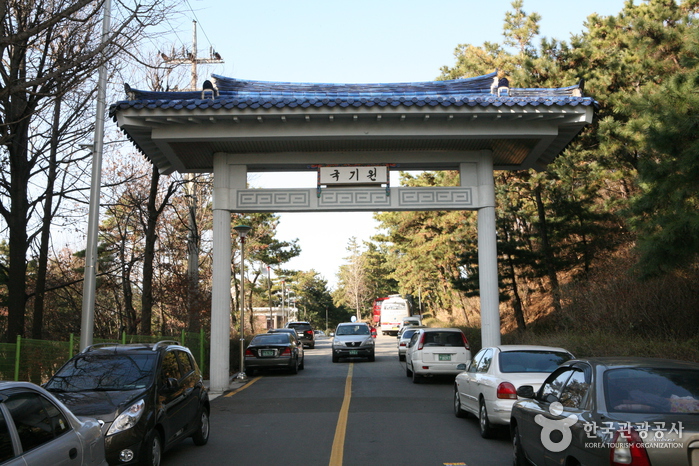
Kukkiwon (World Taekwondo Headquarters) (국기원(세계태권도본부))
5.5Km 2024-03-06
(Kukkiwon), 32, Teheran-ro 7-gil, Gangnam-gu, Seoul
+82-2-567-1058
Established in 1972, Kukkiwon serves as the headquarters of World Taekwondo. The organization strives to promote the Korean cultural heritage of Taekwondo across the world and set the culture of Taekwondo. To that end, it provides Taekwondo instructor training, undertakes research and development of Taekwondo techniques, and hosts the World Taekwondo Hanmadang. The nearby Kukkiwon Memorial Hall collects and exhibits artifacts related to Taekwondo’s history.

Maria Fertility Hospital (마리아병원)
5.5Km 2025-10-23
20 Cheonho-daero, Dongdaemun-gu, Seoul
In 1967, Maria Obstetrics and Gynecology opened where the Maria Fertility Hospital (Sinseol-dong, Dongdaemun-gu, Seoul) sits today, leading to the creation of the Maria Medical Foundation. At the time, the doctor willingly visited patients' houses with an old house-call bag even in the early mornings, no matter where a patient lived. This founding spirit became the root of the hospital's principles and commitment to its services.
Maria Fertility Hospital ranks number one in in-vitro fertilization cases, accounting for approximately 30% of the total cases among fertility hospitals. The hospital opened branches so that patients can conveniently experience the medical know-how of Maria Fertility Hospital no matter where they live across the country. The branches provide optimum diagnosis of problems through close collaborations among the branches.
The hospital has become a globally renowned fertility center, going beyond its unrivaled number-one position in fertility medicine in Korea. The hospital is dedicated to finding the best solution through research, and helping infertile patients realize their dreams of having a baby to create a healthy and happy family.
Maria Fertility Hospital is moving forward with the philosophy and heritage it inherited from the Maria Medical Foundation.
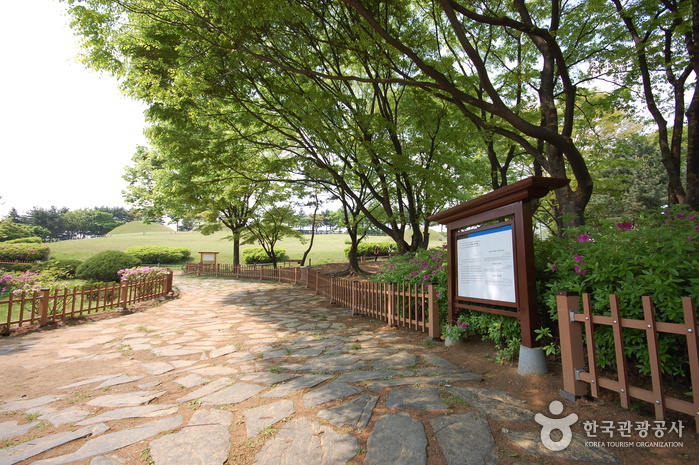
Seoul Bangidong Ancient Tombs (서울 방이동 고분군)
5.5Km 2022-12-29
219, Ogeum-ro, Songpa-gu, Seoul
+82-2-2147-2800
The ancient tombs in Bangi-dong were discovered during the land readjustment project of Jamsil-jigu District in 1975. A total of eight ancient tombs were excavated until 1976, and the site was restored into a park in 1983. The Bangi-dong area was originally a low line of hills with an altitude of 30-50 meters above sea level, but it has been made into flatland for urban development purposes. Tomb numbers 1 to 6 lie on the same hill, while tomb no. 7 and 8 are located on another hill a short distance away.
All eight tombs have circular burial mounds. The insides of the a tomb feature a square or rectangular-shaped burial chamber with earthen ground and stone walls, and a passage leading from the tomb entrance to the chamber. However, details of the burial chambers vary by tomb. Most of the tombs had been robbed before the investigation, but a few relics such as plates and pots have been excavated. At the time of excavation, the relics were presumed to have come from the Baekje dynasty (18 BC-660 AD), but it is now estimated that they date back to the Unified Silla Period (676-935 AD).
 English
 한국어
한국어 日本語
日本語 中文(简体)
 Deutsch
 Français
 Español
 Русский


