![Chicor - IPARK Mall Branch [Tax Refund Shop] (시코르 용산아이파크)](http://tong.visitkorea.or.kr/cms/resource/67/3314267_image2_1.jpg)
Chicor - IPARK Mall Branch [Tax Refund Shop] (시코르 용산아이파크)
9.4Km 2024-06-27
3F, 55, Hangang-daero 23-gil, Yongsan-gu, Seoul
-

Olive Young - Yongsan I'Park Mall Branch [Tax Refund Shop] (올리브영 용산아이파크몰점)
9.4Km 2024-06-27
4F, 55, Hangang-daero 23-gil, Yongsan-gu, Seoul
-
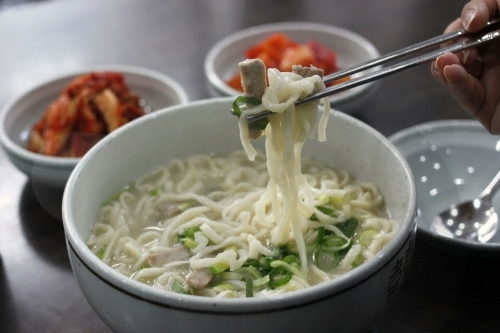
Jeongdong Guksi (정동국시)
9.4Km 2024-06-19
5 Jeongdong-gil, Jung-gu, Seoul
02-732-0114
Jeongdong Guksi features a rich soup with a clean taste, created by carefully removing the oil dozens of times while boiling Korean beef bones for 15 hours. The restaurant uses this same beef bone broth in their mandutguk (dumpling soup), something not many restaurants do. The rich flavor of the broth combined with the soft dumplings, made in-house daily, is a must-try. The restaurant is also surrounded by many cultural and artistic spaces, making it a great addition to tours in the area.
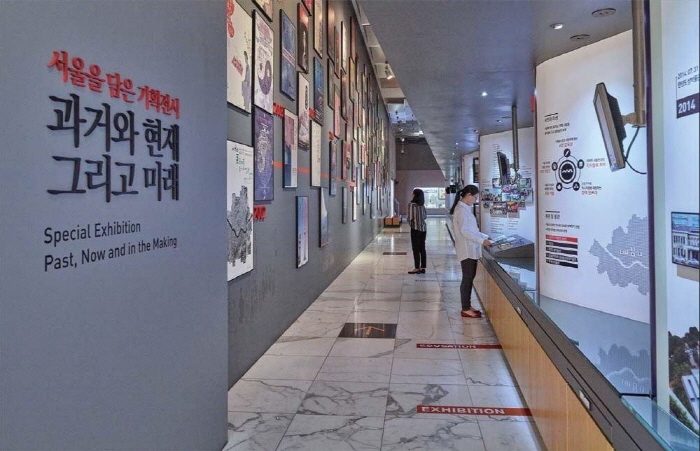
Seoul Museum of History (서울역사박물관)
9.4Km 2025-01-17
55 Saemunan-ro, Jongno-gu, Seoul
Seoul Museum of History covers everything about Seoul's history and culture from the prehistoric era to modern times, focusing especially on the Joseon era. The museum aims to raise cultural awareness and build a strong bond within the community by collecting, preserving, researching, and displaying artifacts and materials related to Seoul as well as promoting the city's history and culture to an international audience.
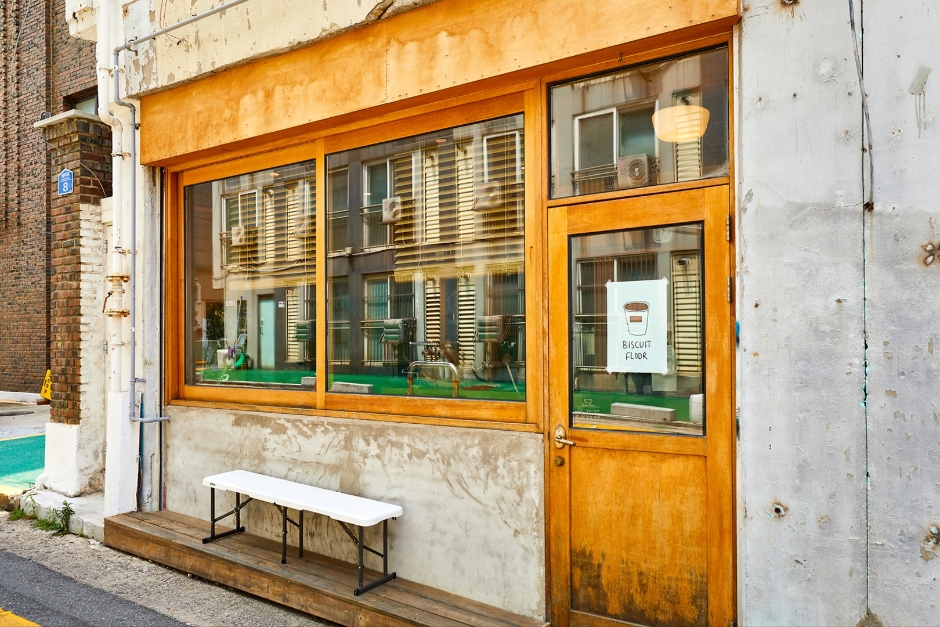
Biscuit Floor (비스킷플로어)
9.5Km 2024-03-18
6 Dongil-ro 190-gil, Nowon-gu, Seoul
Biscuit Floor is a small cafe in Gongneung known for its pour-over coffee. It's located near the Seoul Museum of Art, so it's a good place to stop by. Visitors can enjoy pour-over coffee by choosing from a variety of coffee beans that vary depending on the season. It also offers Christmas blend coffee on Christmas. As the name suggests, there are cookies that go well with coffee that can also be tasted. The place has signature cookies with tasty names. "Little, Pepper Pepper Cookie" boasts a peppery, spicy taste, and "Cookie with No Name, Yet" is filled with plenty of nuts and chocolate.
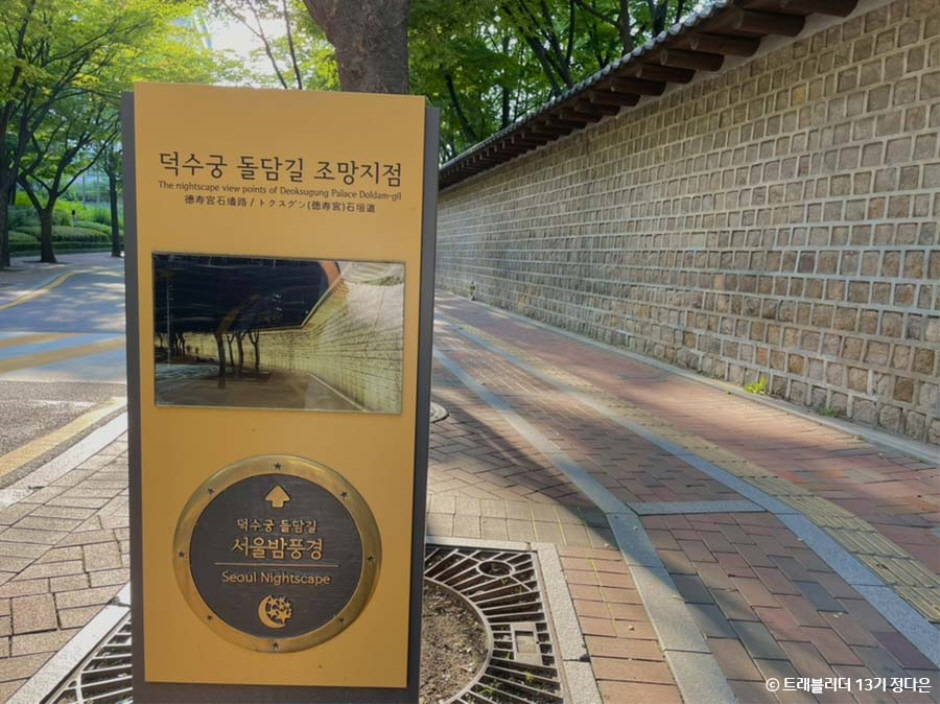
Jeongdong-gil Road (정동길)
9.5Km 2024-06-19
2-1 Jeongdong-gil, Jung-gu, Seoul
Jeongdong-gil Road is one of Seoul's most famous walking paths, stretching from the intersection in front of Jeongdong Church to Saemunan-gil Road. The street holds importance in Korea's modern history, with the surroundings serving as a living museum of this. During the Joseon dynasty, the area developed into a residental space for distant members of the royal family, with a palace and royal tombs in the area. In 1999, the pedestrian walking area was expanded by turning the two-way road into a one-way road. Since then, the road has earned many awards and honors.
Seoul Hyochang Park (서울 효창공원)
9.5Km 2024-07-09
177-18 Hyochangwon-ro, Yongsan-gu, Seoul
+82-2-2199-7608
Hyochang Park covers 122,245 square meters spanning across Hyochang-dong and Cheongpa 2-dong. It is a historic landmark that once contained several royal tombs, and was known at that time as Hyochangwon. The cemeteries that were originally located in Hyochangwon belonged to Crown Prince Munhyo, King Jeongjo’s first son who died at the age of five; Royal Noble Consort Uibin of the Seong Clan, King Jeongjo’s royal concubine and Crown Prince Munhyo’s mother; Royal Noble Consort Sugui of the Park Clan, King Sunjo’s royal concubine; and her daughter Princess Yeongon. The royal tombs were moved to Seooreung Tombs in the waning months of the Japanese colonial period. The Japanese empire began the development of Hyochangwon into a park in 1924, and the Japanese governor-general officially assigned the site as a park in 1940.
Presently, several of Korea’s greatest leaders are buried in Hyochang Park. The remains mostly belong to independence activists including Yoon Bong-gil, Lee Bong-chang, and Baek Jeong-gi, whose graves are collectively known as Samuisa Tomb. A statue of Lee Bong-chang has been built in the graveyard. Among the other patriotic martyrs who are interred in the park are Kim Gu and some of the key figures of the provisional government such as Lee Dong-nyeong, Cha I-seok, and Cho Seong-hwan. An ancestral shrine named Uiyeolsa has been built along the main gate and holds the portraits of the deceased independence activists.
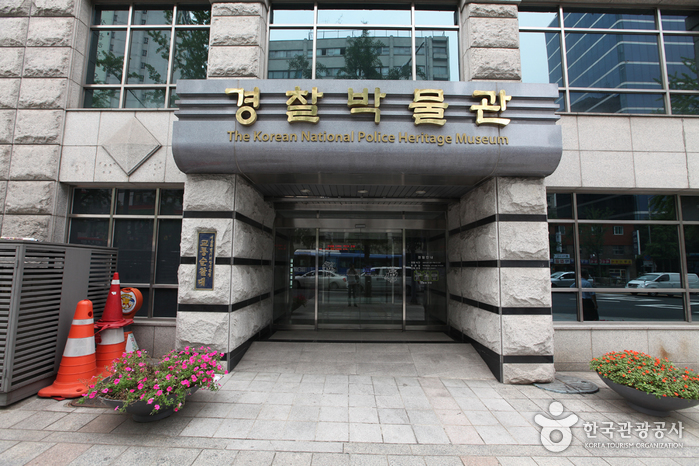
Korean National Police Heritage Museum (경찰박물관)
9.5Km 2021-12-21
41, Saemunan-ro, Jongno-gu, Seoul
+82-2-3150-3681
The police museum opened on October 14, 2005 to give a better understanding of the job of the police and to offer a formal education to children who wish to become police officers in the future. The history hall of the museum is designed for visitors to learn about the history of Korean police at a glance, exhibiting information on the police force from the Joseon dynasty up until current times.
Visitors to the museum can pretend to be police officers by touching actual equipment and learning about an officer's daily tasks. Visitors can also get in patrol cars, wear a police uniform, experience shooting a gun through a simulation, and learn self-defense martial arts and arrest techniques. Visitors can also go to the museum jail.
![Olive Young - Jeongdong Branch [Tax Refund Shop] (올리브영 정동)](http://tong.visitkorea.or.kr/cms/resource/11/2888011_image2_1.jpg)
Olive Young - Jeongdong Branch [Tax Refund Shop] (올리브영 정동)
9.5Km 2024-04-22
26, Saemunan-ro, Jung-gu, Seoul
-
 English
 한국어
한국어 日本語
日本語 中文(简体)
 Deutsch
 Français
 Español
 Русский


