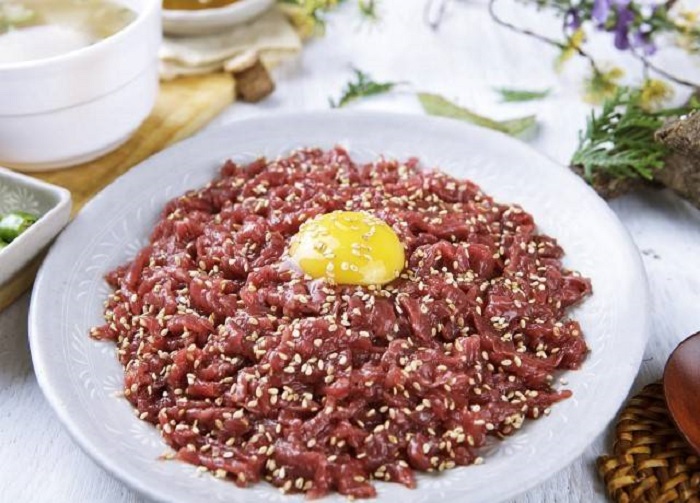
Buchon Yukhoe (부촌육회)
7.1Km 2024-03-04
200-12 Jong-ro, Jongno-gu, Seoul
Buchon Yukhoe is a renowned restaurant located in Gwangjang Market's Beef Tartare Street, selected by the Michelin Guide in 2023. It specializes in yukhoe (beef tartare), a Korean-style raw beef dish marinated with sesame oil and pear. The restaurant uses fresh Korean beef supplied daily, ensuring a delightful and nutty flavor. The simple seasoning enhances the natural taste of the ingredients, and the yolk-topped yukhoe adds visual appeal to the dish.
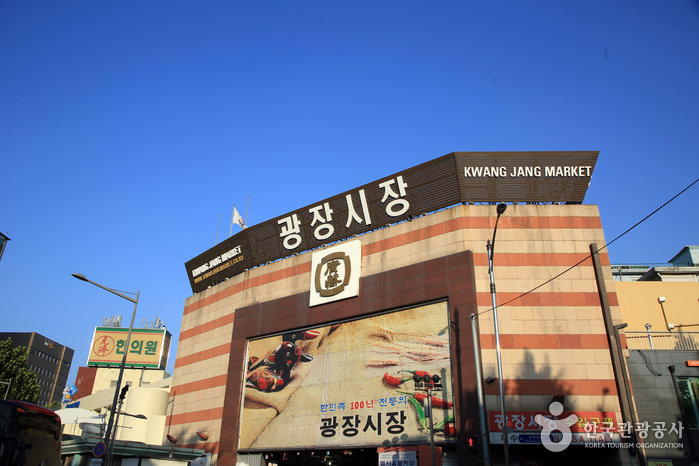
Gwangjang Market (광장시장)
7.1Km 2024-07-08
88, Changgyeonggung-ro, Jongno-gu, Seoul
+82-2-2267-0291
Gwangjang Market was the first permanent market in Korea and continues to thrive as a popular tourist destination today. The name Gwangjang means "to gather from afar and keep altogether." The market began as a small trading center that brought in goods from nearby regions, but has now grown into a large wholesale market selling a variety of goods, including upholstery, imported goods, groceries, dried fish, traditional goods, and more. The most popular section of the market is the food street connected to the East Gate, North Gate 2, and South Gate 1. The food street caters to a wide range of patrons due to the plethora of menus available. It is also one of the most recommended tourist attraction for international travelers.

Black Yak - Yangjae Branch [Tax Refund Shop] (블랙야크 양재)
7.1Km 2024-04-18
201, Baumoe-ro, Seocho-gu, Seoul
-
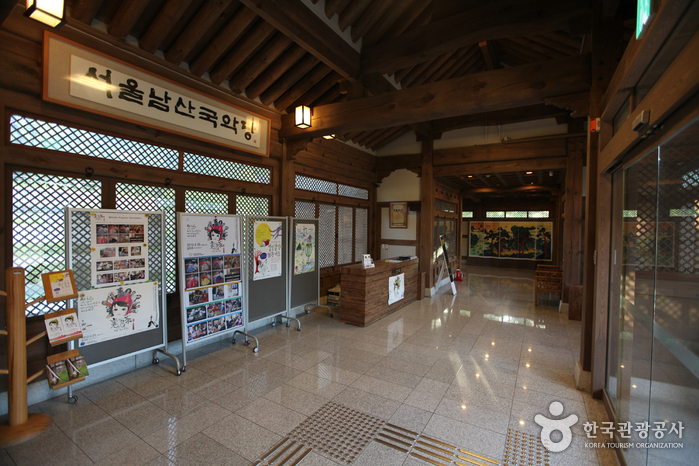
Seoul Namsan Gugakdang (서울 남산국악당)
7.1Km 2021-08-02
28, Toegye-ro 34-gil, Jung-gu, Seoul
+82-2-2261-0500
Seoul Namsan Gukakdang was established by Seoul Metropolitan Government as a representative traditional art-centered performance hall in 2007. It is comprised of one ground and two basement levels. The performance hall is located on the basement floor with 300 seats, equipped with facilities that deliver pansori sounds and gayageum music to every seat. Visitors can make a reservation at the Namsangol Hanok Village website.
![LG Best Shop - Banpo Branch [Tax Refund Shop] (엘지베스트샵 반포점)](http://tong.visitkorea.or.kr/cms/resource/86/2890286_image2_1.jpg)
LG Best Shop - Banpo Branch [Tax Refund Shop] (엘지베스트샵 반포점)
7.1Km 2024-04-18
165, Sinbanpo-ro, Seocho-gu, Seoul
-
![Uireung Royal Tomb [UNESCO World Heritage] (서울 의릉(경종, 선의왕후) [유네스코 세계문화유산])](http://tong.visitkorea.or.kr/cms/resource/80/2690680_image2_1.jpg)
Uireung Royal Tomb [UNESCO World Heritage] (서울 의릉(경종, 선의왕후) [유네스코 세계문화유산])
7.1Km 2021-06-03
146-20, Hwarang-ro 32-gil, Seongbuk-gu, Seoul
+82-2-964-0579
Uireung is the royal tomb of King Gyeongjong (reign 1720-1724), the 20th ruler of the Joseon dynasty, and his second wife, Queen Seonui.
King Gyeongjong was the first son of King Sukjong and Janghuibin, who was one of King Sukjong’s concubines. King Gyeongjong, who was born weak and anemic, died four years after becoming the king, without any great political achievements. Uireung tombs differ from the other royal double tombs in that they are not placed side-by-side. Instead, according to geomantic theory, one tomb has been placed directly behind the other one. The arrangement also shows that when making tombs, Korean ancestors did their best to protect the natural environment. Another feature of Uireung Royal Tomb is the stone fence raised using twelve stone posts. Each post has a letter inscribed, representing one of the twelve sibijisin gods.
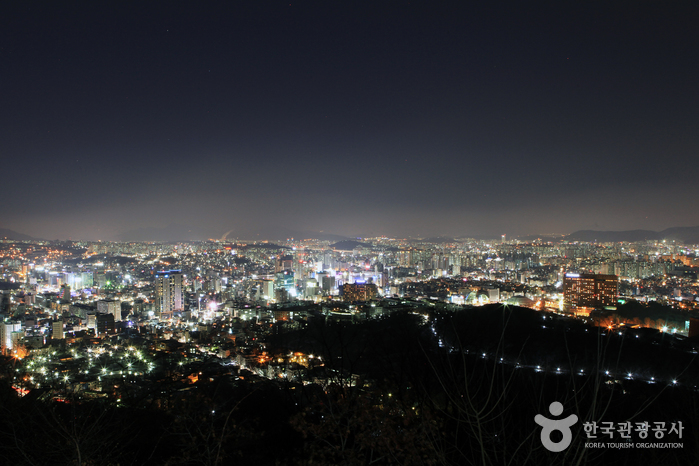
Seoul Namsan Park (남산공원(서울))
7.1Km 2024-03-18
231 Samil-daero, Jung-gu, Seoul
Namsan Mountain rises in the heart of Seoul at an altitude of 265 meters and has been a significant landmark since the Joseon dynasty (1392-1897), leaving behind several ruins. It was heavily damaged in the early 20th century, but was partially restored in 1968 with the creation of the park. Highlights include Namsan Tower and love locks left by numerous couples. Visitors can also easily reach the top by a cable car or bus.
![Olive Young - Itaewon Branch [Tax Refund Shop] (올리브영 이태원입구)](http://tong.visitkorea.or.kr/cms/resource/82/2878482_image2_1.jpg)
Olive Young - Itaewon Branch [Tax Refund Shop] (올리브영 이태원입구)
7.2Km 2024-04-18
1F, 145, Itaewon-ro, Yongsan-gu, Seoul
-
![Koibito - Gangnam Main Branch [Tax Refund Shop] (고이비토 강남본점)](http://tong.visitkorea.or.kr/cms/resource/05/2889105_image2_1.jpg)
Koibito - Gangnam Main Branch [Tax Refund Shop] (고이비토 강남본점)
7.2Km 2024-04-18
310-3, Banpo-daero, Seocho-gu, Seoul
-
 English
 한국어
한국어 日本語
日本語 中文(简体)
 Deutsch
 Français
 Español
 Русский


