
Yukjeon Hoekwan (역전회관)
10.0Km 2024-03-19
47, Tojeong-ro 37-gil, Mapo-gu, Seoul
+82-2-703-0019
Located in Mapo, Yukjeon Hoekwan is a Korean restaurant that has been selected for the Michelin Guide Seoul 2023. It has kept its original taste through four generations. The signature dish is the Bassak bulgogi (thin-sliced bulgogi), which is served without soup and has a moist juiciness, tender texture, and not-too-sweet seasoning. Patrons have the option to other dishes including yukhoe bibimbap (beef tartare bibimbap), nakji bokkeum (stir-fried octopus), bossam (kimchi cabbage wraps with pork), and samhap (skate, pork, and kimchi combo). In addition, the handcrafted makgeolli (unrefined rice wine) made in their own brewery is a must-try.
![Olive Young - Sadang Station Branch [Tax Refund Shop] (올리브영 사당역)](http://tong.visitkorea.or.kr/cms/resource/00/2880500_image2_1.jpg)
Olive Young - Sadang Station Branch [Tax Refund Shop] (올리브영 사당역)
10.0Km 2024-04-18
Jisan Bldg., 941, Gwacheon-daero, Gwanak-gu, Seoul
-
Cheongun Literature Library (청운문학도서관)
10.0Km 2023-08-16
40 , Jahamun-ro 36-gil, Jongno-gu, Seoul
Cheongun Literature Library is located at the foot of Inwangsan Mountain and can be reached by following the mountain's walking trail starting from Changuimun Gate along the fortress wall. This public hanok library is designed in consideration of the sloped topography and the natural scenery of Inwangsan Mountain. The library consists of two floors: an underground floor and a ground floor. While the ground floor is designed as a traditional hanok, the underground floor is made of concrete to support the hanok building and the spacious outdoor yard. By implementing the natural slope in the library's design, the underground southern entrance is exposed, allowing sunlight to enter. The underground floor features a wide collection of books while the ground floor serves as a place for reading. The natural environment surrounding the library adds to the hanok building's traditional and peaceful charms.
![Artbox - Wirye Branch [Tax Refund Shop] (아트박스 위례)](http://tong.visitkorea.or.kr/cms/resource/14/2879514_image2_1.jpg)
Artbox - Wirye Branch [Tax Refund Shop] (아트박스 위례)
10.0Km 2024-04-17
230, Wiryegwangjang-ro, Songpa-gu, Seoul
-
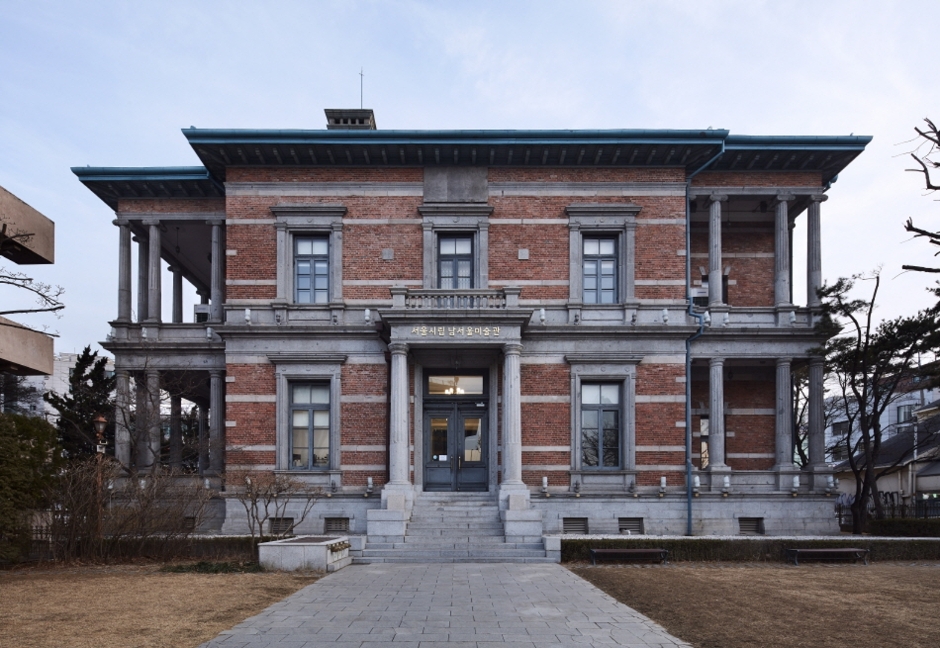
Nam-Seoul Museum of Art (SeMA) (서울시립미술관 남서울생활미술관)
10.0Km 2023-10-17
2076, Nambusunhwan-ro, Gwanak-gu, Seoul
+82-2-598-6246
The Nam-Seoul Museum of Art offers visitors a meaningful opportunity to linger beside the traces of history. The building previously served as the Belgian Consulate during the Korean Empire (1897-1910) and has since been designated as a historic Site. It was first constructed in Hoehyeon-dong in 1905 and was relocated to its current location in Namhyeon-dong in 1983. The museum hosts public programs tailored for audiences from various backgrounds in rooms arranged along both sides of a long corridor in the two-story building.
Korea Institute of Radiological & Medical Sciences, Korea Cancer Center Hospital (한국원자력의학원 원자력병원)
10.0Km 2025-11-28
75 Nowon-ro, Nowon-gu, Seoul
KCCH (Korea Cancer Center Hospital) is a leading institution specializing in cancer diagnosis, treatment, and research using radiation. It has established an efficient collaborative care system and an integrated multidisciplinary approach to treatment. In addition to cancer care, the hospital operates a hospice palliative care center, offering holistic care to patients. As a government-funded organization, it actively conducts molecular cancer research and studies on the effects of radiation on the human body. With the introduction of PET/MRI diagnostics, KCCH develops more precise treatment plans and leads international clinical research, continuously improving cancer treatment outcomes through advanced research.
Gwacheon Chusa Museum (추사박물관(과천))
10.1Km 2023-07-14
78, Chusa-ro, Gwacheon-si, Gyeonggi-do
+82-2-2150-3650
Gwacheon was where Chusa Gim Jeong-hui immersed himself in studies and arts to ignite his final artistic spirit in the twilight of his life. The city of Gwacheon opened Chusa Museum in order to promulgate the essence of the learning and arts that Chusa flowered. The museum features the life exhibit of Chusa, an art and science exhibit, a planned exhibit hall, an experience room, lounges, a museum shop and an education room for thoroughly researching, exhibiting and experiencing Chusa.
Artbox - Guri Branch [Tax Refund Shop] (아트박스 구리)
10.1Km 2024-04-19
A section and 2F, 247, Gyeongchun-ro, Guri-si, Gyeonggi-do
-
![Olive Young - Guri Station Branch [Tax Refund Shop] (올리브영 구리역)](http://tong.visitkorea.or.kr/cms/resource/63/2888663_image2_1.jpg)
Olive Young - Guri Station Branch [Tax Refund Shop] (올리브영 구리역)
10.1Km 2024-04-18
247, Gyeongchun-ro, Guri-si, Gyeonggi-do
-
Seodaemun Independence Park (서대문독립공원)
10.1Km 2022-12-15
251, Tongil-ro, Seodaemun-gu, Seoul
+82-2-3140-8305
Seodaemun Independence Park was built on the former Seoul Detention Camp. It was used to imprison thousands of Korean independence activists until the liberation from the Japanese occupation on August 15, 1945, as well as the political prisoners during the political turmoil in the 1960s. When the prison was moved to Uiwang-si, Gyeonggi-do in November 1987, the area was restored and turned into a memorial park in August 15, 1992 to honor the sacrifices of the martyrs. The park preserves seven prison buildings, an execution ground, underground women’s prison, and the March 1st Movement Monument that has been moved from Tapgol Park in Jongno.
One of the most significant monuments of the Seodaemun Independence Park is Dongnimmun Gate (Independence Gate), which has been designated a Historic Site. Nearby is Dongnipgwan (Independence Hall), originally called Mohwagwan, which was used to greet Chinese envoys during the Joseon dynasty. Today, the hall enshrines 2,327 tablets inscribed with the names of Koreans who died for the cause of national independence. Standing right next to Dongnimmun Gate are the remnants of Yeongeunmun Gate, another Historic Site. Other sights inside the park include the Patriotic Martyr Monument, Declaration of Independence Monument, and Statue of Dr. Seo Jae-pil, who was an independence activist and publisher of Korea’s first independent newspaper. The main highlight of the park is the Seodaemun Prison History Hall, a former prison building that was renovated into a history museum.
 English
 한국어
한국어 日本語
日本語 中文(简体)
 Deutsch
 Français
 Español
 Русский


