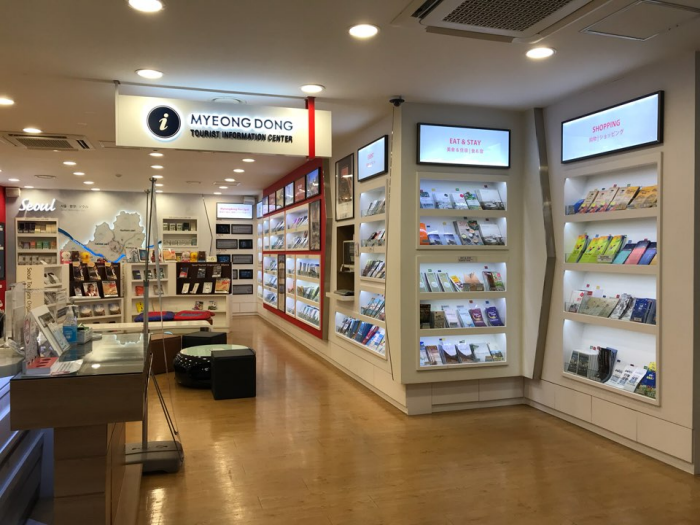
Myeong-dong Tourist Information Center (명동관광정보센터)
7.2Km 2023-01-03
66, Eulji-ro, Jung-gu, Seoul
+82-2-778-0333
Myeong-dong Tourist Information Center provides information on traveling, shopping, attractions, and more in Seoul. Service is provided in Korean, English, Japanese, and Chinese. The center also offers experience programs like using Hangeul stamps.
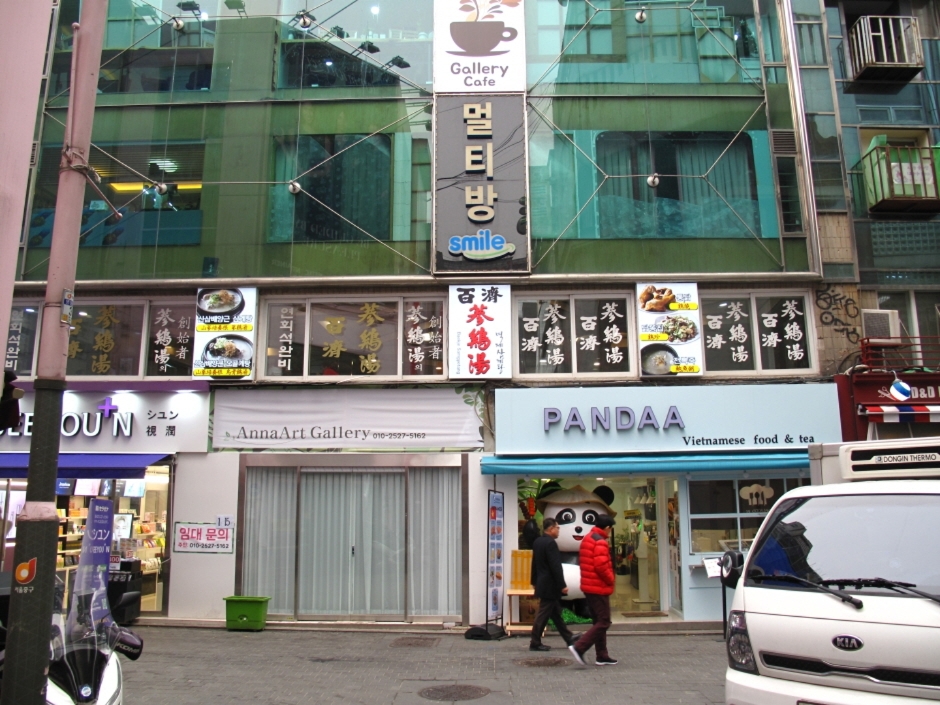
Baekje Samgyetang (백제삼계탕)
7.2Km 2024-03-11
8-10, Myeongdong 8-gil, Jung-gu, Seoul
+82-2-776-3267
Located in Myeongdong Street, Baekje Samgyetang is renowned for samgye tang (ginseng chicken soup). This long-standing establishment has been in business for two generations since 1971 so it has been featured on TV in Korea and other countries. In addition to samgye tang, they also serve chicken dishes such as dakdori tang (spicy braised chicken), roasted chicken, and jeonbok juk (abalone porridge), attracting numerous patrons.
![8 Seconds - Myeong-dong Branch [Tax Refund Shop] (에잇세컨즈 명동점)](http://tong.visitkorea.or.kr/cms/resource/41/2878641_image2_1.jpg)
8 Seconds - Myeong-dong Branch [Tax Refund Shop] (에잇세컨즈 명동점)
7.2Km 2024-04-22
32, Myeongdong-gil, Jung-gu, Seoul
-

HM International Korean Medicine Clinic (하늘마음한의원 서초강남점)
7.2Km 2025-10-23
2nd Floor, Seokjeong Building, 96 Banpo-daero, Seocho-gu, Seoul,
Hanulmaum Korean Medicine Clinic is an institution that has been specializing in the treatment of various skin diseases, including psoriasis, atopic dermatitis, and seborrheic dermatitis, for 35 years. The clinic aims for personalized treatment that considers an individual's constitution and symptoms.
Treatment methods include herbal medicine to boost internal immunity, acupuncture to assist with blood and energy circulation, and topical agents to alleviate skin inflammation. Haneulmaeum Clinic emphasizes an integrated approach that simultaneously treats both the internal and external root causes of skin diseases. Furthermore, it provides education and counseling to help patients improve their lifestyle habits.
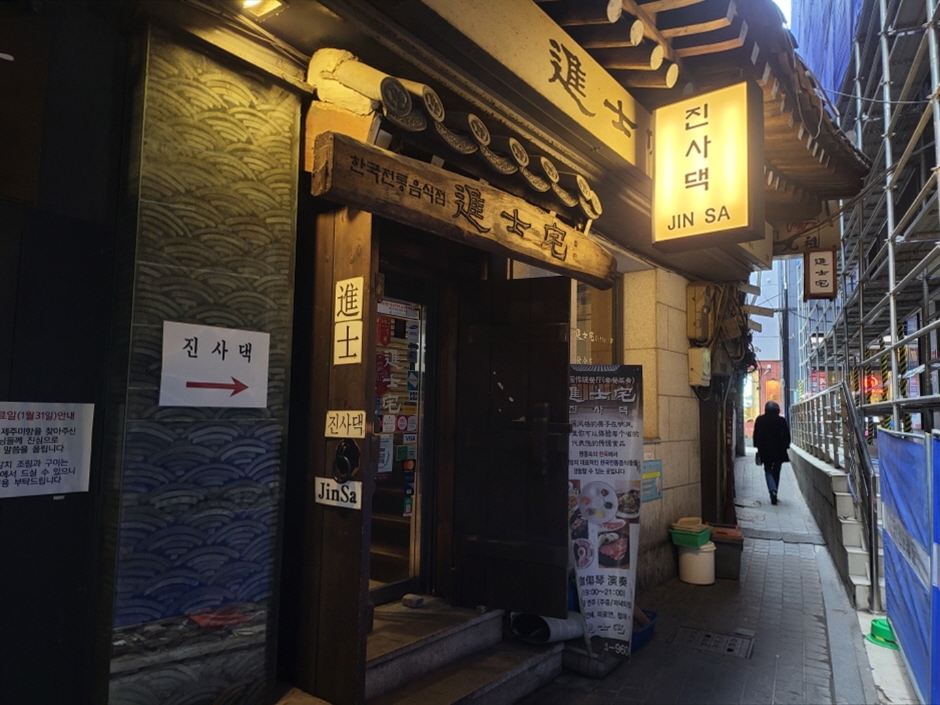
Jinsadaek (진사댁)
7.2Km 2024-03-15
30-1 Myeongdong-gil, Jung-gu, Seoul
+82-2-774-9605
Jinsadaek is a traditional Korean restaurant located near Myeongdong Cathedral. It specializes in serving high-end Korean table d'hote prepared with ingredients such as beef, abalone, fish, soybean paste, blue crabs, and japchae. Additionally, they offer specialties like bori gulbi jeongsik (barley-aged dried yellow croaker set menu), ganjang gejang jeongsik (soy sauce marinated crab set menu).
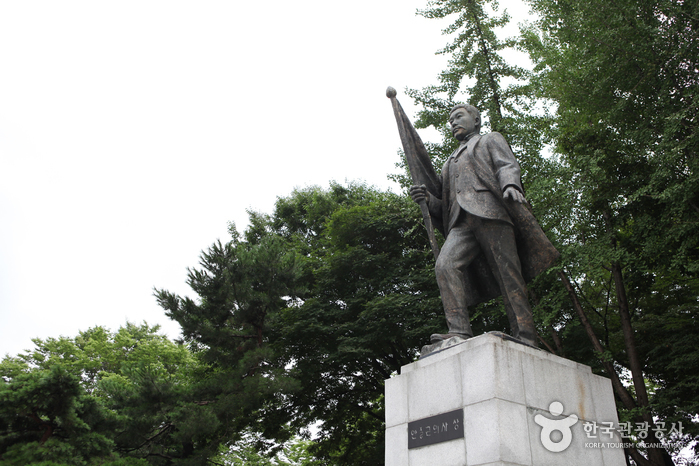
Ahn Junggeun Memorial Museum (안중근의사기념관)
7.2Km 2024-03-06
91, Sowol-ro, Jung-gu, Seoul
82-2-3789-1016
The Ahn Junggeun Memorial Museum honors the memory of Ahn Junggeun (1879-1910), an independence activist and soldier who advocated for Korean independence and peace in Asia. He fought against the Japanese to defend the Korean Empire (1897-1910). He was executed in 1910 for assassinating Hirobumi Ito, the Japanese who led the invasion of Korea in 1909, in Harbin, China.
21 Century Hospital (서울21세기병원)
7.2Km 2026-01-02
39 Seochojungang-ro, Seocho-gu, Seoul
Opened in 1999, 21st Century Hospital has a long-standing medical staff, most of whom have worked for the hospital for many years.
This safety has attracted many patients to our hospital.
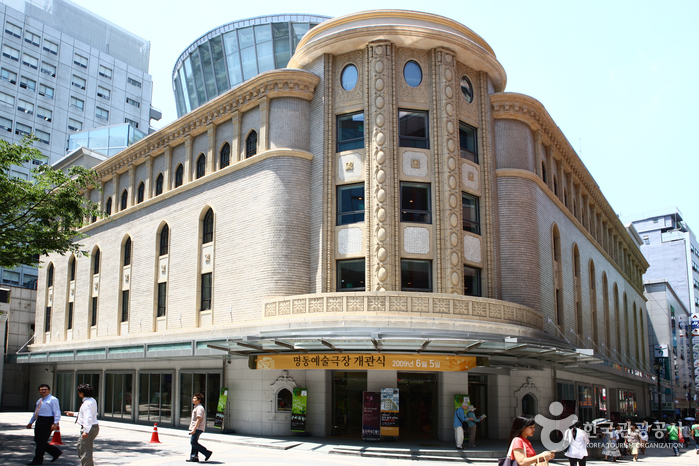
Myeongdong Theater (명동예술극장)
7.2Km 2021-06-09
35, Myeongdong-gil, Jung-gu, Seoul
+82-1644-2003
Myeongdong Theater is an exclusive theatrical performance center, located in what was originally the National Theater of Korea. From 1934 to 1973, the National Theater of Korea pioneered Korean arts and culture, serving as a movie theater, performance hall and art theater. Though it closed its doors in 1975, it was reopened on June 5, 2009 after 3 years of renovation under the name of Myeongdong Theater. The exterior of the theater was left untouched, while the interior was completely updated for a modern design. The theater has a mid-sized performance hall with state-of-the-art stage equipment and a seating capacity of 588 seats. The close proximity of the seats and the stage offers great views as well as allows the audience to share the passion of the performers on stage. The theater presents a range of performances such as theatrical plays, experimental plays, non-verbal performances, and musicals. In addition, the place is a popular venue for diverse events like acting contests, theater festivals and performance festivals.
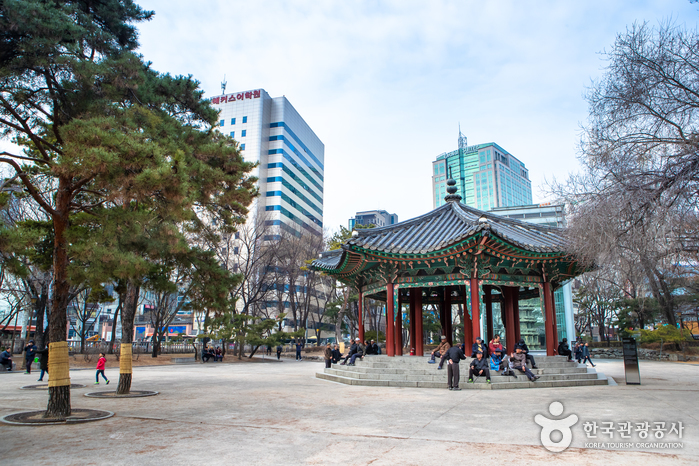
Tapgol Park (탑골공원)
7.2Km 2024-03-04
99, Jong-ro, Jongno-gu, Seoul
+82-2-731-0534
Tapgol Park is the first modern park in Seoul. Having been the site of the Buddhist temple of Wongaksa Temple since 1467, the land was turned into a park in 1897. The park has a significant presence in Korean history, being the place where the March 1 Independence Movement began in 1919. One can find historical sites that hearken back to the struggle, such as the Palgakjeong Pavilion, the center of the movement; cultural heritage sites such as the Ten-story Stone Pagoda of Wongaksa Temple Site and the Stele for the Construction of Daewongaksa Temple at Wongaksa Temple Site; and monuments such as the independence movement relief plate, murals, the statue of Son Byeong-hee, and the statue of Han Yong-un.
 English
 한국어
한국어 日本語
日本語 中文(简体)
 Deutsch
 Français
 Español
 Русский


