![Silit [Tax Refund Shop] (실리트)](http://tong.visitkorea.or.kr/cms/resource/54/3313354_image2_1.jpg)
![Sleep & Sleep [Tax Refund Shop] (슬립앤슬립)](http://tong.visitkorea.or.kr/cms/resource/13/3314713_image2_1.jpg)
Sleep & Sleep [Tax Refund Shop] (슬립앤슬립)
6.5Km 2024-06-27
2F, 20, Jangchungdan-ro 13-gil, Jung-gu, Seoul
-
![Lloyd - Hyundai City Outlets Dongdaemun Branch [Tax Refund Shop] (로이드현대시티아울렛동대문점)](http://tong.visitkorea.or.kr/cms/resource/20/2888920_image2_1.jpg)
Lloyd - Hyundai City Outlets Dongdaemun Branch [Tax Refund Shop] (로이드현대시티아울렛동대문점)
6.5Km 2024-06-27
20, Jangchungdan-ro 13-gil, Jung-gu, Seoul
-
![Funicut [Tax Refund Shop] (퍼니컷)](http://tong.visitkorea.or.kr/cms/resource/35/3312835_image2_1.jpg)
Funicut [Tax Refund Shop] (퍼니컷)
6.5Km 2024-06-28
B1, Hyundai City Outlet Dongdaemun Branch, 20, Jangchungdan-ro 13-gil, Jung-gu, Seoul
-
![ABC-Mart [Tax Refund Shop] (ABC마트)](http://tong.visitkorea.or.kr/cms/resource/67/3313367_image2_1.jpg)
ABC-Mart [Tax Refund Shop] (ABC마트)
6.5Km 2024-06-26
B1, Hyundai City Outlet Dongdaemun Branch, 20, Jangchungdan-ro 13-gil, Jung-gu, Seoul
-
![Innisfree - Sinseol-dong Station Branch [Tax Refund Shop] (이니스프리 신설동역)](http://tong.visitkorea.or.kr/cms/resource/30/2888030_image2_1.jpg)
Innisfree - Sinseol-dong Station Branch [Tax Refund Shop] (이니스프리 신설동역)
6.5Km 2024-04-17
1F, 20, Wangsan-ro, Dongdaemun-gu, Seoul
-
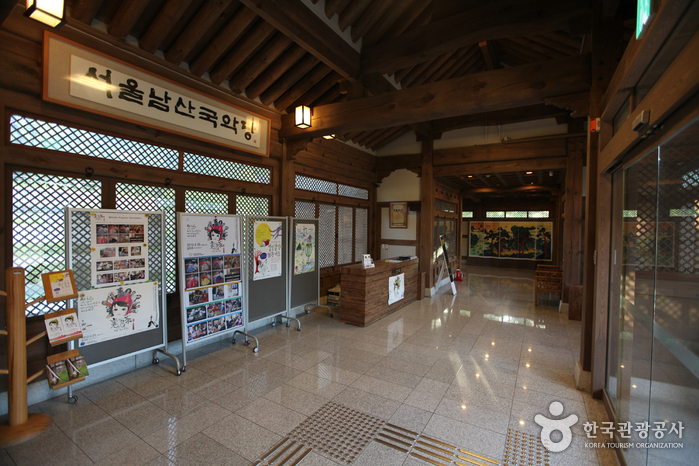
Seoul Namsan Gugakdang (서울 남산국악당)
6.5Km 2021-08-02
28, Toegye-ro 34-gil, Jung-gu, Seoul
+82-2-2261-0500
Seoul Namsan Gukakdang was established by Seoul Metropolitan Government as a representative traditional art-centered performance hall in 2007. It is comprised of one ground and two basement levels. The performance hall is located on the basement floor with 300 seats, equipped with facilities that deliver pansori sounds and gayageum music to every seat. Visitors can make a reservation at the Namsangol Hanok Village website.

Olympic Park (올림픽공원)
6.5Km 2023-10-19
424 Olympic-ro, Songpa-gu, Seoul
+82-2-410-1114
Olympic Park is an impressive leisure facility in which historic remains from the Baekje era share space with modern, state-of-the-art sports stadiums, an eco-friendly forest, and spacious grass fields. The legacy of the 1988 Seoul Olympics, the park not only houses the country’s largest sports arena, but has also become a place where Seoul residents come to relax and unwind.
Spread across approximately 1.45 million square meters, Olympic Park encompasses the land that was once Mongchontoseong Fortress and Mongchonhaeja (manmade lake) from the early Baekje period. The park is divided into several zones, including a leisure sports park, a cultural art park, an eco-park, and the History Experience Park dedicated to the area’s rich historic heritage.
Because Olympic Park is so large and takes over three hours to explore, visitors are advised to familiarize themselves with entrances and exits and travel routes before they start. To further save time, visitors can ride the Road Train (“Hodori Train”) located next to Peace Square.
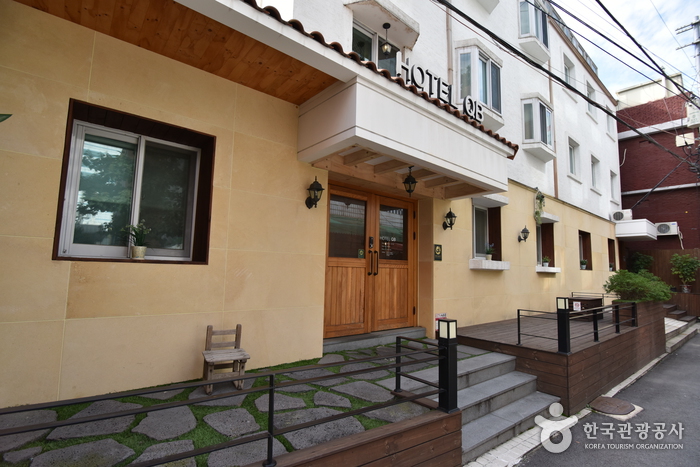
HOTEL QB (호텔큐비(호텔QB))
6.5Km 2024-12-23
322-10 , Jong-ro, Jongno-gu, Seoul
+82-2-743-1294
Hotel QB in Jongno-gu, Seoul, is conveniently located a 3-minute walk from Dongdaemun subway station and close to the airport bus stop. Rooms range from single rooms for individual travelers to a quad room, and there is a studio and fitting room where selfies and photos can be taken. The hotel cafe has a microwave, water purifier and refrigerator, and customized travel consulting and free luggage storage are provided in the lobby. Dongdaemun History and Culture Park, Dongmyo Flea Market and a variety of fashion wholesalers are all nearby.
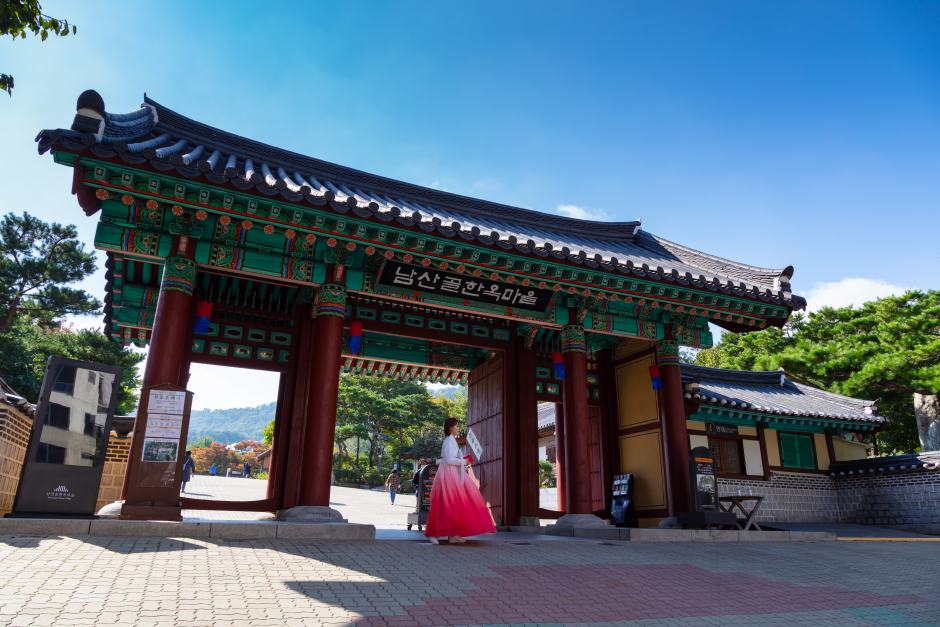
Namsangol Hanok Village (남산골한옥마을)
6.5Km 2025-07-14
28 Toegye-ro 34-gil, Jung-gu, Seoul
Namsangol Hanok Village opened in 1998 on the northern side of Namsan Mountain in the center of the capital. This village has five restored hanok (traditional Korean house) premises, a pavilion, a traditional garden, a performance art stage, and a time capsule plaza, making it a perfect spot for locals and tourists to take a leisure walk. Upon entering from the front gate, visitors will get a taste of Korea's traditional life while escaping from bustling city life. The traditional garden with its pavilion and old houses creates a peaceful ambiance before the forested Namsan Mountain. A time capsule commemorating Seoul’s 600th anniversary was buried in 1994 at the highest point of the village and is scheduled to be reopened 400 years later in 2394.
The five hanok premises at Namsangol Hanok Village once belonged to aristocrats and government officials of the Joseon dynasty. Each house was originally located in a different neighborhood, but they were all moved to this area and restored to their original form. The houses were rebuilt using their original materials, except for one house, where the materials were too old and deteriorated to be reused. The premises were carefully restored and replicated according to their original form to depict the owners’ social class and personality. These buildings are now used as an exhibit to portray the living environment during the Joseon dynasty and as a venue for educational and cultural programs for children and tourists.
Some of the unique programs and activities to participate in include wearing hanbok, folding hanji (traditional Korean paper), writing in Korean, traditional tea ceremony, traditional etiquette school, and herbal medicine experience. There are also taekwondo demonstrations and other various performances held around the village. Visitors can also try traditional games such as yunnori (traditional board game), or understand more about the area through a guided tour.
 English
 한국어
한국어 日本語
日本語 中文(简体)
 Deutsch
 Français
 Español
 Русский


