![World Top Pharmacy - Lotte Main Branch [Tax Refund Shop] (월드탑약국 롯데본점)](http://tong.visitkorea.or.kr/cms/resource/35/2887935_image2_1.jpg)
World Top Pharmacy - Lotte Main Branch [Tax Refund Shop] (월드탑약국 롯데본점)
6.9Km 2024-04-16
9F, 81, Namdaemun-ro, Jung-gu, Seoul
-
![Lucenlee - Lotte Main Branch [Tax Refund Shop] (루첸리 롯데본점)](http://tong.visitkorea.or.kr/cms/resource/29/3313629_image2_1.jpg)
Lucenlee - Lotte Main Branch [Tax Refund Shop] (루첸리 롯데본점)
6.9Km 2024-06-26
81, Namdaemun-ro, Jung-gu, Seoul
-
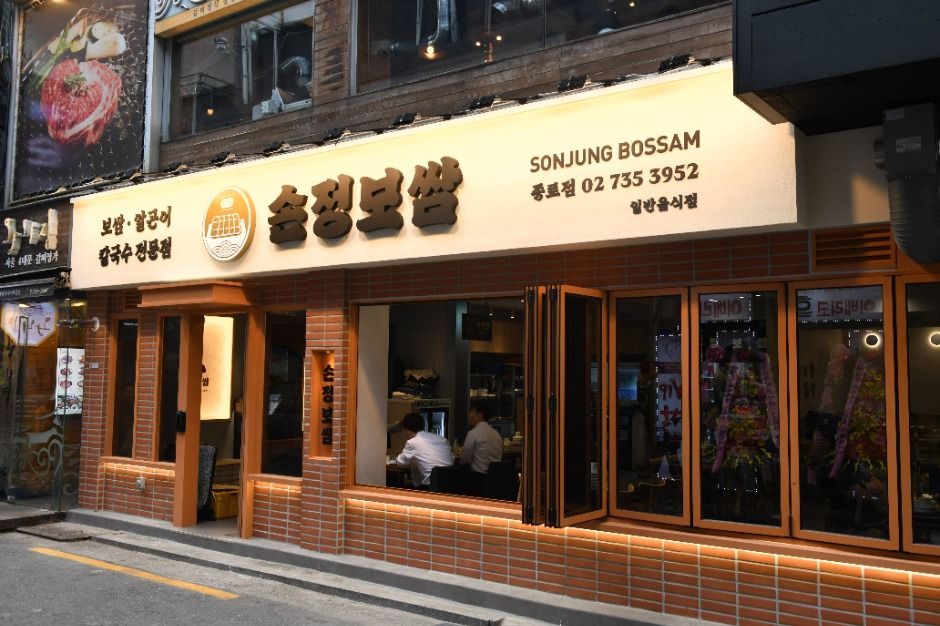
Sonjung Bossam (손정보쌈)
6.9Km 2025-07-25
24 Samil-daero 15-gil, Jongno-gu, Seoul
Sonjung Bossam offers dishes with a modern touch by reinterpreting traditional meals. Passed down for three generations, this restaurant values sincerity and careful attention in food making in order to serve every customer a heartwarming meal. Sonjung Bossam's signature dish Premium Gabri Bossam takes only the rarest pork cut, the blade-end fatback called "gabri" in Korean, and boils the meat using the restaurant's secret recipe for tender, juicy meat. The restaurant also serves their own special version of spicy stir-fried fish roe and intestines and haemultang (spicy seafood stew), boasting a generous amount of various seafood and rich broth. All meals are prepared wholeheartedly as if they are being served to a family.
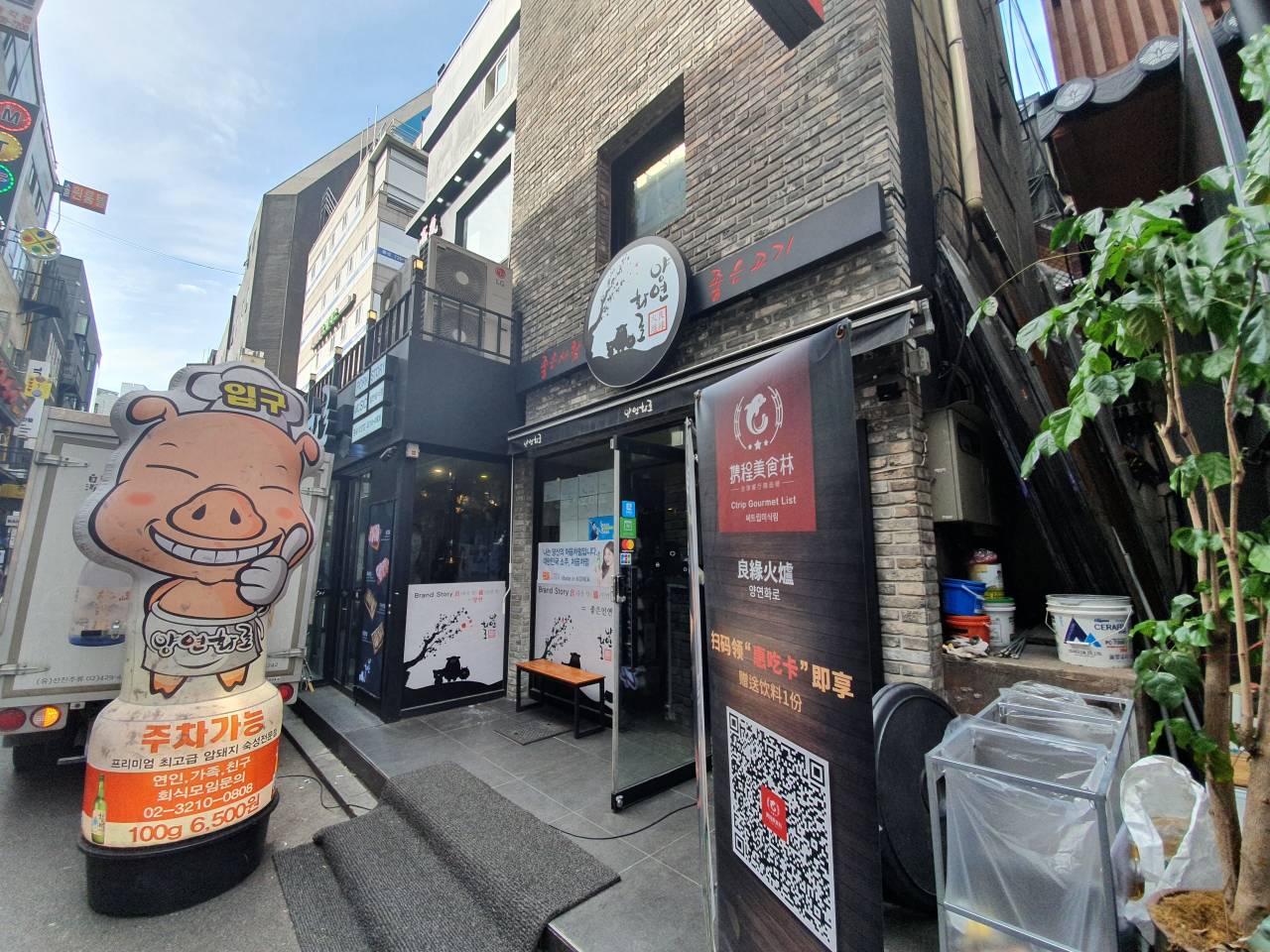
Yangyeon Hwaro (양연화로)
6.9Km 2024-03-05
18 Samil-daero 17-gil, Jongno-gu, Seoul
+82-2-3210-0808
Yangyeon Hwaro is located in Jongno and is renowned for offering the essence of Korean-style barbecue. Its signature dish is the aged pork belly, grilled over charcoal, bursting with charcoal aroma and juiciness. Additionally, the menu includes various cuts of pork such as shoulder, thin skirt, and pork neck, as well as beef options like boneless short ribs and beef tartare. The staff personally grill the meat for the customers.
![New Kaist Eyewear [Tax Refund Shop] (뉴카이스트안경원)](http://tong.visitkorea.or.kr/cms/resource/81/2878581_image2_1.jpg)
New Kaist Eyewear [Tax Refund Shop] (뉴카이스트안경원)
6.9Km 2024-04-22
12-2, Namdaemunsijang 4-gil, Jung-gu, Seoul
-
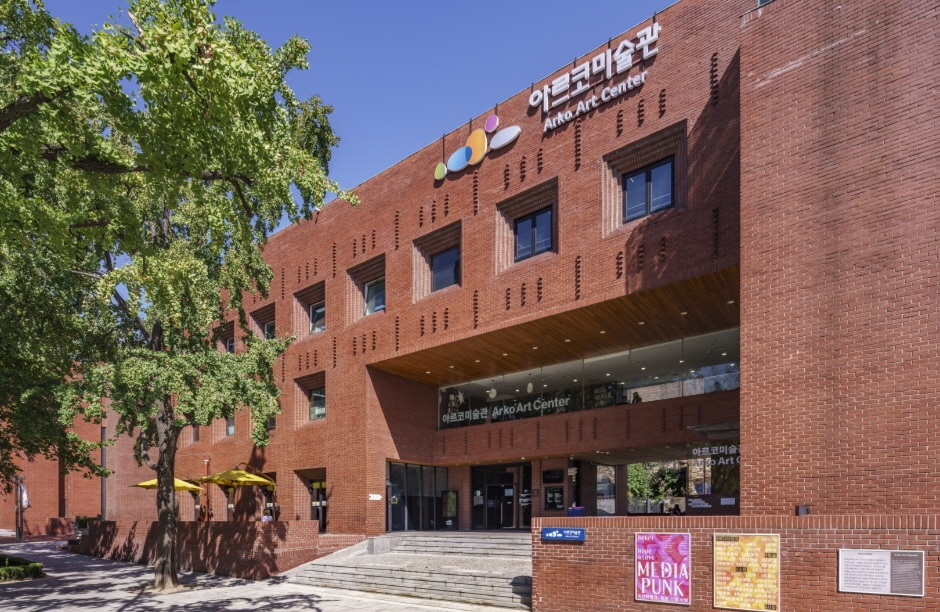
ARKO Art Center (아르코미술관)
6.9Km 2025-06-05
3, Dongsung-gil, Jongno-gu, Seoul
+82-2-760-4850
ARKO Art Center was founded in 1974 as Misulhoegwan in a building of former Deoksu Hospital in Gwanhun-dong, Jongno-gu to offer much-needed exhibition space for artists and arts groups. In 1979, Misulhoegwan moved to its present building, designed by preeminent Korean architect Kim Swoo-geun (1931-1986) and located in Marronnier Park, the former site of Seoul National University. The two neighboring brick buildings accommodating ARKO Art Center and ARKO Arts Theater are the major landmarks of the district of Daehakro.
As more public and private museums and commercial galleries came into the art scene in the 1990s, Misulhoegwan shifted to curating and presenting its own exhibitions. Renamed as Marronnier Art Center in 2002, ARKO Art Center assumed a full-fledged art museum system and played an increasingly prominent role as a public arts organization leading the contemporary art paradigm. When The Korea Culture and Arts Foundation was reborn as Arts Council Korea, Marronnier Art Center became ARKO Art Center named after the abbreviation for Arts Council Korea in 2005.
ARKO Art Center is committed to working as a platform where research, production, exhibitions and the exchange of creative activities grow and develop in connection with one another in addition to having a diversity of programs including thematic exhibitions addressing social agenda and public programs widely promoting various discourses in art.
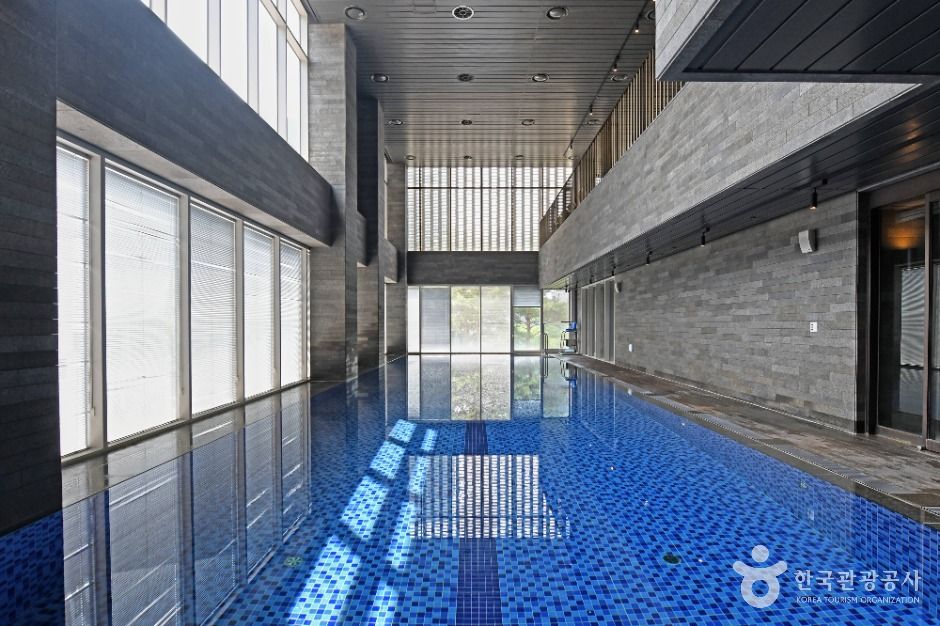
Heidi Haus (하이디하우스)
6.9Km 2025-09-24
11, Seongchon 4-gil, Seocho-gu, Seoul
Heidi Haus is a private club that offers a premium wellness and lifestyle in the heart of the city. Its customized programs are designed not only for restoring health but also for achieving peace of mind. With a spa using natural bedrock water, a state-of-the-art fitness center, and restaurants and cafés that guarantee comfortable relaxation, Heidi Haus provides everything for a well-balanced life. The highlight is its spa, themed around 12 motifs such as rose, lavender, and beauty. It uses mineral-rich bedrock water drawn from 1,000 meters underground, which is known to help with skin hydration, blood circulation, fatigue recovery, and immunity strengthening. The spa also features a sauna zone with five distinct styles, including far-infrared, steam, and Finnish saunas.
![E-Mart 24 - The Bank Of Korea Branch [Tax Refund Shop] (이마트24 한국은행)](http://tong.visitkorea.or.kr/cms/resource/78/2878578_image2_1.jpg)
E-Mart 24 - The Bank Of Korea Branch [Tax Refund Shop] (이마트24 한국은행)
6.9Km 2024-04-18
9, Namdaemun-ro 5-gil, Jung-gu, Seoul
-
![Whixcom [Tax Refund Shop] (휙스컴)](http://tong.visitkorea.or.kr/cms/resource/83/2878583_image2_1.jpg)
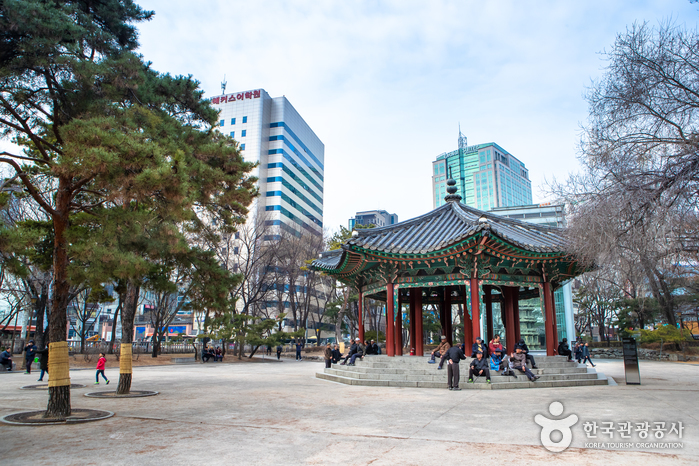
Tapgol Park (탑골공원)
6.9Km 2024-03-04
99, Jong-ro, Jongno-gu, Seoul
+82-2-731-0534
Tapgol Park is the first modern park in Seoul. Having been the site of the Buddhist temple of Wongaksa Temple since 1467, the land was turned into a park in 1897. The park has a significant presence in Korean history, being the place where the March 1 Independence Movement began in 1919. One can find historical sites that hearken back to the struggle, such as the Palgakjeong Pavilion, the center of the movement; cultural heritage sites such as the Ten-story Stone Pagoda of Wongaksa Temple Site and the Stele for the Construction of Daewongaksa Temple at Wongaksa Temple Site; and monuments such as the independence movement relief plate, murals, the statue of Son Byeong-hee, and the statue of Han Yong-un.
 English
 한국어
한국어 日本語
日本語 中文(简体)
 Deutsch
 Français
 Español
 Русский


