![CheongKwanJang - Seoul Nat’l Univ. Branch [Tax Refund Shop] (정관장 서울대)](http://tong.visitkorea.or.kr/cms/resource/90/2880490_image2_1.jpg)
CheongKwanJang - Seoul Nat’l Univ. Branch [Tax Refund Shop] (정관장 서울대)
9.0Km 2024-04-18
Store #102, Yeseong Officetel, 1798, Nambusunhwan-ro, Gwanak-gu, Seoul
-
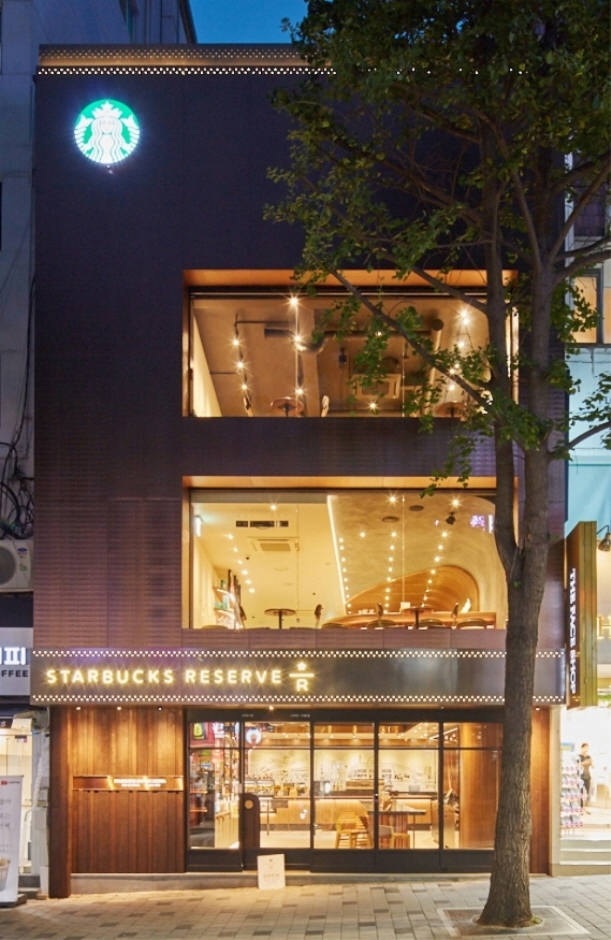
Starbucks Edae R (스타벅스 이대R)
9.0Km 2024-12-27
34 Ewhayeodae-gil, Seodaemun-gu, Seoul
Starbucks Edae R store is the first Starbucks store opened in 1999 and Korea's first Reserve only store
Starbucks Edae R store is the first Starbucks store opened in Korea. It is located 150 meters from the front gate of Ewha Womans University. The store has been loved by customers for over two decades since 1999. In celebrating its 20th anniversary in 2019, the store re-opened as Korea's first Reserve-only store. It specializes in offering specialty coffee and memorable experiences to many customers visiting Korea's first Starbucks store. As the leading store presenting the history and future of Starbucks, it offers high-quality coffee in a beautifully decorated setting, along with unique beverages and exclusive merchandise available only at this particular store.
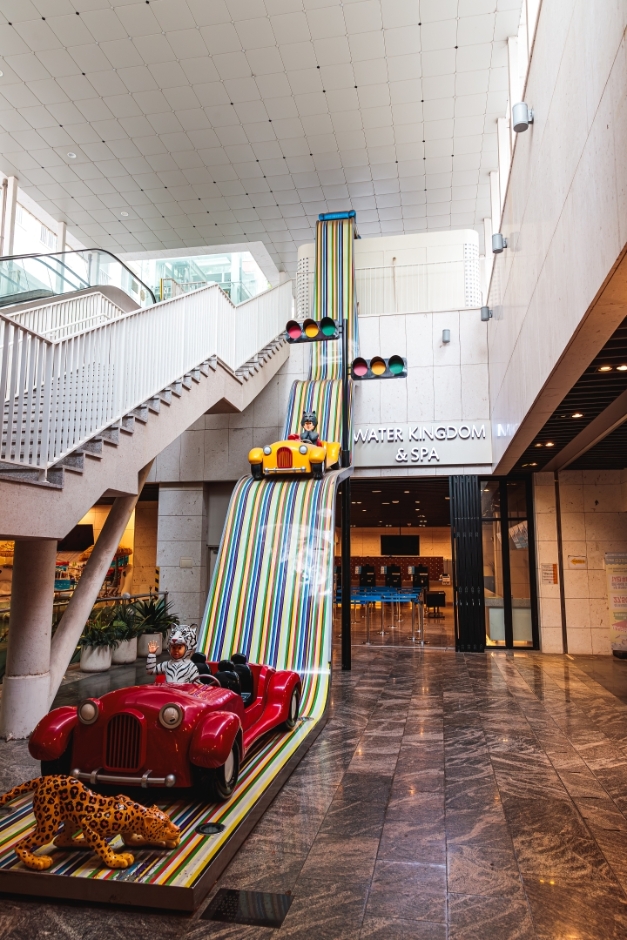
Park Habio Water Kingdom Water Park & Jjimjil Spa (파크하비오 워터킹덤&스파)
9.0Km 2025-10-24
111 Songpa-daero, Songpa-gu, Seoul
In the episode “Proxy Vacation,” where the members of Running Man take a summer vacation on behalf of the viewers, they are seen enjoying swimming and sliding in a cool pool. This refreshing vacation spot is the Water Kingdom & Spa in Songpa Park Habio. This indoor water park, open 365 days a year regardless of the weather, offers a variety of fun activities. If you get tired after playing in the water all day, you can also rest and recharge in the spa.

Olive Young - Ewha Womans Univ. Jungang Branch [Tax Refund Shop] (올리브영 이대중앙)
9.0Km 2024-04-18
43, Ewhayeodae-gil, Seodaemun-gu, Seoul
-
Ewha Womans University (이화여자대학교)
9.0Km 2023-07-04
52, Ewhayeodae-gil, Seodaemun-gu, Seoul
+82-2-3277-2114
Ewha Womans University is Korea's first women's university founded in 1886 by American Methodist missionary Mary Scranton. Ewha Womans University is also the most famous women's university in Korea and its name originates from Ehwa Hakdang, a name given by Empress Myeongseong in 1887. Ewha Womans University created a four-year university course in 1910, and in 1943, the name of Ewha was taken away during the Japanese colonial period and downgraded to a one-year school. In October 1945, the year of Korea's independence from Japan, it regained the name of Ewha and was promoted to a university with eight departments. Currently, it consists of 15 graduate schools, 11 colleges, and 67 departments, and there are 8 affiliated research institutes.
The street in front of Ewha Womans University is famous for shopping. This place is full of clothing stores and neat food that boast a popping sensation to suit the tastes of female college students. The shopping street in front of Ewha Womans University is a straight road that lies ahead of Exits 2 and 3 of Seoul Subway Line 2. Alleyways stretch out like branches around this street and are filled with various accessory shops, clothing stores, shoe stores, restaurants, cafes, and beauty salons.
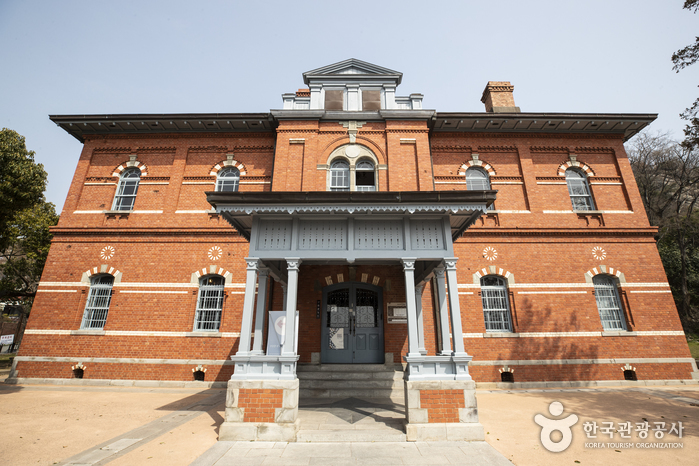
Mokpo Modern History Museum - Hall No. 1 (목포근대역사관 1관)
9.1Km 2024-09-25
경기도 과천시 과천대로 608-7 (과천동)
+82-61-242-0340
Mokpo Modern History Museum is the oldest building in Mokpo and a witness to Korea’s modern and contemporary history. It was built in 1898 and was used to house various public organizations, like city halls, consulates, and cultural centers, before being turned into the Mokpo Modern History Museum in 2014. As a building that has survived through rapid changes, it is valued for its historical and architectural significance. The museum has an exhibition on Mokpo’s history, organized into seven themes, detailing the history of the production and exploitation of various goods during the Japanese colonial period (1910-1945), along with miniature recreations of the streets of Mokpo city at that time.
Sogang University (서강대학교)
9.1Km 2023-07-07
35, Baekbeom-ro, Mapo-gu, Seoul
+82-2-705-8114
Sogang University is a private, coeducational, Jesuit university located in central Seoul. Campus life at Sogang University is enhanced by student clubs as well as technological advancement. Furthermore, the proximity to other leading universities (Yonsei University and Ewha Woman's University) contributes to the intellectual and social vitality of student life at Sogang University.
![Runners Club [Tax Refund Shop] (러너스클럽)](http://tong.visitkorea.or.kr/cms/resource/43/2891143_image2_1.jpg)
![Runners Club - Ewha Womans Univ. Branch [Tax Refund Shop] (러너스클럽 이대)](http://tong.visitkorea.or.kr/cms/resource/12/2889512_image2_1.jpg)
Runners Club - Ewha Womans Univ. Branch [Tax Refund Shop] (러너스클럽 이대)
9.1Km 2024-04-23
#103, 160, Sinchon-ro, Mapo-gu, Seoul
-
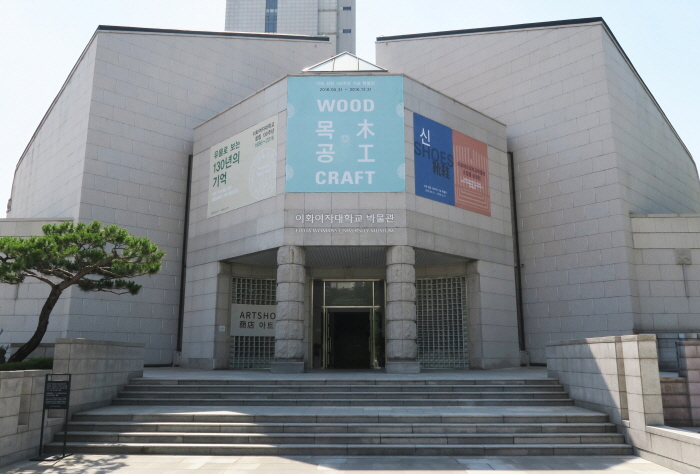
Ewha Womans University Museum (이화여자대학교박물관)
9.1Km 2022-09-14
52, Ewhayeodae-gil, Seodaemun-gu, Seoul
+82-2-3277-3152
The Ewha Womans University Museum was established in 1935 with the goal of preserving the cultural heritage of Korea. Originally, items related to folk art, traditional woodwork, and pottery were put on display in the hall of the main university to keep them from being confiscated during the Japanese occupation. This later led to the opening of the museum to display and store the growing collection.
Regular exhibitions of the museum’s collection have been taking place annually from 1972. Since 1996, the museum also held special exhibitions that focus on other themes related to cultural heritage. Additional small-scale exhibitions are also held frequently to promote Korea's traditional culture and art.
A ceramics research facility as well as a more traditional museum, a large portion of the museum’s efforts is focused on the research and excavation of kilns. To this aim, excavation teams from the museum have traveled to various parts of the country to conduct studies on historic sites and assess the value of artifacts. Through the publication of books and reports on its discoveries, the museum has contributed to raising knowledge and awareness of Korean cultural heritage in academia and among the public.
 English
 한국어
한국어 日本語
日本語 中文(简体)
 Deutsch
 Français
 Español
 Русский


