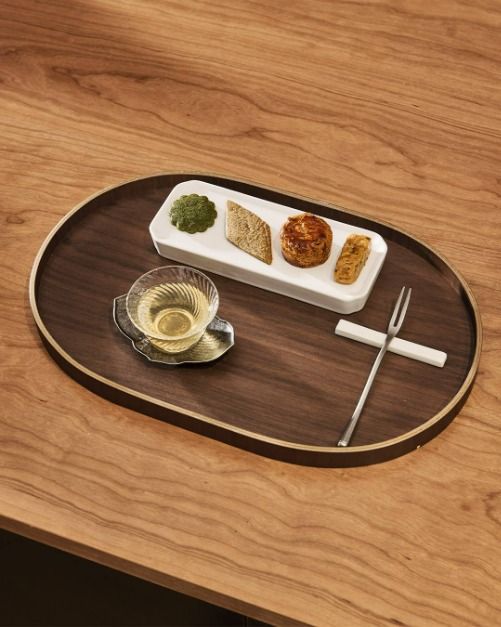
Pyunkang Yul Flagship & Tea house (편강 율 플래그십&티하우스)
8.1Km 2025-12-10
35-4 Bukchon-ro 5ga-gil, Jongno-gu, Seoul
Pyunkang Yul Flagship & Tea house is a cafe in Bukchon Hanok Village near Gyeongbokgung Palace. The first floor is a teahouse where one can enjoy Korean tea infused with traditional ingredients and delightful desserts with a view of the cafe's serene garden, and the second floor is a flagship store of Pyeongang Yul, a K-beauty brand known for integrating hanbang (traditional Korean medicine) in their skincare products. The third floor features a rooftop that offers a sweeping view of the Bukchon Hanok Village and Gyeongbokgung Palace.
![Olive Young - Dohwa-dong Mapo Branch [Tax Refund Shop] (올리브영 마포도화)](http://tong.visitkorea.or.kr/cms/resource/04/2888904_image2_1.jpg)
Olive Young - Dohwa-dong Mapo Branch [Tax Refund Shop] (올리브영 마포도화)
8.1Km 2024-04-18
20, Samgae-ro, Mapo-gu, Seoul
-
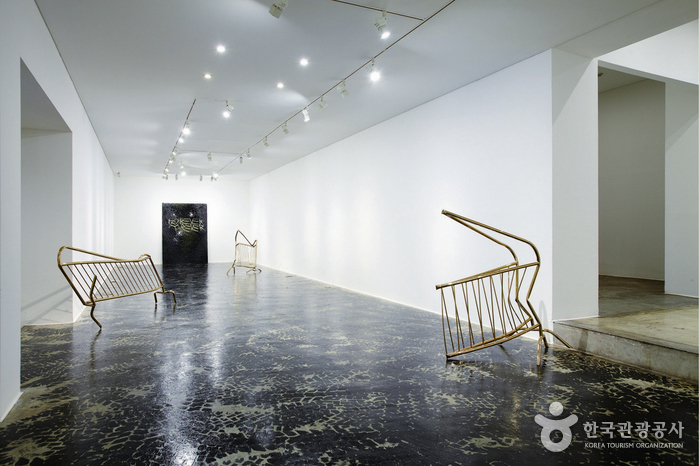
Kukje Gallery (국제갤러리)
8.1Km 2021-07-29
54, Samcheong-ro, Jongno-gu, Seoul
+82-2-735-8449
The Kukje Galley has been committed to presenting the work of significant Korean and international contemporary artists to the public since 1982. The gallery has established itself as a leading venue for international exhibits such as Helen Frankenthaler, Sam Francis, Jim Dine, Frank Stella, Robert Mangold, Anthony Caro, Cy Twombly, Edward Ruscha, Anselm Kiefer, Joseph Beuys, and Bill Viola, attracting enthusiastic responses from both the public and the media.
The gallery has placed emphasis on collaborations between artists, galleries, and art dealers around the world and nurturing upcoming artists by sponsoring their artwork and giving them international exposure.
![Olive Young - Cheonho Jungang Branch [Tax Refund Shop] (올리브영 천호중앙)](http://tong.visitkorea.or.kr/cms/resource/76/2878876_image2_1.jpg)
Olive Young - Cheonho Jungang Branch [Tax Refund Shop] (올리브영 천호중앙)
8.2Km 2024-04-18
1027, Cheonho-daero, Gangdong-gu, Seoul
-

Aēsop - Samcheong Branch [Tax Refund Shop] (이솝 삼청)
8.2Km 2024-04-17
58-3, Samcheong-ro, Jongno-gu, Seoul
-
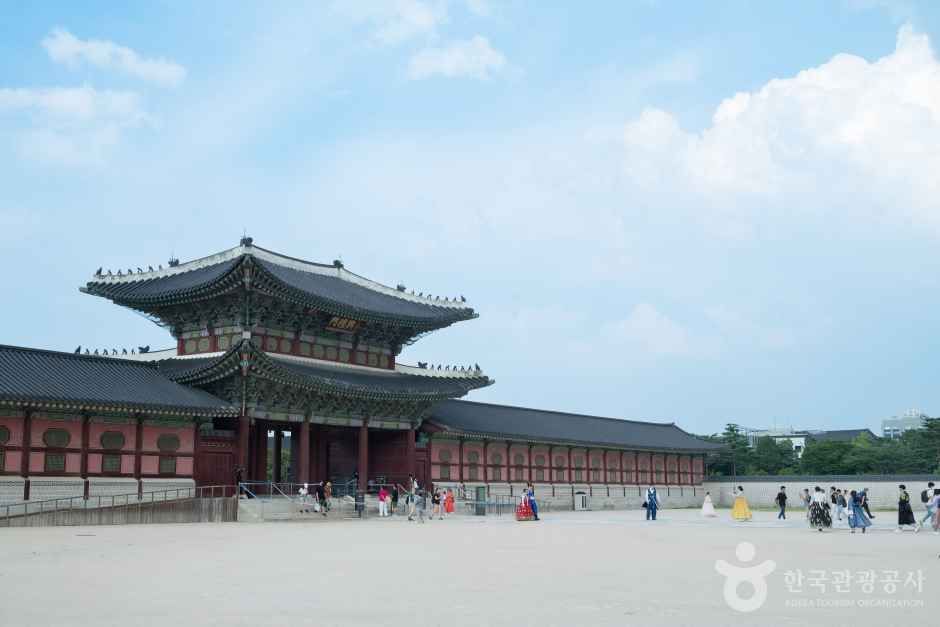
Gyeongbokgung Palace (경복궁)
8.2Km 2025-10-23
161 Sajik-ro, Jongno-gu, Seoul
+82-2-3700-3900
Gyeongbokgung Palace was built in 1395 as the official palace of the Joseon dynasty by Yi Seong-gye, the future King Taejo and founder of the new regime. Gyeongbokgung Palace is commonly referred to as the Northern Palace because of its location to the north, comparied to Changdeokgung Palace in the east and Gyeonghuigung Palace in the west. Gyeongbokgung Palace is arguably the most beautiful and is the largest of all five palaces. Many Joseon kings were crowned here. The premises were once destroyed by fire during the Imjin War (1592-1598). However, all of the palace buildings were later restored under the leadership of Heungseondaewongun during the reign of King Gojong. The assassination of Empress Myeongseong, however, resulted in Gyeongbokgung Palace losing its function as a royal palace, eventually witnessing the downfall of the Joseon dynasty. Gyeongbokgung Palace retains the original Gyeonghoeru Pavilion, a prime example of Joseon architecture, and the Hyangwonjeong Pavilion and pond. The sculptures in the Geunjeongjeon Hall exemplify Joseon-era sculpture techniques. The west side of the area outside Heungnyemun Gate is occupied by the National Palace Museum of Korea, while the eastern side of Hyangwonjeong Pavilion within the Gyeongbokgung Palace is occupied by the National Folk Museum of Korea.
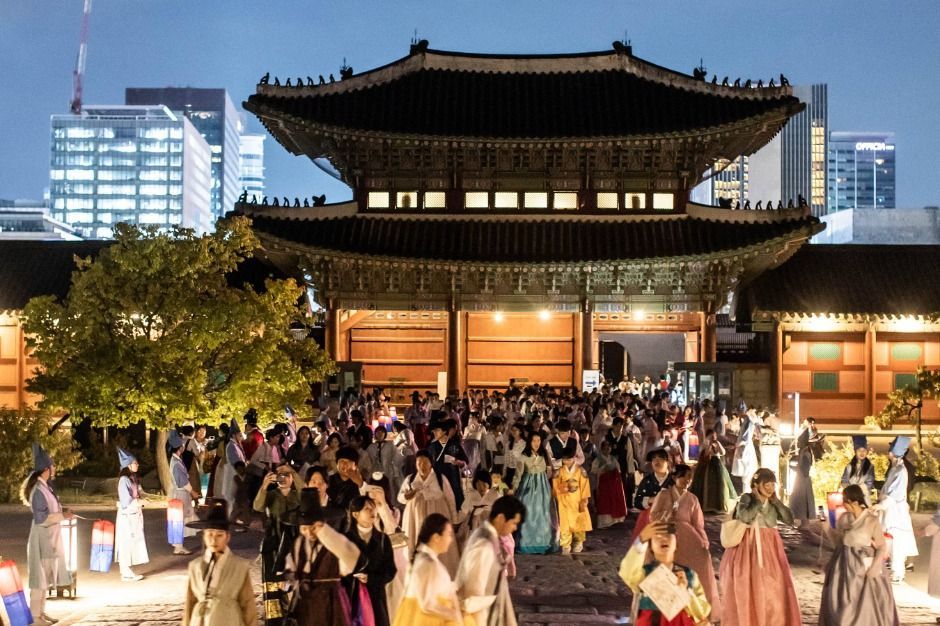
K-Royal Culture Festival (궁중문화축전)
8.2Km 2025-07-29
161 Sajik-ro, Jongno-gu, Seoul
+82-1522-2295
The K-Royal Culture Festival is held at the five Royal Palaces and Jongmyo Shrine. The festival first began in 2014 and provides visitors with first-hand knowledge of these important cultural heritages through unique performances, exhibitions, experiences and programs. The festival expanded in 2021 to be hosted twice a year, in spring and in fall.
Damgeum (담금)
8.2Km 2024-03-26
37 Seongnae-ro 18-gil, Gangdong-gu, Seoul
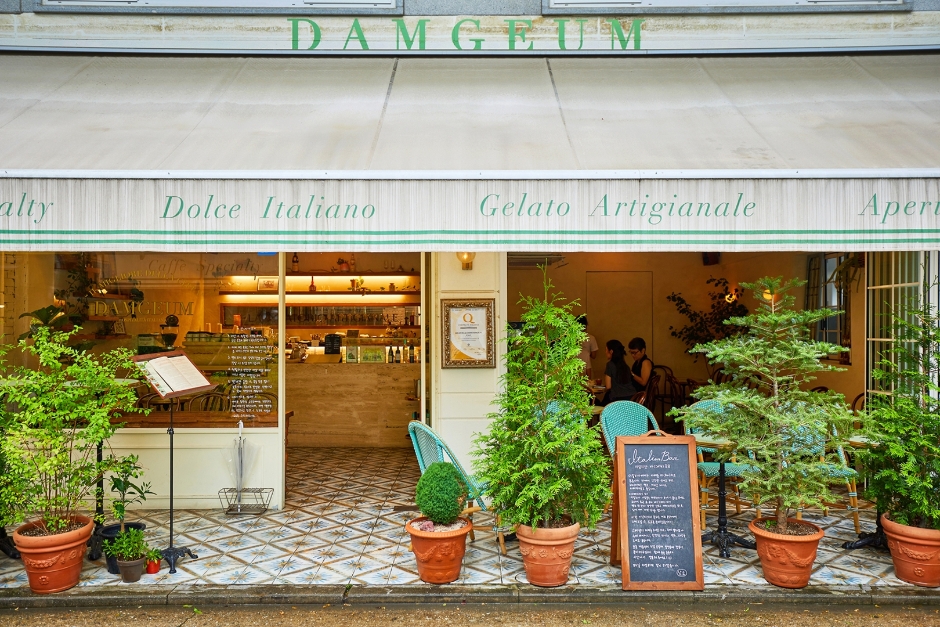
With its faded white-toned outdoor and indoor interiors and various plants, Cafe Damgeum makes one feel as if they are in a quiet cafe in Italy. The menu includes Italian brunch, dessert, and espresso. Espresso is available in many varieties. Also, this place serves handmade gelato certified by the Italian government, so visitors can enjoy this rich, soft, and delicious Italian dessert. The representative coffee drinks here are espresso and espresso con panna. Espresso con panna has a thick layer of cream on top, allowing one to taste the bitterness of coffee and the sweetness of cream at the same time.
![ABC-Mart - Cheonho Branch [Tax Refund Shop] (ABC마트 천호점)](http://tong.visitkorea.or.kr/cms/resource/79/2878879_image2_1.jpg)
ABC-Mart - Cheonho Branch [Tax Refund Shop] (ABC마트 천호점)
8.2Km 2024-04-18
7, Cheonho-daero 157-gil, Gangdong-gu, Seoul
-
Gwangnaru Hangang Park (광나루한강공원)
8.2Km 2021-12-25
83-66, Seonsa-ro, Gangdong-gu, Seoul
+82-2-3780-0501
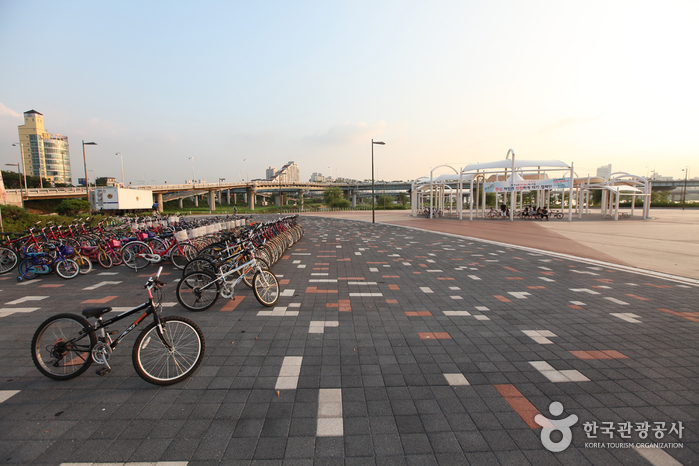
Hangang Citizen's Park, composed of 12 areas including Jamsil, Ttukseom and Jamwon, is an eco-friendly park providing areas for sports and leisure. The park is equipped with various cultural and recreational facilities and also has an ecological park. Gwangnaru Hangang Park formed naturally through rich silt that flowed in from the upper Hangang River that was then filled with reeds, creating an ideal habitat for groups of migratory birds.
 English
 한국어
한국어 日本語
日本語 中文(简体)
 Deutsch
 Français
 Español
 Русский


