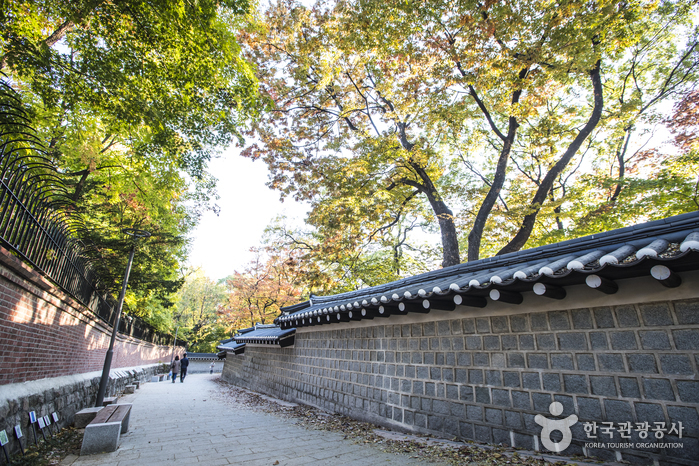
Deoksugung Stone Wall Path (덕수궁 돌담길)
7.3Km 2025-01-10
24 Sejong-daero 19-gil, Jung-gu, Seoul
The Deoksugung Stone Wall Path runs along the wall of Deoksugung Palace. It is beautifully lit and landscaped, giving it a romantic atmosphere even at night. There are street performances and flea markets, and the area boasts many famous cafes and restaurants along Jeongdong street. In autumn, the ginkgo trees and walls form a stunning scene. Close to major cultural facilities such as the Seoul Museum of Art and Seoul Museum of History, it attracts numerous visitors come for a stroll.
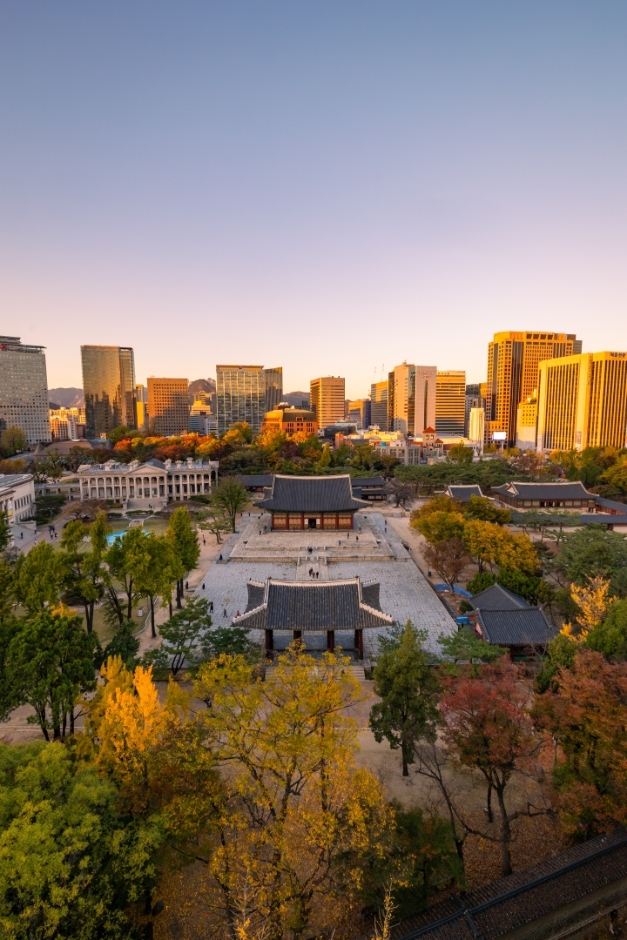
Deoksugung Palace (덕수궁)
7.3Km 2025-06-25
99 Sejong-daero, Jung-gu, Seoul
Registered as a Historic Site, Deoksugung Palace was initially not a royal palace, but the residential home of Grand Prince Wolsan (1454-1488), the older brother of King Seongjong (1469-1494) of the Joseon dynasty. It wasn't until 1593 that the palace was used as a temporary palace of the royal family after their home was burned down during the Imjin War. King Seonjo also stayed at Deoksugung Palace after returning to the city. It became a proper palace when Gwanghaegun (1575-1641) ascended to the throne and gave this royal residence the name Gyeongungung Palace in 1611. Over the following decades, the palace alternated between being an official palace and a temporary residence. The name did not change officially to Deoksugung Palace, meaning the “palace of virtuous longevity,” until 1907. While the palace once encompassed a vast area with many buildings, the current palace grounds are just a small shadow of the prior splendor, with very few structures remaining.
![CheongKwanJang - Jonggak Station Branch [Tax Refund Shop] (정관장 종각역)](http://tong.visitkorea.or.kr/cms/resource/13/2878213_image2_1.jpg)
CheongKwanJang - Jonggak Station Branch [Tax Refund Shop] (정관장 종각역)
7.3Km 2024-04-22
#102, 95, Sambong-ro, Jongno-gu, Seoul
-

![Saera - Daehangno Branch [Tax Refund Shop] (세라제화 대학로)](http://tong.visitkorea.or.kr/cms/resource/85/2878185_image2_1.jpg)
Saera - Daehangno Branch [Tax Refund Shop] (세라제화 대학로)
7.3Km 2024-04-19
123-1, Daehak-ro, Jongno-gu, Seoul
-
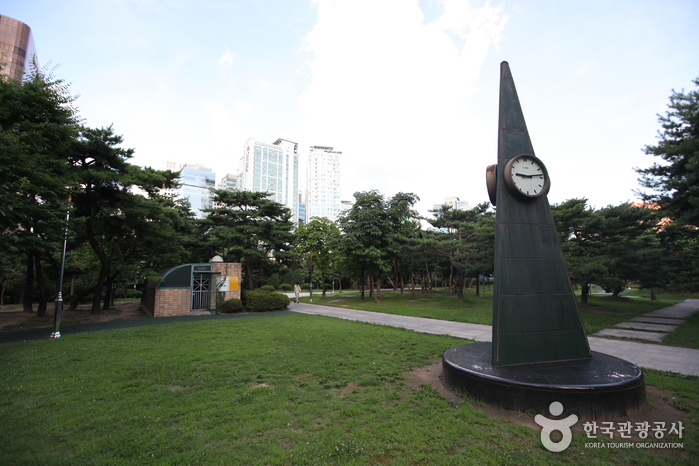
Seosomun Historical Park (서소문역사공원)
7.3Km 2023-08-11
5, Chilpae-ro, Jung-gu, Seoul
The Seosomun Gate area, which is located outside Seosomun Gate, was used as a persecution site in the 19th century before it turned into the local park of today. Many Catholics were suppressed and martyred here, making the area a holy site for Korean Catholics. Seosomun Gate was a gateway to Chilpae Market located near Namdaemun Gate. It was always busy with passerbys and the persecution site was established outside the gate to set an example of crime punishment to all the witnesses.
On May 15, 1999, a memorial tower was raised at the center of the park in honor of the martyrs. In 2013, Seoul's Jung-gu district also founded Seosumun Holy Shrine History Museum with a memorial exhibition hall in their honor.
CU - Dongsoong Art Center Branch [Tax Refund Shop] (cu동숭아트점)
7.3Km 2024-06-26
114, Dongsung-gil, Jongno-gu, Seoul
-
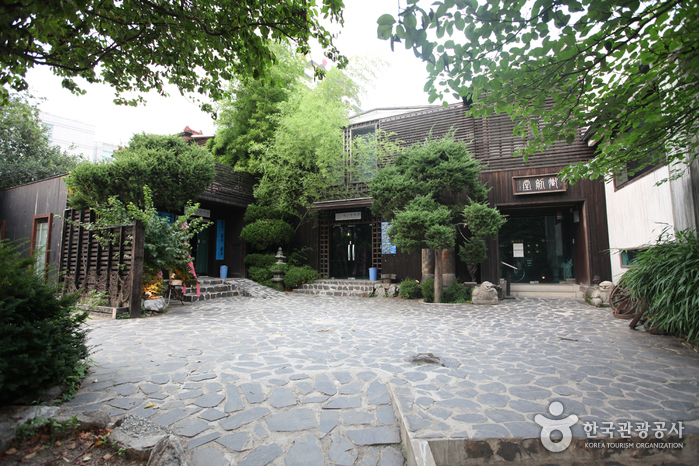
Kyung-In Museum of Fine Art (경인미술관)
7.3Km 2024-03-04
11-4, Insadong 10-gil, Jongno-gu, Seoul
+82-2-733-4448
Kyung-In Museum of Fine Art is located in Insa-dong. It has six exhibition rooms, an atelier, an outdoor exhibition area, and a traditional tea house. It hosts outdoor concerts in spring and fall, and Q&A sessions with authors can also be found as well. The traditional tea house offers about 15 types of traditional Korean tea in a space that overlooks the garden.
Jeontong Dawon (전통다원)
7.3Km 2024-03-18
11-4 Insadong 10-gil, Jongno-gu, Seoul
+82-2-730-6305
Jeontong Dawon is a hanok-style tea house located in Insa-dong. It offers seating both inside the hanok and in the outdoor garden, allowing guests to choose their preferred spot. Visitors can enjoy various types of traditional Korean tea along with traditional Korean snacks such as yugwa (fried rice sweet). It is situated within the Kyung-in Museum of Fine Art premises, offering the opportunity to explore the museum as well.
 English
 한국어
한국어 日本語
日本語 中文(简体)
 Deutsch
 Français
 Español
 Русский


