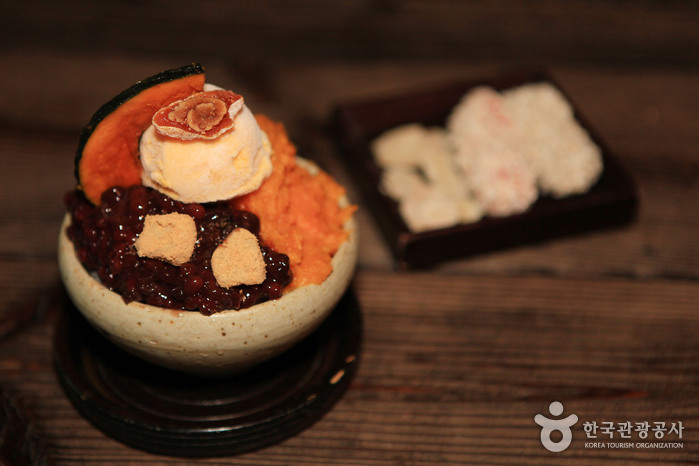
Sooyeon Sanbang (수연산방)
8.2Km 2025-10-23
8 Seongbuk-ro 26-gil, Seongbuk-gu, Seoul
Sooyeon Sanbang is a traditional tea house located in Seongbuk-dong. It was originally built during the Japanese colonial period and was the hanok of the literary figure Lee Taejun. Today, it is operated as a tea house by the writer's granddaughter. The name Sooyeon Sanbang means "a house where literati gather in the mountains." Visitors can enjoy traditional teas such as daechucha (jujube tea) and ssanghwacha (medicinal herb tea), along with snacks like injeolmi (bean-powder-coated rice cake).
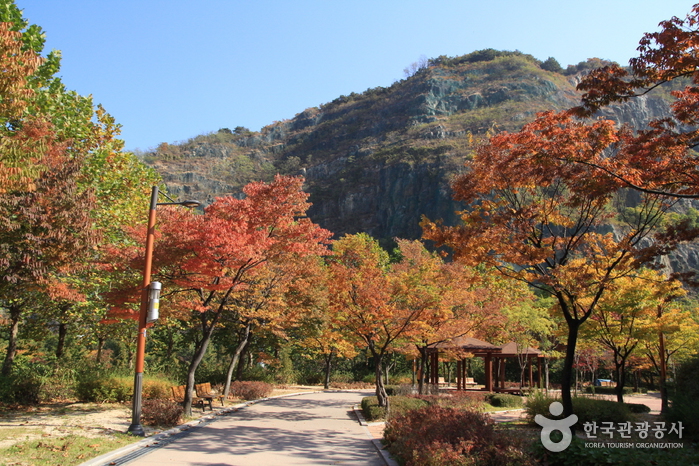
Yongmasan Mountain (용마산)
8.2Km 2021-06-18
53, Yongmasan-ro 62-gil, Jungnang-gu, Seoul
+82-2-2094-2344
With an altitude of 348 meters, Yongmasan Mountain is the highest peak of Achasan Mountain. The mountain stretches through the ridges of Manguri Park and Junggok-dong, with trails connecting to Achasan Mountain Fortress and the back gate of Children’s Grand Park. Nearby parks include Yongmapokpo Park and Yongmasan Sagajeong Park.

Seoul Baekje Museum (한성백제박물관)
8.2Km 2021-03-11
71, Wiryeseong-daero, Songpa-gu, Seoul
+82-2-2152-5800
Opened on April 30, 2012, Seoul Baekje Museum was founded by the Seoul Metropolitan Government in order to preserve artifacts related to Seoul's 2,000-year-old history and to shed light on Seoul's cultural identity. The museum is located inside Olympic Park, overlooking Mongchontoseong Fortress.
![Olens - Hankuk Univ. of Foreign Studies Branch [Tax Refund Shop] (오렌즈 외대)](http://tong.visitkorea.or.kr/cms/resource/14/2888114_image2_1.jpg)
Olens - Hankuk Univ. of Foreign Studies Branch [Tax Refund Shop] (오렌즈 외대)
8.3Km 2024-04-22
1F, 16, Hwigyeong-ro, Dongdaemun-gu, Seoul
-
Olive Young - Ewha Womans Univ. Jungang Branch [Tax Refund Shop] (올리브영 이대중앙)
8.3Km 2024-04-18
43, Ewhayeodae-gil, Seodaemun-gu, Seoul
-
Ewha Womans University (이화여자대학교)
8.3Km 2023-07-04
52, Ewhayeodae-gil, Seodaemun-gu, Seoul
+82-2-3277-2114
Ewha Womans University is Korea's first women's university founded in 1886 by American Methodist missionary Mary Scranton. Ewha Womans University is also the most famous women's university in Korea and its name originates from Ehwa Hakdang, a name given by Empress Myeongseong in 1887. Ewha Womans University created a four-year university course in 1910, and in 1943, the name of Ewha was taken away during the Japanese colonial period and downgraded to a one-year school. In October 1945, the year of Korea's independence from Japan, it regained the name of Ewha and was promoted to a university with eight departments. Currently, it consists of 15 graduate schools, 11 colleges, and 67 departments, and there are 8 affiliated research institutes.
The street in front of Ewha Womans University is famous for shopping. This place is full of clothing stores and neat food that boast a popping sensation to suit the tastes of female college students. The shopping street in front of Ewha Womans University is a straight road that lies ahead of Exits 2 and 3 of Seoul Subway Line 2. Alleyways stretch out like branches around this street and are filled with various accessory shops, clothing stores, shoe stores, restaurants, cafes, and beauty salons.
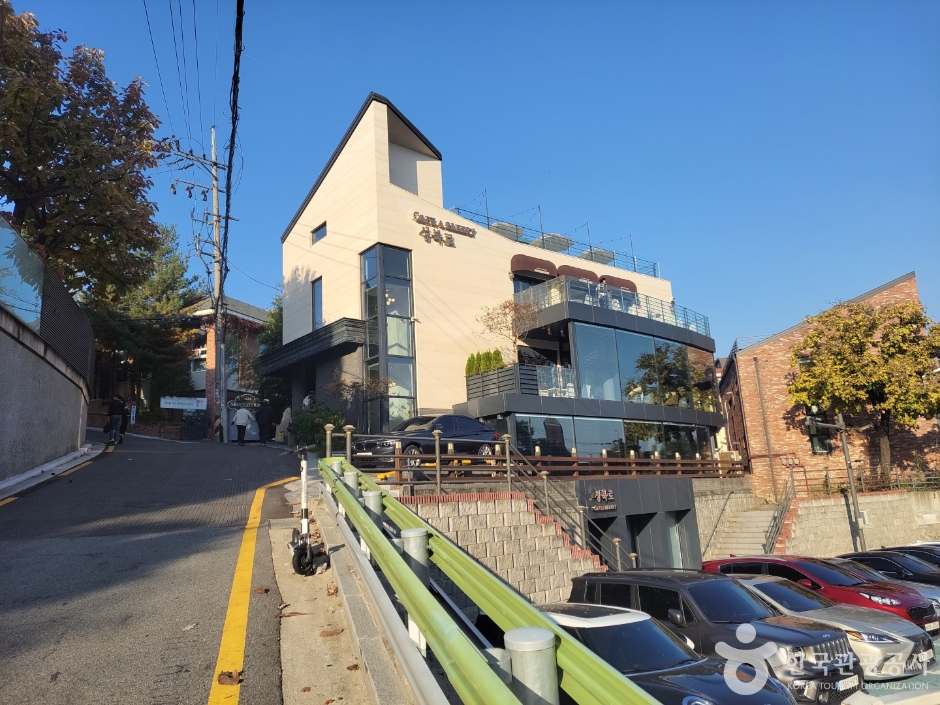
Seongbukro (성북로)
8.3Km 2024-02-15
1-2F, 10 Seongbuk-ro 28-gil, Seongbuk-gu, Seoul
Seongbukro is a café located 15 minutes away from the UNESCO World Heritage site Changdeokgung Palace. With an elegant atmosphere, the café is structured with three floors and a rooftop. The signature menu is the mandarin latte, featuring a refreshing taste with plenty of tangerines in milk. Additionally, the café is known for making desserts on-site, following the principle of selling them on the same day they are produced. Signature desserts include croissants with milk cream and mont blanc.
![Aritaum - Hankuk Univ. of Foreign Studies Station Branch [Tax Refund Shop] (아리따움 외대역)](http://tong.visitkorea.or.kr/cms/resource/60/2889660_image2_1.jpg)
Aritaum - Hankuk Univ. of Foreign Studies Station Branch [Tax Refund Shop] (아리따움 외대역)
8.3Km 2024-04-18
25, Hwigyeong-ro, Dongdaemun-gu, Seoul
-
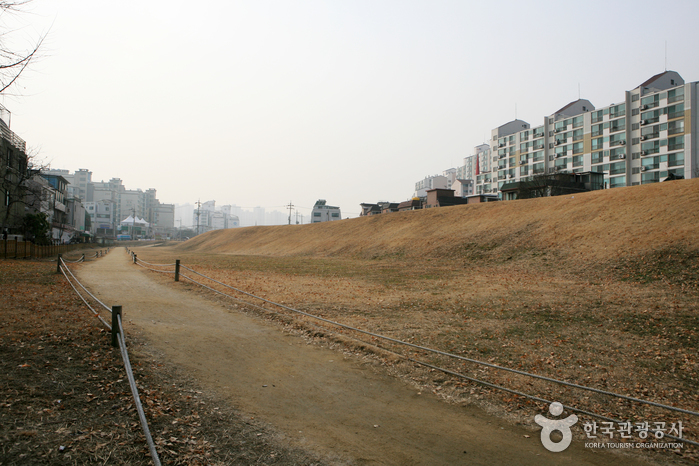
Pungnap-dong Toseong Fortress (서울 풍납동 토성)
8.3Km 2025-01-10
Pungnap-dong, Songpa-gu, Seoul
+82-2-2147-2800
Onjo, the progenitor of Kingdom Baekje, first settled in Wiryeseong Hanam. But exact location is still unknown. One thing for sure, however, is that Pungnaptoseong Fortress, Mongchontoseong Fortress, Bangidong Ancient Tombs of Baekje, Seokchondong Stone Mound Tomb of Early Baekje are the remains of Baekje. Pungnaptoseong Fortress faces Hangang River to its west and connects to Mongchontoseong Fortress to the south. To the northwest faces Achasanseong Fortress over Hangang River and far to the southeast is Namhansanseong Fortress.
Pungnaptoseong Fortress, located at the south end of Cheonhodaegyo Bridge over Hangang River, is one of the remains of Early Baekje. Originally, the fortress was 4km in circumference, but due to massive overflowing of Hangang River during flood season in 1925, most of the fortress was lost and only 2.7km of it remains. To the east of the fortress are 4 vestiges of the fortress gates. The remains from the prehistoric era through the Samguk (Three States) era have been unearthed, indicating that this place was a residential area well before the Baekje Era. Through vigorous excavation, some people suggest that there used to be a palace located here during the Baekje Era.
CU - Hankuk University of Foreign Studies Branch [Tax Refund Shop] (cu한국외국어대학교점)
8.3Km 2024-06-27
107, Imun-ro, Dongdaemun-gu, Seoul
-
 English
 한국어
한국어 日本語
日本語 中文(简体)
 Deutsch
 Français
 Español
 Русский


