
![Olive Young - Yaksu Station Branch [Tax Refund Shop] (올리브영 약수역)](http://tong.visitkorea.or.kr/cms/resource/83/2889583_image2_1.jpg)
Olive Young - Yaksu Station Branch [Tax Refund Shop] (올리브영 약수역)
2.4Km 2024-04-22
189, Dongho-ro, Jung-gu, Seoul
-
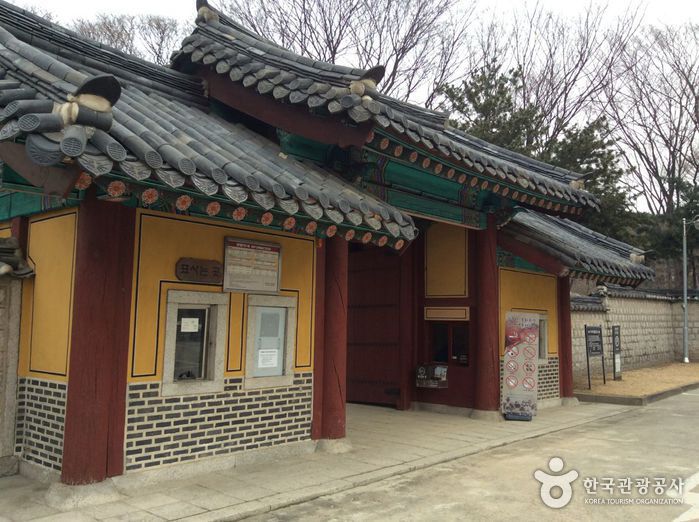
Yeonghwiwon and Sunginwon Royal Tombs (서울 영휘원(순헌황귀비)과 숭인원(이진))
2.4Km 2021-03-12
90, Hongneung-ro, Dongdaemun-gu, Seoul
+82-2-962-0556
Yeonghwiwon & Sunginwon Royal Tombs house the tombs of Queen Consort Sunheon and the first son of Imperial Prince Yeong, Yi Jin. Queen Consort Sunheon was a concubine of Emperor Gojong and the mother of Imperial Prince Yeong. The tomb site was originally the resting place of Empress Myeongseong, the first official wife of Emperor Gojong, but her tomb was moved to Namyangju after Gojong's death where they are interred together.
Woo Lae Oak (우래옥)
2.4Km 2024-03-07
62-29 Changgyeonggung-ro, Jung-gu, Seoul
+82-2-2265-0151
Woo Lae Oak is a Pyeongyang naengmyeon (Pyeongyang cold buckwheat noodles) restaurant established in 1949. Its signature dish is the Pyeongyang naengmyeon, known for their clean and light broth. Alongside the onmyeon (warm noodles), they also serve bulgogi, which complements the warm broth perfectly. The restaurant is renowned to the extent that customers often line up to dine, and it was selected for the Michelin Guide 2023.
Olive Young - Sungshin Women's University Station Branch [Tax Refund Shop] (올리브영 성신여대입구역점)
2.4Km 2024-06-27
9, Arirang-ro, Seongbuk-gu, Seoul
-
![Olens - Yaksu Branch [Tax Refund Shop] (오렌즈 약수)](http://tong.visitkorea.or.kr/cms/resource/53/2889253_image2_1.jpg)
Olens - Yaksu Branch [Tax Refund Shop] (오렌즈 약수)
2.5Km 2024-04-23
#103, 117, Dasan-ro, Jung-gu, Seoul
-
![Rawrow - Kwangjang Market Branch [Tax Refund Shop] (로우로우 광장시장)](http://tong.visitkorea.or.kr/cms/resource/29/2878229_image2_1.jpg)
Rawrow - Kwangjang Market Branch [Tax Refund Shop] (로우로우 광장시장)
2.5Km 2024-04-19
Store #239, Gwangjang Market, 88, Changgyeonggung-ro, Jongno-gu, Seoul
-
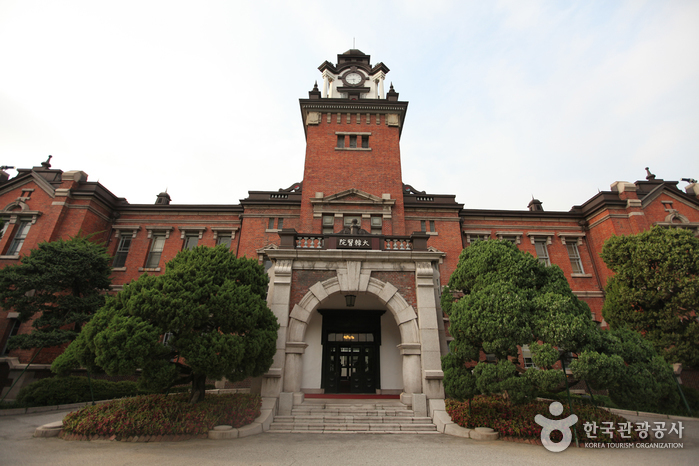
The Museum of Medicine (서울대학교병원의학박물관)
2.5Km 2024-03-18
101 Daehak-ro, Jongno-gu, Seoul
The Museum of Medicine is located in the building of the former Daehan Medical Center, the oldest modern hospital in Korea. It is a medical museum that provides a comprehensive view of the development of modern medicine in Korea, the history of medical devices, and the transformation of Seoul National University Hospital. Through permanent and special exhibitions, the museum showcases medical artifacts and documents related to the history of medicine.
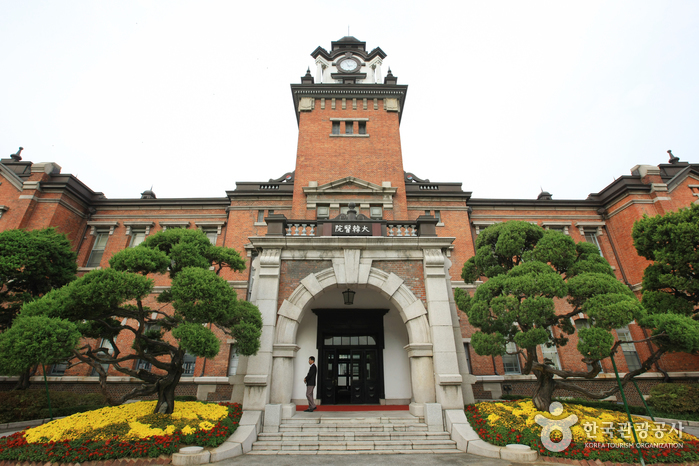
Seoul Daehan Hospital (서울 대한의원)
2.5Km 2021-12-23
101, Daehak-ro, Jongno-gu, Seoul
+82-2-2148-1842
Daehanuiwon (Daehan Medical Center) is an antique two-story brick building within the grounds of Seoul National University Hospital. It was established under the direct administration of the Uijeongbu (State Council), combining the Gwangjewon (under the Home Ministry), Gyeongseong Medical School and the Korean Red Cross Hospital (under the Royal Household).
Built in the Madubong Hill area, this location where Hamchunwon, the outer garden of Changgyeonggung Palace, once stood in 1484 (15th year of King Seongjong), was also once the site of Gyeongmogung Palace, where King Jeongjo enshrined the mortuary tablet of his birth father Crown Prince Sado Seja in 1776 (the year King Jeongjo ascended to the throne).
These places that held importance for the royal family were destroyed as the Japanese built Gyeongseong Empire University in its place. In 1907, with the announcement of the plan to establish Daehan Medical Center, construction began on the main building, seven wards and affiliated buildings. Construction was completed in November 1908.
The Daehan Medical Center opened in Gwangjewon, but upon Japanese colonization in 1910, its name was changed to the Japanese Viceroyalty Hospital. In 1926, it was included as a part of Gyeongseongjeguk University to become a university hospital. Since the liberation of Korea in 1945, it has been a hospital affiliated with Seoul National University.
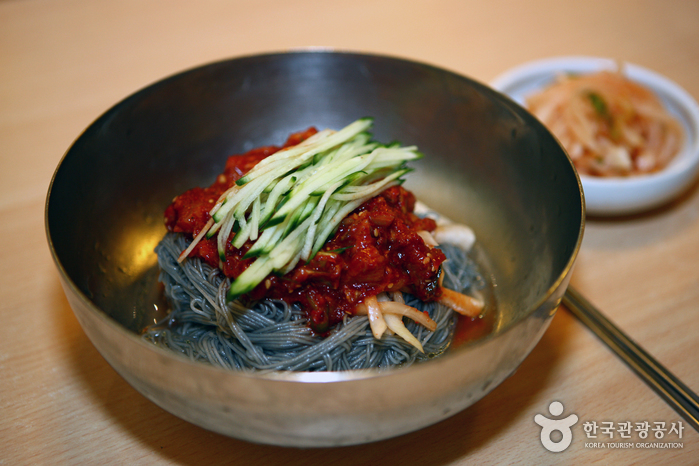
Ojang-dong Hamheung Naengmyeon (오장동 함흥냉면)
2.5Km 2024-02-22
108 Mareunnae-ro, Jung-gu, Seoul
Ojang-dong Hamheung Naengmyeon originated when grandma Han Hyesun, who migrated from Hamgyeongnam-do to Seoul during the Korean War, began selling Hamheung-style "nongma guksu (starch noodles)," eventually naming it Hamheung naengmyeon (Hamheung cold buckwheat noodles). Its signature dish, bibim naengmyeon (spicy buckwheat noodles), features chewy noodles infused with a tangy-sweet seasoning, showcasing the expertise behind its preparation. Alongside the flavorful broth served as a base, the menu also includes variations like hoe naengmyeon (cold buckwheat noodles with raw fish), mul laengmyeon (cold buckwheat noodles), suyuk (boiled pork slices) and mandu.
 English
 한국어
한국어 日本語
日本語 中文(简体)
 Deutsch
 Français
 Español
 Русский


