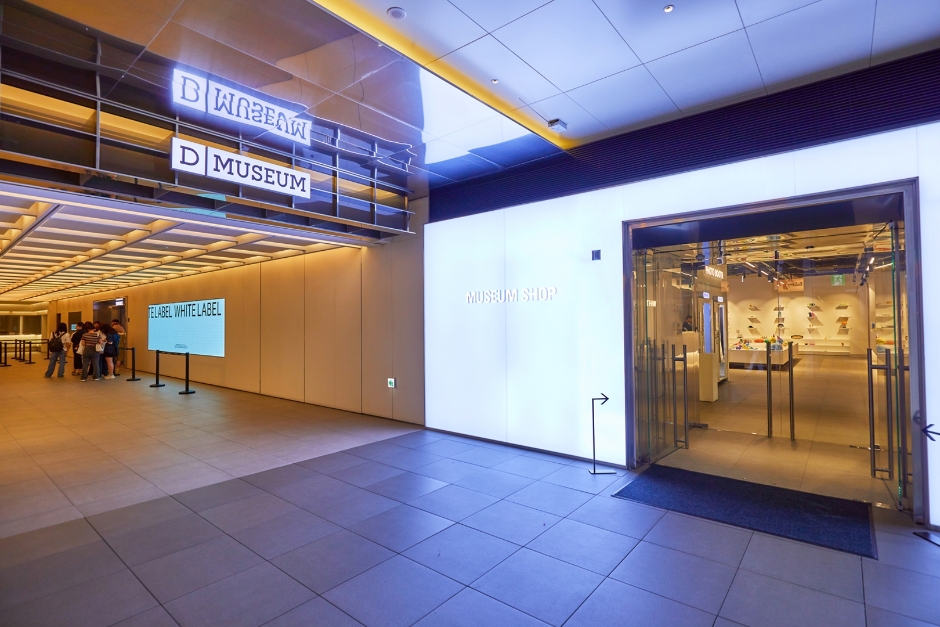
D MUSEUM Seongsu (디뮤지엄 성수)
3.1Km 2023-11-06
83-21, Wangsimni-ro, Seongdong-gu, Seoul
+82-2-6233-7200
D MUSEUM greets the general public with its catchphrase, “an art museum where daily life becomes art.” In 2021, the museum relocated to the area near Seoul Forest Park, so that it could accommodate more visitors in its space. The museum not only hosts exhibitions by prominent photographers like Nick Knight (NICK KNIGHT: IMAGE, 2016) and Linda McCartney (Linda McCartney Retrospective, 2014) but also leads the efforts to promote awareness among the general public through invitational exhibitions featuring up-and-coming artists. Its relocation to Seoul Forest Park was marked by the special exhibition “Romantic Days,” which garnered much interest among the visitors as a chance to meet the works of artists born in the ‘80s and the ‘90s.
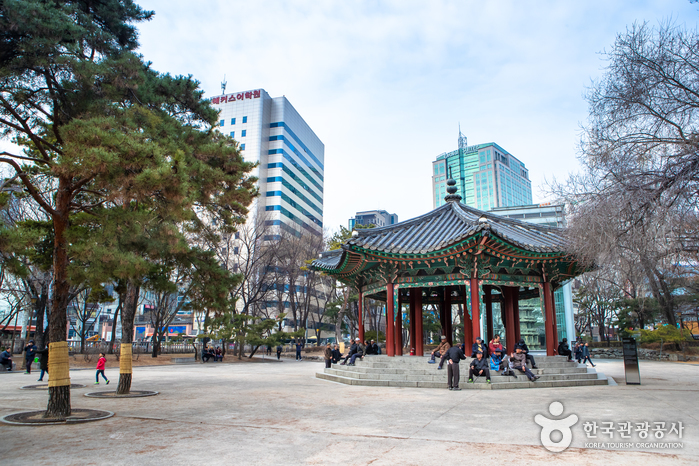
Tapgol Park (탑골공원)
3.1Km 2024-03-04
99, Jong-ro, Jongno-gu, Seoul
+82-2-731-0534
Tapgol Park is the first modern park in Seoul. Having been the site of the Buddhist temple of Wongaksa Temple since 1467, the land was turned into a park in 1897. The park has a significant presence in Korean history, being the place where the March 1 Independence Movement began in 1919. One can find historical sites that hearken back to the struggle, such as the Palgakjeong Pavilion, the center of the movement; cultural heritage sites such as the Ten-story Stone Pagoda of Wongaksa Temple Site and the Stele for the Construction of Daewongaksa Temple at Wongaksa Temple Site; and monuments such as the independence movement relief plate, murals, the statue of Son Byeong-hee, and the statue of Han Yong-un.
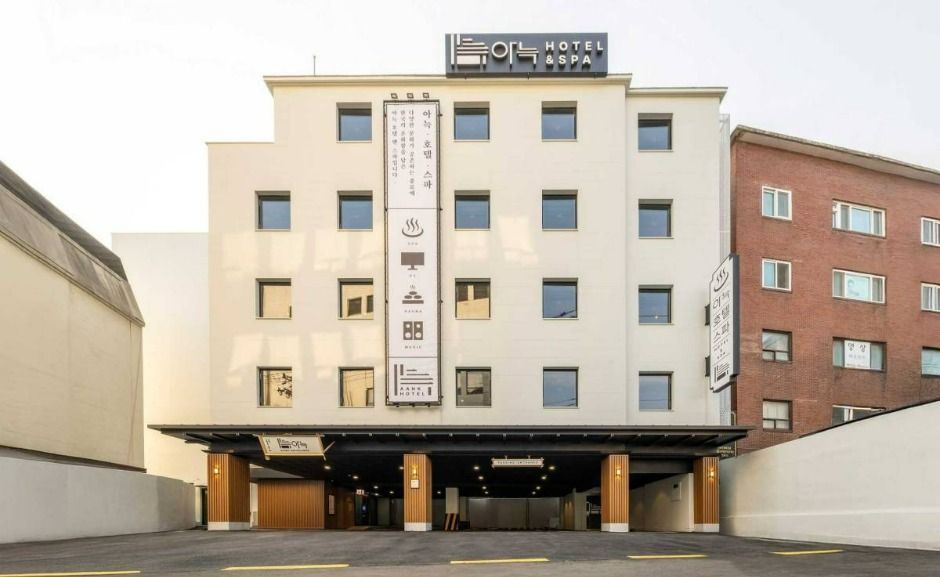
Aank Hotel & Spa Jongno Unni Branch (아늑호텔 앤 스파 종로운니점)
3.1Km 2025-04-24
89 Donhwamun-ro 11ga-gil, Jongno-gu, Seoul
Aank Hotel & Spa Jongno Unni Branch embodies the warmth and charms of Korea. Guests are welcome to unwind with diverse room options to choose from such as the msuic room, signature spa room, desktop 2-PC room, and standard room. It's location in the heart of Seoul makes it a great place for tourists as well as well.
![Samdaein [Tax Refund Shop] (삼대인)](http://tong.visitkorea.or.kr/cms/resource/23/2887823_image2_1.jpg)

Donggwol Maru - Korea Cultural Heritage Foundation Branch [Tax Refund Shop] (한국문화재재단 동궐마루)
3.1Km 2024-10-15
99, Yulgok-ro, Jongno-gu, Seoul
-
![Changdeokgung Palace Complex [UNESCO World Heritage Site] (창덕궁과 후원 [유네스코 세계유산])](http://tong.visitkorea.or.kr/cms/resource/03/3092503_image2_1.jpg)
Changdeokgung Palace Complex [UNESCO World Heritage Site] (창덕궁과 후원 [유네스코 세계유산])
3.2Km 2025-07-21
99 Yulgok-ro, Jongno-gu, Seoul
Changdeokgung Palace was the second royal villa built following the construction of Gyeongbokgung Palace in 1405. It was the principal palace for many kings of the Joseon dynasty, and is the most well-preserved of the five remaining royal Joseon palaces. The palace grounds are comprised of a public palace area, a royal family residence building, and the rear garden. Known as a place of rest for the kings, the rear garden boasts a gigantic tree that is over 300 years old, a small pond and a pavilion.
The palace gained importance starting from the time of Seongjong, the 9th king of Joseon, when a number of kings began using it as a place of residence. Unfortunately, the palace was burned down by angry citizens in 1592 when the royal family fled their abode during the Imjin War. Thanks to Gwanghaegun, the palace was restored in 1611. Even today, it houses a number of cultural treasures, such as Injeongjeon Hall, Daejojeon Hall, Seonjeongjeon Hall, and Nakseonjae Hall.
Changdeokgung Palace’s garden behind the inner hall, called the "Secret Garden," was constructed during the reign of King Taejong and served as a rest area for the royal family members. The garden had formerly been called Bugwon and Geumwon, but was renamed Biwon Garden, or Secret Garden, after King Gojong came into power. The garden was kept as natural as possible and was touched by human hands only when absolutely necessary. Buyongjeong Pavilion, Buyongji Pond, Juhamnu Pavilion, Eosumun Gate, Yeonghwadang Hall, Bullomun Gate, Aeryeonjeong Pavilion, and Yeongyeongdang Hall are some of the many attractions that occupy the garden. The most beautiful time to see the garden is during the fall when the autumn foliage is at its peak and the leaves have just started to fall.
Though it has been treasured by Koreans for centuries, Changdeokgung Palace and its complex was recognized as a World Cultural Heritage site by the UNESCO World Cultural Heritage Committee in December of 1997 during the committee meeting in Naples, Italy.
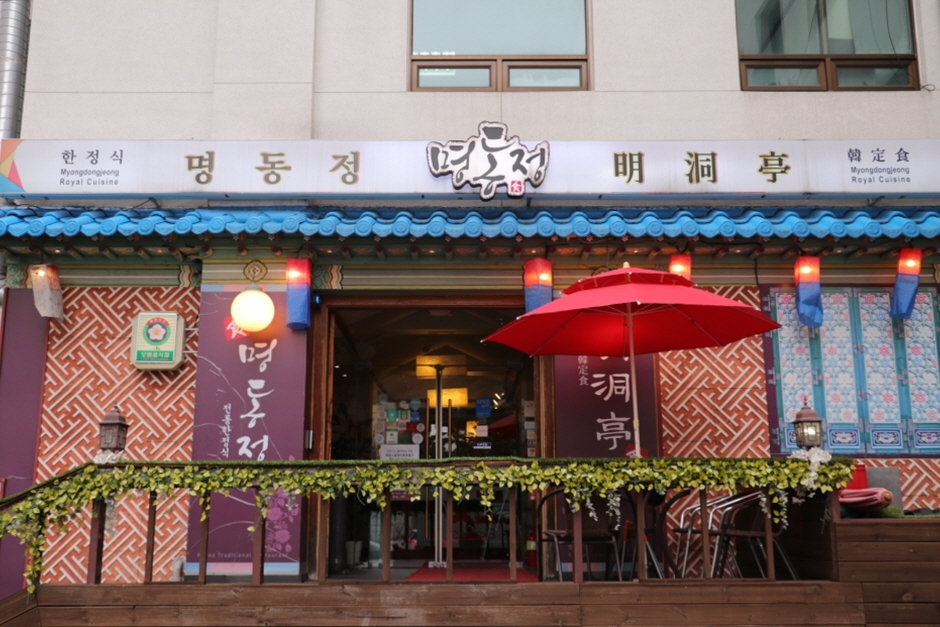
Myeongdongjeong Royal Cuisine Restaurant (명동정)
3.2Km 2024-03-12
1F, 299, Samil-daero, Jung-gu, Seoul
+82-2-3789-5132
Located on Myeongdong Street, Myeongdongjeong Royal Cuisine Restaurant serves Korean traditional dishes. They offer Korean traditional dishes that were once prepared for Korean royalty and nobility, using premium ingredients such as blue crab, abalone, beef, shrimp, and pumpkin. Their Korean table d'hote menus feature youngran sang (weekday lunch special), myeongdong jeongsik (bulgogi and other traditional dishes), gwibin sang (abalone & beef rib stew with traditional various dishes), and haesin sang (high-quality seafood dishes). With various rooms and halls, the venue also has space for organizing simple parties.
Seoul Forest (서울숲)
3.2Km 2024-10-29
273 Ttukseom-ro, Seongdong-gu, Seoul
+82-2-460-2905
Seoul Forest is a city park opened on June 18, 2005 in what was originally a water treatment facility. Consisting of four themed parks spread over approximately 595,000 ㎡ of land, Seoul Forest is an eco-friendly zone appreciated not only by the people of the city but also those visiting Seoul.
NKDB North Korean Human Rights Exhibition Hall (북한인권전시실)
3.2Km 2025-11-13
393 Samil-daero, Jongno-gu, Seoul
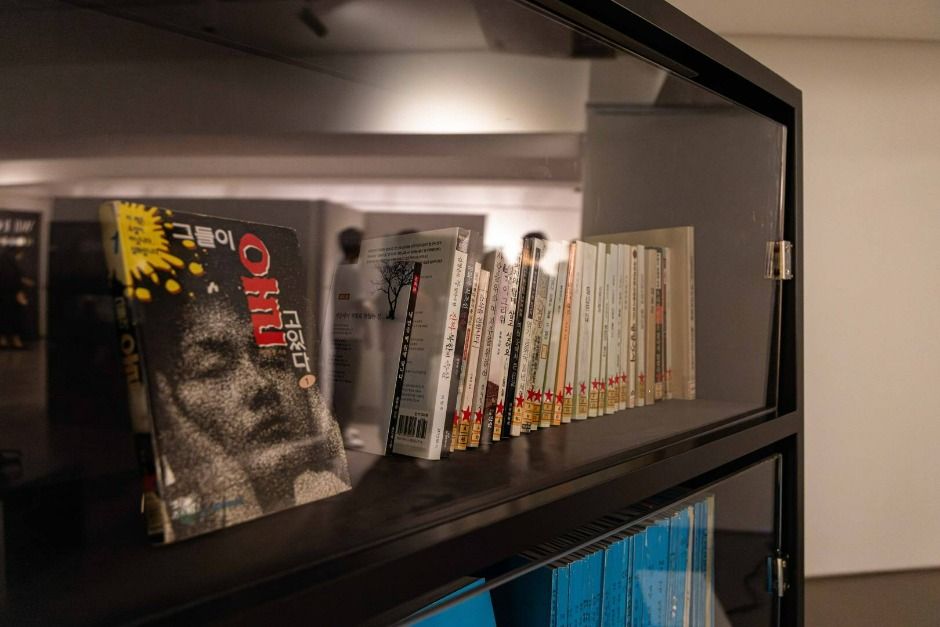
The NKDB North Korean Human Rights Exhibition Hall is a permanent exhibition space dedicated to North Korean human rights. Although it is a small space, it resonates deeply and serves as a "dark tourism" site that records and testifies to the ongoing reality of human rights violations in North Korea. The North Korean Human Rights Information Center (NKDB), which operates this exhibition hall, is the organization that collects and archives the most extensive records of human rights concerning North Korean residents in the world. The testimonies and records presented here represent a living history, a story unfolding in the present, unavailable elsewhere. Through donated North Korean artifacts, including these records, visitors can glimpse the present-day North Korea and encounter artwork by North Korean defectors.
 English
 한국어
한국어 日本語
日本語 中文(简体)
 Deutsch
 Français
 Español
 Русский


