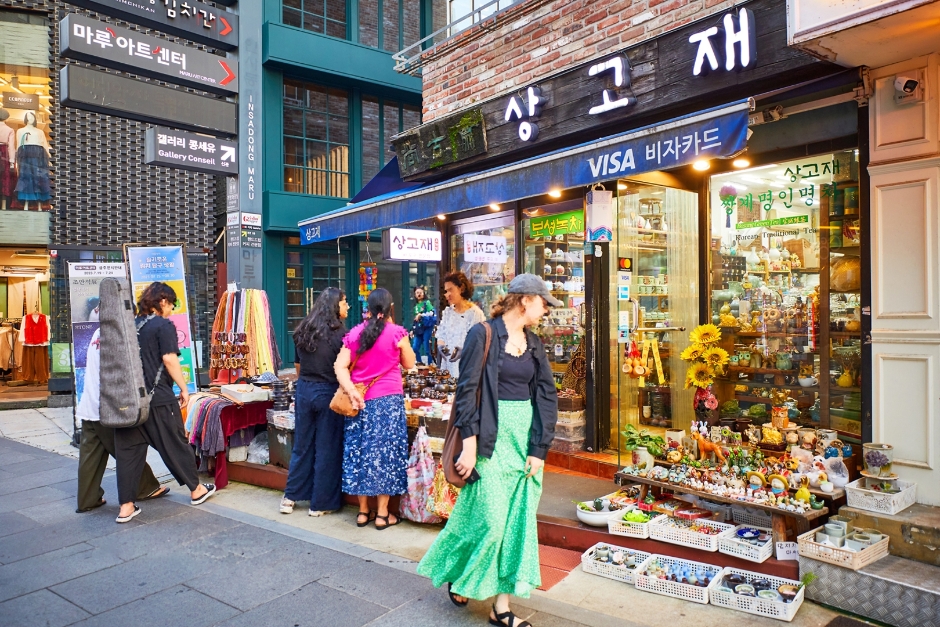
Insadong Cultural Street (인사동 문화의 거리)
14.1Km 2023-12-26
Insa-dong, Jongno-gu, Seoul Metropolitan City
Insadong Cultural Street is a popular tourist destination for visitors from all around the world, thanks to its numerous art galleries, restaurants serving Korean table d’hote, traditional teahouses, and street vendors lining the streets. Its most recognizable feature is the use of Hangeul (Korean script) in storefronts, which allows the visitors to really see just what makes this place so special. Unlike the nearby Ikseon-dong Hanok Street, Insadong Cultural Street has larger streets with wider stores, so it is much easier to traverse. On evenings and weekends, one can find buskers performing on the side of the road.
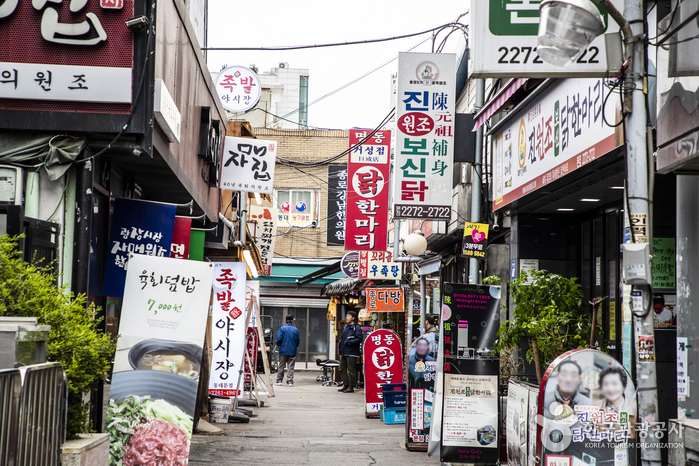
Dongdaemun Dak Hanmari Alley (서울 동대문 닭한마리 골목)
14.1Km 2024-03-04
37-7, Jongno 5(o)-ga, Jongno-gu, Seoul
+82-2-2236-9135
Located near the Dongdaemun Market, Dongdaemun Dak Hanmari Alley gets its name from the restaurants serving dak hanmari (whole chicken soup) that line the alley. Dak hanmari (whole chicken soup), literally “one whole chicken” in Korean, is a dish where a whole chicken is boiled in a soup and served with the alley’s special sauce. After the diners eat the meat, the broth is used to make kalguksu (noodle soup). Because the area is home to large-scale apparel and fashion material markets of the Dongdaemun Market, the district is always lively and bustling.
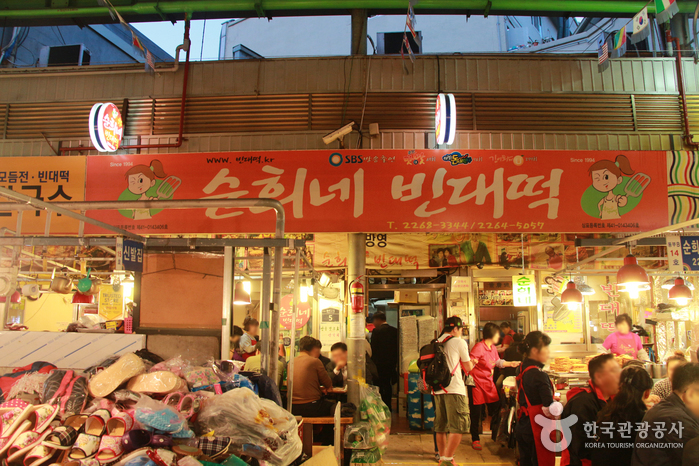
Soonheenae Bindaetteok (순희네빈대떡)
14.1Km 2024-03-20
5 Jong-ro 32-gil, Jongno-gu, Seoul
+82-2-2264-5057
Soonheenae Bindaetteok is a stall located in Gwangjang Market known for its mung bean pancakes and meatballs. Bindaetteok (mung bean pancake) is a dish made by grinding mung beans and mixing them with kimchi, bracken, and ground pork, then flattening and frying the mixture. Here, they grind mung beans on a millstone and fry the bindaetteok on the spot, resulting in a crispy and savory taste. The secret soy sauce dip complements the bindaetteok perfectly. Situated within the traditional market, the atmosphere is lively.
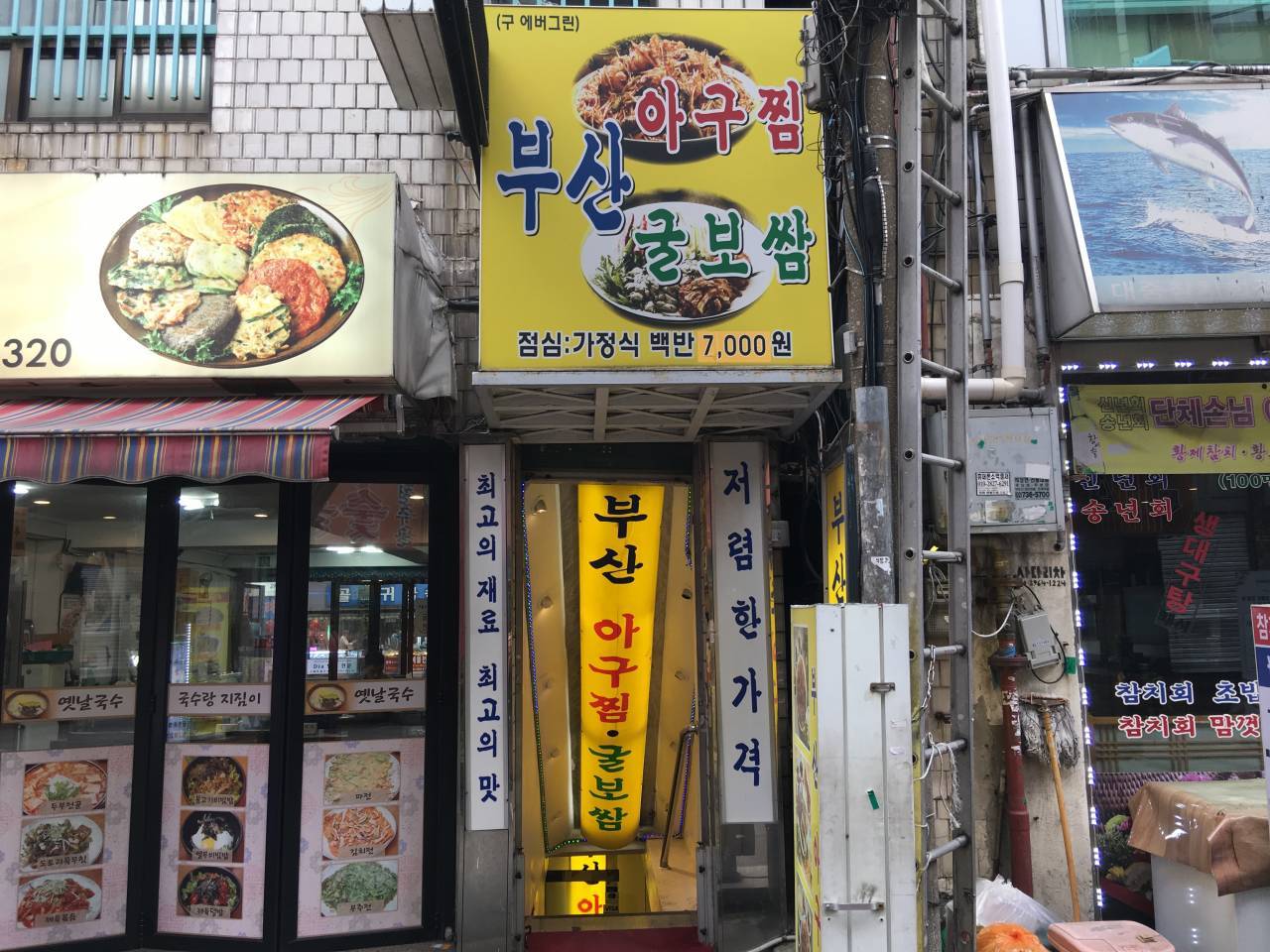
Busan Agujjim Gulbossam (부산아구찜굴보쌈)
14.1Km 2024-10-15
서울특별시 종로구 돈화문로 35
+82-2-764-2373
This is a Korean cuisine located in Jongno, Seoul. The best menu at this restaurant is spicy braised monkfish. Stewed monkfish is a spicy seafood dish made of fish and vegetables.
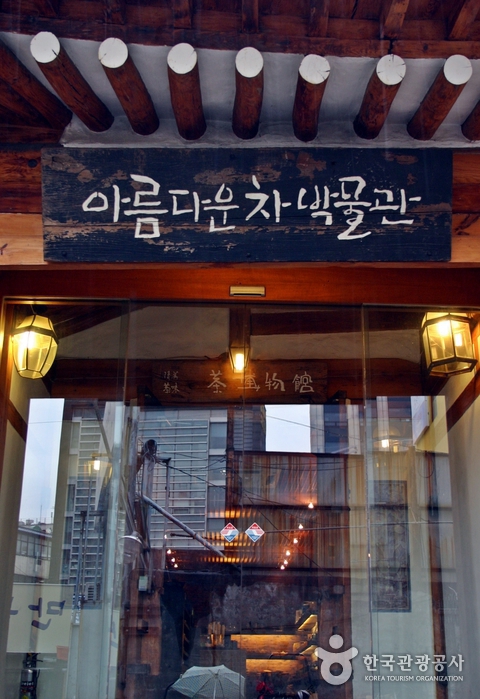
Beautiful Tea Museum (아름다운 차박물관)
14.1Km 2022-07-26
19-11, Insadong-gil, Jongno-gu, Seoul
+82-2-735-6678
Located in Insa-dong, The Beautiful Tea Museum aims to promote Korean tea culture. It preserves and exhibits tea related utensils and items, featuring those from the ancient Gaya and Joseon period as well as items from abroad such as China and Tibet. The museum also displays original tea pots and other ceramics made by young artists and ceramists. Inside the museum is a tea house named "Tea Story," serving a wide variety of teas. Visitors can also purchase tea leaves from all over the world at the Tea Shop.

Imun Seolnongtang (이문설농탕)
14.1Km 2025-06-18
38-13 Ujeongguk-ro, Jongno-gu, Seoul
+82-2-733-6526
Imun Seolnongtang has been serving its hearty seolleongtang for over a hundred years since it first opened in 1907. Even its name has a long history: the word imun comes from Imun-gol, the now-obsolete name of the restaurant’s location, and seolnongtang, an old variation of the word seolleongtang. During the Japanese colonial rule, the restaurant’s regular customers included Gijeong Son, the marathon gold-medalist at the 1936 Berlin Olympics. The meal served at this restaurante is reputed to stay consistent from the Japanese colonial period.
Uke. Zamezip (육회자매집)
14.1Km 2023-12-22
200-4 Jong-ro, Jongno-gu, Seoul
This restaurant is located in a corner of Gwangjang Market's alley, and its main menu is Yukhoe/Beef Tartare (raw beef made by cutting small pieces of beef with various seasonings). The lightness of raw meat, which cannot be found in grilled meat, and the harmony with the seasoning are impressive. If you eat it with egg yolk, sprouts, and pears served together, you can feel the depth of the true taste of raw meat. If you want to try something a little more Korean-style, try 'Yuktangi,' which comes with Tangtangi (a dish made by pounding wild octopus on a cutting board and cutting it into pieces) and Yukhoe. However, the octopus Yuktangi moves around when the food is served, so you must be careful.
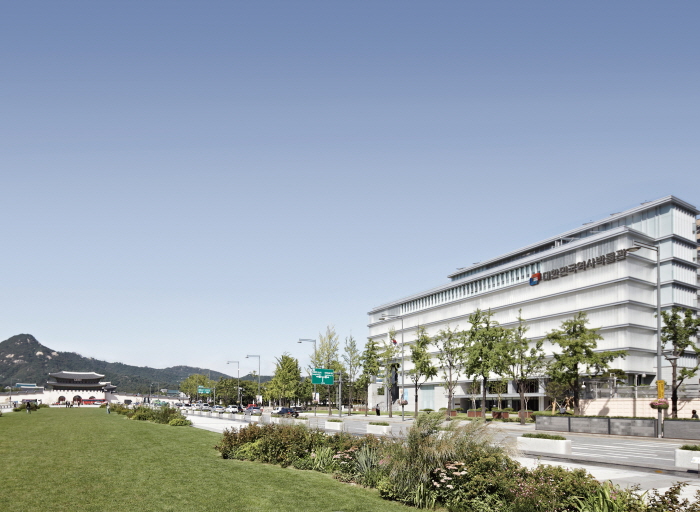
National Museum of Korean Contemporary History (대한민국역사박물관)
14.1Km 2022-12-27
198, Sejong-daero, Jongno-gu, Seoul
+82-2-3703-9200
The National Museum of Korean Contemporary History opened on December 26, 2012, and showcases Korea's modern history, from the opening of Incheon Port to current times. The museum provides an in-depth look at the changes in the nation through exhibitions and educational programs, as well as researching, developing, and collecting materials. The museum is comprised of four exhibition halls; Prelude to the Republic of Korea, Foundation of the Republic of Korea, Development of the Republic of Korea, and Modernization of South Korea, toward the World. In addition, the Korean History Dream Village features a hands-on program hall for children to learn modern and contemporary history. In addition to special exhibitions, the museum also offers educational and cultural programs for children.
Jongmyo Shrine [UNESCO World Heritage] (종묘 [유네스코 세계유산])
14.1Km 2024-07-05
157 Jong-ro, Jongno-gu, Seoul
+82-2-765-0195
Jongmyo Shrine was the primary place of worship for kings and their queens throughout the Joseon dynasty. The shrine was built at the same time as Gyeongbokgung Palace, under the orders of King Taejo, the first king of the Joseon dynasty. The shrine is the site of the royal memorial service, called Jongmyo Jaerye, a national event that has been passed down since the Three Kingdoms period. During the Joseon dynasty, the ritual was held on the first month of a seasonal change and the twelfth month of the lunar year.
![Harmony Mart - Insa Branch [Tax Refund Shop] (하모니마트 인사)](http://tong.visitkorea.or.kr/cms/resource/79/2888079_image2_1.jpg)
Harmony Mart - Insa Branch [Tax Refund Shop] (하모니마트 인사)
14.1Km 2024-04-17
1F (Gwanhun-dong), 38, Insadong 5-gil, Jongno-gu, Seoul
-
 English
 한국어
한국어 日本語
日本語 中文(简体)
 Deutsch
 Français
 Español
 Русский


