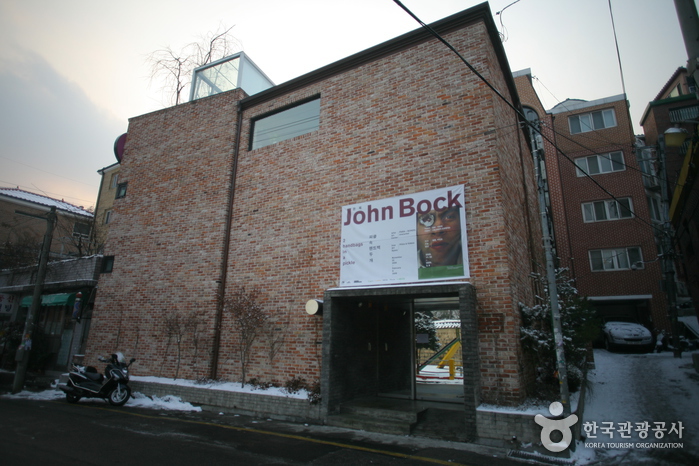
Insa Art Space (인사미술공간)
1.3Km 2021-02-26
89, Changdeokgung-gil, Jongno-gu, Seoul
+82-2-760-4722
Insa Art Space was established in 2000 to support artists who are experiencing financial difficulties. In 2005, Art Space started to develop artistic projects and in 2006, the gallery began to provide project consultations, and publishing and marketing, to develop into a stronger self-sufficient gallery. Currently, the gallery provides special exhibitions for artists and independent curators.

Dal Café (달 카페)
1.3Km 2024-03-18
94-1 Samcheong-ro, Jongno-gu, Seoul
+82-2-735-7355
Dal Café is a café located in Bukchon Hanok Village, housed within a traditional Korean hanok. "Dal" means "moon" in Korean. The café is designed with lighting fixtures that give the impression of the moon hanging on the wall, making it a perfect spot for photography. The signature menu item here is the traditional Korean shaved ice with topping served in a traditional pot.
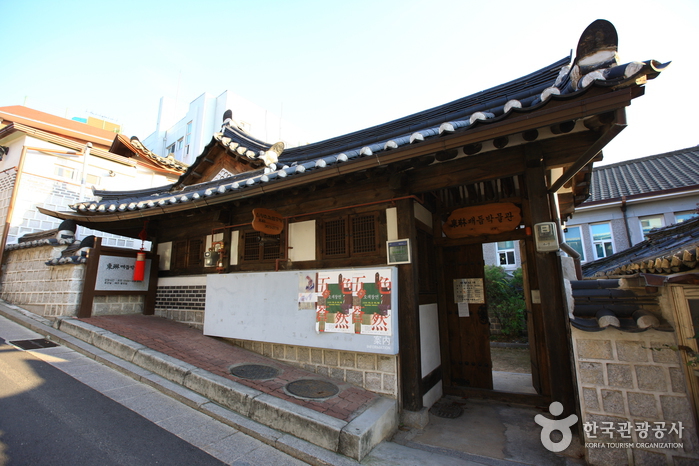
Dong-Lim Knot Museum (동림매듭박물관)
1.3Km 2021-12-21
10, Bukchon-ro 12-gil, Jongno-gu, Seoul
+82-2-3673-2778
Opened in April 2004, Dong-Lim Knot Museum exhibits a variety of decorative traditional Korean maedeup (knots): norigae for hanbok, belts, pouches, as well as materials like thread, cord, and accessories. Housed in a hanok, a traditional Korean house, the gallery has a variety of exhibits, including old and new artwork, and creations that reflect modern trends.
![Changdeokgung Palace Complex [UNESCO World Heritage Site] (창덕궁과 후원 [유네스코 세계유산])](http://tong.visitkorea.or.kr/cms/resource/03/3092503_image2_1.jpg)
Changdeokgung Palace Complex [UNESCO World Heritage Site] (창덕궁과 후원 [유네스코 세계유산])
1.3Km 2025-07-21
99 Yulgok-ro, Jongno-gu, Seoul
Changdeokgung Palace was the second royal villa built following the construction of Gyeongbokgung Palace in 1405. It was the principal palace for many kings of the Joseon dynasty, and is the most well-preserved of the five remaining royal Joseon palaces. The palace grounds are comprised of a public palace area, a royal family residence building, and the rear garden. Known as a place of rest for the kings, the rear garden boasts a gigantic tree that is over 300 years old, a small pond and a pavilion.
The palace gained importance starting from the time of Seongjong, the 9th king of Joseon, when a number of kings began using it as a place of residence. Unfortunately, the palace was burned down by angry citizens in 1592 when the royal family fled their abode during the Imjin War. Thanks to Gwanghaegun, the palace was restored in 1611. Even today, it houses a number of cultural treasures, such as Injeongjeon Hall, Daejojeon Hall, Seonjeongjeon Hall, and Nakseonjae Hall.
Changdeokgung Palace’s garden behind the inner hall, called the "Secret Garden," was constructed during the reign of King Taejong and served as a rest area for the royal family members. The garden had formerly been called Bugwon and Geumwon, but was renamed Biwon Garden, or Secret Garden, after King Gojong came into power. The garden was kept as natural as possible and was touched by human hands only when absolutely necessary. Buyongjeong Pavilion, Buyongji Pond, Juhamnu Pavilion, Eosumun Gate, Yeonghwadang Hall, Bullomun Gate, Aeryeonjeong Pavilion, and Yeongyeongdang Hall are some of the many attractions that occupy the garden. The most beautiful time to see the garden is during the fall when the autumn foliage is at its peak and the leaves have just started to fall.
Though it has been treasured by Koreans for centuries, Changdeokgung Palace and its complex was recognized as a World Cultural Heritage site by the UNESCO World Cultural Heritage Committee in December of 1997 during the committee meeting in Naples, Italy.
Artbox - Daehangno Branch [Tax Refund Shop] (아트박스 대학로)
1.3Km 2024-04-22
22, Daemyeong-gil, Jongno-gu, Seoul
-
Cheongsujeong (청수정)
1.3Km 2024-03-18
91 Samcheong-ro, Jongno-gu, Seoul
Cheongsujeong is a traditional Korean restaurant specializing in mussel dishes near Gyeongbokgung Palace. Mussel rice is a traditional dish from Ulleungdo Island. The signature menu is the honghapbap jeongsik (mussel rice set menu), which includes mussel-infused rice served with soybean paste jjigae, various side dishes such as salads, acorn jelly, kimchi, grilled fish, and more. Additionally, they offer dishes like bulgogi deopbap (stir-fried bulgogi with rice), jeyukbokkeum (spicy stir-fried pork), and ojingeo bokkeum (stir-fried squid).
![Innisfree - Daehangno Branch [Tax Refund Shop] (이니스프리 대학로)](http://tong.visitkorea.or.kr/cms/resource/84/2878184_image2_1.jpg)
Innisfree - Daehangno Branch [Tax Refund Shop] (이니스프리 대학로)
1.3Km 2024-04-19
51, Daehak-ro 11-gil, Jongno-gu, Seoul
-
Lloyd - Daehangno Branch [Tax Refund Shop] (로이드 대학로)
1.3Km 2024-04-17
1F, 31, Daemyeong-gil, Jongno-gu, Seoul
-
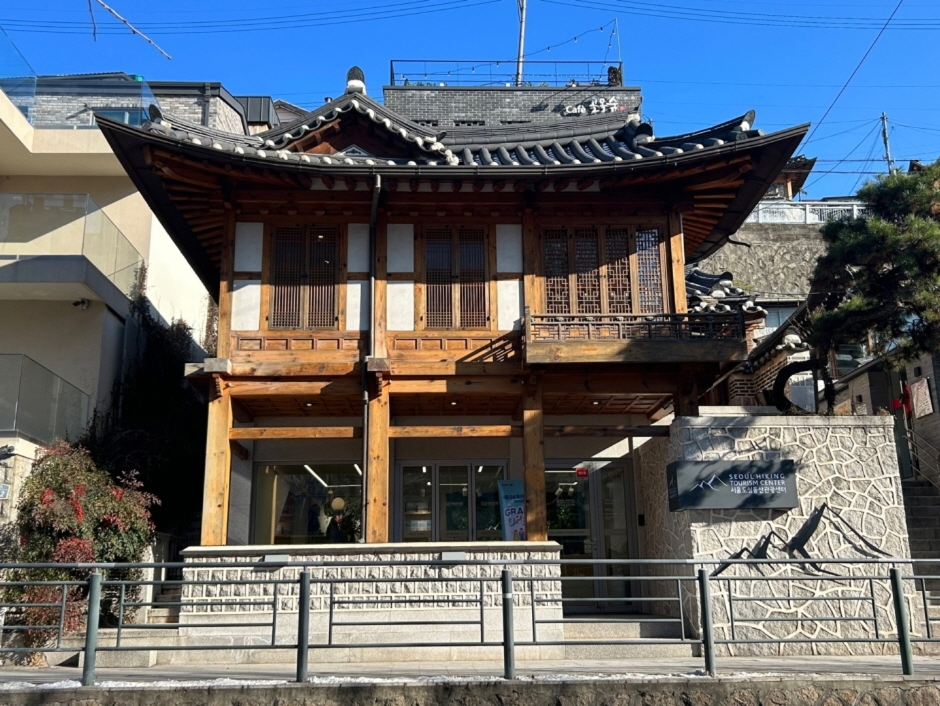
Seoul Hiking Tourism Center - Bugaksan Branch (서울도심등산관광센터(북악산))
1.3Km 2024-03-05
88 Samcheong-ro, Jongno-gu, Seoul
The Bugaksan branch of Seoul Hiking Tourism Center is located on Samcheong-dong Culture Street and provides various services to hikers. It provides hiking course guidance and information (available in Korean, English, Chinese, and Japanese) about the mountains of Seoul, including Bukhansan, Bugaksan, and Inwangsan Mountains, as well as promotional materials such as Seoul hiking tourism guidebooks and maps. Also, it operates hiking tour programs with various themes every week for foreigners and offers hiking gear rental services such as hiking boots, hiking attire, trekking poles, gloves, and crampons for foreigners. (Koreans accompanied by foreigners can also rent the gear.) In addition, there is a storage locker and lounge for visitors, so they can pack up and rest before hiking.
 English
 한국어
한국어 日本語
日本語 中文(简体)
 Deutsch
 Français
 Español
 Русский


