
Regal Optical [Tax Refund Shop] (리갈안경)
2.3Km 2024-04-19
Store #123, Section Ra-3 of Myeongdong Underground Shopping Center, 2, Namdaemun-ro, Jung-gu, Seoul
-
Dongdaemun Bonga Gamasot Seolleongtang (동대문본가가마솥설렁탕)
2.3Km 2024-03-15
299-1 Jong-ro, Jongno-gu, Seoul
+82-2-741-1510
Dongdaemun Bonga Gamasot Seolleongtang is a seolleongtang (ox bone soup) restaurant located near Dongdaemun Fashion Market. The rich-tasting seolleongtang is boiled for 24 hours in a traditional cast-iron pot, using beef from ten different parts of the cow, and the process is visible from outside the restaurant. It is recommended to enjoy the seolleongtang wrapped in rice with a side of tangy radish kimchi. Yennal bulgogi (old-fashioned bulgogi) and yukhoe bibimbap (beef tartare bibimbap) made with Korean beef are also popular menu items.
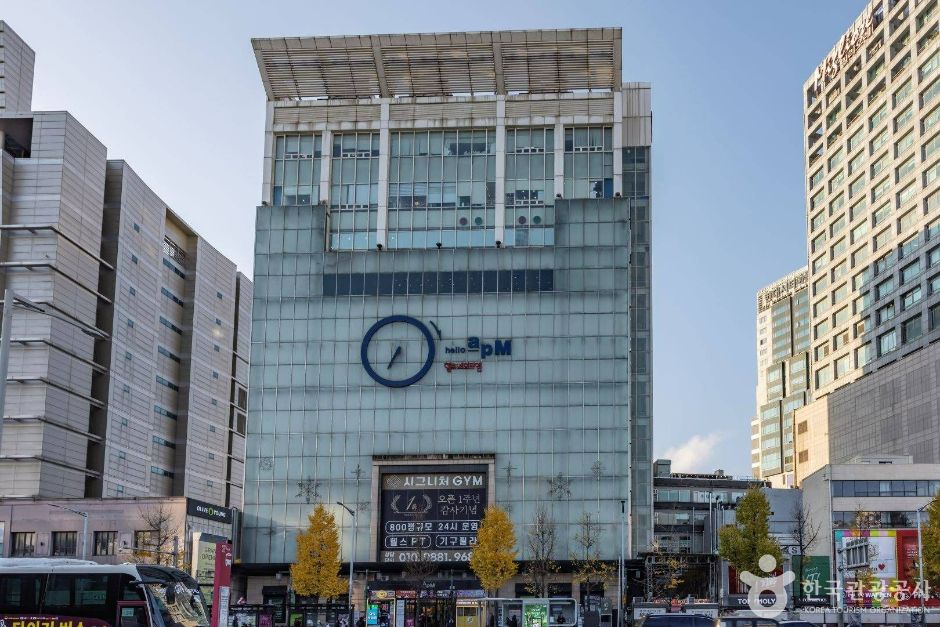
Hello apM (헬로에이피엠)
2.3Km 2025-05-13
253 Jangchungdan-ro, Jung-gu, Seoul
+82-2-6388-1114
Hello apM is located within the Dongdaemun shopping district and appeals to customers in their 10s and 20s for it's latest trending styles and low prices. It is crowded year-round with young people from all over the world. Bargaining has faded out over recent years with prices more often indicated.
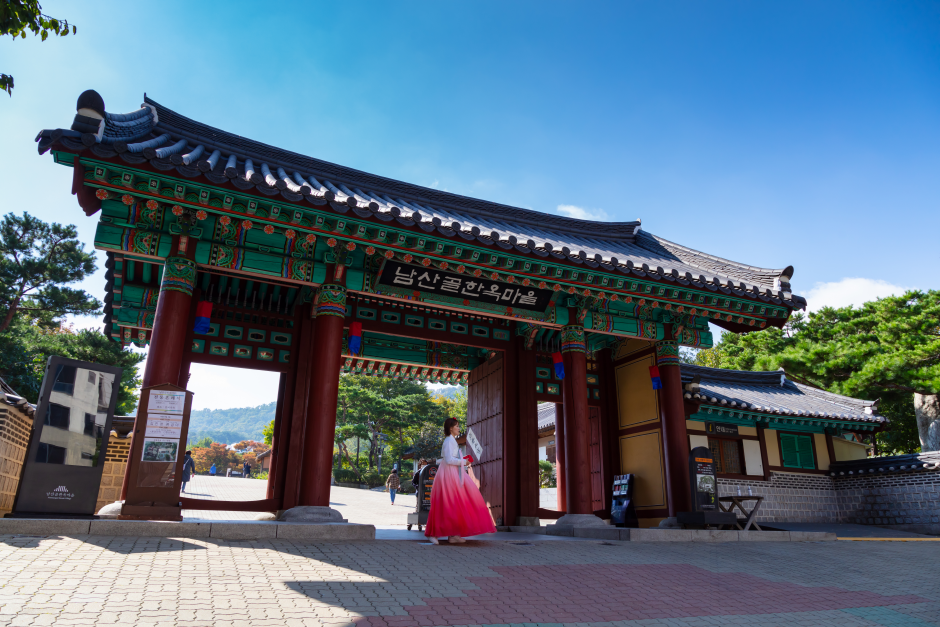
Namsangol Hanok Village (남산골한옥마을)
2.3Km 2025-07-14
28 Toegye-ro 34-gil, Jung-gu, Seoul
Namsangol Hanok Village opened in 1998 on the northern side of Namsan Mountain in the center of the capital. This village has five restored hanok (traditional Korean house) premises, a pavilion, a traditional garden, a performance art stage, and a time capsule plaza, making it a perfect spot for locals and tourists to take a leisure walk. Upon entering from the front gate, visitors will get a taste of Korea's traditional life while escaping from bustling city life. The traditional garden with its pavilion and old houses creates a peaceful ambiance before the forested Namsan Mountain. A time capsule commemorating Seoul’s 600th anniversary was buried in 1994 at the highest point of the village and is scheduled to be reopened 400 years later in 2394.
The five hanok premises at Namsangol Hanok Village once belonged to aristocrats and government officials of the Joseon dynasty. Each house was originally located in a different neighborhood, but they were all moved to this area and restored to their original form. The houses were rebuilt using their original materials, except for one house, where the materials were too old and deteriorated to be reused. The premises were carefully restored and replicated according to their original form to depict the owners’ social class and personality. These buildings are now used as an exhibit to portray the living environment during the Joseon dynasty and as a venue for educational and cultural programs for children and tourists.
Some of the unique programs and activities to participate in include wearing hanbok, folding hanji (traditional Korean paper), writing in Korean, traditional tea ceremony, traditional etiquette school, and herbal medicine experience. There are also taekwondo demonstrations and other various performances held around the village. Visitors can also try traditional games such as yunnori (traditional board game), or understand more about the area through a guided tour.
![Olens - Dongdaemun Branch [Tax Refund Shop] (오렌즈 동대문)](http://tong.visitkorea.or.kr/cms/resource/81/2887981_image2_1.jpg)
Olens - Dongdaemun Branch [Tax Refund Shop] (오렌즈 동대문)
2.3Km 2024-04-16
1F, 251, Jangchungdan-ro, Jung-gu, Seoul
-
![Olive Young - Dongdaemun History & Culture Park Branch [Tax Refund Shop] (올리브영 동대문역사문화공원역)](http://tong.visitkorea.or.kr/cms/resource/10/2889310_image2_1.jpg)
Olive Young - Dongdaemun History & Culture Park Branch [Tax Refund Shop] (올리브영 동대문역사문화공원역)
2.3Km 2024-04-18
251, Jangchungdan-ro, Jung-gu, Seoul
-
![New Kaist Eyewear [Tax Refund Shop] (뉴카이스트안경원)](http://tong.visitkorea.or.kr/cms/resource/81/2878581_image2_1.jpg)
New Kaist Eyewear [Tax Refund Shop] (뉴카이스트안경원)
2.3Km 2024-04-22
12-2, Namdaemunsijang 4-gil, Jung-gu, Seoul
-
Tonymoly - Dongdaemun Branch [Tax Refund Shop] (토니모리 동대문)
2.3Km 2024-04-18
257, Jangchungdan-ro, Jung-gu, Seoul
-
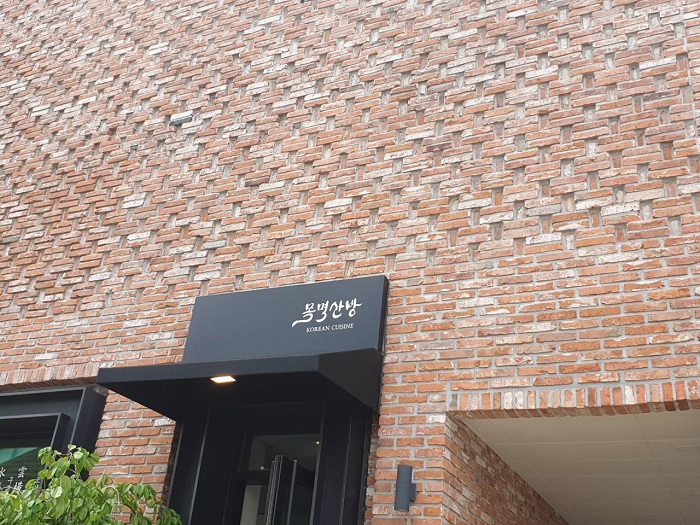
Mongmyeoksanbang (목멱산방)
2.3Km 2024-03-07
71, Toegye-ro, 20-gil, Jung-gu, Seoul
+82-2-318-4790
Situated near Namsan Mountain, Mongmyeoksanbang specializes in bibimbap. Mongmyeok is the ancient name of Namsan Mountain. Bibimbap is a bowl of rice tossed with various vegetables, meat, sesame oil, and red chili paste, making it a nutritionally balanced dish. Their dishes are made with natural seasonings and seasonal herbs gathered from Jirisan Mountain. The soybean pasete and soy sauce are also handmade, and perilla oil and sesame oil are 99.9% natural, without artificial ingredients.
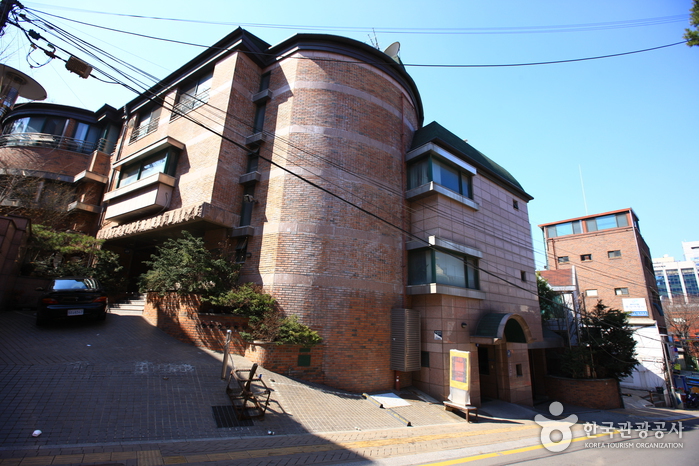
Chojun Textile & Quilt Art Museum (초전섬유ㆍ퀼트박물관)
2.3Km 2024-03-06
29, Toegye-ro 16-gil, Jung-gu, Seoul
+82-2-753-4074~5
Opened in 1998, Chojun Textile & Quilt Art Museum is the only textile art museum in Korea. Visiotrs can learn about the excellence and tradition of Korean textiles by observing a wide range of domestic and international textile artworks. In addition to exhibiting its collection, the museum also holds special exhibitions as well as textile and quilt competitions, giving visitors the opportunity to get up close and personal with textile artworks.
 English
 한국어
한국어 日本語
日本語 中文(简体)
 Deutsch
 Français
 Español
 Русский


