
Olive Young - Jongno Branch [Tax Refund Shop] (올리브영 종로점)
424.0M 2024-06-27
1F, 78, Jong-ro, Jongno-gu, Seoul
-
Line Friends - Insa Branch [Tax Refund Shop] (라인프렌즈 인사점)
426.2M 2024-04-16
49, Insadong-gil, Jongno-gu, Seoul
-
KongKongY Gallery [Tax Refund Shop] (콩콩이 그림가게)
426.2M 2024-04-19
Store #325, 3F, 49, Insadong-gil, Jongno-gu, Seoul
-
Bachi Ring (UMC Jewelry) [Tax Refund Shop] (바치링(UMC쥬얼리))
426.2M 2024-04-19
#414, 49, Insadong-gil, Jongno-gu, Seoul
-
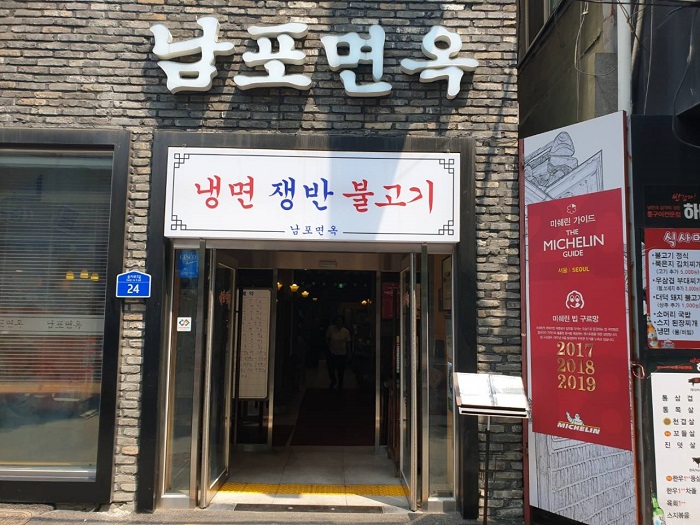
Nampo Myeonok (남포면옥)
428.0M 2024-03-07
24, Eulji-ro 3-gil, Jung-gu, Seoul
+82-2-777-3131
Located near Seoul City Hall and Cheonggyecheon Stream, Nampo Myeonok is a traditional Korean restaurant. Opened in 1968, it has been recognized by the Michelin Guide several times. Their specialty is pyeongyang naengmyeon (pyeongyang cold buckwheat noodles). The restaurant also serves a variety of other dishes that are the most commonly found in Korea, including galbi tang (galbi soup), bulgogi, mandu soup, and yukgaejang (spicy beef soup).
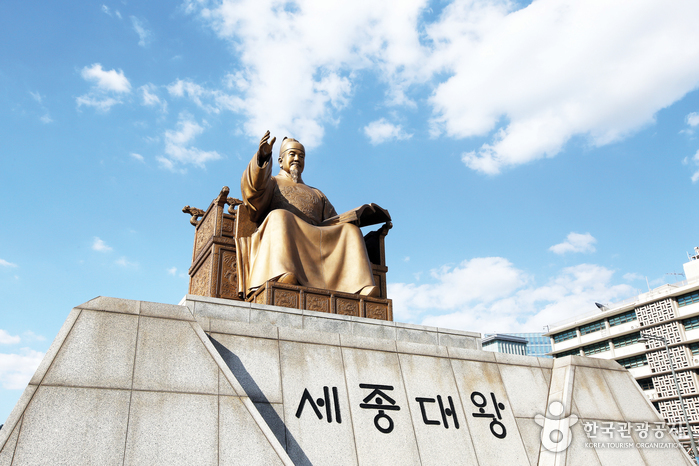
King Sejong Statue (세종대왕 동상)
432.6M 2024-03-04
175, Sejong-daero, Jongno-gu, Seoul
+82-2-2133-7713
King Sejong Statue can be found at Seoul’s Gwanghawmun Square. The statue commemorates King Sejong the Great (1397-1450, reign 1418-1450), the fourth king of Joseon (1392-1897). He is thought to be the greatest king in Korean history, for he is credited with great developments in science and technology, expansion of Joseon’s territory, and the creation of the Korean script, [Hangeul]. King Sejong’s likeness can be found on the 10,000 won bill as well.
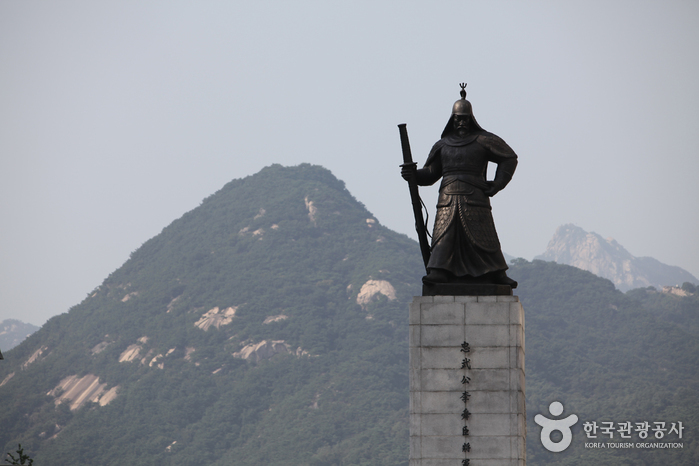
Statue of Admiral Yi Sun-Shin (충무공 이순신 동상)
437.0M 2024-03-04
175, Sejong-daero, Jongno-gu, Seoul
The Statue of Admiral Yi Sun-Shin can be found at Gwanghwamun Square in Seoul. Admiral Yi Sun-shin (1545-1598) was a naval commander who served during the Japanese invasion of Korea (also known as Imjin War: 1592-1598). The undefeated admiral achieved 23 victories against the Japanese navy using innovative tactics, and he is thus considered as one of the greatest generals in the history of Korea. Admiral Yi’s likeness can be found on the 100 won coin.
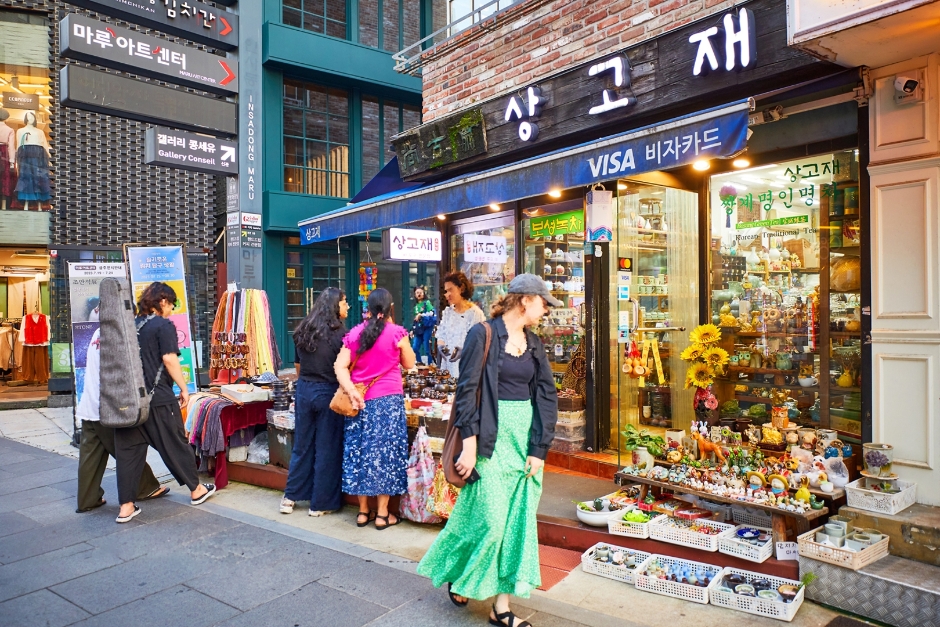
Insadong Cultural Street (인사동 문화의 거리)
438.6M 2023-12-26
Insa-dong, Jongno-gu, Seoul Metropolitan City
Insadong Cultural Street is a popular tourist destination for visitors from all around the world, thanks to its numerous art galleries, restaurants serving Korean table d’hote, traditional teahouses, and street vendors lining the streets. Its most recognizable feature is the use of Hangeul (Korean script) in storefronts, which allows the visitors to really see just what makes this place so special. Unlike the nearby Ikseon-dong Hanok Street, Insadong Cultural Street has larger streets with wider stores, so it is much easier to traverse. On evenings and weekends, one can find buskers performing on the side of the road.
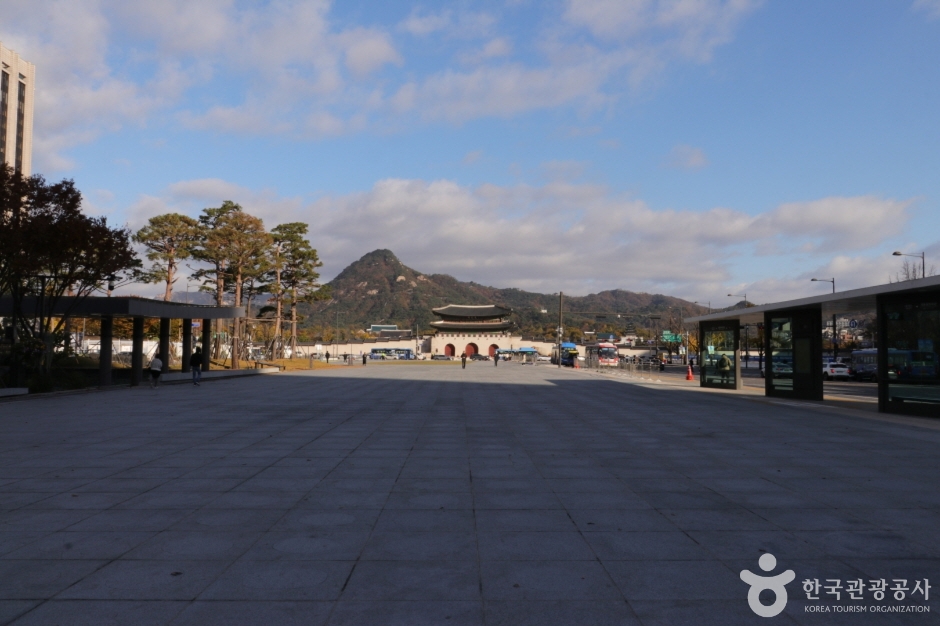
Gwanghwamun Plaza (광화문 광장)
442.1M 2025-03-13
172 Sejong-daero, Jongno-gu, Seoul
+82-2-120
Gwanghwamun Plaza was opened to the public in August 2022 after renovation. Sejong-ro, the main street of Seoul with 600 years of history, has been reborn as a space for historical and cultural experiences by restoring Yukjo Street. Woldae (Elevated Ceremonial Stage) was reconstructed at the entrance of the "Plaza that Recovers the History of Gwanghwamun," and the statue of Haetae, an imaginary animal that judges good and evil, has been restored. In addition, traces of Yukjo Street, the main street of Hanyang in the past, were restored in the ‘Plaza that recreates the scenery of Yukjo Street’ near Sejong-ro Park, with a scale model installed. This is an excellent place for a stroll with beautiful scenery, including Gyeongbokgung Palace and Bugaksan Mountain.
Yetchatjip (옛찻집)
443.9M 2024-03-18
33-1 Insadong-gil, Jongno-gu, Seoul
+82-2-722-5332
Yetchatjip in Insa-dong offers a variety of teas including ssanghwacha (medicinal herb tea), jujube tea, lotus leaf tea, ginger tea, and citrus tea. Their signature dish during the summer is the yennal patbingsu (old-fashioned shaved ice with red beans), topped with sweet red bean and sweet rice cakes, served on finely shaved ice. Additionally, they offer traditional Korean snacks such as grilled rice cake stick, yakgwa (honey cookie), and traditional Korean sweets to accompany the tea.
 English
 한국어
한국어 日本語
日本語 中文(简体)
 Deutsch
 Français
 Español
 Русский


