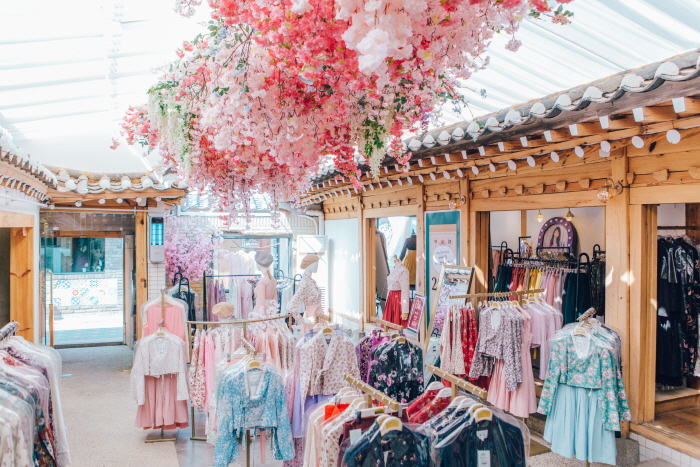
Teterot Salon (때때롯살롱)
787.3M 2025-10-23
21-12 Supyo-ro 28-gil, Jongno-gu, Seoul
Teterot Salon is a representative hanbok brand in Seoul operated by Chima Jeogori Seoul. They boast high levels of completion by closely monitoring the process from design conception, production, and sale of products. In particular, they have their own factory that allows for high quality products and more frequent updates on new products.
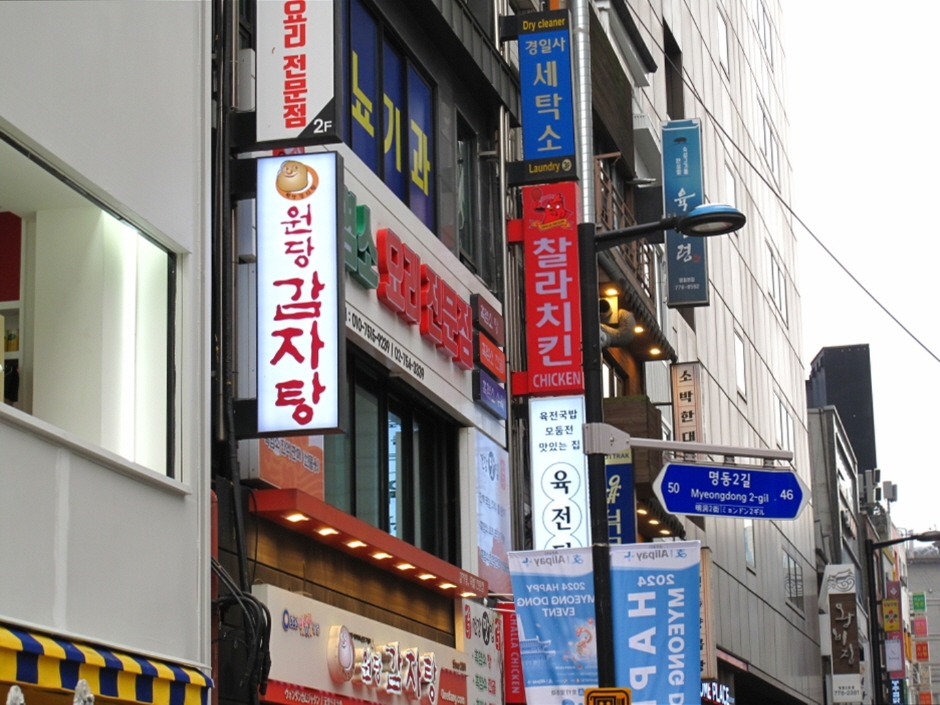
Wondang Gamjatang Myeongdong (원당감자탕 명동)
788.9M 2024-03-11
1F, 35, Myeongdong 8na-gil, Jung-gu, Seoul
+82-2-776-7612
Located in Myeongdong, a central and tourist area of Seoul, Wondang Gamjatang offers gamja tang (pork backbone stew) as their signature dish. Patrons have the option to other delectable menu such as bulgogi, jokbal bossam (kimchi cabbage wraps with braised pigs' feet). It's popular with both Koreans and foreigners. As it's open 24 hours a day, seven days a week, one can visit anytime.
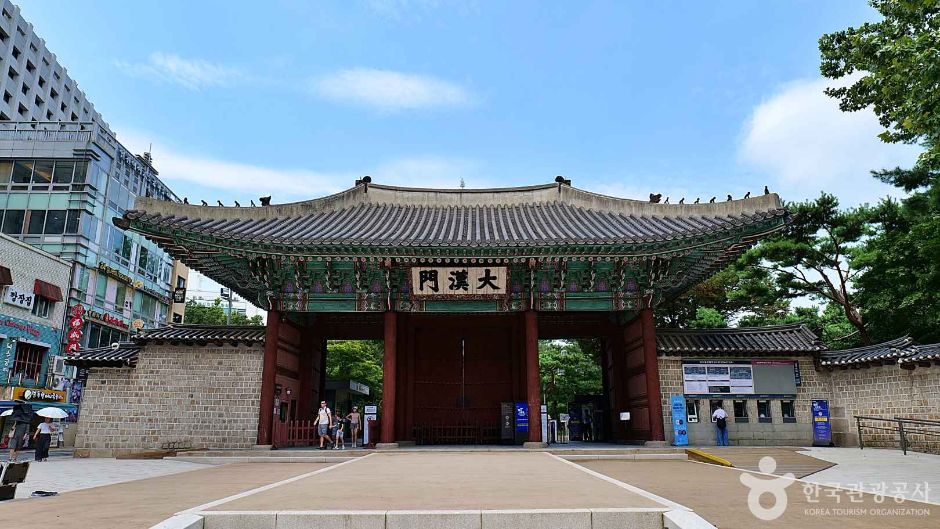
Deoksugung Palace's Daehanmun Gate (덕수궁 대한문)
791.5M 2025-01-13
99 Sejong-daero, Jung-gu, Seoul
+82-2-771-9951
Located near City Hall station, Daehanmun Gate is the main gate of Deoksugung Palace, one of the princiapl five palaces of Joseon dynasty. The name "Daehan" means wish for eternal prosperity of the Korean Empire. In front of the gate, the Palace Royal Guard Changing Ceremony is held twice daily, along with the reproduction of costumes and style throughout the year.
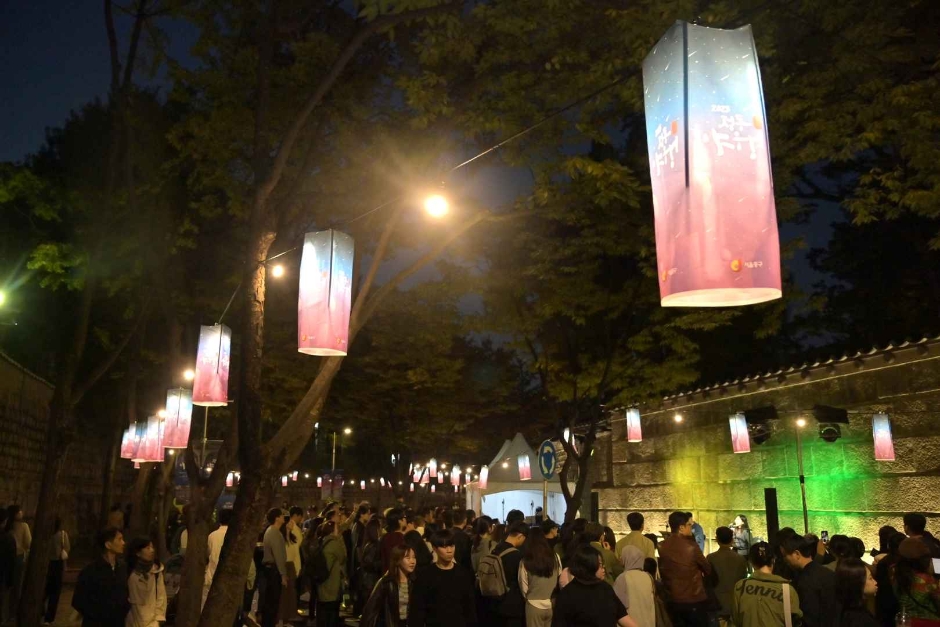
Jeongdong Culture Night (정동야행)
791.5M 2025-05-20
99 Sejong-daero, Jung-gu, Seoul
+82-2-3396-4625
Jeongdong Culture Night is dedicated to promoting the history and culture of Jeongdong, a neighborhood in Jung-gu, Seoul. The festival programs allow participants to understand how the history is connected to today's culture and offers an opportunity to view Jeongdong's cultural facilities in a different perspective.
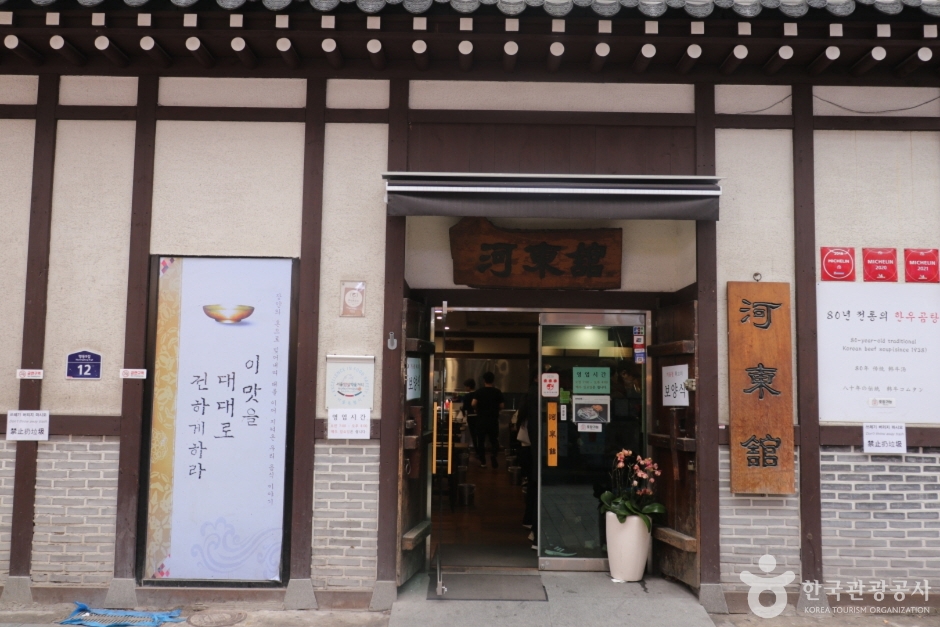
Hadongkwan (Main Store) (하동관(본점))
794.3M 2024-03-04
12 Myeongdong 9-gil, Jung-gu, Seoul
02-776-5656
Hadongkwan has maintained its reputation as a famous gomtang (beef bone soup) restaurant in Myeongdong since 1939, renowned for its consistent flavor. It has also been recognized by the Michelin Guide. One of its distinctive features is the generous serving of various cuts of beef, including brisket, intestines, and tripe, in a single bowl of beef soup. During lunch hours, it's common to wait in line due to its popularity. Once the daily supply runs out, the restaurant closes for the day, and payment is made in advance.
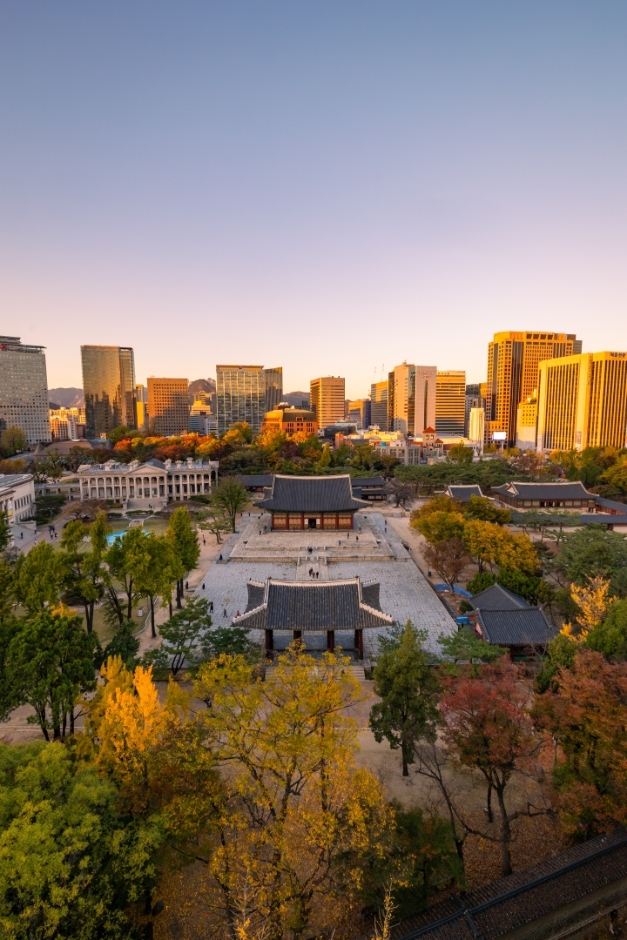
Deoksugung Palace (덕수궁)
798.6M 2025-06-25
99 Sejong-daero, Jung-gu, Seoul
Registered as a Historic Site, Deoksugung Palace was initially not a royal palace, but the residential home of Grand Prince Wolsan (1454-1488), the older brother of King Seongjong (1469-1494) of the Joseon dynasty. It wasn't until 1593 that the palace was used as a temporary palace of the royal family after their home was burned down during the Imjin War. King Seonjo also stayed at Deoksugung Palace after returning to the city. It became a proper palace when Gwanghaegun (1575-1641) ascended to the throne and gave this royal residence the name Gyeongungung Palace in 1611. Over the following decades, the palace alternated between being an official palace and a temporary residence. The name did not change officially to Deoksugung Palace, meaning the “palace of virtuous longevity,” until 1907. While the palace once encompassed a vast area with many buildings, the current palace grounds are just a small shadow of the prior splendor, with very few structures remaining.
![Myeong-dong Myeong Pharmacy [Tax Refund Shop] (명동명약국)](http://tong.visitkorea.or.kr/cms/resource/87/2878587_image2_1.jpg)
Myeong-dong Myeong Pharmacy [Tax Refund Shop] (명동명약국)
798.6M 2024-04-19
#102, 11, Namdaemun-ro 7-gil, Jung-gu, Seoul
-
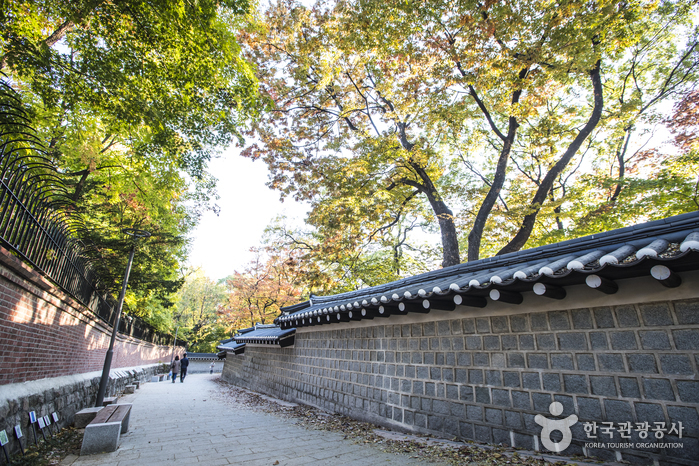
Deoksugung Stone Wall Path (덕수궁 돌담길)
806.0M 2025-01-10
24 Sejong-daero 19-gil, Jung-gu, Seoul
The Deoksugung Stone Wall Path runs along the wall of Deoksugung Palace. It is beautifully lit and landscaped, giving it a romantic atmosphere even at night. There are street performances and flea markets, and the area boasts many famous cafes and restaurants along Jeongdong street. In autumn, the ginkgo trees and walls form a stunning scene. Close to major cultural facilities such as the Seoul Museum of Art and Seoul Museum of History, it attracts numerous visitors come for a stroll.

 English
 한국어
한국어 日本語
日本語 中文(简体)
 Deutsch
 Français
 Español
 Русский


