
Suseongdonggyegok Valley (수성동계곡)
2.8Km 2023-08-17
185-3, Ogin-dong, Jongno-gu, Seoul 서울특별시 종로구 옥인동
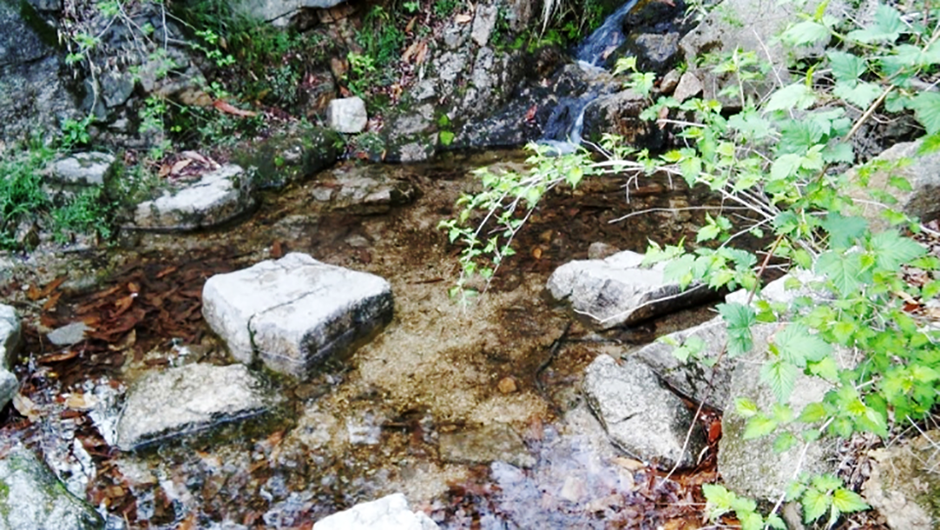
Suseong-dong Valley's stream runs down from Inwangsan Mountain and joins Cheonggyecheon Stream, and it is said that the name of the village was called Suseong-dong during the Joseon dynasty due to the loud and clear sound of the flowing water. It appears in the painting "Jangdong Palgyeongcheop," which is Jangdong Eight Scenic Views, that depicts the eight scenic views of Bugaksan Mountain and Inwangsan Mountain as well as in other historical books of the Joseon dynasty as a place of scenic beauty. The valley was so famous for its beauty, that Prince Anpyeong of the Joseon dynasty built his house "Bihaedang" to fully enjoy the view, and the valley and its stone bridge were designated as a cultural property of Seoul in 2010.
National Memorial of Korean Provisional Government (국립대한민국임시정부기념관)
2.8Km 2023-01-16
279-24, Tongil-ro, Seodaemun-gu, Seoul
The National Memorial of Korean Provisional Government was established to shine a light on the proud history of the Korean Provisional Government's independence and the spirit of a democratic republic and to pass it on to future generations. The four-story memorial building with three underground floors houses three permanent exhibits, one special exhibit, Larchiveum, Symbol Plaza, storage, multi-purpose hall, and rooftop garden over a total area of 3,656 square meters, a total floor area of 9,703 square meters and a total exhibition space of 2,240 square meters. The permanent exhibits consist of a series of historic events from the March 1st Movement, which served as a turning point for the formation of the Provisional Government, to the foundation of the Korean Government that succeeded the mantle of the provisional government, while the special exhibit on the 1st floor currently hosts a special opening exhibition under the title of 『The Return of the Provisional Government of the Republic of Korea』. Moreover, a symbolic wall installation under the theme of "Waves of History" is displayed in the outdoor plaza on the 1st floor of the memorial expressing the Provisional Government’s desire for independence and the dynamics of the past, present, and future of Korea.
Geumdwaeji Sikdang (금돼지식당)
2.9Km 2025-10-28
149 Dasan-ro, Jung-gu, Seoul
Geumdwaeji Sikdang is renowned as one of the top three pork restaurants in Seoul, specializing in pork dishes. Its signature menu item is the nunkkon moksal (grilled pork shoulder), known for its marbled appearance resembling snowflakes. Bonsamgyeop (grilled bone-in pork belly) and deungmoksal (short loin and pork shoulder) are also popular choices. They offer fragrant basil wraps as a side dish, which perfectly complements the slightly grilled basil with the juicy and flavorful meat, creating a harmonious taste sensation that is considered a delicacy at this establishment.
Seoureseo Duljjaero Jalhaneunjip (서울서둘째로잘하는집)
2.9Km 2024-03-15
122-1 Samcheong-ro, Jongno-gu, Seoul
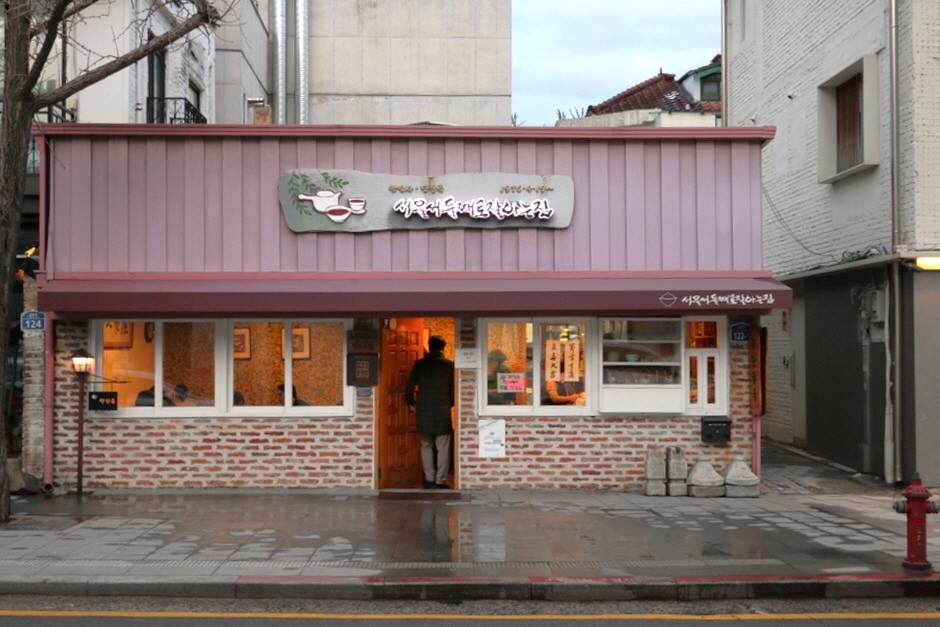
+82-2-734-5302
Seoureseo Duljjaero Jalhaneunjip is a sweet red bean porridge and traditional tea house near Gyeongbokgung Palace. Sweet red bean porridge is a sweet and smooth dish typically containing chewy rice cakes and chestnuts. In Korea, it's a traditional food eaten during dongji (the shortest day and longest night of the year). They also offer traditional teas like ssanghwatang (herbal tonic tea), which contains seven medicinal herbs, sujeonggwa (cinnamon punch) with a blend of cinnamon and ginger flavors, and sikhye (sweet rice punch), a drink known for aiding digestion.
Heunginjimun Gate - Dongdaemun Gate (흥인지문)
2.9Km 2025-10-23
288, Jong-ro, Jongno-gu, Seoul
+82-2-2148-1842
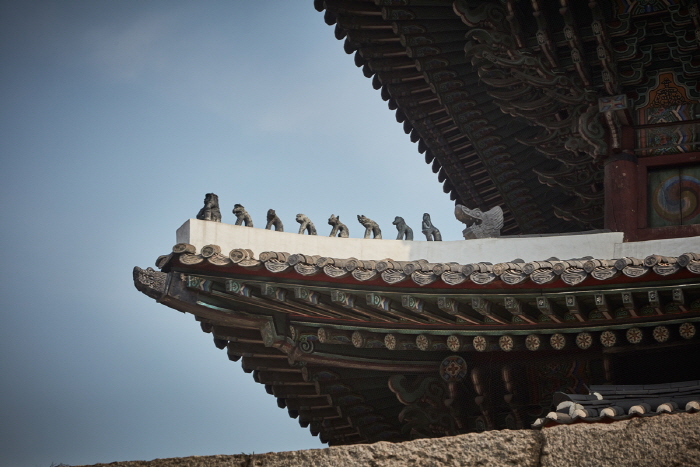
Heunginjimun Gate was built to protect Hanseongbu, which historically housed essential government facilities. Heunginjimun Gate was the gate on the east side of the outer wall of Seoul Fortress among eight gates. It is referred to as Dongdaemun Gate as well. The gate was constructed during King Taejo’s 5th year in 1396, remodeled during the reign of King Danjong in 1453, and was newly built in 1869 during the sixth year of King Gojong’s reign in 1869.
The gate features a hipped roof with five front and two side compartments on a two-storied building. The thin and weak bracket system supports the eaves and is excessively decorated, reflecting the construction features of the late Joseon period. Also, outside of the fortress is the half-circle-shaped Ongseong, a small wall, to protect the gate.
One of the unique factors of Heunginjimun Gate is that it is the only gate among Seoul’s eight to have Ongseong, further exhibiting the style of construction used during the late Joseon period.
Seoul City Wall Museum (한양도성박물관)
2.9Km 2023-12-22
283, Yulgok-ro, Jongno-gu, Seoul
+82-2-724-0243
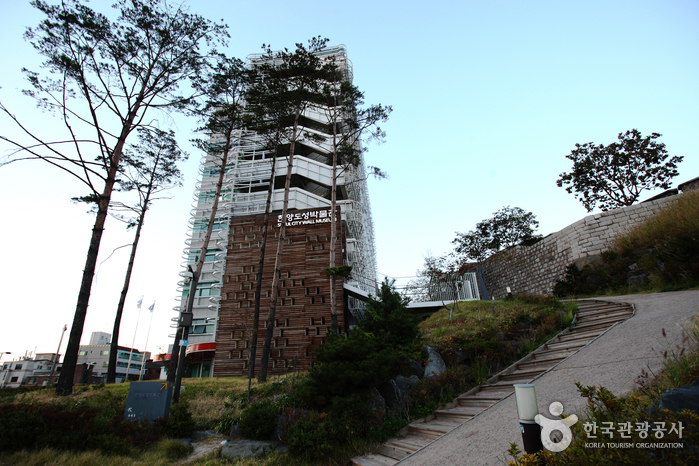
Hanyangdoseong, the Seoul City Wall, built in 1396, was the city fortress wall that protected the capital city Seoul for over 600 years. The fortress wall was built along the terrains and although it became partially damaged during the modernization process, its original form remains well to this day, making it a cultural heritage that coexists with the modern city. The Seoul City Wall Museum, located in Heungjinjimun Park, is a museum containing the history and culture of city wall from the Joseon dynasty to the present. It is a cultural space with a permanent exhibition hall, special exhibition hall, city wall information center, and study room.
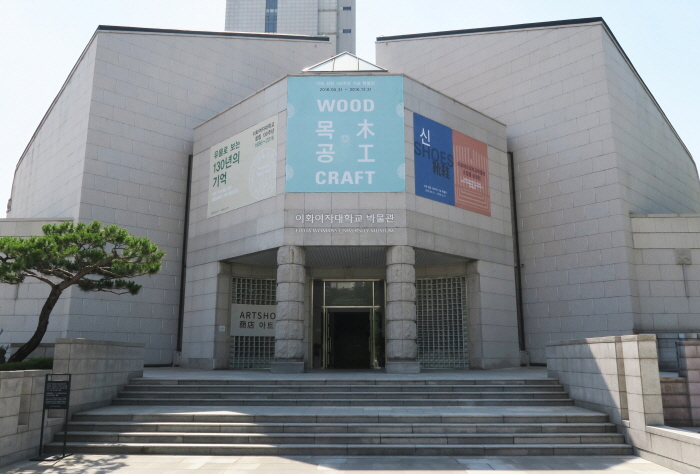
Ewha Womans University Museum (이화여자대학교박물관)
2.9Km 2022-09-14
52, Ewhayeodae-gil, Seodaemun-gu, Seoul
+82-2-3277-3152
The Ewha Womans University Museum was established in 1935 with the goal of preserving the cultural heritage of Korea. Originally, items related to folk art, traditional woodwork, and pottery were put on display in the hall of the main university to keep them from being confiscated during the Japanese occupation. This later led to the opening of the museum to display and store the growing collection.
Regular exhibitions of the museum’s collection have been taking place annually from 1972. Since 1996, the museum also held special exhibitions that focus on other themes related to cultural heritage. Additional small-scale exhibitions are also held frequently to promote Korea's traditional culture and art.
A ceramics research facility as well as a more traditional museum, a large portion of the museum’s efforts is focused on the research and excavation of kilns. To this aim, excavation teams from the museum have traveled to various parts of the country to conduct studies on historic sites and assess the value of artifacts. Through the publication of books and reports on its discoveries, the museum has contributed to raising knowledge and awareness of Korean cultural heritage in academia and among the public.
 English
 한국어
한국어 日本語
日本語 中文(简体)
 Deutsch
 Français
 Español
 Русский


