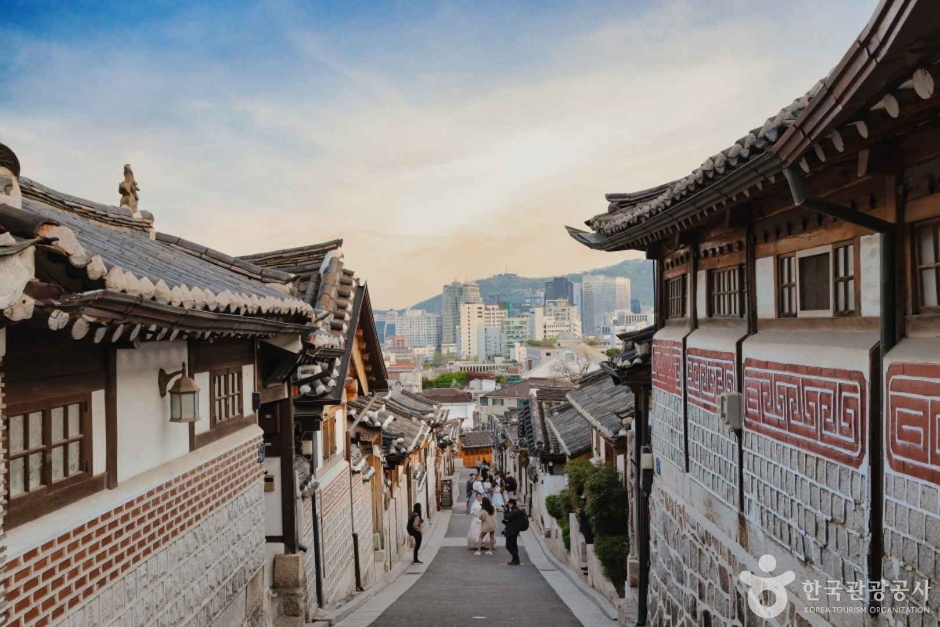
Bukchon Hanok Village (북촌한옥마을)
718.6M 2025-06-19
37 Gyedong-gil, Jongno-gu, Seoul
Surrounded by Gyeongbokgung Palace, Changdeokgung Palace and Jongmyo Shrine, Bukchon Hanok Village is home to hundreds of traditional houses, called hanok, that date back to the Joseon dynasty. The name Bukchon, which literally translates to "northern village," came about as the neighborhood lies north of two significant Seoul landmarks, Cheonggyecheon Stream and Jongno. Today, many of these hanoks operate as cultural centers, guesthouses, restaurants and tea houses, providing visitors with an opportunity to experience, learn and immerse themselves in traditional Korean culture. As Bukchon Hanok Village is an actual neighborhood with people's homes, visitors are advised to be respectful at all times while looking around.

Jalppajin Memil Seochon Main Store (잘빠진메밀 서촌)
725.4M 2024-03-18
4 Jahamun-ro 11-gil, Jongno-gu, Seoul
+82-70-4142-1214
Jalppajin Memil is a traditional Korean restaurant in Seochon where you can enjoy buckwheat noodles, boiled pork slices, and unrefined rice wine. They use 100% buckwheat for their noodles, which are kneaded using a cold water machine and served either mixed with seasoning and sprouts or dipped in broth. Pairing "Jalppajin sulsang" with unrefined rice wine is recommended for a delightful dining experience.
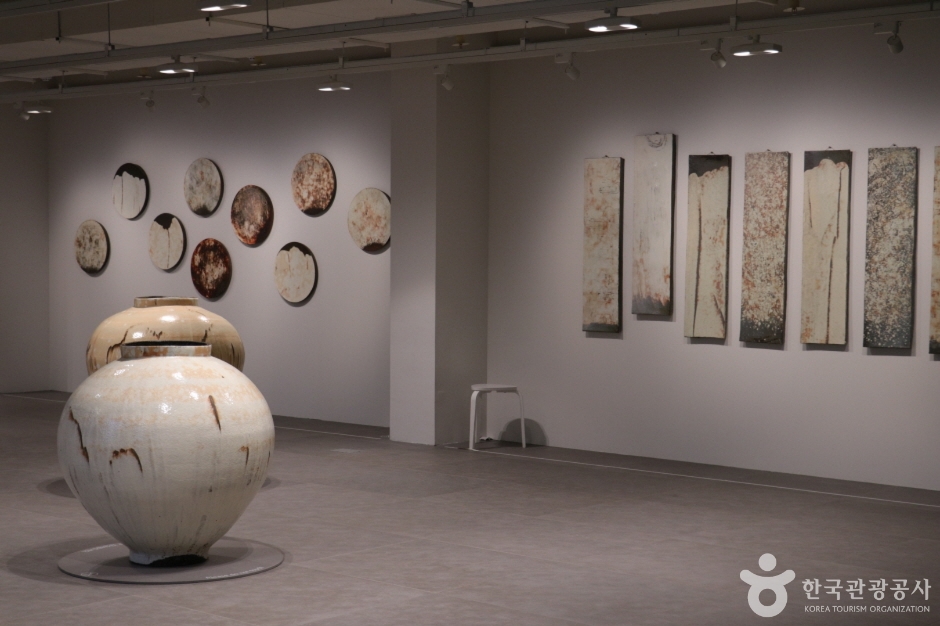
Seoul Museum of Craft Art (SeMoCA) (서울공예박물관)
727.8M 2025-06-19
4 Yulgok-ro 3-gil, Jongno-gu, Seoul
The Seoul Museum of Craft Art (SeMoCA), the first public museum of craft art in Korea, opened its doors in Anguk-dong, Jongno-gu, in July 2021 after renovating five buildings of the former Pungmoon Girls’ High School. SeMoCA studies and shares not only works, but also information, records, people, and environment related to craft art with the goal of becoming a dynamic platform for experiencing the technical, practical, artistic, and cultural values of craft.
SeMoCA holds a collection that comprises various crafts and craft materials covering multiple fields and eras from the traditional to the present. SeMoCA also holds exhibitions that feature the history of craft from traditional to contemporary art as well as local and children’s crafts, along with programs that utilize the museum’s craft installations, craft archives, craft library, and craft resource management system.
The site of the museum has deep historical roots as it is also the Andong Secondary Palace Site, where a detached palace was constructed as a royal residence for King Sejong’s son Prince Yeongeung, and served as a venue for royal celebrations, such as the wedding of King Sunjong. The site is also at the center of Jongno-gu, where Joseon-era master artisans (“gyeonggongjang”) of the royal palace produced and delivered craft works.
![Inwoohouse [Korea Quality] / 인우하우스 [한국관광 품질인증]](http://tong.visitkorea.or.kr/cms/resource/56/3009456_image2_1.jpg)
Inwoohouse [Korea Quality] / 인우하우스 [한국관광 품질인증]
728.8M 2023-09-12
1-9 , Gyedong 6-gil, Jongno-gu, Seoul
+82-2-742-1115
Inwoo House is a traditional hanok down an alley in Gye-dong, Jongno, Seoul. There is a swallow's nest under the eaves, and the pride of this house is that the swallow family returns every spring. Each room in the house has a private bathroom. Residents can sample Korean culture by taking part in traditional paper crafts, knot bracelet making, and fan decorating. The location is convenient for restaurants, cafes, and convenience stores, and Gyeongbokgung Palace, Changdeokgung Palace, Insadong, and Samcheong-dong are all within walking distance.
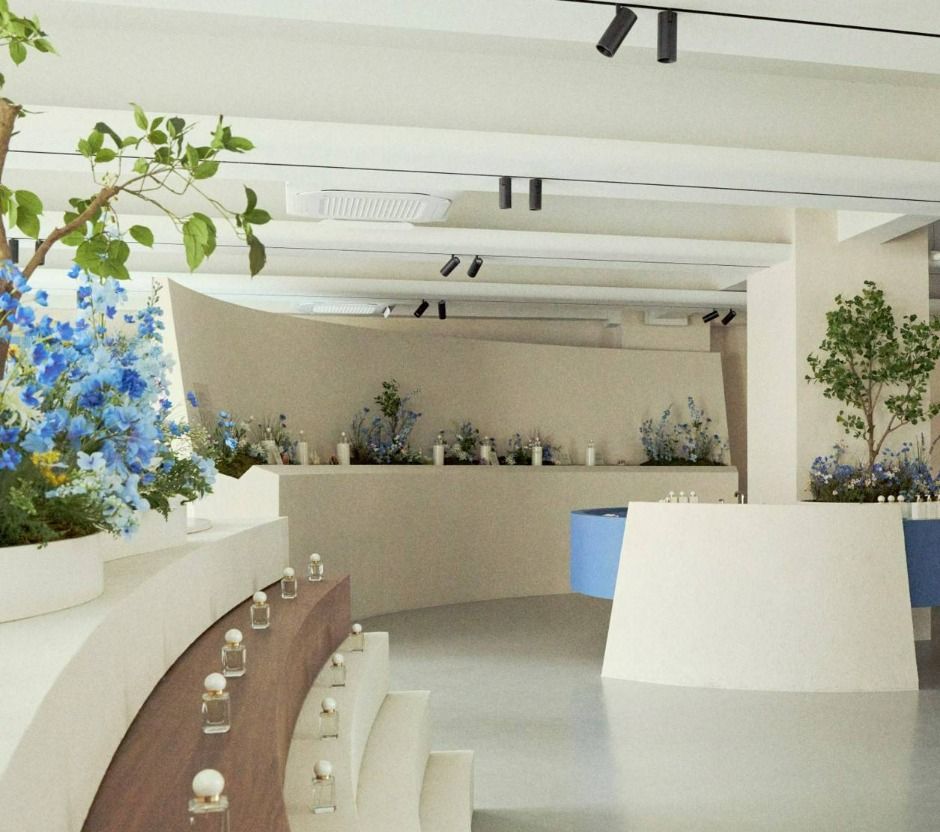
Matthew Chang Anguk (메튜장 안국)
743.5M 2025-07-14
33 Yulgok-ro, Jongno-gu, Seoul
Matthew Chang Anguk flagship store uses the whole space to bring the brand's philosophy to life through fragrance. Located in Anguk, the heart of Korea's tradition and aesthetics, the store's tranquil atmosphere sets the mood for visitors to try on and experiment with the brand's carefully selected perfume collection. The staff provides assistance in recommending the perfect scent according to visitor's preference, mood, and nostalgia. The store also has a section dedicated to body care products, such as hand wash and body lotion.
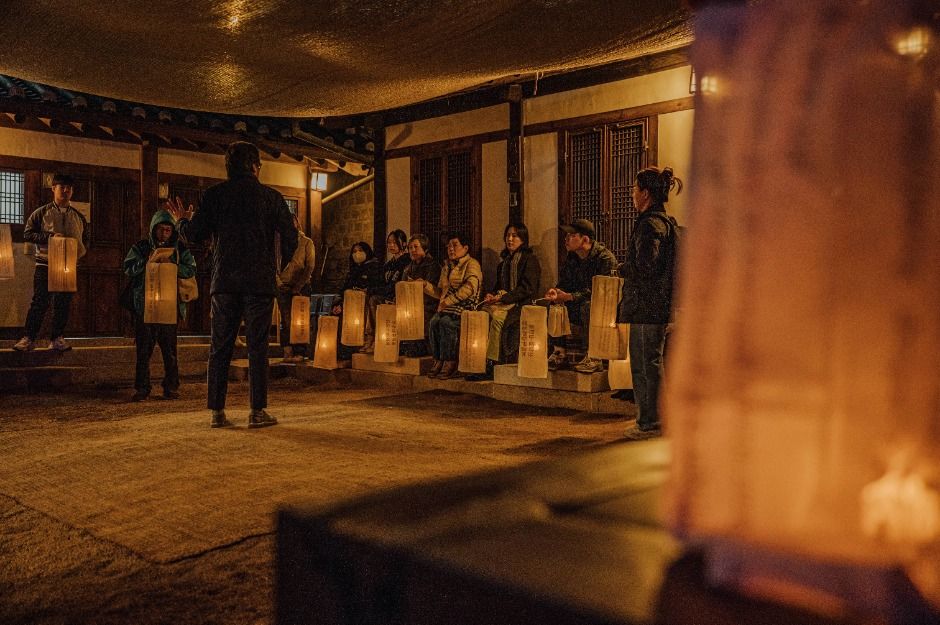
Public Hanok Night Out (공공한옥 밤마실)
746.3M 2025-06-10
37 Gyedong-gil, Jongno-gu, Seoul
+82-2-741-1033
Public Hanok Night Out is a special evening event that allows limited access to the nine public hanok buildings, including the Bukchon Culture Center, after sundown. The event is carefully prepared to make the hanok buildings accessible as much as possible. In addition, the event also offers a variety of programs to entertain the visitors. The event aims to raise awareness about embracing differences and diverse values during this time of ever-changing global society, as well as expand the the cultural values of hanok as something more unique.
Choong Ang High School (중앙고등학교)
756.7M 2025-10-23
164 Changdeokgung-gil, Jongno-gu, Seoul
+82-2-742-1321
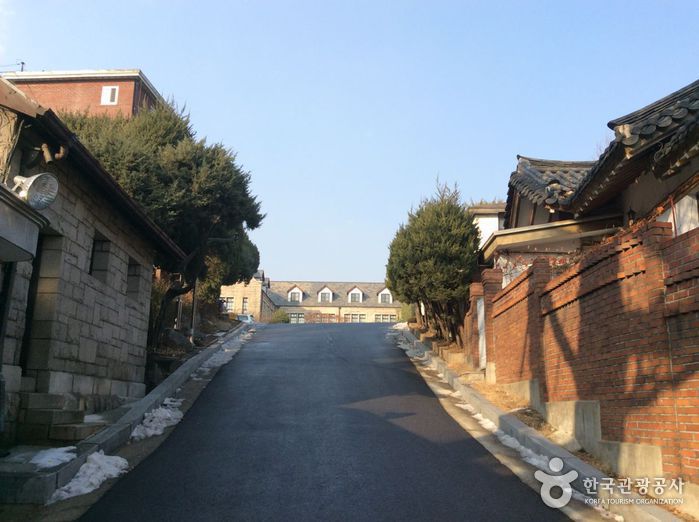
Choong Ang High School is located in Jong-ro near Samcheongdong-gil. It was built to educate the public at the beginning of the 20th century. The school’s main building was reconstructed in 1937 after the original two-story brick house was destroyed in 1934. The main building situated in front of the main gate is a two-story H-shaped granite stone building in Gothic style, with a four-story tower in the middle.
The school holds historical significance because it was designed by Park Dong Jin, one of Korea's first modern architects and the designer of Korea University’s main building, library, and the Chosun Ilbo Newspaper Company building. The main building of Choong Ang High School is designated as Historic Site No. 281. Many national leaders were educated at the gothic building during the grim period when Korea was trying to escape Japanese colonial rule.
HANILKWAN - Gwanghwamun Branch (한일관 광화문)
758.8M 2024-03-18
50, Jong-ro 1-gil, Jongno-gu, Seoul
+82-2-722-7557
It is a store that has been operating with a long tradition since 1939. This Korean dishes restaurant is located in Jongno-gu, Seoul. The most famous menu is bulgogi.
The Place Seoul (traditional Korean-style guesthouse) / 복합한옥공간 곳
776.7M 2025-03-05
52-11 , Gyedong-gil, Jongno-gu, Seoul
+82-10-3255-1289
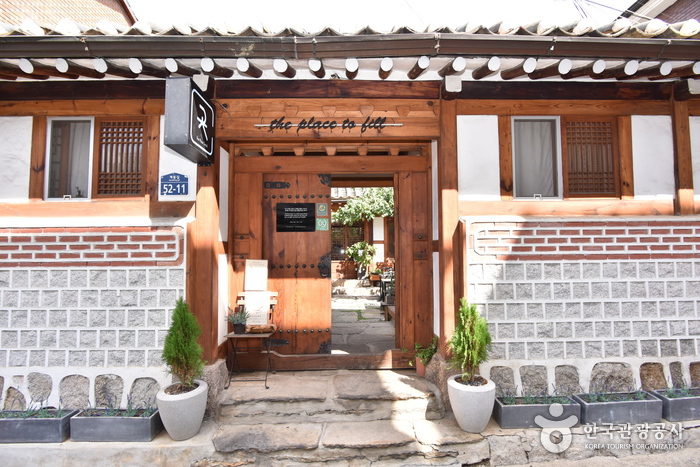
The Place Seoul in Gye-dong, Jongno-gu, Seoul, is a meeting place of traditional and modern Korea. It has a yard with a beautiful 80 year-old dogwood tree, and a small garden in which guests can enjoy the passage of the seasons. The Place Seoul is an environment-friendly place which uses eco-friendly consumables such as toilet paper and shampoo. Breakfast is simple and healthy. There are many good cafes in nearby Bukchon, and local tourist attractions include the National Palace Museum of Korea and the National Museum of Modern and Contemporary Art.
 English
 한국어
한국어 日本語
日本語 中文(简体)
 Deutsch
 Français
 Español
 Русский


