Supsok Hanbang Land (숲속한방랜드)
2.6Km 2024-03-18
75-7 Bongwonsa-gil, Seodaemun-gu, Seoul
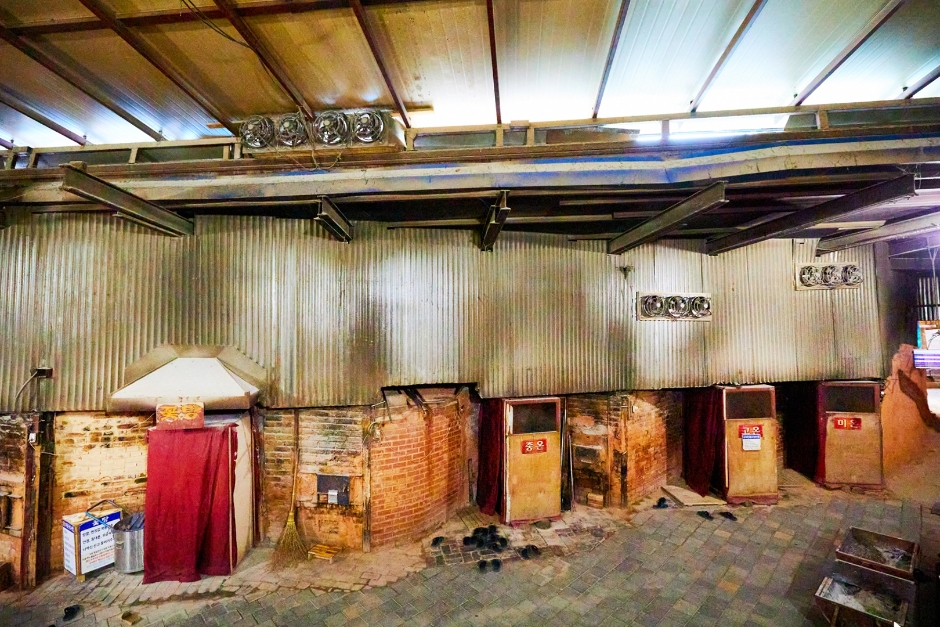
Jjimjjilbang, a Korean-style sauna that combines a traditional bathhouse with a hot steam room, is often ranked high among the unique experiences in Korea chosen by foreigners. Taking a steam bath in a charcoal kiln discharges waste products from the skin through sweat and eliminates accumulated fatigue. Supsok Hanbang Land has several charcoal kilns for different temperatures. Using them in order from low to high-temperature rooms is good, but the highest-temperature room, “Kkottang,” has a risk of causing skinburn, so visitors are advised to wear socks and cotton gloves to enter the room. Another unique experience is to grill sweet potatoes or rice cakes on the brazier in front of the charcoal kiln.

National Theater of Korea (국립극장)
2.7Km 2024-03-06
59, Jangchungdan-ro, Jung-gu, Seoul
+82-2-2280-4114
The National Theater of Korea opened in 1950 as the first national theater in Asia. It is the only production theater that takes traditional arts to recreate them as contemporary art. It offers various types of theaters, such as Haeoreum Grand Theater, Daloreum Theater (middle-size), Immersive Studio ByeolByeol (small-size), and Haneul Round Theater with a circular stage structure. In addition, the Museum of Performing Arts, Cultural Plaza, and other convenience stores and coffe shops offer pleasure and relax to its visitors.
Ewha Womans University (이화여자대학교)
2.7Km 2023-07-04
52, Ewhayeodae-gil, Seodaemun-gu, Seoul
+82-2-3277-2114
Ewha Womans University is Korea's first women's university founded in 1886 by American Methodist missionary Mary Scranton. Ewha Womans University is also the most famous women's university in Korea and its name originates from Ehwa Hakdang, a name given by Empress Myeongseong in 1887. Ewha Womans University created a four-year university course in 1910, and in 1943, the name of Ewha was taken away during the Japanese colonial period and downgraded to a one-year school. In October 1945, the year of Korea's independence from Japan, it regained the name of Ewha and was promoted to a university with eight departments. Currently, it consists of 15 graduate schools, 11 colleges, and 67 departments, and there are 8 affiliated research institutes.
The street in front of Ewha Womans University is famous for shopping. This place is full of clothing stores and neat food that boast a popping sensation to suit the tastes of female college students. The shopping street in front of Ewha Womans University is a straight road that lies ahead of Exits 2 and 3 of Seoul Subway Line 2. Alleyways stretch out like branches around this street and are filled with various accessory shops, clothing stores, shoe stores, restaurants, cafes, and beauty salons.
Starbucks Edae R (스타벅스 이대R)
2.7Km 2024-12-27
34 Ewhayeodae-gil, Seodaemun-gu, Seoul
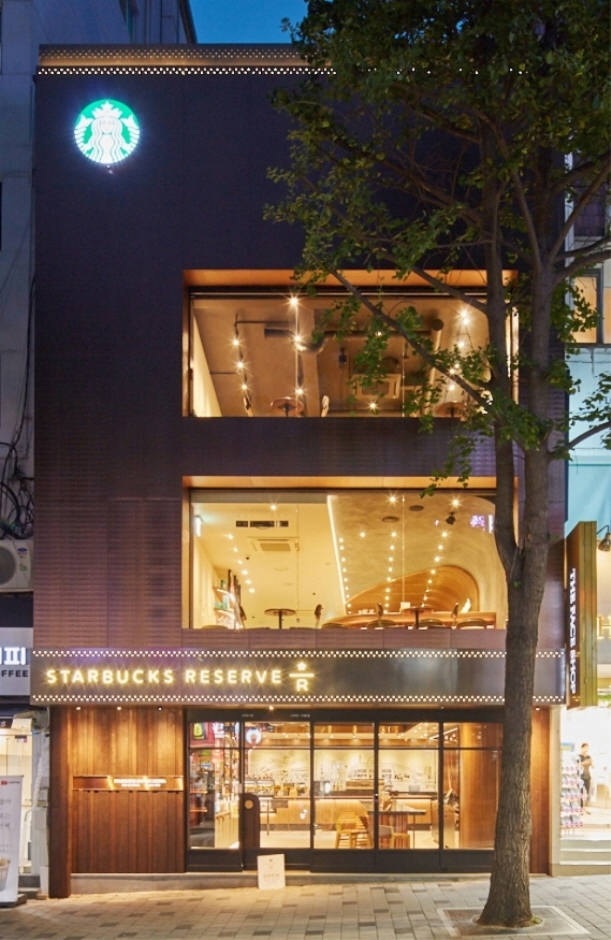
Starbucks Edae R store is the first Starbucks store opened in 1999 and Korea's first Reserve only store
Starbucks Edae R store is the first Starbucks store opened in Korea. It is located 150 meters from the front gate of Ewha Womans University. The store has been loved by customers for over two decades since 1999. In celebrating its 20th anniversary in 2019, the store re-opened as Korea's first Reserve-only store. It specializes in offering specialty coffee and memorable experiences to many customers visiting Korea's first Starbucks store. As the leading store presenting the history and future of Starbucks, it offers high-quality coffee in a beautifully decorated setting, along with unique beverages and exclusive merchandise available only at this particular store.
Cheonggyecheon Stream (청계천)
2.7Km 2024-05-16
Changsin-dong, Jongno-gu, Seoul
+82-2-2290-7111
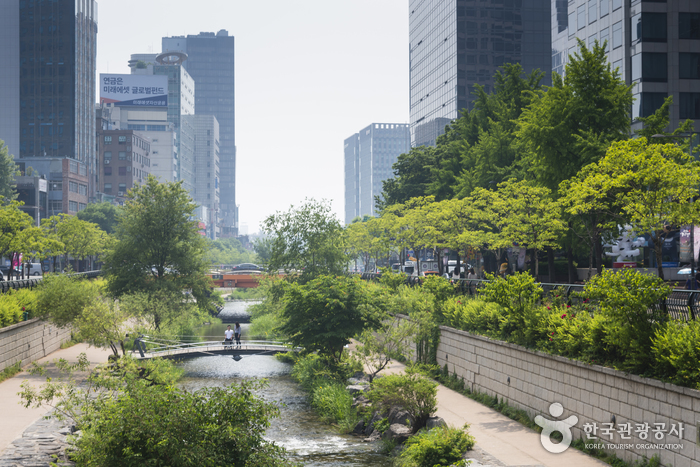
Cheonggye Plaza was built on Sejong-ro Street, where Cheonggyecheon Stream begins. It was built between Dong-A Ilbo, the starting point of the Cheonggyecheon Stream restoration, and Sindap Railroad Bridge, with a length of 160 meters, a x_width of 50 meters, and a total area of 6,962 meters squared. The plaza is decorated with fountains, waterfalls, and walking paths. It was created as a place for meetings, harmony, peace, and unification, to celebrate the significance of the restoration of Cheonggyecheon Stream. A miniaturized version of Cheonggyecheon Stream is displayed here, providing an overview of the restored stream. There are also interpretive panels about the 22 bridges that cross Cheonggyecheon stream. Fountains of various shapes create beautiful scenery. Cheonggyecheon Stream is accessible from the square through stairs on the left and Cheonggye Trail on the right. There is also an 18-meter tunnel on the Cheonggye Trail, providing a unique experience for citizens entering Cheonggyecheon Stream from the plaza. After constructing Cheonggyecheon Plaza, the Seoul Metropolitan Government made it a car-free street on public holidays so that the plaza, waterside area, and streets could be used as cultural spaces for citizens to relax. A spectacular sight is created by three-color lights illuminating the fountains and a two-tiered waterfall coming down from a x_height of four meters. Palseokdam, made of eight stones from eight provinces in Korea, was laid along the waterfall's sides.
![Jellycrew - Ewha Womans Univ. Branch [Tax Refund Shop] (젤리크루 이대점)](http://tong.visitkorea.or.kr/cms/resource/58/3313658_image2_1.jpg)
Jellycrew - Ewha Womans Univ. Branch [Tax Refund Shop] (젤리크루 이대점)
2.7Km 2024-06-27
26, Ewhayeodae-gil, Seodaemun-gu, Seoul
-
![Hansarang Pharmacy - Ewha Womans Univ. Branch [Tax Refund Shop] (한사랑약국 이대)](http://tong.visitkorea.or.kr/cms/resource/36/2889036_image2_1.jpg)
Hansarang Pharmacy - Ewha Womans Univ. Branch [Tax Refund Shop] (한사랑약국 이대)
2.7Km 2024-04-23
183, Sinchon-ro, Seodaemun-gu, Seoul
-
Olive Young - Ewha Womans Univ. Jungang Branch [Tax Refund Shop] (올리브영 이대중앙)
2.7Km 2024-04-18
43, Ewhayeodae-gil, Seodaemun-gu, Seoul
-
Mok In Museum Mok Seok Won (목인박물관 목석원)
2.7Km 2021-09-01
46-1, Changuimun-ro 5-gil, Jongno-gu, Seoul
+82-2-722-5066
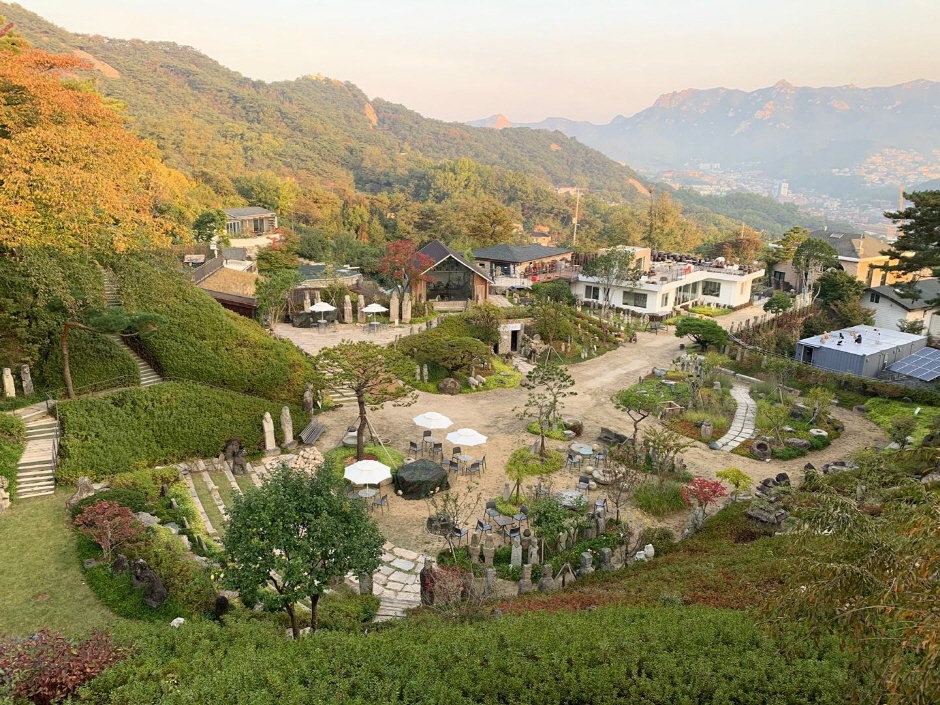
Mok In Museum Mok Seok Won relocated in 2019 from Insa-dong to Buam-dong. Six exhibition halls offer visitors a look at wooden figures from around the world. Mokin refers to traditional wooden sculptures carved in shapes of human figures or various animals. The museum holds around 12,000 wooden folk sculptures including those used to decorate funeral carriages and temples mostly from the Joseon dynasty up to modern times. The museum also has an outdoor exhibition hall that harmonizes the sculptures with nature.
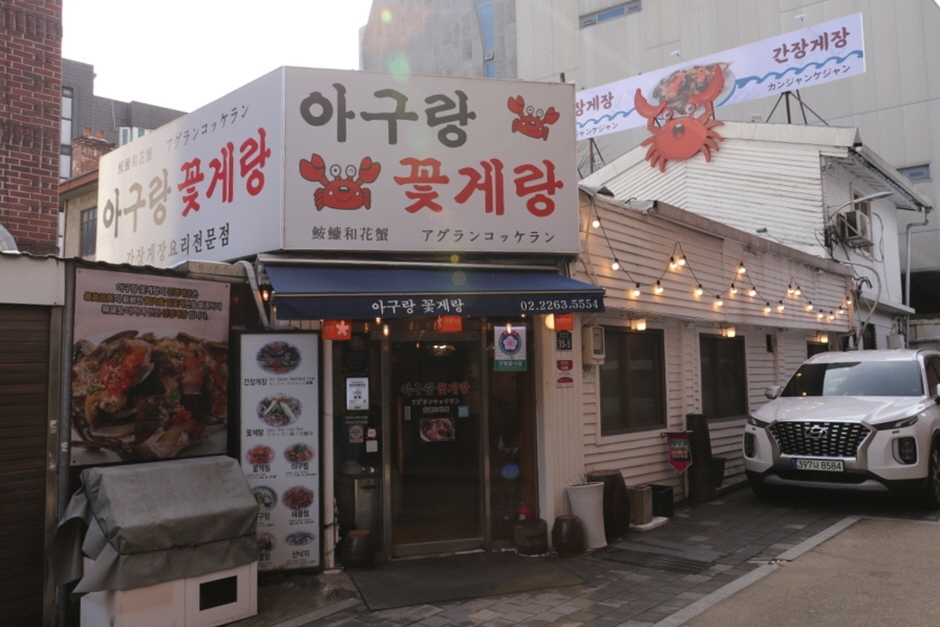
Agurang Kkotgerang (아구랑꽃게랑)
2.7Km 2024-03-08
35-7, Dongho-ro 24-gil, Jung-gu, Seoul
+82-2-2263-5554
This is a seafood restaurant specializing in Ganjanggejang (Soy sauce marinated crab). The crab is plump and seasoned to perfection, making it an excellent accompaniment to steamed rice. The restaurant’s Gulgukbap (Oyster and rice soup), a winter favorite, is enhanced with seaweed fulvescens, which is rich in vitamins and iron, making it beneficial for those suffering from anemia. Side dishes include Cheongpomukmuchim (Mung bean jelly salad), Kimchi, and Kongnamulmuchim (Bean sprout salad). Another popular item on the menu is the spicy Agutang (Monkfish soup), filled with springy monkfish.
 English
 한국어
한국어 日本語
日本語 中文(简体)
 Deutsch
 Français
 Español
 Русский


