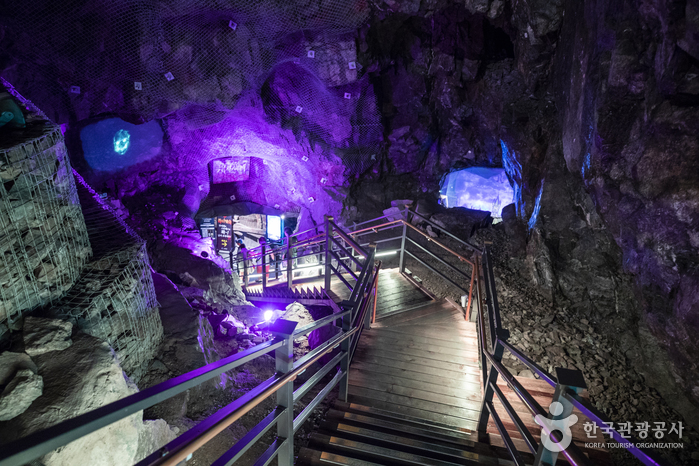
Gwangmyeong Cave (광명 동굴)
15.8Km 2025-10-27
142 Gahak-ro 85beon-gil, Gwangmyeong-si, Gyeonggi-do
Gwangmyeong Cave was developed in 1912 during the Japanese colonial period to exploit resources, including gold mines, and continued to be developed for industrial purposes after liberation. After the mine was closed in 1972, it was used as a salted seafood warehouse for about 40 years. Gwangmyeong City purchased the site, reorganized it, and made it available to the public. It is currently recognized as a modern industrial heritage site with high historical value, and is well known as a cave theme park in the metropolitan area. Along with the cave, colorful lights and sculptures create a spectacular sight. Aside from tasting and purchasing Korean wine at the Gwangmyeong Wine Cave, visitors can also see the largest media art piece in Korea at the Lascaux Exhibition Hall, enjoying a more diverse travel experience.
![Olive Young - Nowon Station Sageori Branch [Tax Refund Shop] (올리브영 노원역사거리)](http://tong.visitkorea.or.kr/cms/resource/71/2888271_image2_1.jpg)
Olive Young - Nowon Station Sageori Branch [Tax Refund Shop] (올리브영 노원역사거리)
15.8Km 2024-04-17
1F, 480, Nohae-ro, Nowon-gu, Seoul
-

Olive Young - AK Gwangmyeong Branch [Tax Refund Shop] (올리브영 AK광명점)
15.8Km 2024-06-26
17, Yangji-ro, Gwangmyeong-si, Gyeonggi-do
-
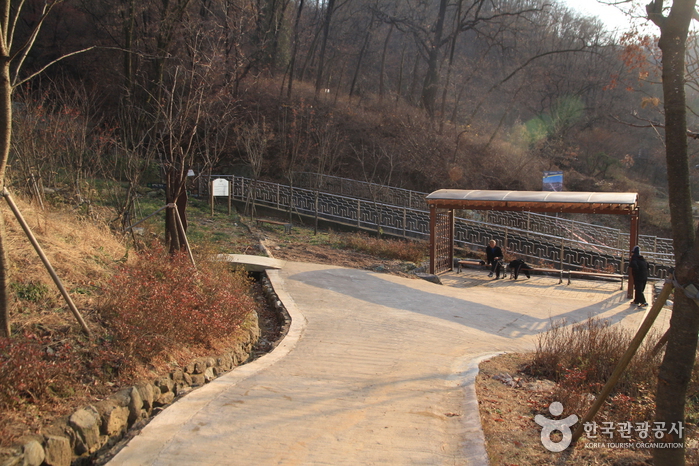
Seoul Mangusan Mountain (망우산(서울))
15.8Km 2021-02-10
San 69-1, Mangu-dong, Jungnang-gu, Seoul
+82-2-2094-2395
Mangusan Mountain at 281.7 meters above sea level spans across Mangu-dong and Myeonmok-dong of Seoul, and Guri-si of Gyeonggi-do. Located on the mountain is Mangu Cemetery, which was designated as a public cemetery in 1933. Since its designation, many popular people have been buried here including children’s literature author Bang Jeong-hwan (penname: Sopa), independence activists Oh Se-chang and Han Yong-un, and Ji Seok-young who pioneered the use of the smallpox vaccination in Korea and was also a Korean linguist. In addition, tombstones bearing chronological listings of seven popular poets and one educator were installed at the park, making the cemetery a venue for historical education. The park also has Sin Gyeong-jin Sindobi, a cultural asset designated as Seoul Tangible Cultural Property No. 95. It is a monument of Sin Gyeong-jin, an official scholar of the Joseon dynasty.
The park also has a 5.2-kilometer-long circular road named “The Thinking Path”. The name was selected through a public competition held in May 1998. Other facilities include the urban environment and nature observation road, a wooden gazebo, and a mineral spring. Thanks to the well managed trees and clean air, the park is visited by many citizens seeking a place to rest.
![ABC Mart - Nowon Branch [Tax Refund Shop] (ABC마트 노원점)](http://tong.visitkorea.or.kr/cms/resource/05/3312805_image2_1.jpg)
ABC Mart - Nowon Branch [Tax Refund Shop] (ABC마트 노원점)
15.8Km 2024-06-28
482, Nohae-ro, Nowon-gu, Seoul
-
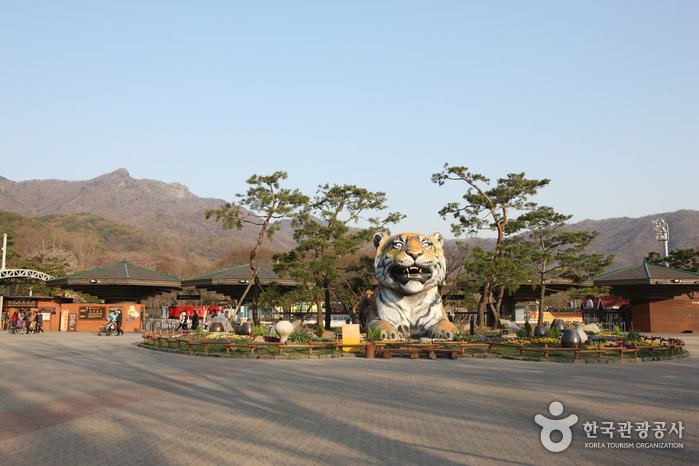
Seoul Grand Park (서울대공원)
15.8Km 2023-03-17
102, Daegongwongwangjang-ro, Gwacheon-si, Gyeonggi-do
+82-2-500-7335
Seoul Grand Park is a family-friendly amusement park consisting of various themed facilities that promote the growth and preservation of diverse animals and plants.
[Seoul Zoo]
Seoul Zoo aims to provide an ideal environment for animals to grow and live as well as exhibit, preserve, and research rare animals and educate the public. As a result of the zoo's hard work and efforts, it is the only zoo in Korea to be certified as a member of both ISIS and IUDZG-WZO.
[Botanical Garden]
Seoul Grand Park's Botanical Garden was opened in 1985 amidst the lush forest situated at the foot of Cheonggyesan Mountain. The garden consists of a greenhouse, exhibition facilities, and themed gardens that boast a collection of over 41,000 plants from 1,262 different species. The greenhouse preserves and exhibits tropical and subtropical plants that are not found in Korea. Moreover, the Botanical Garden offers various activities and experience programs related to plants and forests.
[Theme Garden]
The Theme Garden is one of the most representative facilities of Seoul Grand Park. The Theme Garden consists of a Rose Garden and Children's Zoo. Seasonal plants and flowers as well as diverse themed garden programs are offered.
[Healing Place]
The Healing Place is a forest formed at the foothills of Cheonggyesan Mountain that surrounds the border of Seoul Grand Park. Main facilities consist of Healing Forest Walkway; Water, Wind & Sunshine Healing Zone; Barefoot Road; Aroma Garden; and Forest Plaza.
[Healing Forest Walkway]
Healing Forest Walkway is a walking path lined by diverse trees that form a lush forest serving as a habitat for small animals like squirrels, rabbits, raccoons, and more. The walking path is approximately 8 kilometers long and divided into four sections. The shortest course takes approximately 30 minutes to complete, while the full course requires 3 hours.
[Campsite]
The campsite within the Seoul Grand Park is the perfect place to camp out, hold picnics and enjoy recreational activities with friends and families. The main facilities consist of a campsite, volleyball court, basketball court, snack bar, and shower facilities. The campsite is open from March to November, except in the case of harsh weather conditions.
![Lotte Mart - ToysRus Junggye Branch [Tax Refund Shop] (롯데마트 토이저러스중계점)](http://tong.visitkorea.or.kr/cms/resource/47/2887947_image2_1.jpg)
Lotte Mart - ToysRus Junggye Branch [Tax Refund Shop] (롯데마트 토이저러스중계점)
15.8Km 2024-04-22
330, Nowon-ro, Nowon-gu, Seoul
-
![Lotte Himart - Junggye Lotte Mart Branch [Tax Refund Shop] (롯데하이마트 중계롯데마트점)](http://tong.visitkorea.or.kr/cms/resource/28/2890228_image2_1.jpg)
Lotte Himart - Junggye Lotte Mart Branch [Tax Refund Shop] (롯데하이마트 중계롯데마트점)
15.8Km 2024-04-22
330, Nowon-ro, Nowon-gu, Seoul
-
Lotte Mart - Junggye Branch [Tax Refund Shop] (롯데마트 중계점)
15.8Km 2024-04-22
330, Nowon-ro, Nowon-gu, Seoul
-
Kumkang Shoes - Lotte Nowon Branch [Tax Refund Shop] (KK롯데노원(금강 금강제화))
15.8Km 2024-04-17
1414, Dongil-ro, Nowon-gu, Seoul
-
 English
 한국어
한국어 日本語
日本語 中文(简体)
 Deutsch
 Français
 Español
 Русский


