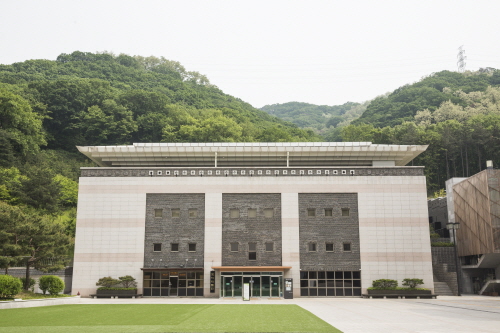
National Gugak Museum (국립국악박물관)
16.9Km 2021-08-13
2364, Nambusunhwan-ro, Seocho-gu, Seoul
+82-2-580-3130
The National Gugak Museum opened on February 23, 1995 as the first gugak museum in Korea, featuring approximately 6,000 pieces of gugak-related materials and relics which have both historical and cultural value. It is comprised of seven themed permanent exhibition halls that present 250 pieces of audio and video clips regarding gugak. In the 3D room, visitors can enjoy 3D animation at all times. The museum also hosts special exhibitions in unique and interesting themes.

National Gugak Center (국립국악원)
16.9Km 2025-01-17
2364 Nambusunhwan-ro, Seocho-gu, Seoul
The National Gugak Center is the governing body established to preserve and promote traditional Korean performing arts. The center can accommodate every type of traditional performing arts, such as palace music, court music, and all other genres including major productions of changgeuk (Korean musical drama). Originally opened in Busan in 1951, the center moved to its current location in Seoul in 1987. The center also opened branch locations in Namwon, Jindo, and Busan in 1992, 2004, and 2008 respectively.
CheongKwanJang - Hanti Station Branch [Tax Refund Shop] (정관장 한티역)
16.9Km 2024-04-17
#101, 320, Seolleung-ro, Gangnam-gu, Seoul
-
Hangaram Art Museum in Seoul Arts Center (예술의전당 한가람미술관)
16.9Km 2022-12-16
2406, Nambusunhwan-ro, Seocho-gu, Seoul
+82-2-580-1300
Hangaram Art Museum, located in the left wing of the Seoul Arts Center, displays a unique exhibition of formative arts. Established in 1990, the museum has a total area of 15,540 ㎡ and contains 6 exhibition halls (including one for oversized artwork), a storage area, and an art shop. The building features a lighting system that controls the humidity and temperature and is equipped with a luminous ceiling system that captures natural sunlight and feeds it into the museum, allowing visitors to enjoy a brightly lit viewing area.
The Art Square in front of the museum houses a wide range of exclusive artwork and serves as a venue for various events such as the Cloz Art Market. Visitors may also enjoy the open-air café right in front of the building or dine at “Yehyang,” a traditional Korean restaurant right down the stairs.
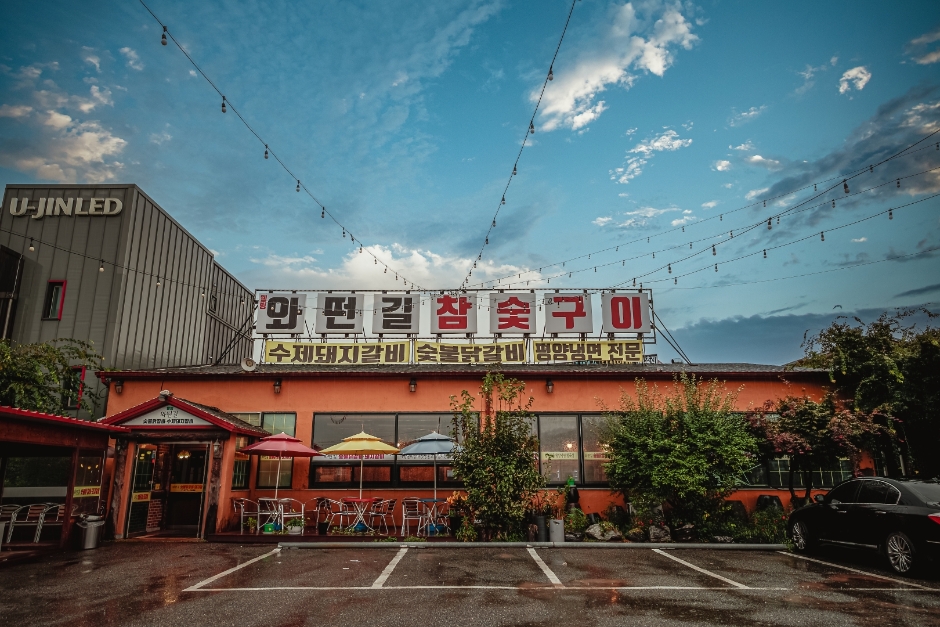
Watdeon-gil (와떤길)
16.9Km 2025-11-06
48-38 Gamnae-gil, Ilsandong-gu, Goyang-si, Gyeonggi-do
◎ Travel information to meet Hallyu’s charm - "Agency"
After successfully completing her presentation, Go Ah-in earns her promotion to a representative role. To honor this achievement, Kang Han-na arranges a team dinner. The venue is a specialty restaurant known for its Spicy Charcoal-grilled Chicken. Set within a spacious hall, its warm and relaxed ambiance is perfect for group gatherings and celebrations.
Olive Young - Gwangmyeong Sageori Station Branch [Tax Refund Shop] (올리브영 광명사거리역)
16.9Km 2024-04-18
897, Gwangmyeong-ro, Gwangmyeong-si, Gyeonggi-do
-
![Artbox - Uijeongbu Branch [Tax Refund Shop] (아트박스 의정부)](http://tong.visitkorea.or.kr/cms/resource/93/2881293_image2_1.jpg)
Artbox - Uijeongbu Branch [Tax Refund Shop] (아트박스 의정부)
16.9Km 2024-04-22
5, Haengbok-ro, Uijeongbu-si, Gyeonggi-do
-
![CheongKwanJang - Cosmo Tower Branch [Tax Refund Shop] (정관장 코스모)](http://tong.visitkorea.or.kr/cms/resource/84/2889484_image2_1.jpg)
CheongKwanJang - Cosmo Tower Branch [Tax Refund Shop] (정관장 코스모)
16.9Km 2024-04-18
B1F, 416, Yeongdong-daero, Gangnam-gu, Seoul
-
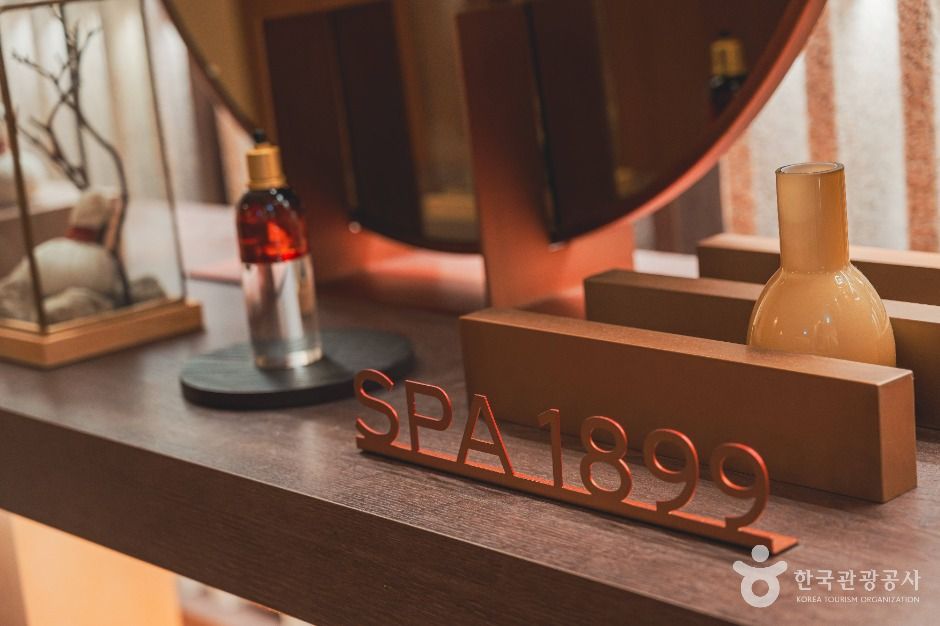
Spa 1978 Donginbi (SPA 1978 동인비)
16.9Km 2025-10-23
416 Yeongdong-daero, Gangnam-gu, Seoul
In traditional Korean medicine, summer is the season when one's energy is severely depleted as people tend to sweat a lot even with little movement. As you are more likely to feel fatigued and lose vitality, replenishing one's energy is crucial. According to Donguibogam, a traditional Korean medical encyclopedia, red ginseng is recommended for vitality. The book says red ginseng slows the aging process and boosts one's energy, helping you live longer. It's effective in restoring vitality and alleviating fatigue. Red ginseng is made by steaming ginseng for approx. 3 hours without peeling it and then letting it dry slowly. This steaming and drying process reduces ginseng's sugar level while creating an active compound, which enhances its efficacy. Saponin, which is abundant in red ginseng, is known for boosting one's immunity and restoring vitality. Notably, ginsenoside helps with digestion, metabolism, and the absorption of nutrients, thereby restoring one's energy. SPA 1978 Donginbi, run by the premium red ginseng brand Jung Kwan Jang, is a specialized spa facility that uses beneficial red ginseng.
 English
 한국어
한국어 日本語
日本語 中文(简体)
 Deutsch
 Français
 Español
 Русский


