![CheongKwanJang - Jonggak Station Branch [Tax Refund Shop] (정관장 종각역)](http://tong.visitkorea.or.kr/cms/resource/13/2878213_image2_1.jpg)
CheongKwanJang - Jonggak Station Branch [Tax Refund Shop] (정관장 종각역)
6.6Km 2024-04-22
#102, 95, Sambong-ro, Jongno-gu, Seoul
-
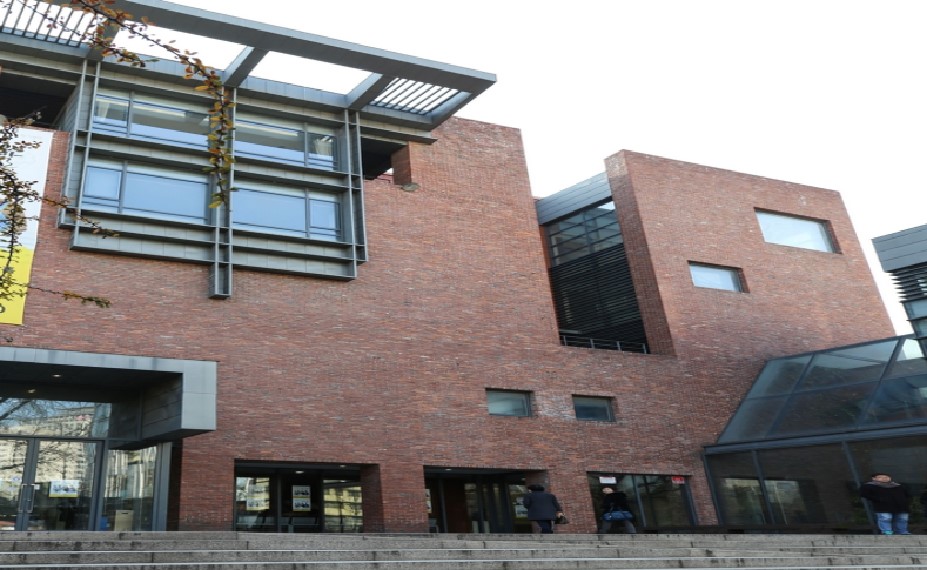
Ewha Centennial Hall (이화여고100주년기념관)
6.6Km 2024-02-20
26 Jeongdong-gil, Jung-gu, Seoul
Ewha Centennial Hall is a multimedia education center located next to Ewha Girls' High School. Spanning underground and five above-ground floors, it features a gallery, a cafe, music rooms, individual practice rooms, and audio-visual rooms. The Hwaham Hall on the first and second floors is utilized for performances such as musicals and concerts, as well as educational events.
![PungGyeong [Korea Quality] / 풍경 [한국관광 품질인증]](http://tong.visitkorea.or.kr/cms/resource/80/2633780_image2_1.jpg)
PungGyeong [Korea Quality] / 풍경 [한국관광 품질인증]
6.6Km 2023-05-02
32-6 , Seonggyungwan-ro, Jongno-gu, Seoul
+82-10-7103-6993
PungGyeong, located opposite Sungkyunkwan Academy in Jongno-gu, Seoul, is a hanok-style guest house whose outer wall is painted with a stylish blue pine tree. The guest house is equipped with bedrooms and a kitchen/diner with a table. Residents can have toast for breakfast, and simple Korean meals are provided for guests staying more than two days. In the winter you can sample traditional Korean tea brewed by the owner.
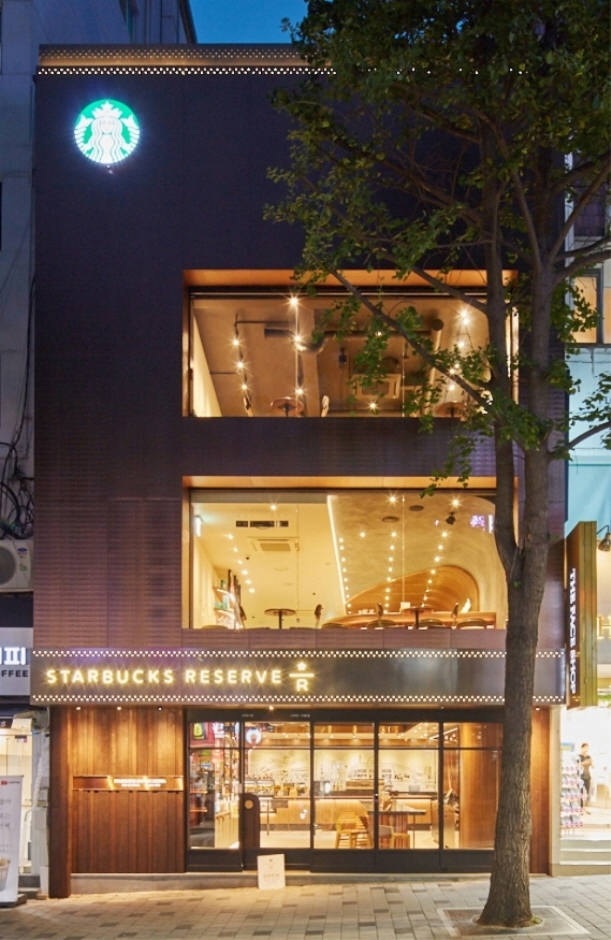
Starbucks Edae R (스타벅스 이대R)
6.6Km 2024-12-27
34 Ewhayeodae-gil, Seodaemun-gu, Seoul
Starbucks Edae R store is the first Starbucks store opened in 1999 and Korea's first Reserve only store
Starbucks Edae R store is the first Starbucks store opened in Korea. It is located 150 meters from the front gate of Ewha Womans University. The store has been loved by customers for over two decades since 1999. In celebrating its 20th anniversary in 2019, the store re-opened as Korea's first Reserve-only store. It specializes in offering specialty coffee and memorable experiences to many customers visiting Korea's first Starbucks store. As the leading store presenting the history and future of Starbucks, it offers high-quality coffee in a beautifully decorated setting, along with unique beverages and exclusive merchandise available only at this particular store.
![Jeongneung Royal Tomb [UNESCO World Heritage] (서울 정릉(신덕왕후) [유네스코 세계문화유산])](http://tong.visitkorea.or.kr/cms/resource/91/2622291_image2_1.jpg)
Jeongneung Royal Tomb [UNESCO World Heritage] (서울 정릉(신덕왕후) [유네스코 세계문화유산])
6.6Km 2021-02-09
116, Arirang-ro 19-gil, Seongbuk-gu, Seoul
+82-2-914-5133
Jeongneung Royal Tomb is the tomb of Queen Sindeok, the second wife of King Taejo (1392-1398), founder of the Joseon dynasty (1392-1910). The queen met a sudden death due to health complications. Although one of her sons was the crown prince, he was killed by a successive brother, Yi Bang-won, in order to obtain the throne. After Yi Bang-won rose to the throne as King Taejong, he relocated Queen Sindeok's tomb to outside of the city walls.
![Olens - Sinchon Myeongmul Street Branch [Tax Refund Shop] (오렌즈 신촌명물)](http://tong.visitkorea.or.kr/cms/resource/05/2888205_image2_1.jpg)
Olens - Sinchon Myeongmul Street Branch [Tax Refund Shop] (오렌즈 신촌명물)
6.6Km 2024-04-17
1F, 18, Myeongmul-gil, Seodaemun-gu, Seoul
-

CU - Koreana Hotel Branch [Tax Refund Shop] (cu코리아나호텔점)
6.6Km 2024-06-26
135, Sejong-daero, Jung-gu, Seoul
-
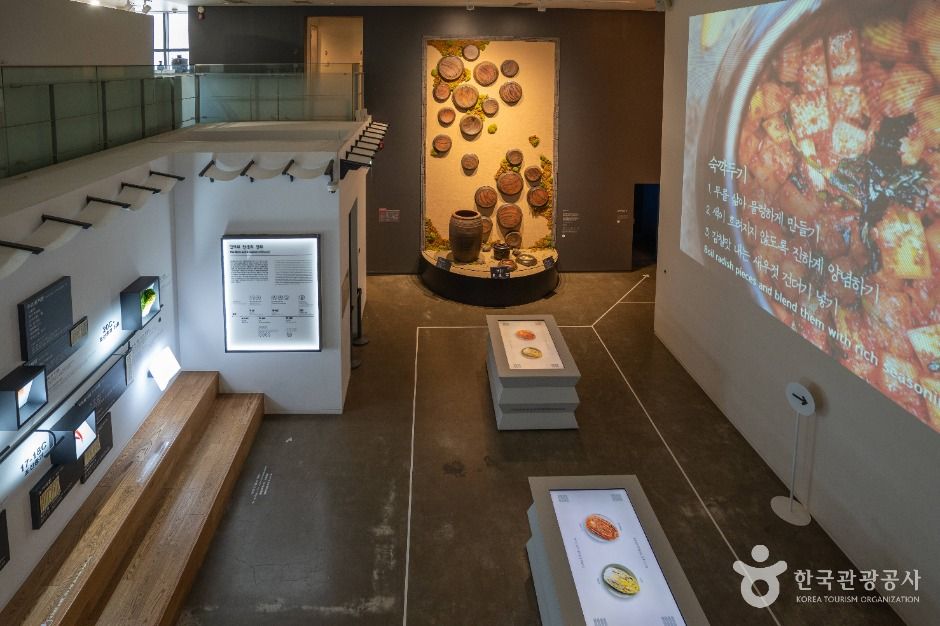
Museum Kimchikan (뮤지엄 김치간)
6.6Km 2025-06-19
(4-6th floor, Maru Art Center), 35-4 Insadong-gil, Jongno-gu, Seoul
Museum Kimchikan is a museum dedicated to kimchi in Insa-dong’s Maru Art Center. The exhibition details the culture, history, trajectory, and efficacy of kimchi and teaches the visitors how to make kimchi through videos. Visitors can also sample different types of kimchi. The museum offers both individual and group experience programs.
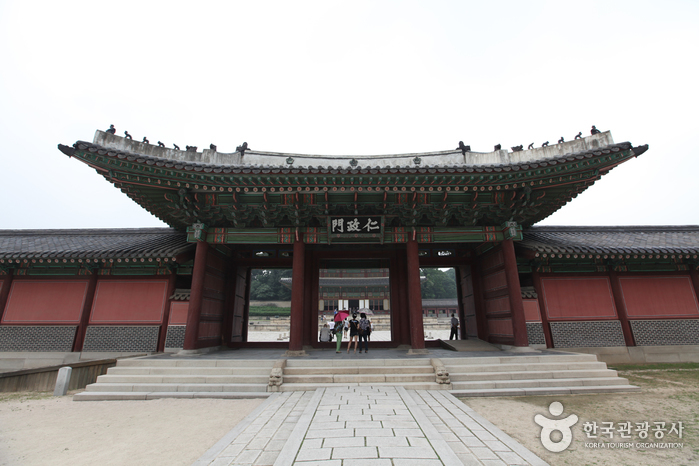
Changdeokgung Injeongmun Gate (창덕궁 인정문)
6.6Km 2025-01-14
99, Yulgok-ro, Jongno-gu, Seoul
+82-2-3668-2300
Serving as the main gate of Injeongjeon Hall, Injeongmun Gate was established in 1405 (5th year of King Taejo’s reign during the Joseon dynasty). Later on, the gate was destroyed by multiple fires during the Imjin War (Japanese invasion of Korea in 1592), therefore current form of the establishment displays designs that are more often seen in the late 19th century's. In addition, a lot
of subsidary marks and buildings are removed from the original places and relocated passing the time, however, still remains to represent prestigious ambience.
Injeongmun Gate served as the place for several coronation ceremonies of kings, prince's succession of throne, and many other national affairs celebrated by the royal members who gathered and aligned around this gate.
Imun Seolnongtang (이문설농탕)
6.6Km 2025-06-18
38-13 Ujeongguk-ro, Jongno-gu, Seoul
+82-2-733-6526
Imun Seolnongtang has been serving its hearty seolleongtang for over a hundred years since it first opened in 1907. Even its name has a long history: the word imun comes from Imun-gol, the now-obsolete name of the restaurant’s location, and seolnongtang, an old variation of the word seolleongtang. During the Japanese colonial rule, the restaurant’s regular customers included Gijeong Son, the marathon gold-medalist at the 1936 Berlin Olympics. The meal served at this restaurante is reputed to stay consistent from the Japanese colonial period.
 English
 한국어
한국어 日本語
日本語 中文(简体)
 Deutsch
 Français
 Español
 Русский


