
London Bagel Museum Anguk Main Store (런던베이글뮤지엄 안국점)
6.3Km 2024-02-20
20 Bukchon-ro 4-gil, Jongno-gu, Seoul
London Bagel Museum is a bagel specialty shop adorned with a wooden-tone interior and a garland in the shape of the British flag. The bagels are made using the traditional British method of fermenting the dough, boiling it, and then baking it in the oven. Jambon butter sandwich bagel, made with sesame bagel filled with ham and butter, is a signature menu item.
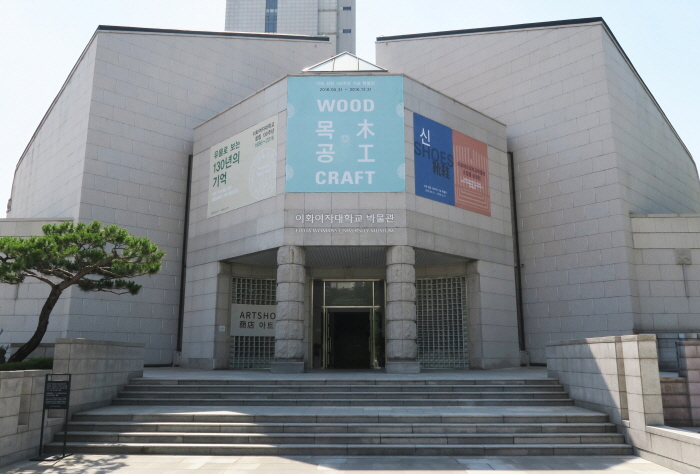
Ewha Womans University Museum (이화여자대학교박물관)
6.3Km 2022-09-14
52, Ewhayeodae-gil, Seodaemun-gu, Seoul
+82-2-3277-3152
The Ewha Womans University Museum was established in 1935 with the goal of preserving the cultural heritage of Korea. Originally, items related to folk art, traditional woodwork, and pottery were put on display in the hall of the main university to keep them from being confiscated during the Japanese occupation. This later led to the opening of the museum to display and store the growing collection.
Regular exhibitions of the museum’s collection have been taking place annually from 1972. Since 1996, the museum also held special exhibitions that focus on other themes related to cultural heritage. Additional small-scale exhibitions are also held frequently to promote Korea's traditional culture and art.
A ceramics research facility as well as a more traditional museum, a large portion of the museum’s efforts is focused on the research and excavation of kilns. To this aim, excavation teams from the museum have traveled to various parts of the country to conduct studies on historic sites and assess the value of artifacts. Through the publication of books and reports on its discoveries, the museum has contributed to raising knowledge and awareness of Korean cultural heritage in academia and among the public.
Ewha Welcome Center (이화웰컴센터)
6.3Km 2022-09-13
52, Ewhayeodae-gil, Seodaemun-gu, Seoul
+82-2-3277-3277
Ewha Welcome Center opened in 2013 as the first promotional center and visitor center of its kind on a university campus in Korea, comprised of an information desk, exhibition lounge, and gift shop. The information desk offers useful information to help visitors get the most out of their Ewha campus experience. The exhibition lounge introduces the history, traditions, and vision of the present-day and future of the university year-round. Visitors can purchase university gear at the gift shop. Furthermore, foreign visitors can take part in a range of campus tour programs in English and Chinese for an enriching experience.
Korea Medical Tourism Promotion Association ((사)대한의료관광진흥협회)
6.3Km 2025-10-23
(#601) 29-3 Saemunan-ro 9-gil, Jongno-gu, Seoul
The Korea Medical Tourism Promotion Association aims to attract over 100,000 medical tourists within three years by establishing a structured system for attracting medical tourists, training specialized personnel, and supporting both domestic and international medical tourism. With the increasing number of foreign visitors coming to Korea for various purposes beyond tourism, such as international conferences, business, and exhibitions, there is a growing need for specialized services.
Plans is a company that can meet all these diverse customer needs. ceremonial arrangements, tours, and events often proceed irregularly due to changes in weather, group size, and transportation. To address these variables, Plans, the plural form of "Plan," represents a company that is always prepared from start to finish. It is a leading VIP travel agency in Korea, tailored to meet the needs of its clients.
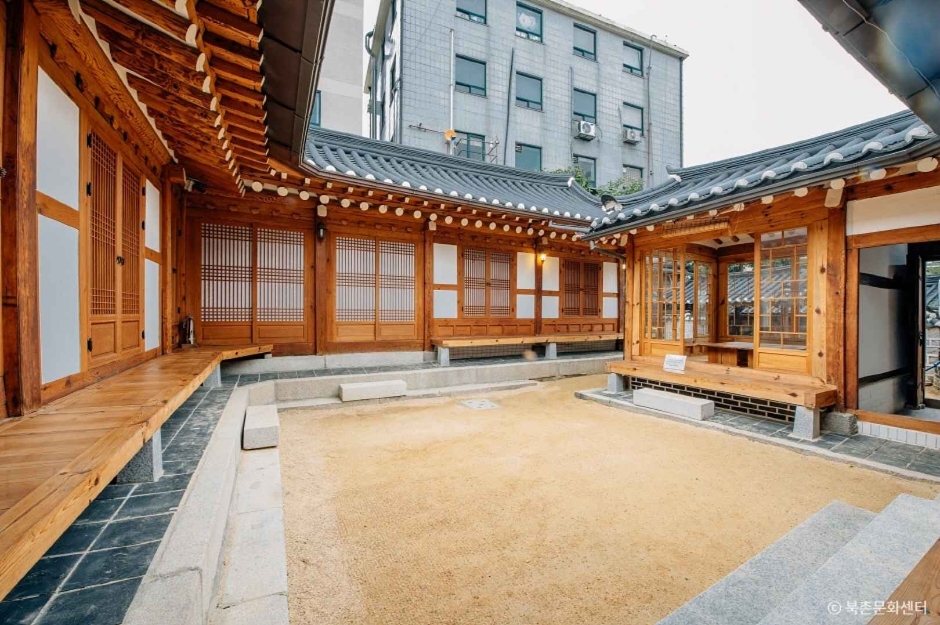
Bukchon Cultural Center (북촌문화센터)
6.3Km 2025-06-19
37 Gyedong-gil, Jongno-gu, Seoul
Bukchon Cultural Center, located in a hanok, was established to offer traditional cultural experience opportunities for visitors to the area. The programs include tea ceremony, handicraft, and gugak as well as a Public Relations Exhibition Hall introducing Bukchon culture and hanok. Also, the center houses a space and a pavilion for visitors to relax while traveling.
Eight Scenic Views of Bukchon (북촌 8경)
6.3Km 2024-03-18
37, Gyedong-gil, Jongno-gu, Seoul
+82-2-2148-4161
The Eight Scenic Views of Bukchon can be found at the Bukchon Hanok Village between Gyeongbokgung Palace and Changdeokgung Palace. Bukchon was historically a district where the aristocracy of Joseon had resided in, so it is still home to a large number of traditional dwellings, called hanok in Korean. The eight views are as follows: No. 1, view of Chengdeokgung Palace; No. 2, view of Wonseo-dong Handicraft Road; No. 3, view of the Gahoe-dong area; No. 4, view from the hill at Gahoe-dong (Bukchon Observatory); No. 5, the view of the road uphill at Gahoe-dong; No. 6, the view of the road downhill at Gahoe-dong; No. 7, the view at house number (beonji) 31, Gahoe-dong; No. 8, the view of the stone stairway at Samcheong-dong.
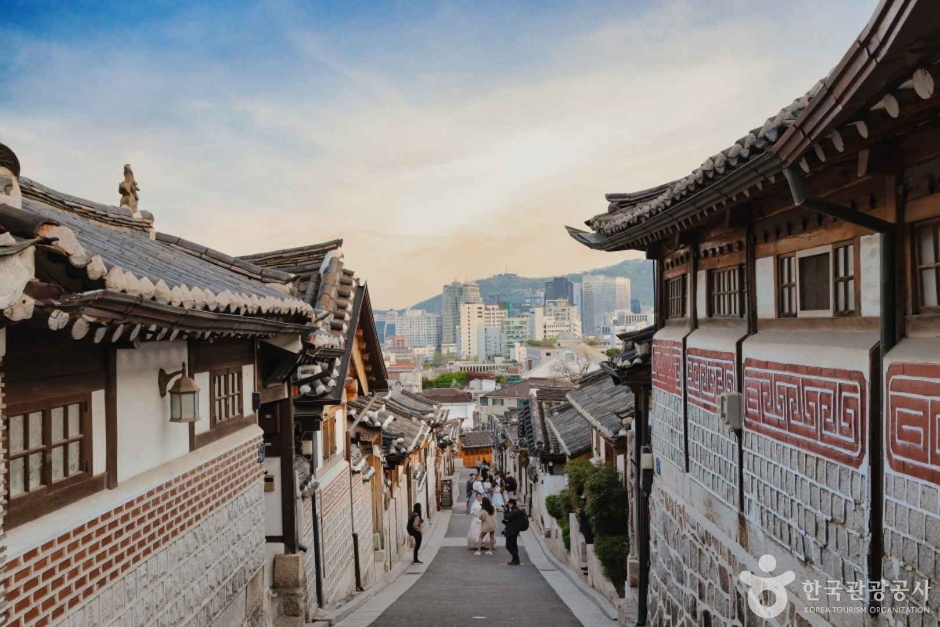
Bukchon Hanok Village (북촌한옥마을)
6.3Km 2025-06-19
37 Gyedong-gil, Jongno-gu, Seoul
Surrounded by Gyeongbokgung Palace, Changdeokgung Palace and Jongmyo Shrine, Bukchon Hanok Village is home to hundreds of traditional houses, called hanok, that date back to the Joseon dynasty. The name Bukchon, which literally translates to "northern village," came about as the neighborhood lies north of two significant Seoul landmarks, Cheonggyecheon Stream and Jongno. Today, many of these hanoks operate as cultural centers, guesthouses, restaurants and tea houses, providing visitors with an opportunity to experience, learn and immerse themselves in traditional Korean culture. As Bukchon Hanok Village is an actual neighborhood with people's homes, visitors are advised to be respectful at all times while looking around.
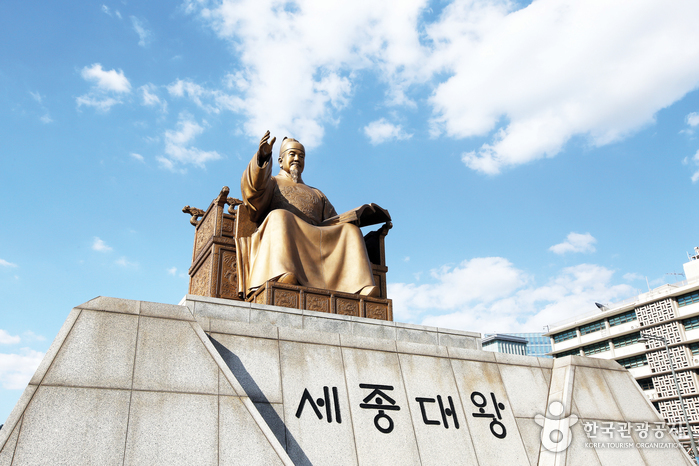
King Sejong Statue (세종대왕 동상)
6.3Km 2024-03-04
175, Sejong-daero, Jongno-gu, Seoul
+82-2-2133-7713
King Sejong Statue can be found at Seoul’s Gwanghawmun Square. The statue commemorates King Sejong the Great (1397-1450, reign 1418-1450), the fourth king of Joseon (1392-1897). He is thought to be the greatest king in Korean history, for he is credited with great developments in science and technology, expansion of Joseon’s territory, and the creation of the Korean script, [Hangeul]. King Sejong’s likeness can be found on the 10,000 won bill as well.
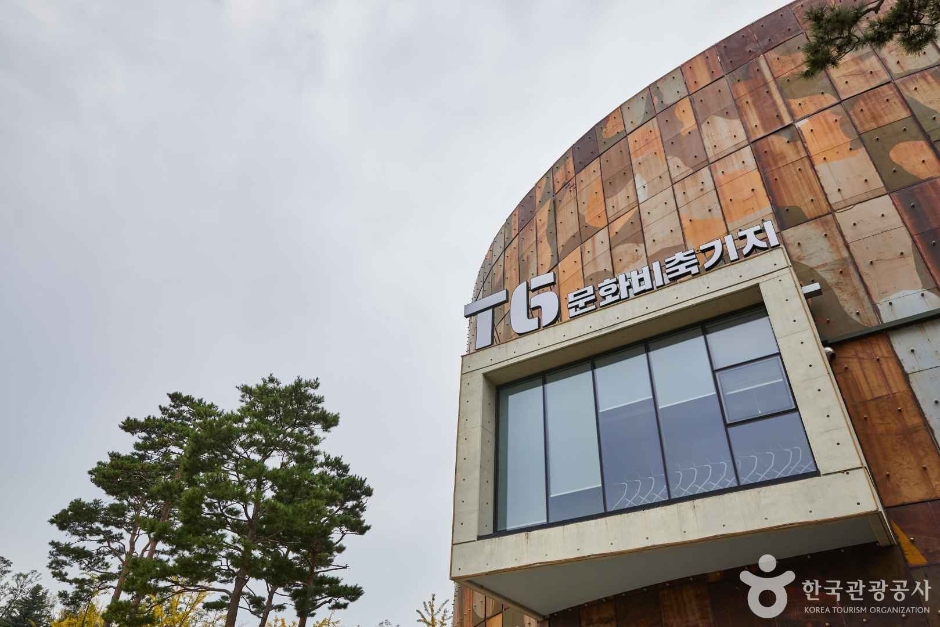
Oil Tank Culture Park (문화비축기지)
6.3Km 2024-11-01
87 Jeungsan-ro, Mapo-gu, Seoul
+82-2-376-8410
After being used as an oil tank for 41 years, the tanks were reborn into a culture space. The five tanks were transformed into performance halls, exhibition halls, and a multi-purpose pavilion, while one new tank was built to be used as an information center. In addition, the temporary parking lot turned into a culture yard where visitors can relax as well as enjoy activities or performances.
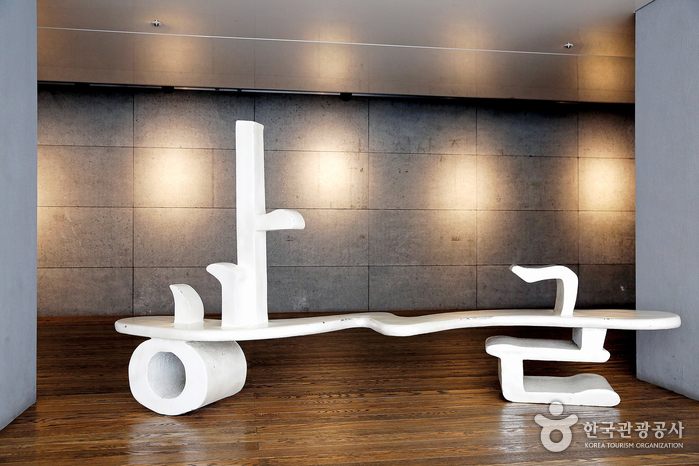
The Story of King Sejong (세종이야기)
6.3Km 2022-09-13
jiha 175, Sejong-daero, Jongno-gu, Seoul
+82-2-399-1000
The Story of King Sejong comprises six different sections with a total area of 3,200 square meters. The museum consists of exhibition zones, an event space, video room, shop and more to display King Sejong’s scientific, artistic, military, and political contributions, including the theory of Minbon, which recognized the people as the base of politics. King Sejong, the 4th king of the Joseon dynasty (1397-1450, reigning from 1418-1450) was responsible for some of the most brilliant achievements in the history of Korea, including the creation of Hangeul (Korean alphabet) and great advancements in the areas of science, culture, art and politics.
 English
 한국어
한국어 日本語
日本語 中文(简体)
 Deutsch
 Français
 Español
 Русский


