
Dong Seoul Tourist Hotel (동서울 관광호텔)
14.9Km 2025-01-07
38, Guuigangbyeon-ro, Gwangjin-gu, Seoul
+82-2-455-1100
Dong Seoul Tourist Hotel is a boutique hotel located close to Gangbyeon Station (Subway Line 2) and Dong Seoul Bus Terminal. The hotel offers quality service and is suitable for leisure and business travelers. The rooms on the third and fourth floor are decorated in various themes.
Anyang Art Park (안양예술공원)
15.1Km 2025-10-23
7 Yesulgongwon-ro 131beon-gil, Manan-gu, Anyang-si, Gyeonggi-do
+82-31-8045-7000
Anyang Art Park, formerly known as Anyang Recreational Park, is an easily accessible, well-maintained cultural space. It has been revitalized with updated features such as artificial waterfalls, an outdoor stage, a plaza, walking paths, and enhanced lighting facilities. The park promotes art projects by displaying 50 artworks from renowned Korean and international artists throughout various locations. Nearby, visitors can explore additional local attractions including hiking trails through dense forests, traditional temples such as Anyangsa Temple and Yeomburam Hermitage, the treasure-designated Flagpole Supports at Jungchosa Temple Site, and the Kimchungup Architecture Museum, all of which contribute to a rich area experience.
Yongmasan Mountain (용마산)
15.2Km 2021-06-18
53, Yongmasan-ro 62-gil, Jungnang-gu, Seoul
+82-2-2094-2344
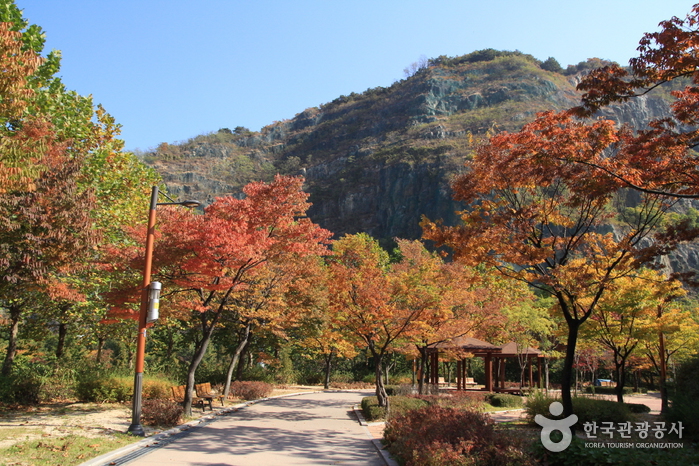
With an altitude of 348 meters, Yongmasan Mountain is the highest peak of Achasan Mountain. The mountain stretches through the ridges of Manguri Park and Junggok-dong, with trails connecting to Achasan Mountain Fortress and the back gate of Children’s Grand Park. Nearby parks include Yongmapokpo Park and Yongmasan Sagajeong Park.

Kansong House (간송옛집)
15.2Km 2025-04-01
149-18 Sirubong-ro, Dobong-gu, Seoul
The 100-year-old traditional hanok Kansong House sits by the burial mound of Kansong Jeon Hyeong-pil (1906-1962), who played a significant role in preserving the cultural heritages of Korea during the Japanese colonial period. This house was orginally built by Kansong's adoptive father Jeon Myeong-gi (1870-1919) to us as a storage facilities for harvested agriculture from the northern Gyeonggi-do and Hwanghae. After his father's death, Kansong used the house as a ritual house for his father and often stayed here. Some damages were done to the house during the Korean War, and partial repair was made after his death.
Gwacheon Wildflower Nature Learning Center (과천야생화자연학습장)
15.2Km 2023-07-17
118, Gyoyugwon-ro, Gwacheon-si, Gyeonggi-do
Gwacheon Wildflower Nature Learning Center was opened to provide a place to learn about nature and harmony. The area is 6,900㎡ and has approximately 112 species of wildflowers. The learning center is divided into sections according to the type and use of wildflowers. The learning center also houses a traditional tightrope walking education center. Korean tightrope walking is registered as a UNESCO Intangible Cultural Heritage of Humanity. The site offers an educational tightrope walking experience program for those interested.
Skylift (스카이리프트)
15.3Km 2025-11-11
102 Daegongwongwangjang-ro, Gwacheon-si, Gyeonggi-do
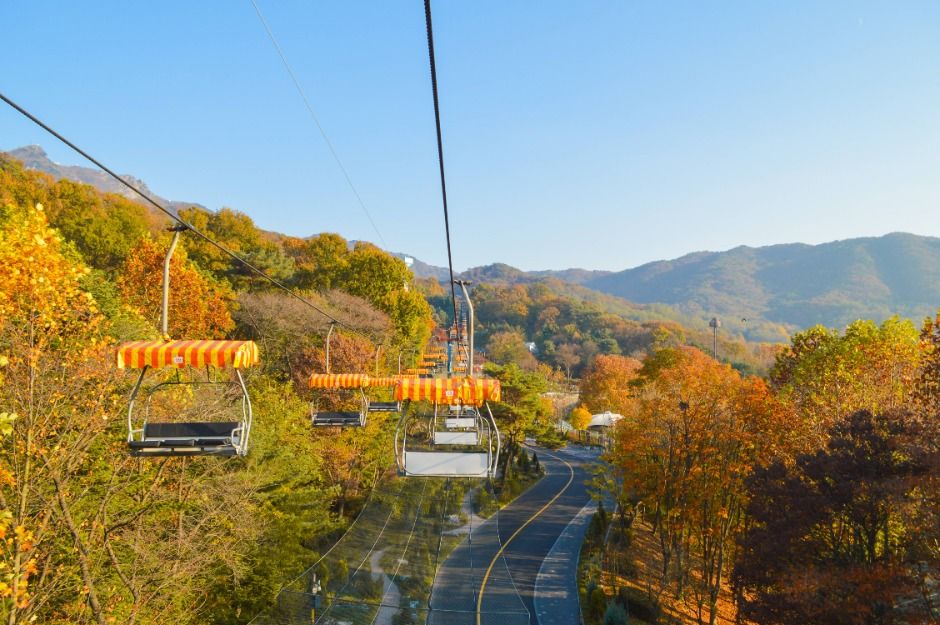
The Seoul Grand Park Skylift is an experiential transportation and tourist facility that operates within Seoul Grand Park. It consists of two lines, Line 1 and Line 2, and operates from the entrance of Seoul Grand Park to the north gate of the zoo, and from the north gate of the zoo to the top of the carnivore animals zone, respectively. It serves to connect major tourist destinations such as the zoo, themed gardens, and children's zoo, allowing visitors to move around efficiently. Visitors can also enjoy the natural scenery of Seoul Grand Park's lakes, forests, and flower paths while traveling on the lift. Available all year round, visitors can enjoy seasonal scenery such as cherry blossoms in spring, greenery in summer, autumn leaves in fall, and snowy landscapes in winter.
Achasan Mountain (아차산)
15.4Km 2024-03-07
Acheon-dong, Guri-si, Gyeonggi-do
+82-2-450-1655
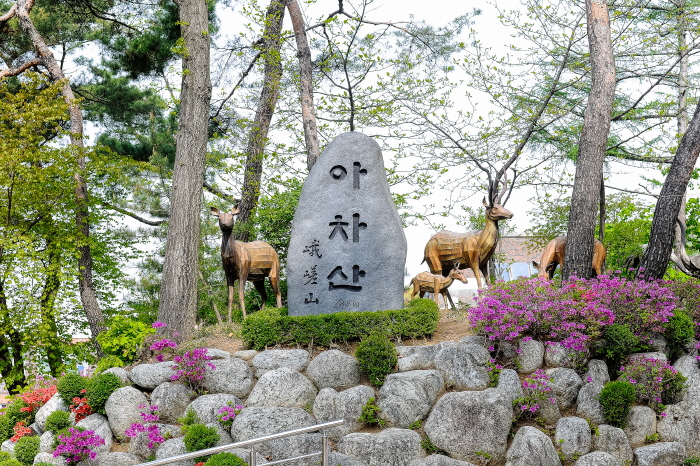
Achasan Mountain is a 295m-high mountain that stretches across Seoul and the city of Guri. Its proximity to the city makes it an accessible destination for hiking in Seoul. The hiking trails are maintained quite well, so even beginners can enjoy hiking in the mountain. From the summit of Achasan Mountain, one can enjoy the beautiful view of Seoul and the Hangang River. In fall, the mountain is famous for its fall colors as well.
Kyungbokkung - Changdong Branch (경복궁 창동)
15.4Km 2024-07-31
610, Dobong-ro, Dobong-gu, Seoul
+82-2-992-6777
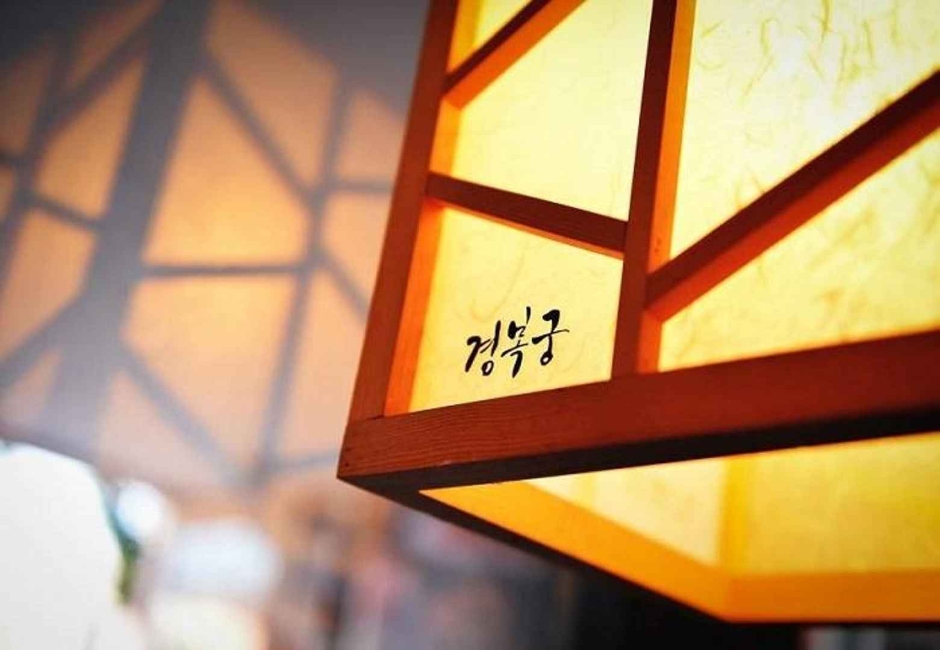
Chefs specializing in Korean dishes use prime meat. This restaurant's signature menu is grilled boneless ribs. This Korean dishes restaurant is located in Dobong-gu, Seoul.
Bonghwasan Mountain - Seoul (봉화산 (서울))
15.5Km 2022-09-14
Sinnae-ro 21-gil, Jungnang-gu, Seoul
+82-2-2094-2353
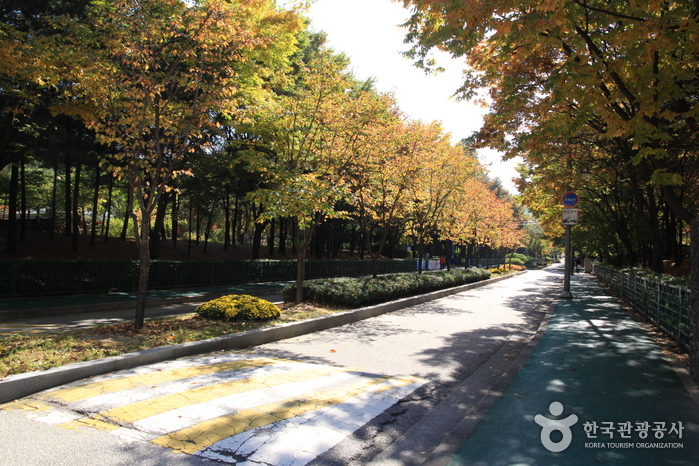
Bonghwasan Mountain (alt. 160 meters) in Jungnang-gu, Seoul offers scenic views of Buramsan, Dobongsan, and Namsan mountains. From the mountain, hikers can even see as far as the Yangju area of Gyeonggi-do Province to the north. Officially designated a “neighborhood park” in July 1977, Bonghwasan Mountain has a variety of convenience facilities, not least of which is the beacon tower of Achasan Bongsudae (remolded in 1994) perched on the mountain summit. Also near the summit is Sansingak Shrine, which is the site of the annual Bonghwasan Dodanggut (Intangible Cultural Property of Seoul), a shamanistic rite performed on the third day of the third lunar month.
Gwangmyeong Cave (광명 동굴)
15.5Km 2025-10-27
142 Gahak-ro 85beon-gil, Gwangmyeong-si, Gyeonggi-do
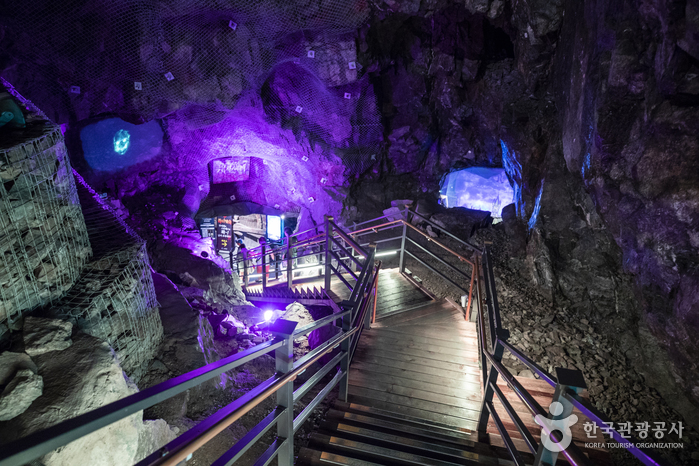
Gwangmyeong Cave was developed in 1912 during the Japanese colonial period to exploit resources, including gold mines, and continued to be developed for industrial purposes after liberation. After the mine was closed in 1972, it was used as a salted seafood warehouse for about 40 years. Gwangmyeong City purchased the site, reorganized it, and made it available to the public. It is currently recognized as a modern industrial heritage site with high historical value, and is well known as a cave theme park in the metropolitan area. Along with the cave, colorful lights and sculptures create a spectacular sight. Aside from tasting and purchasing Korean wine at the Gwangmyeong Wine Cave, visitors can also see the largest media art piece in Korea at the Lascaux Exhibition Hall, enjoying a more diverse travel experience.
 English
 한국어
한국어 日本語
日本語 中文(简体)
 Deutsch
 Français
 Español
 Русский


