![Davich Optical - Geumcheon Branch [Tax Refund Shop] (다비치안경 금천)](http://tong.visitkorea.or.kr/cms/resource/39/2880439_image2_1.jpg)
Davich Optical - Geumcheon Branch [Tax Refund Shop] (다비치안경 금천)
7.1Km 2024-04-22
415, Siheung-daero, Geumcheon-gu, Seoul
-

National Theater of Korea (국립극장)
7.1Km 2024-03-06
59, Jangchungdan-ro, Jung-gu, Seoul
+82-2-2280-4114
The National Theater of Korea opened in 1950 as the first national theater in Asia. It is the only production theater that takes traditional arts to recreate them as contemporary art. It offers various types of theaters, such as Haeoreum Grand Theater, Daloreum Theater (middle-size), Immersive Studio ByeolByeol (small-size), and Haneul Round Theater with a circular stage structure. In addition, the Museum of Performing Arts, Cultural Plaza, and other convenience stores and coffe shops offer pleasure and relax to its visitors.
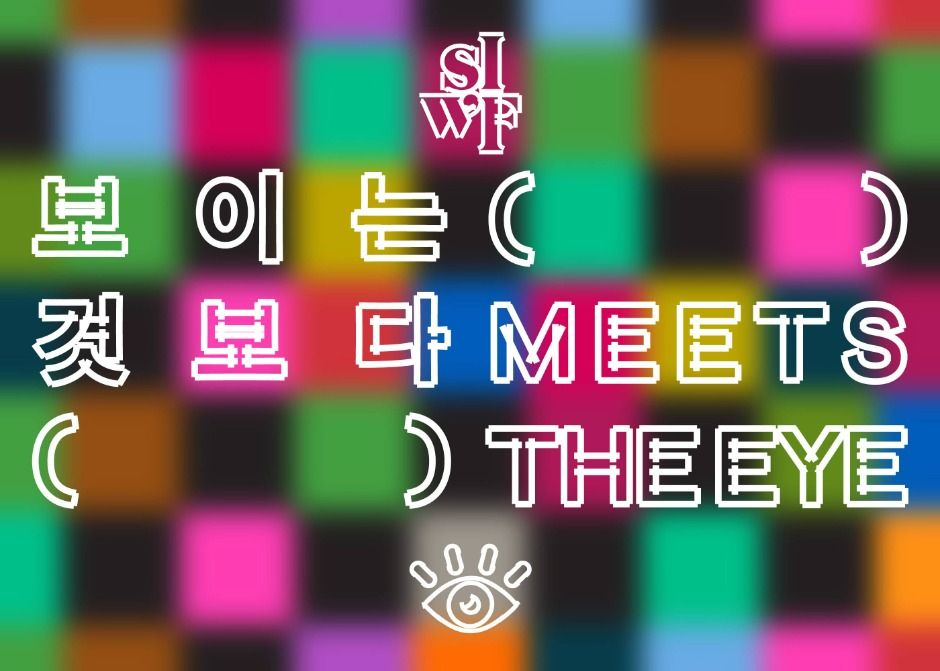
Seoul International Writers' Festival (서울국제작가축제)
7.1Km 2025-07-30
26 Insadong 9-gil, Jongno-gu, Seoul
+82-70-8826-5207
Seoul International Writers' Festival was founded in 2006 with aims to lay a foundation for connecting Korean literature and international literature. This year's theme is "() Meets the Eye," inviting attendees to explore the beauty of literature that is much more than meets the eye.
Balwoo Gongyang (발우공양)
7.1Km 2024-01-05
56 Ujeongguk-ro, Jongno-gu, Seoul
Balwoo Gongyang, located in front of the main gate of Jogyesa Temple, is a temple food restaurant operated by the Cultural Corps of Korean Buddhism. It was selected as a 1-star restaurant by the Michelin Guide for three consecutive years from 2017 to 2019 and it is so popular that reservations must be made a month in advance. “Balwoo” refers to meals for monks and it means that the act of eating is also a process to realizing the truth. The restaurant offers five types of course menus inspired by Buddhist teachings that are served in the order of Suljuksim, Juksang, Sangmi (嘗味), Dammi (噉味), Seungso (僧笑), Youmi (愈味), and Ipgasim. The menu is made with seasonal ingredients to bring out the best flavor of each season. The course meal starts with appetizing kimchi stew according to the traditional Korean meal culture. Then it is followed by porridge, seasonal salad, rice and stew, side dishes, tea, and dessert, satisfying both the taste buds and health. Those who wish to experience an authentic temple meal are recommended to try the Beop Course.
Templestay Information Center (템플스테이 홍보관)
7.1Km 2022-10-17
56, Ujeongguk-ro, Jongno-gu, Seoul
+82-2-2031-2000
Templestay Information Center offers various information and services regarding templestays and temple meals for domestic and international visitors. The center also operates traditional cultural experiences, such as tea time with a Buddhist monk, traditional culture activities and more.
Soon Chun Hyang University Hospital Seoul (순천향대학교 부속 서울병원)
7.1Km 2025-10-23
59 Daesagwan-ro, Yongsan-gu, Seoul
Soonchunhyang University Hospital Seoul has established a systematic and dedicated system for international patients covering all stages from pre-entry processes to departure and aftercare. Based on the medical records provided by the patient, we consult with the medical staff of each specialty to come up with an estimated treatment plan and costs to help patients prepare for their treatment in Korea. Our dedicated outpatient and inpatient teams provide expert medical interpretation, guidance, and integrated appointment management to ensure prompt and organized medical care for international patients throughout their stay. Complete with spacious and comfortable rooms, the International Ward is staffed by coordinators and a nursing team reserved for international patients. Multidisciplinary care with organized systems, state-of-the-art medical equipment, and top-notch medical staff ensure accurate diagnosis and the best treatment outcomes possible.
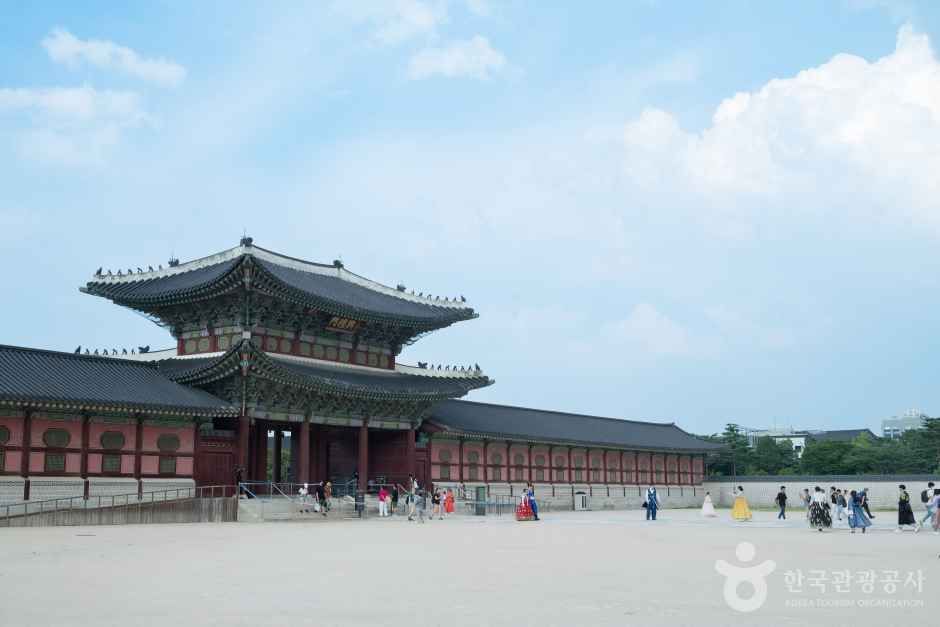
Gyeongbokgung Palace (경복궁)
7.1Km 2025-10-23
161 Sajik-ro, Jongno-gu, Seoul
+82-2-3700-3900
Gyeongbokgung Palace was built in 1395 as the official palace of the Joseon dynasty by Yi Seong-gye, the future King Taejo and founder of the new regime. Gyeongbokgung Palace is commonly referred to as the Northern Palace because of its location to the north, comparied to Changdeokgung Palace in the east and Gyeonghuigung Palace in the west. Gyeongbokgung Palace is arguably the most beautiful and is the largest of all five palaces. Many Joseon kings were crowned here. The premises were once destroyed by fire during the Imjin War (1592-1598). However, all of the palace buildings were later restored under the leadership of Heungseondaewongun during the reign of King Gojong. The assassination of Empress Myeongseong, however, resulted in Gyeongbokgung Palace losing its function as a royal palace, eventually witnessing the downfall of the Joseon dynasty. Gyeongbokgung Palace retains the original Gyeonghoeru Pavilion, a prime example of Joseon architecture, and the Hyangwonjeong Pavilion and pond. The sculptures in the Geunjeongjeon Hall exemplify Joseon-era sculpture techniques. The west side of the area outside Heungnyemun Gate is occupied by the National Palace Museum of Korea, while the eastern side of Hyangwonjeong Pavilion within the Gyeongbokgung Palace is occupied by the National Folk Museum of Korea.
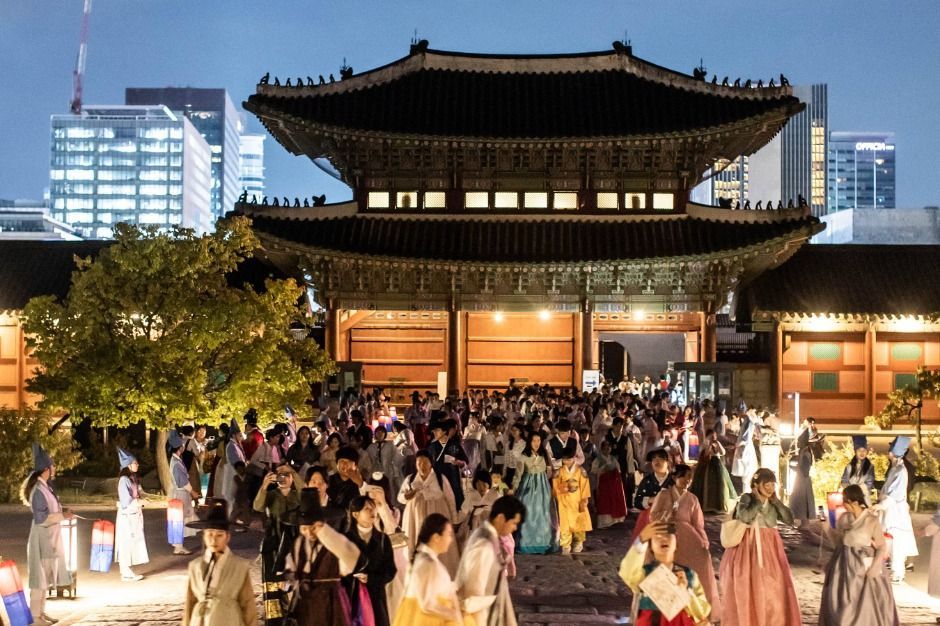
K-Royal Culture Festival (궁중문화축전)
7.1Km 2025-07-29
161 Sajik-ro, Jongno-gu, Seoul
+82-1522-2295
The K-Royal Culture Festival is held at the five Royal Palaces and Jongmyo Shrine. The festival first began in 2014 and provides visitors with first-hand knowledge of these important cultural heritages through unique performances, exhibitions, experiences and programs. The festival expanded in 2021 to be hosted twice a year, in spring and in fall.
![Himart - Gaebong Branch [Tax Refund Shop] (하이마트 개봉점)](http://tong.visitkorea.or.kr/cms/resource/93/2880193_image2_1.jpg)
Himart - Gaebong Branch [Tax Refund Shop] (하이마트 개봉점)
7.1Km 2024-04-19
334, Gyeongin-ro, Guro-gu, Seoul
-
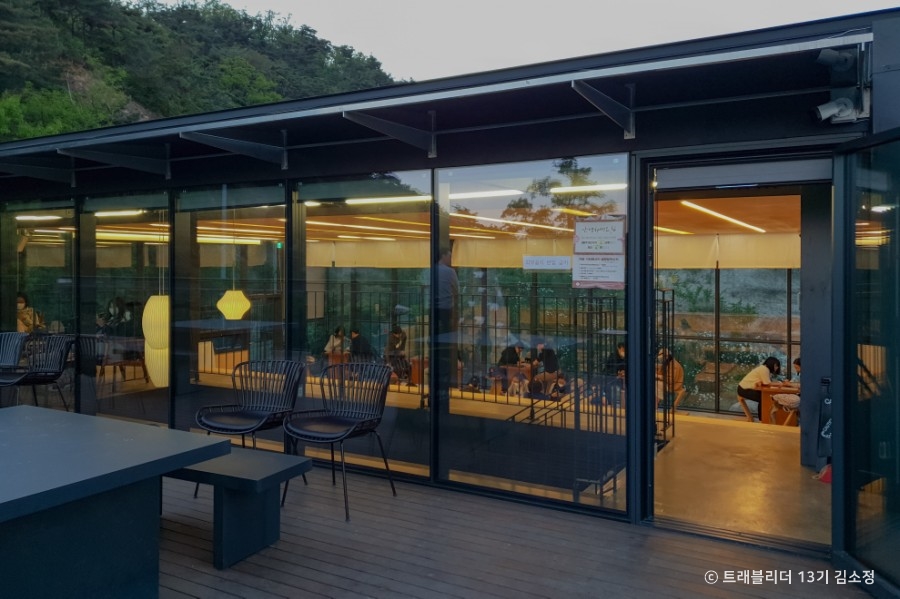
Inwangsan Mountain Chosochaekbang (인왕산 더숲 초소책방)
7.1Km 2024-03-06
172 Inwangsan-ro, Jongno-gu, Seoul
Inwangsan Mountain Chosochaekbang is a bakery and book café located along the trail of Inwangsan Mountain, remodeled from an old police station. Surrounded by glass walls within the forest, it blends seamlessly with nature, offering a panoramic view of Namsan Tower through the transparent windows. On the second floor terrace, guests can enjoy the scenic view of Seoul. Freshly baked bread and desserts are available daily, and the venue occasionally hosts book talks and music concerts.
 English
 한국어
한국어 日本語
日本語 中文(简体)
 Deutsch
 Français
 Español
 Русский


