
Samcheong-dong Street (삼청동길)
5.3Km 2025-01-22
107 Samcheong-ro, Jongno-gu, Seoul
It is said that Samcheong-dong was named from the story about the three "cheong" (Chinese character meaning clean) of the area, namely the mountain, water, and people. Another theory is that the origin of the region's name came from Samcheongjeon Hall where three tablets called "Taecheong," "Sangcheong," and "Okcheong," were set up based on Taoism. Samcheong-dong Street features a mixture of old scenes of hanok buildings with traditional beauty and modern scenes of galleries and cafés, creating a unique atmosphere. Visitors can feel the abundant cultural mood at every corner of the street through the art galleries, museums, antique shops, and quiet pathways.
Bank of Korea Money Museum (화폐박물관)
5.3Km 2024-03-18
39 Namdaemun-ro, Jung-gu, Seoul
This Renaissance-style three-story stone building is the museum of the Bank of Korea. The older Bank of Korea was established as the central bank of the Korean Empire in 1909 and has been designated as a National Historical Site. During the Japanese colonial period, the bank was renamed the Bank of Joseon, and the building was used as the main and head office of the Bank of Korea until 2001. The building has been used as the nation’s Money Museum since June 2001 in celebration of the 50th anniversary of the Bank of Korea. The museum has 13 exhibition rooms on two floors, with one basement floor and two above-ground floors. It holds special exhibitions of various currency and art collections to provide domestic and foreign visitors with the opportunity to enjoy the history and culture of currency. Visitors can learn about the Bank of Korea and the central banking system, as well as how to identify counterfeit notes and how money is produced and circulated. It is also a good place for children to learn about currencies from around the world. Advance reservations are required, and parking is not available. The museum can easily be reached via subway by getting off at Hoehyeon Station (Seoul Subway Line 4) and exiting through Exit 7.
Golfzon Market - Dangsan Branch [Tax Refund Shop] (골프존마켓 당산)
5.3Km 2024-04-23
1F, 233, Seonyu-ro, Yeongdeungpo-gu, Seoul
-
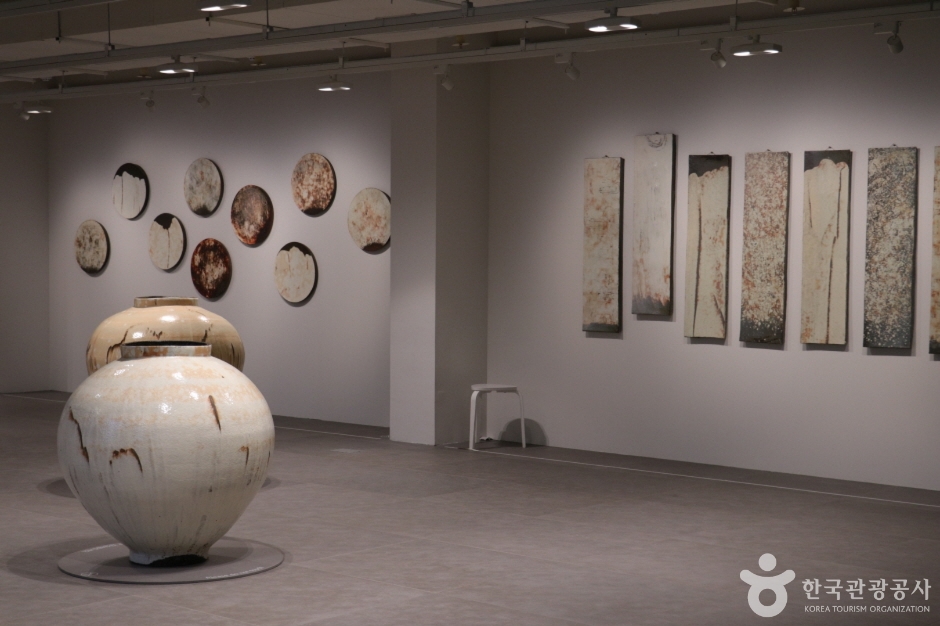
Seoul Museum of Craft Art (SeMoCA) (서울공예박물관)
5.3Km 2025-06-19
4 Yulgok-ro 3-gil, Jongno-gu, Seoul
The Seoul Museum of Craft Art (SeMoCA), the first public museum of craft art in Korea, opened its doors in Anguk-dong, Jongno-gu, in July 2021 after renovating five buildings of the former Pungmoon Girls’ High School. SeMoCA studies and shares not only works, but also information, records, people, and environment related to craft art with the goal of becoming a dynamic platform for experiencing the technical, practical, artistic, and cultural values of craft.
SeMoCA holds a collection that comprises various crafts and craft materials covering multiple fields and eras from the traditional to the present. SeMoCA also holds exhibitions that feature the history of craft from traditional to contemporary art as well as local and children’s crafts, along with programs that utilize the museum’s craft installations, craft archives, craft library, and craft resource management system.
The site of the museum has deep historical roots as it is also the Andong Secondary Palace Site, where a detached palace was constructed as a royal residence for King Sejong’s son Prince Yeongeung, and served as a venue for royal celebrations, such as the wedding of King Sunjong. The site is also at the center of Jongno-gu, where Joseon-era master artisans (“gyeonggongjang”) of the royal palace produced and delivered craft works.
Templestay Information Center (템플스테이 홍보관)
5.3Km 2022-10-17
56, Ujeongguk-ro, Jongno-gu, Seoul
+82-2-2031-2000
Templestay Information Center offers various information and services regarding templestays and temple meals for domestic and international visitors. The center also operates traditional cultural experiences, such as tea time with a Buddhist monk, traditional culture activities and more.
![Gugus - Myeong-dong Branch [Tax Refund Shop] (구구스 롯데 명동점)](http://tong.visitkorea.or.kr/cms/resource/86/2878586_image2_1.jpg)
Gugus - Myeong-dong Branch [Tax Refund Shop] (구구스 롯데 명동점)
5.3Km 2024-04-23
11, Namdaemun-ro 7-gil, Jung-gu, Seoul
-
![Myeong-dong Myeong Pharmacy [Tax Refund Shop] (명동명약국)](http://tong.visitkorea.or.kr/cms/resource/87/2878587_image2_1.jpg)
Myeong-dong Myeong Pharmacy [Tax Refund Shop] (명동명약국)
5.3Km 2024-04-19
#102, 11, Namdaemun-ro 7-gil, Jung-gu, Seoul
-
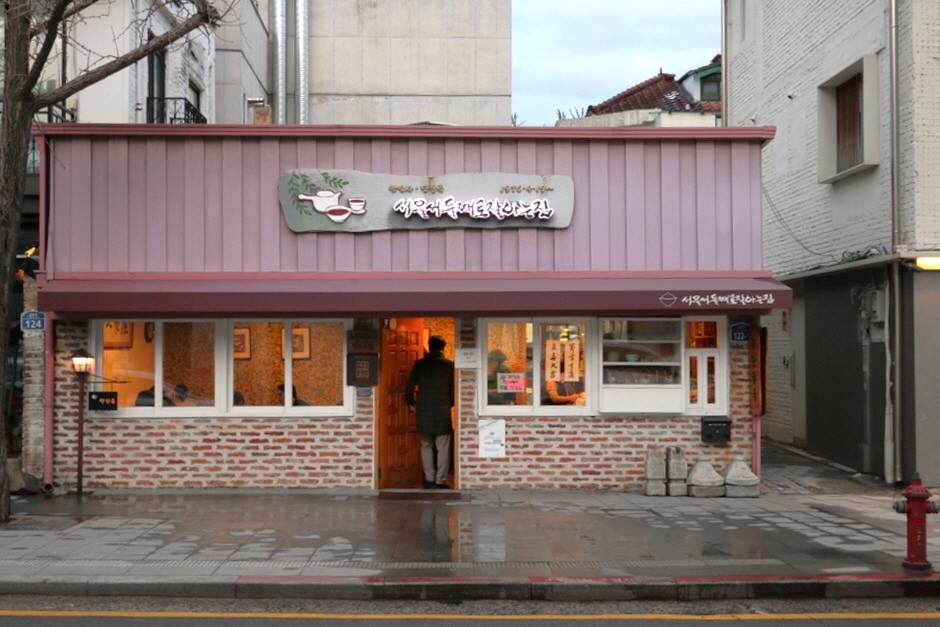
Seoureseo Duljjaero Jalhaneunjip (서울서둘째로잘하는집)
5.3Km 2024-03-15
122-1 Samcheong-ro, Jongno-gu, Seoul
+82-2-734-5302
Seoureseo Duljjaero Jalhaneunjip is a sweet red bean porridge and traditional tea house near Gyeongbokgung Palace. Sweet red bean porridge is a sweet and smooth dish typically containing chewy rice cakes and chestnuts. In Korea, it's a traditional food eaten during dongji (the shortest day and longest night of the year). They also offer traditional teas like ssanghwatang (herbal tonic tea), which contains seven medicinal herbs, sujeonggwa (cinnamon punch) with a blend of cinnamon and ginger flavors, and sikhye (sweet rice punch), a drink known for aiding digestion.
Jeong’s Family (정스패밀리)
5.3Km 2025-03-15
16 , Hyochangwon-ro 8-gil, Yongsan-gu, Seoul
+82-10-6332-2043
Jeong's Family is a foreigner-only guesthouse in Hanseong Han River Apartments in Yongsan-gu, Seoul. The apartment building is in a quiet residential area and has a fine view over the Han River and the riverside Hangang Park - which is a great place for walking or cycling. The two rooms are furnished with laptop PCs. Guests will recieve a welcome drink when they check-in, and a simple breakfast and dinner are provided upon prior reservation. The guesthouse is close to the airport bus stop, and convenient for public transport to tourist hotspots such as Gangnam, Hongdae, and Myeong-dong. There’s a key deposit system in operation.
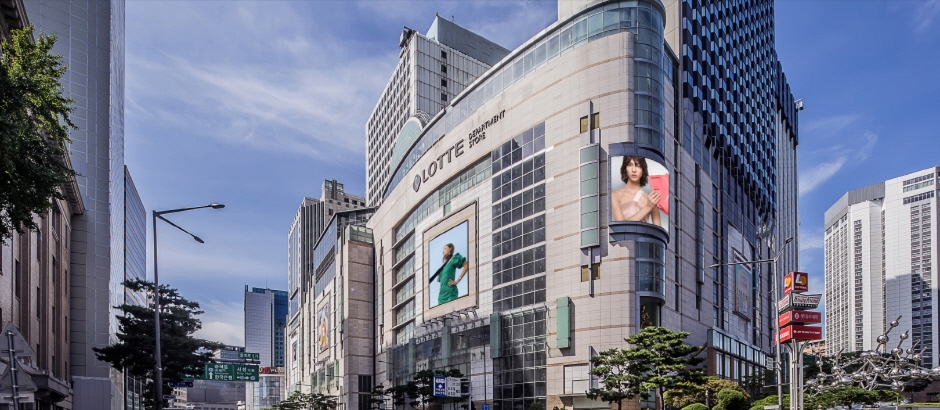
LOTTE Department Store - Myeongdong Main Store (롯데백화점 (본점))
5.3Km 2024-05-17
81, Namdaemun-ro, Jung-gu, Seoul
+82-2-2200-0111
LOTTE Main store is the original branch of LOTTE Department Store, situated in the heart of Korea's bustling tourism hub, Myeong-dong. Shoppers can enjoy their time in the premium life-style shopping place with Luxury & Trendy brands.
 English
 한국어
한국어 日本語
日本語 中文(简体)
 Deutsch
 Français
 Español
 Русский


