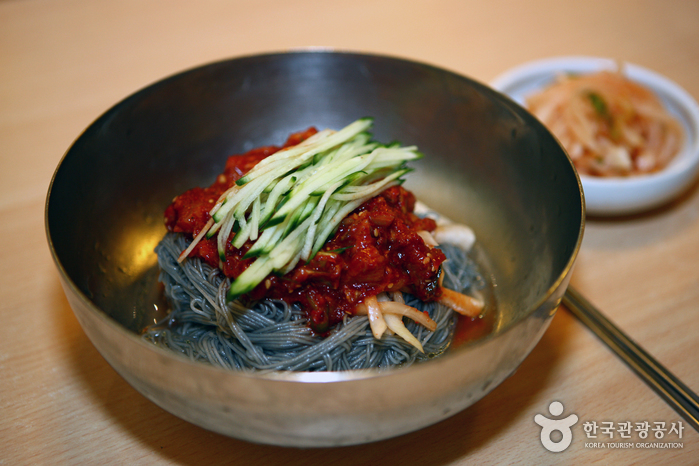
Ojang-dong Hamheung Naengmyeon (오장동 함흥냉면)
7.1Km 2024-02-22
108 Mareunnae-ro, Jung-gu, Seoul
Ojang-dong Hamheung Naengmyeon originated when grandma Han Hyesun, who migrated from Hamgyeongnam-do to Seoul during the Korean War, began selling Hamheung-style "nongma guksu (starch noodles)," eventually naming it Hamheung naengmyeon (Hamheung cold buckwheat noodles). Its signature dish, bibim naengmyeon (spicy buckwheat noodles), features chewy noodles infused with a tangy-sweet seasoning, showcasing the expertise behind its preparation. Alongside the flavorful broth served as a base, the menu also includes variations like hoe naengmyeon (cold buckwheat noodles with raw fish), mul laengmyeon (cold buckwheat noodles), suyuk (boiled pork slices) and mandu.
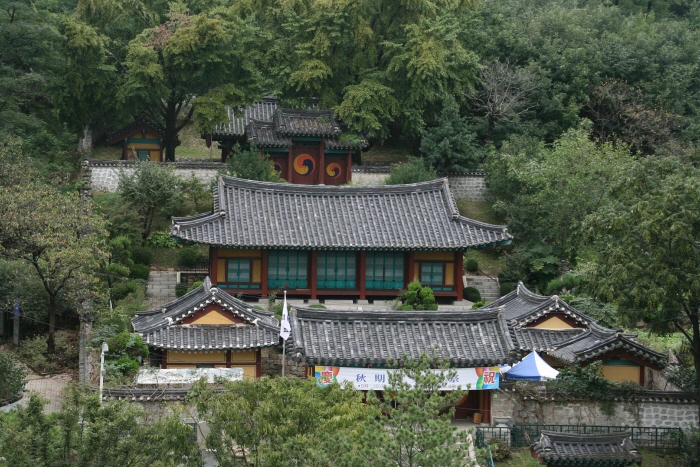
Yangcheonhyanggyo Local Confucian School (양천향교)
7.1Km 2021-01-06
53, Yangcheon-ro 47na-gil, Gangseo-gu, Seoul
+82-2-2659-0076
Yangcheonhyanggyo Local Confucian School is the only educational institution of the Joseon dynasty remaining in Seoul, and as such was designated Seoul Monument No. 8. Built in the 12th year of Joseon King Taejong (1411), the old school was entirely restored in 1981. There are eight buildings in the premises, including Daeseongjeon Hall, Myeongnyundang Lecture Hall, and Jeonsacheong Hall to name a few. A national ritual service for Confucius is held here twice a year: once in spring and once in fall. Also, various programs are offered to teach Chinese characters, calligraphy, or Oriental painting to regular citizens, as well as elementary, junior, and high school students.
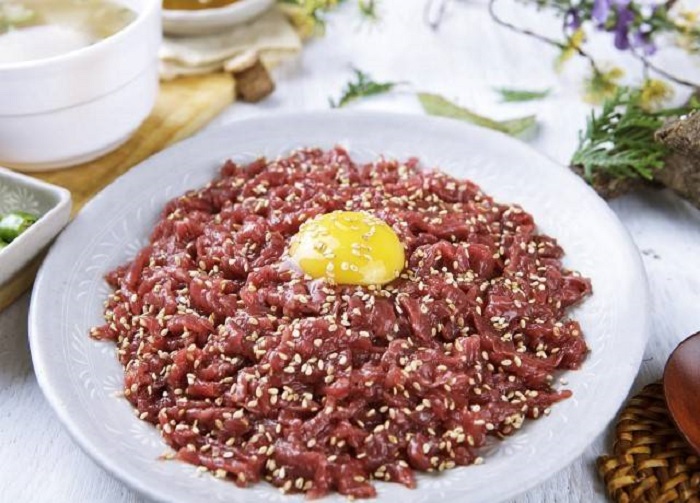
Buchon Yukhoe (부촌육회)
7.1Km 2024-03-04
200-12 Jong-ro, Jongno-gu, Seoul
Buchon Yukhoe is a renowned restaurant located in Gwangjang Market's Beef Tartare Street, selected by the Michelin Guide in 2023. It specializes in yukhoe (beef tartare), a Korean-style raw beef dish marinated with sesame oil and pear. The restaurant uses fresh Korean beef supplied daily, ensuring a delightful and nutty flavor. The simple seasoning enhances the natural taste of the ingredients, and the yolk-topped yukhoe adds visual appeal to the dish.
![Himart - Sangdo Branch [Tax Refund Shop] (하이마트 상도점)](http://tong.visitkorea.or.kr/cms/resource/19/2880019_image2_1.jpg)
Himart - Sangdo Branch [Tax Refund Shop] (하이마트 상도점)
7.1Km 2024-04-22
237, Sangdo-ro, Dongjak-gu, Seoul
-
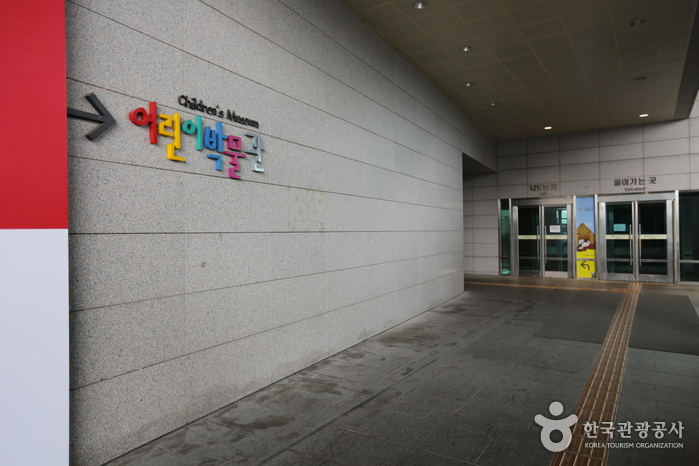
Childrens Museum of the National Museum of Korea (국립중앙박물관 어린이박물관)
7.2Km 2021-09-15
137, Seobinggo-ro, Yongsan-gu, Seoul
+82-2-2077-9000
The Children’s Museum of the National Museum of Korea is an experience-oriented museum where children can see, touch, and feel history through hands-on programs and games. The permanent exhibition hall displays replicas of historical items so children can learn about Korea’s cultural heritage in a fun and interactive way. Children can also experience the lifestyle and wisdom of the past through experience programs.
National Museum of Korea (국립중앙박물관)
7.2Km 2025-11-21
137 Seobinggo-ro, Yongsan-gu, Seoul
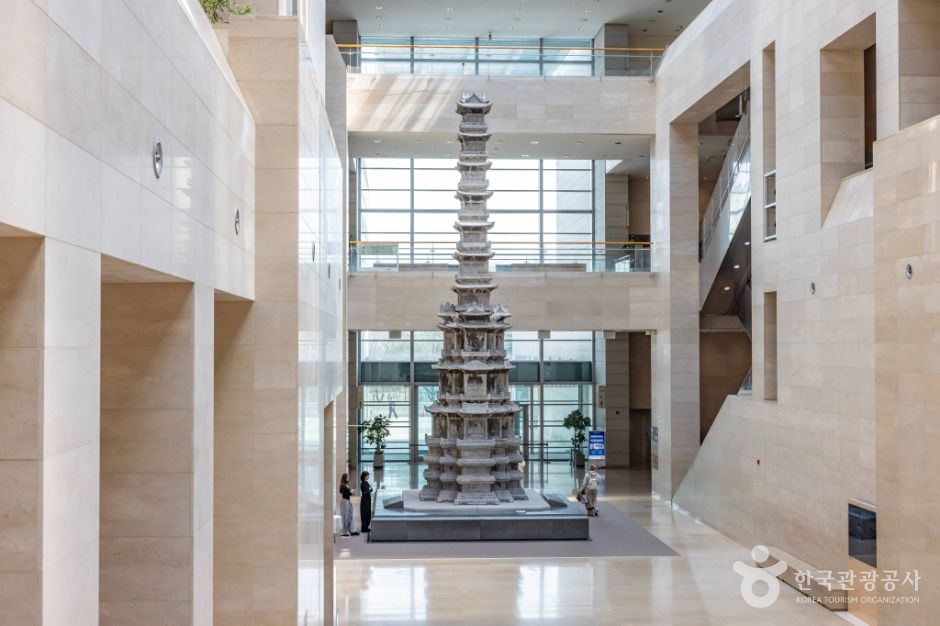
The National Museum of Korea houses a vast collection of artifacts from ancient times to the modern era in a wide range of topics, including art and culture. The museum houses a Children's Museum, where visitors can learn more about the nation's history through educational programs and experiences. The outdoor grounds feature pagodas and other stone artworks too large to be on display inside.
In addition to galleries with a wide array of national and international pieces, the National Museum of Korea is a stage for a number of cultural activities related to collection, preservation, research and analysis, social training, academic publications, intercultural exchange programs, concerts, and more.
![Olive Young - Itaewon Branch [Tax Refund Shop] (올리브영 이태원입구)](http://tong.visitkorea.or.kr/cms/resource/82/2878482_image2_1.jpg)
Olive Young - Itaewon Branch [Tax Refund Shop] (올리브영 이태원입구)
7.2Km 2024-04-18
1F, 145, Itaewon-ro, Yongsan-gu, Seoul
-
![Converse [Tax Refund Shop] (컨버스)](http://tong.visitkorea.or.kr/cms/resource/76/2891176_image2_1.jpg)
The Museum of Medicine (서울대학교병원의학박물관)
7.2Km 2024-03-18
101 Daehak-ro, Jongno-gu, Seoul
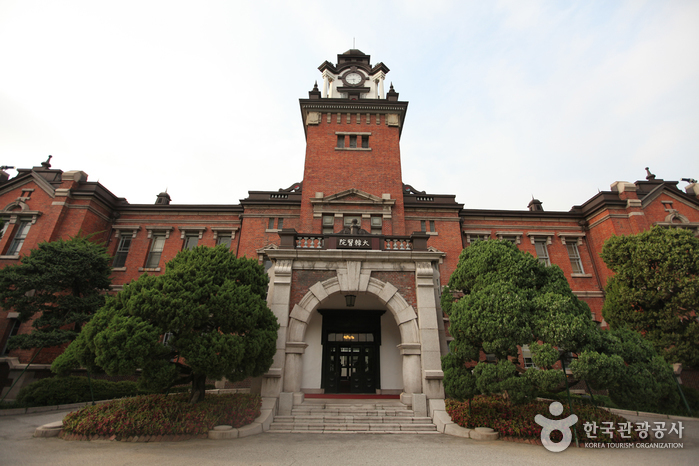
The Museum of Medicine is located in the building of the former Daehan Medical Center, the oldest modern hospital in Korea. It is a medical museum that provides a comprehensive view of the development of modern medicine in Korea, the history of medical devices, and the transformation of Seoul National University Hospital. Through permanent and special exhibitions, the museum showcases medical artifacts and documents related to the history of medicine.
Seoul Daehan Hospital (서울 대한의원)
7.2Km 2021-12-23
101, Daehak-ro, Jongno-gu, Seoul
+82-2-2148-1842
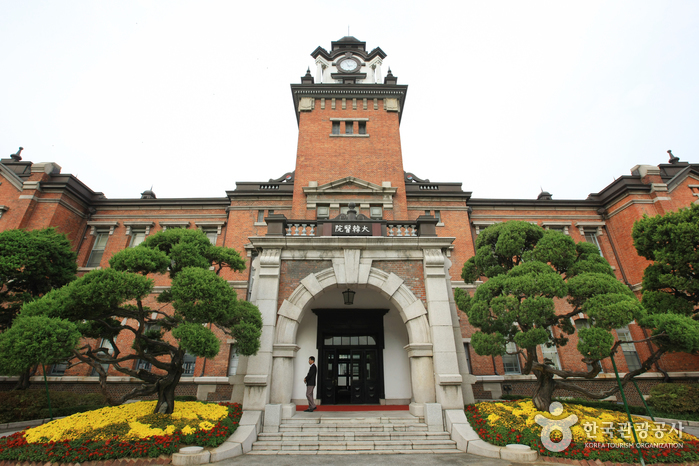
Daehanuiwon (Daehan Medical Center) is an antique two-story brick building within the grounds of Seoul National University Hospital. It was established under the direct administration of the Uijeongbu (State Council), combining the Gwangjewon (under the Home Ministry), Gyeongseong Medical School and the Korean Red Cross Hospital (under the Royal Household).
Built in the Madubong Hill area, this location where Hamchunwon, the outer garden of Changgyeonggung Palace, once stood in 1484 (15th year of King Seongjong), was also once the site of Gyeongmogung Palace, where King Jeongjo enshrined the mortuary tablet of his birth father Crown Prince Sado Seja in 1776 (the year King Jeongjo ascended to the throne).
These places that held importance for the royal family were destroyed as the Japanese built Gyeongseong Empire University in its place. In 1907, with the announcement of the plan to establish Daehan Medical Center, construction began on the main building, seven wards and affiliated buildings. Construction was completed in November 1908.
The Daehan Medical Center opened in Gwangjewon, but upon Japanese colonization in 1910, its name was changed to the Japanese Viceroyalty Hospital. In 1926, it was included as a part of Gyeongseongjeguk University to become a university hospital. Since the liberation of Korea in 1945, it has been a hospital affiliated with Seoul National University.
 English
 한국어
한국어 日本語
日本語 中文(简体)
 Deutsch
 Français
 Español
 Русский


