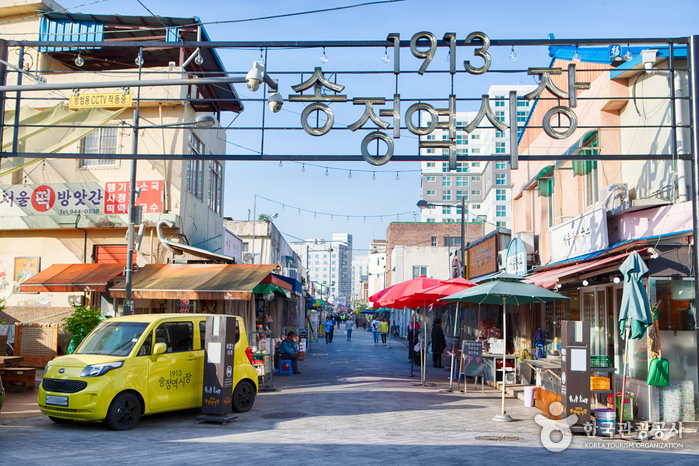
1913 Songjeong Station Market (1913송정역시장)
11.2Km 2025-08-12
13 Songjeong-ro 8beon-gil, Gwangsan-gu, Gwangju
Songjeong Station Market was opened in 1913 in connection with the opening of Gwangju-Songjeong Station. For many years, the market was the go-to-place for necessary items and produce, but with the increase of large supermarts in the 1990s, people began to visit traditional markets less and less. In order to increase the liveliness of Songjeong Station Market and showcase the difference between modern marts and a traditional market, the entire space was redesigned around the theme of time.
The newly redesigned 1913 Songjeong Station Market, located just across the street from Gwangju-Songjeong KTX Station, has a bright appearance with modern-styled architecture and signboards detailing the history of the various shops. Visitors can enjoy all the classic market foods here, such as hotteok (hot griddle cakes), gyeran bap (rice with egg), and eomuk (fish cake).
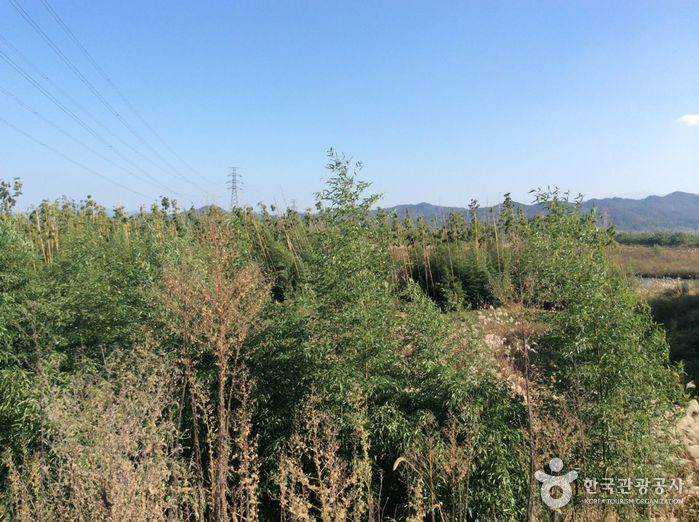
Damyang Bamboo Forest (Damyang Marsh) (담양대나무숲 - 담양습지)
11.4Km 2025-01-13
656-2, Taemok-ri, Daejeon-myeon, Damnyang-gun, Jeollanam-do
+82-61-380-3114
Situated between Damyang-gun and Gwangju Metropolitan City, Damyang Wetland is one of the best places to experience the ecology of Yeongsangang River. It is a habitat for the hawk, wildcat, Boreal digging frog (endangered species), and kestrel. It became the first river wetland to be designated as a wetland reserve in 2004.
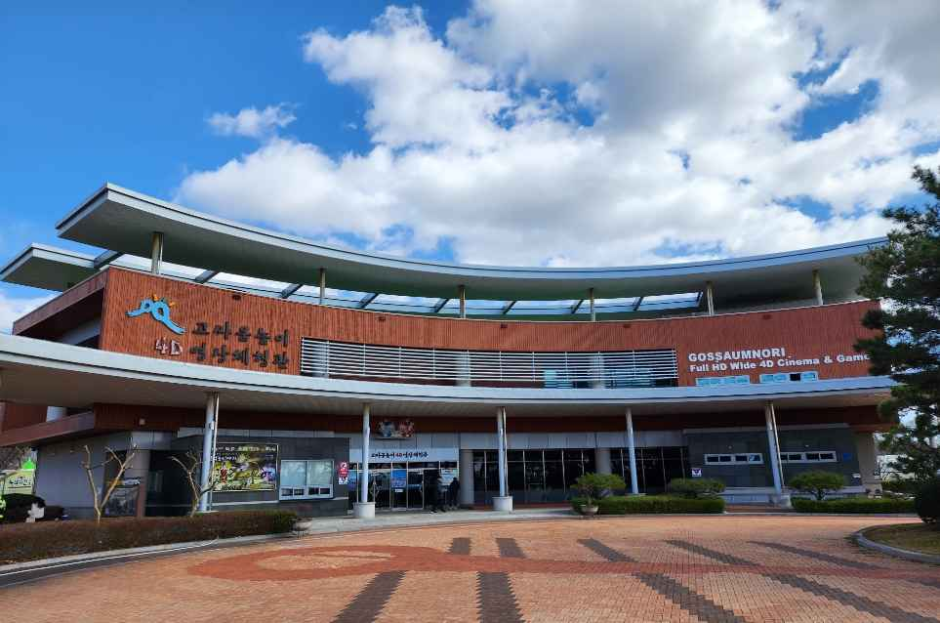
Gossaumnori Theme Park (고싸움놀이테마파크)
11.5Km 2024-10-10
2 Gossaum-ro, Nam-gu, Gwangju
Gossaumnori Theme Park was built over five years to preserve and develop the traditions of Gossaum, a local type of tug-of-war game. The park comprises a training center, video experience hall, folk game experience center, and outdoor performing hall.
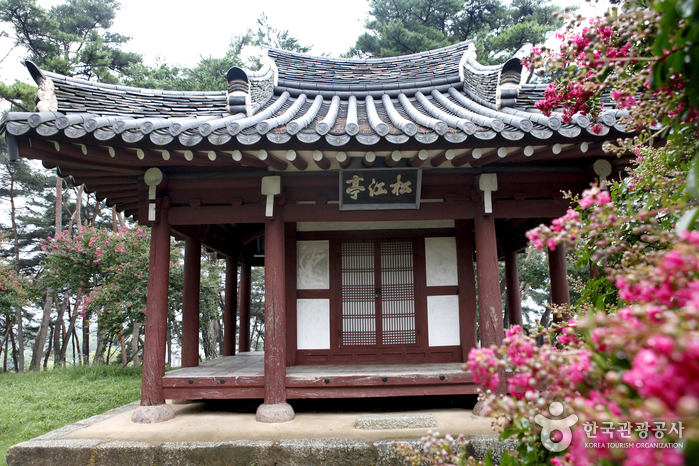
Damyang Songgangjeong Pavilion (담양 송강정)
11.9Km 2021-05-14
232, Songgangjeong-ro, Damyang-gun, Jeollanam-do
+82-61-380-2811
Songgangjeong pavilion is located in Wongang-ri, Damyang-gun, Jeollanam-do. It was registered as Jeollanam-do Provincial Monument No. 1 on January 29, 1972.
Joseon dynasty poet Jeong Cheol (pen name, Songgang) composed his famed poem “Samiingok” from this pavilion. Next to it presently stands the Samingok memorial stone. The two structures at this site, Hwanbyeonkdang and Sigyeongjeong, are collectively referred to as
the “Relics of Jeong Songgang.”
Café Limm (카페 림)
11.9Km 2024-11-12
192 Songgangjeong-ro, Bongsan-myeon, Damyang-gun, Jeollanam-do
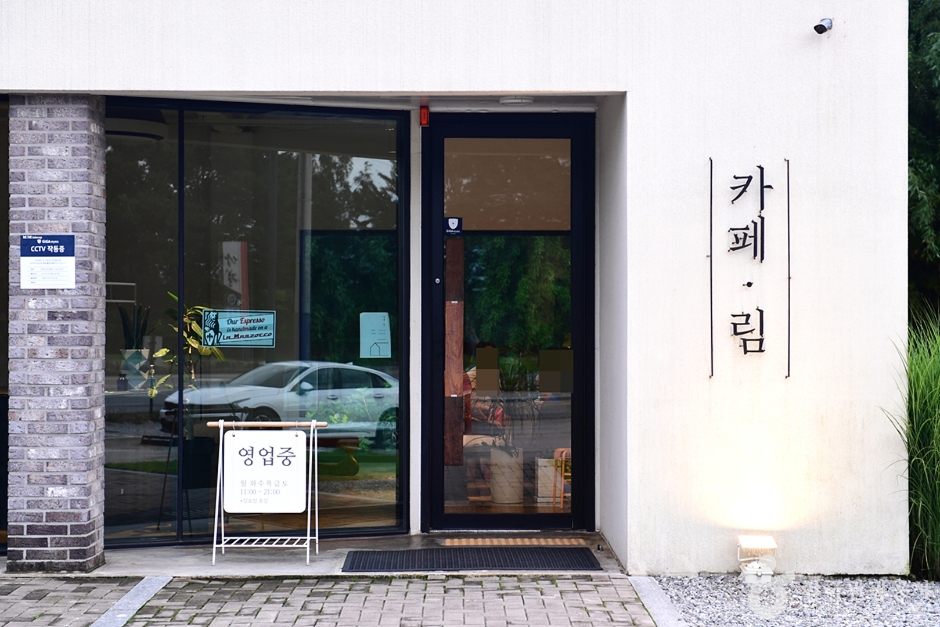
Café Limm is a beautiful café nestled in the backdrop of lush bamboo forests in Damyang. With bamboo trees both inside and outside the café, it feels like stepping into a bamboo forest. Their signature menu item is the shakecoco (coconut milk espresso shake), made with shaken espresso and coconut milk. Visitors can also capture picturesque moments in this café that resembles a scene from an oriental painting.
Donggok Museum of Art (동곡미술관)
12.4Km 2024-12-17
37 Eodeung-daero 529beon-gil, Gwangsan-gu, Gwangju
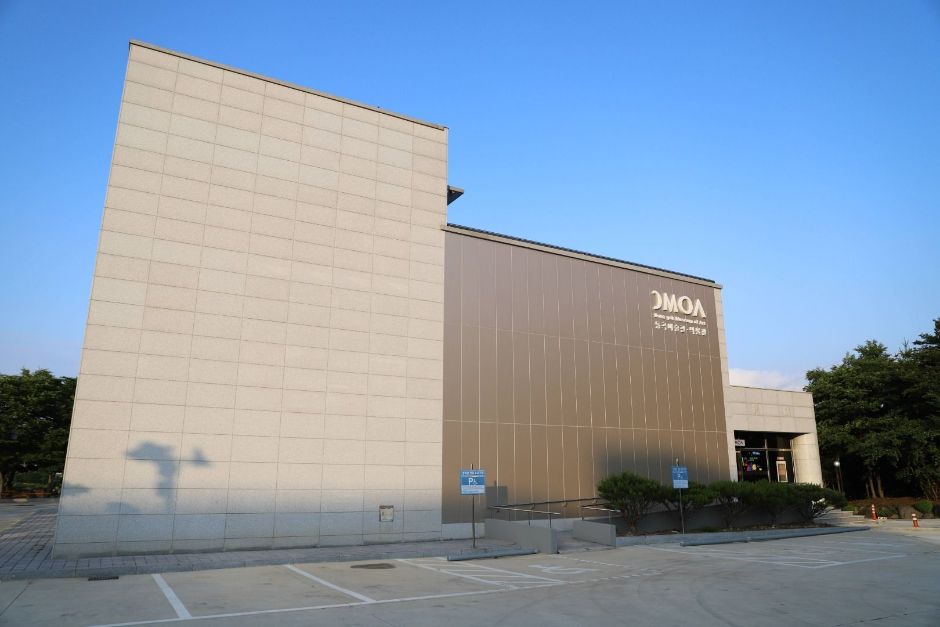
Donggok Museum of Art, opened in December 2020, a two-story building has exhibition halls, educational rooms, a sculpture park and more. There are rest areas to relax after enjoying arts, as well as spaces for visitors to find their creativity.

Chonnam National University Hwasun Hospital (화순전남대학교병원)
12.4Km 2025-10-23
B1 Floor, International Medical Center, 322 Seoyang-ro, Hwasun-eup, Hwasun-gun, Jeollanam-do
Chonnam National University Hwasun Hospital (CNUHH) is a globally recognized cancer-specialized hospital, selected one of the “World’s Best Specialized Hospitals” in the oncology field for five consecutive years by Newsweek. Within ten years of its opening, the hospital achieved the highest number of cancer surgeries nationwide, received JCI accreditation twice, and has become a global hospital visited by hospitals in the metropolitan area for benchmarking. The hospital has consistently received top grades in the National Quality Assessment Program by the Health Insurance Review and Assessment Service, demonstrating its excellent medial services. In 2011, the hospital opened the “International Medical Center” to attract foreign patients and pioneering overseas medical markets, and expand it global network. It is the only national university hospital in the nation to have acquired the “Korean Accreditation Program for Hospitals Serving Foreign Patients (KAHF)” by the Ministry of Health and Welfare three times.
Gotaekhanok (고택 한옥에서)
13.4Km 2024-12-23
88-9 , Doldam-gil, Damyang-gun, Jeollanam-do
+82-10-3606-1283
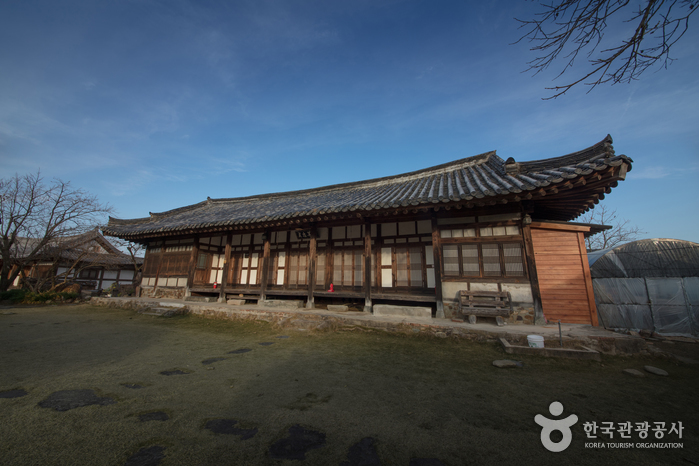
In A Hanok is a grand old house in Samjinae Village, Changpyeong, Jeollanam-do - a member of the international Slow City movement. The house comprises a sarangchae (men’s house), an anchae (women’s house), outbuildings and a spacious yard and garden. Local tourist destinations such as Soswaewon Garden, Songgangjeong Pavilion, and Damyang’s bamboo forest and redwood road are all within 30 minutes, of the house. Visitors can rest here while drinking in the atmosphere of the old Korean countryside.
Myeonangjeong Pavilion (면앙정)
15.5Km 2025-01-09
382-11 Myeonangjeong-ro, Damyang-gun, Jeollanam-do
+82-61-380-2811
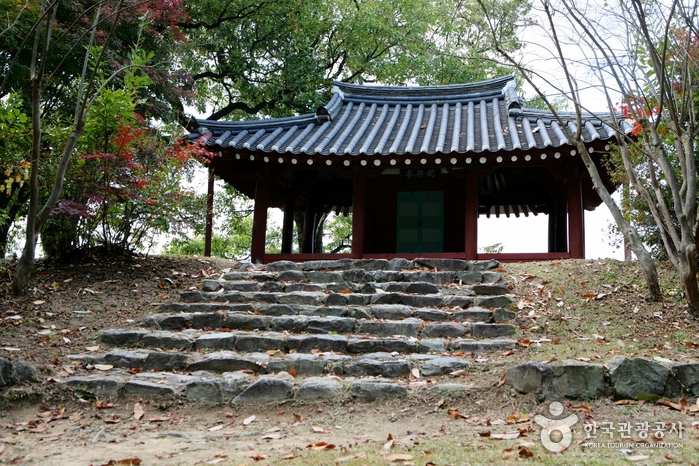
Myeonangjeong Pavilion is located on the slopes of Jebongsan Mountain in Damyang-gun. The pavilion was constructed in 1533 by Song Sun (1493-1583), who built it as a place for writing poems. After its construction, the pavilion served as a meeting place for scholars and intellectuals and was even frequented by Lee Hwang (1501-1570), a representative Confucian scholar who is pictured on the 1,000 won bill.
The roof of Myeonangjeong Pavilion was originally made of reeds, straw, grass and other materials which could not withstand the elements. After several repairs, the building was developed into the wooden structure that it is today.
From the back of the pavilion, you can see the mountain range and open wide fields; renowned scholars’ poems are engraved on the wooden panels that decorate the pavilion walls.
Wolbongseowon Confucian Academy (월봉서원)
18.0Km 2021-07-06
133, Gwanggok-gil, Gwangsan-gu, Gwangju
+82-62-960-8253
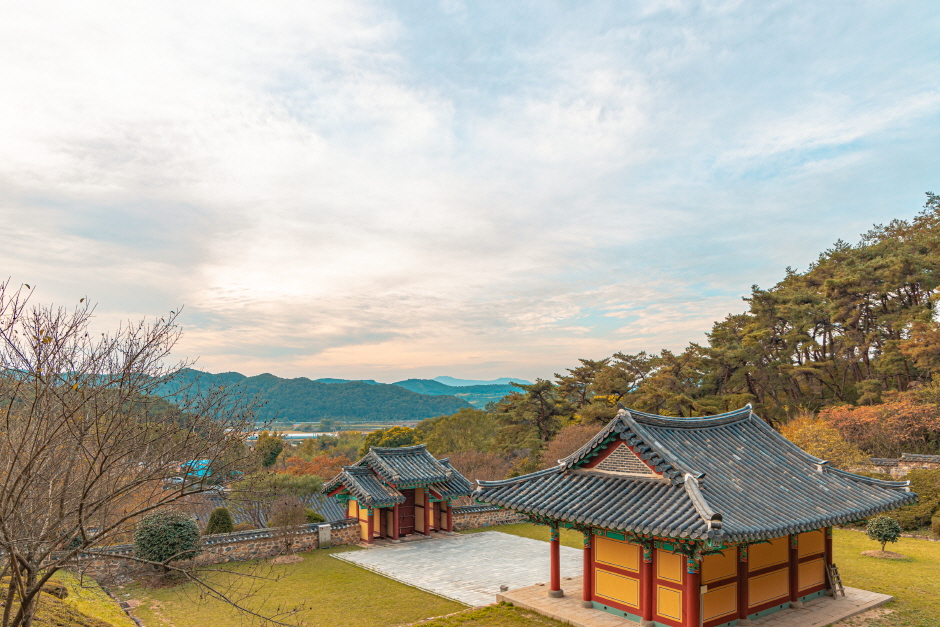
Wolbongseowon Confucian Academy, built in 1578, was established by Kim Gyehwi and other confucian scholars to honor Ki Daeseung's study and virtue through Mangcheonsa Shrine. The location of the academy was moved to its current site in 1646, and the name Wolbong was given by King Hyojong in 1654. In 1671, Bak Sang and Bak Sun's shrines were moved from Deoksansa Shrine by the suggestion of Song Siyeol. Also, Kim Jangsaeng and Kim Jip's shrines were additionally placed in 1673. Unfortunately, the confucian academy was abolished due to the abolition policy of Daewongun in 1868. Later, Bingwoldang Hall was built by Jeollanam-do's Confucian scholars in 1938, followed by Gojiksa Shrine in 1972, Jangpangak Pavilion and Oesammun Gate in 1978, Sau in 1980 and Naesammun Gate in 1981. Bingwoldang is designated as Gwangju Monument No. 9 and woodblocks of Gobongjip are preserved in Jangpangak Pavilion.
 English
 한국어
한국어 日本語
日本語 中文(简体)
 Deutsch
 Français
 Español
 Русский


