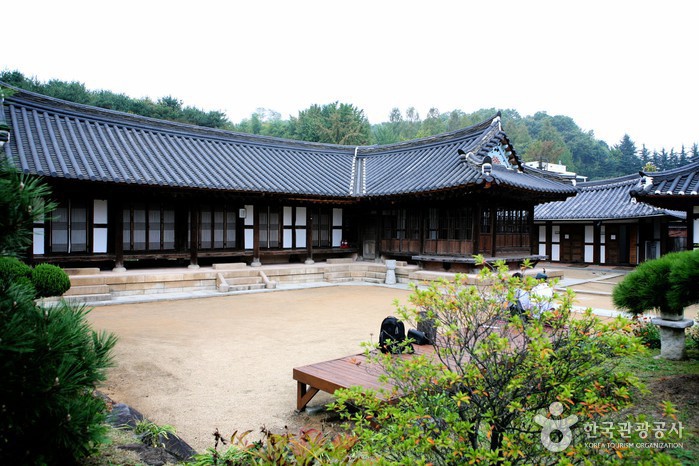
Lee Jang-woo's House (이장우 가옥)
915.4M 2025-10-23
21 Yangchon-gil, Nam-gu, Gwangju
+82-62-651-9020
Designated the first Gwangju Folk Material on March 20, 1989, Lee Jang-woo's House is an upper-class, tile-roofed house with a gate, storeroom, servants’ quarters, detached building, and main building. The building is estimated to have been constructed in 1899 and is overall a sturdy example of Korean architecture, well-preserved in its original state. The L-shaped main hall of the historic building is rather large and consists of (left to right) a wooden verandah, a small room, a hall, the main room, a kitchen, and another small room. The room doors are double doors with a sliding door on the inside and a hinged door on the outside. The hall also has partitions that can be hung up as necessary.
◎ Travel information to meet Hallyu’s charm - movie "Meet the In-Laws"
This hanok served as Hyeon-joon’s (played by Song Sae-byeok) family home in Jeolla-do in the movie "Meet the In-Laws." With its well-preserved architecture and traditional Korean garden, it captures the elegance and charm of early modern Korea.
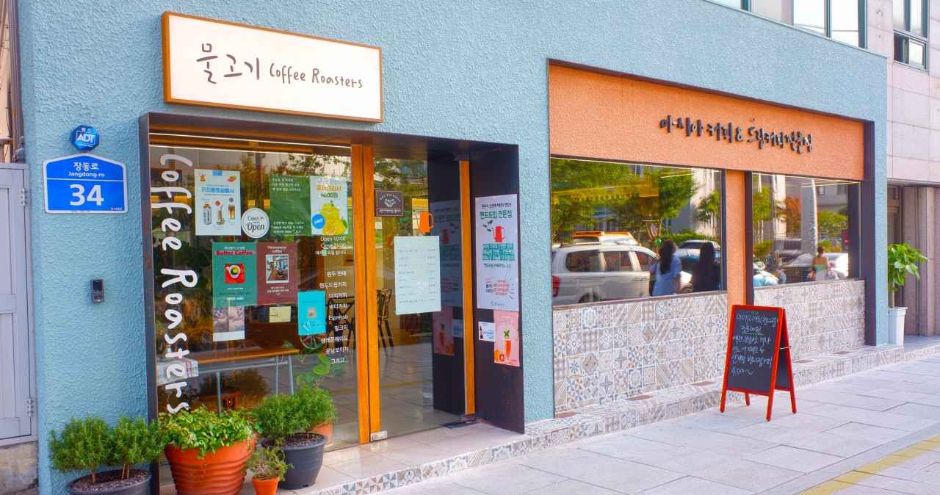
Mulgogi Coffee Roasters (물고기 커피 로스터스)
918.8M 2024-11-14
34 Jangdong-ro, Dong-gu, Gwangju
Mulgogi Coffee Roasters is an award-winning hand-drip specialty store in Gwangju. This place is famous among coffee enthusiasts for its fresh beans, which are handpicked and roasted, one by one, and its 20 kinds of drip bags. Visitors can enjoy their specialty, Geisha Coffee, or other blends from Africa, Latin America, India, China, and other Asian countries.
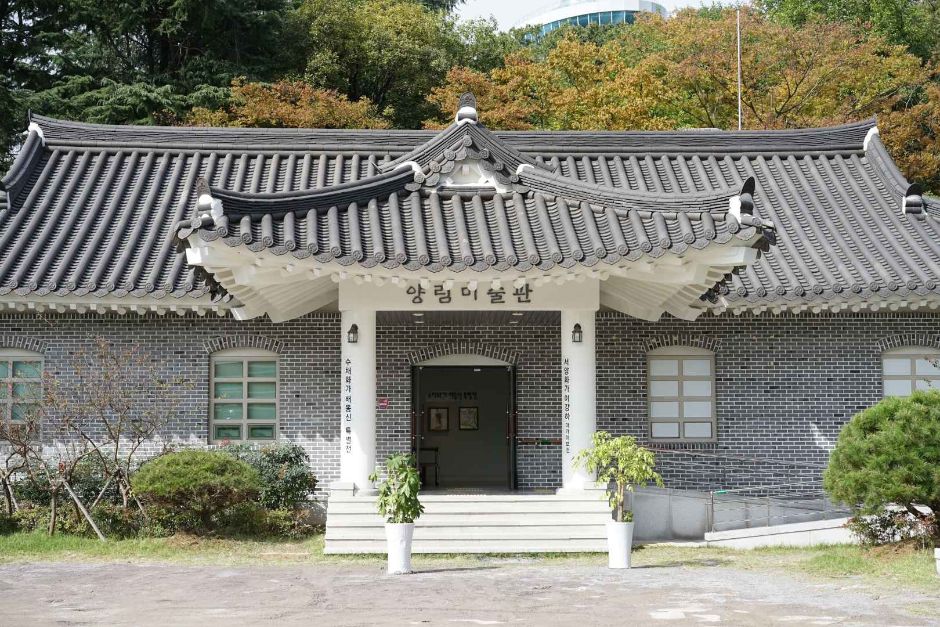
Yangnim Art Center (양림미술관)
950.7M 2024-11-20
70 Jejung-ro, Nam-gu, Gwangju
Yangnim Art Center takes its name from its location in Yangnim-dong, the center of modern history and culture. Designed in hanok style, the building features exhibition rooms on each floor, offering both artists and visitors a creative space to connect and immerse themselves in the art.

Yangnim-dong Penguin Village Craft Street (양림동 펭귄마을공예거리)
960.6M 2025-10-24
92-8 Baekseo-ro, Nam-gu, Gwangju
Yangnim-dong Penguin Village Craft Street is a narrow alleyway located behind the Yangnim-dong Community Center. The village, named because of the way the elderly residents appear to waddle like penguins, has become an exhibition space of life in the 70s and 80s. Villagers cleaned up empty houses that had been burnt down and left unattended in the past, brought discarded items, and began displaying them on the village walls. "Let's be thankful for living at that time" was engraved on the village wall. It also has historical culture, such as the House of Choe Seunghyo, the House of Missionary Uilsa, and Owen Memorial Hall. The Penguin Jumak in the middle of the village was the residents' gathering place, selling small but necessary items. Various workshops, such as leather workshops, textile workshops, and carpentry workshops, are located on Craft Street, so you can purchase pretty crafts or experience upcycling crafts with a retro vibe in which the historical and the modern coexist.
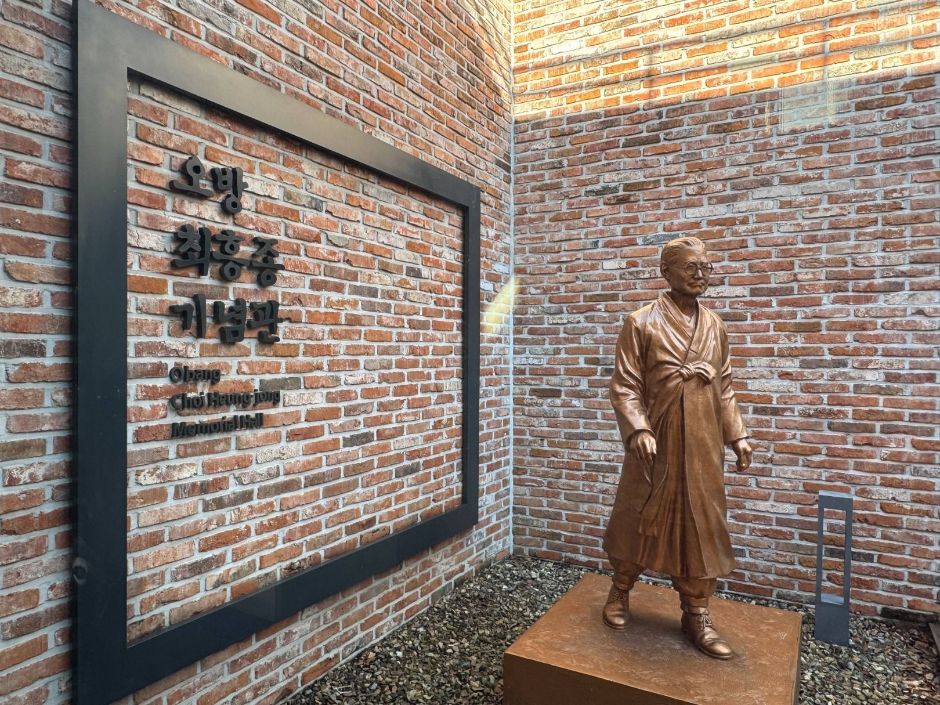
Obang Choi Heung-jong Memorial Hall (오방 최흥종 기념관)
961.9M 2024-12-17
64 Jejung-ro, Nam-gu, Gwangju
Obang Choi Heung-jong Memorial Hall is dedicated to Rev. Obang Choi Heung-jong who was also a Korean independence fighter and a social activist. His lifetime of sacrificing for others while improving the Gwangju neighborhood made him a true hero. Visitors to the memorial hall can deeply understand the life that Obang Choi Hueng-jong lead.
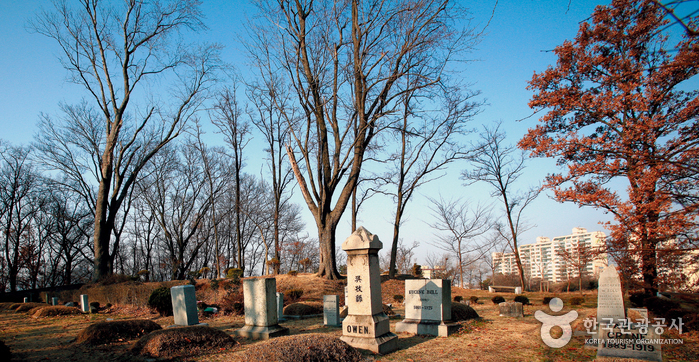
Yangnim-dong Missionary Cemetery (양림동 선교사 묘지)
984.6M 2021-05-28
77, Jejung-ro, Nam-gu, Gwangju
+82-62-607-2333
The Yangnim-dong Missionary Cemetery is the final resting place of 23 missionaries who brought Christianity to Gwangju and led the movement to free the nation from under Japanese colonial rule. Yangnim-dong in Gwangju Metropolitan City was the main area in which Priest Bae Yu-ji and Dr. Clement Owen carried out their work as the first missionaries to Jeollanam-do.
Located nearby is a monument dedicated to Priest Bae Yu-ji and the Owen Memorial Building, built in honor of Dr. Owen and his grandfather. Both memorials are cultural assets and particularly prized by locals of the Christian faith.
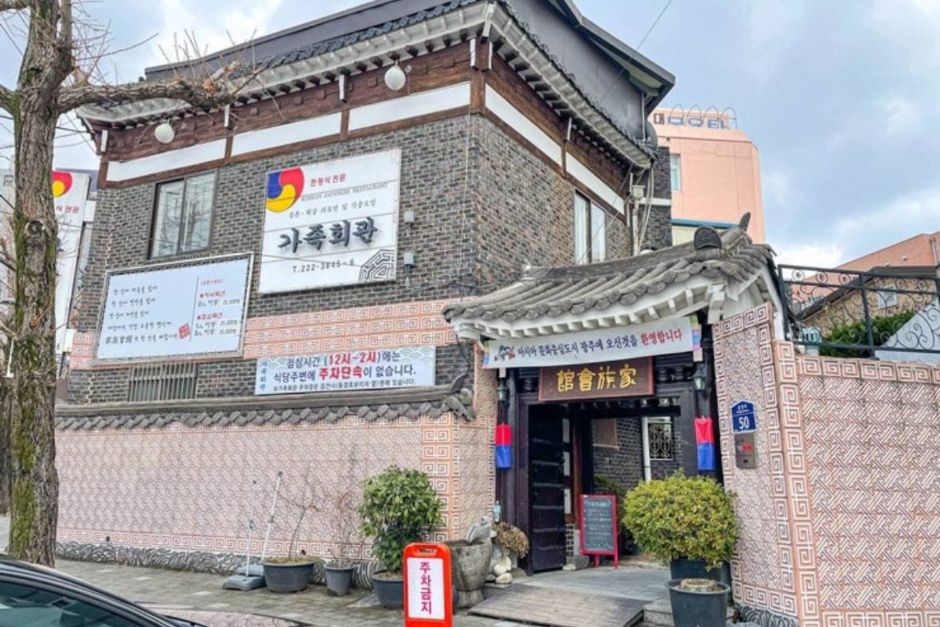
Gajokhwegwan (가족회관)
1.0Km 2024-12-04
50 Dongmyeong-ro, Dong-gu, Gwangju
Gajokhwegwan is a Korean table d'hote restaurant with 36 years of tradition. Visitors can experience the charms of Jeolla Province style food that only uses fresh ingredients in season. There are both private rooms and large group seats to enjoy the meal.
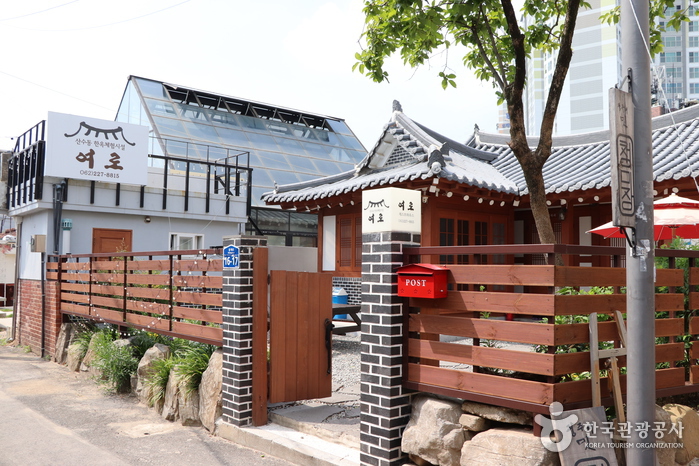
Yeoro(Sansu-dong Hanok Experience Hall) (여로(산수동 한옥체험시설))
1.0Km 2024-12-22
16-17 , Donggye-ro, Dong-gu, Gwangju
+82-62-227-8815
Yeoro is a hanok guesthouse in a quiet residential part of Sansu-dong, Gwangju, Jeollanam-do. The guesthouse has four ondol rooms, all equipped with a toilet and refrigerator. There is a shared washing machine (free of charge) in an outside bathroom. For breakfast, home-made sweet pumpkin porridge is served. Guests can take part in traditional crafts such as red clay dyeing, making injeolmi ricecakes or gangjeong puffed rice, and pressed-flower hand mirror making. Visitors’ cars can be parked in a nearby public parking lot.
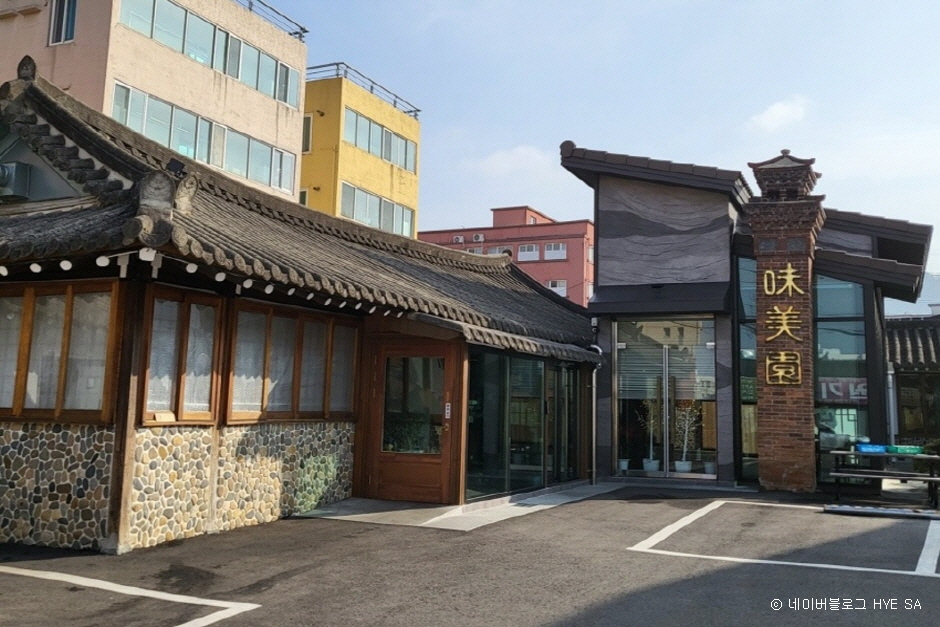
Mimiwon (미미원)
1.0Km 2024-12-03
광주광역시 동구 백서로 218
Emerging as a leading spot for yukjeon (Pan-fried Battered Beef) in Gwangju, Mimiwon has gained popularity through multiple media features. The restaurant’s traditional hanok building creates a neat atmosphere.

Chosun University Museum of Art (조선대학교 미술관)
1.0Km 2025-01-02
308 Pilmun-daero, Dong-gu, Gwangju
The Chosun University Museum of Art was established to serve as a window to convey the flow of local and international art. It plays an important role in discovering, collecting, and preserving regional artwork, while providing artist with a stage to display their work. The museum has significantly contributed to the regional culture. Through special annual exhibitions, it discovers young artists, educates students and promotes local art. To provide an exhibition experience to students, the museum also holds exhibitions featuring work created by students.
 English
 한국어
한국어 日本語
日本語 中文(简体)
 Deutsch
 Français
 Español
 Русский


