![Lotte Himart - Gwangju World Cup Branch [Tax Refund Shop] (롯데하이마트 광주월드컵점)](http://tong.visitkorea.or.kr/cms/resource/31/2886931_image2_1.jpg)
Lotte Himart - Gwangju World Cup Branch [Tax Refund Shop] (롯데하이마트 광주월드컵점)
3.9Km 2024-04-16
240, Geumhwa-ro, Seo-gu, Gwangju
-
![Lotte Mart - World Cup Branch [Tax Refund Shop] (롯데마트 월드컵점)](http://tong.visitkorea.or.kr/cms/resource/30/2886930_image2_1.jpg)
Lotte Mart - World Cup Branch [Tax Refund Shop] (롯데마트 월드컵점)
3.9Km 2024-04-22
240, Geumhwa-ro, Seo-gu, Gwangju
-
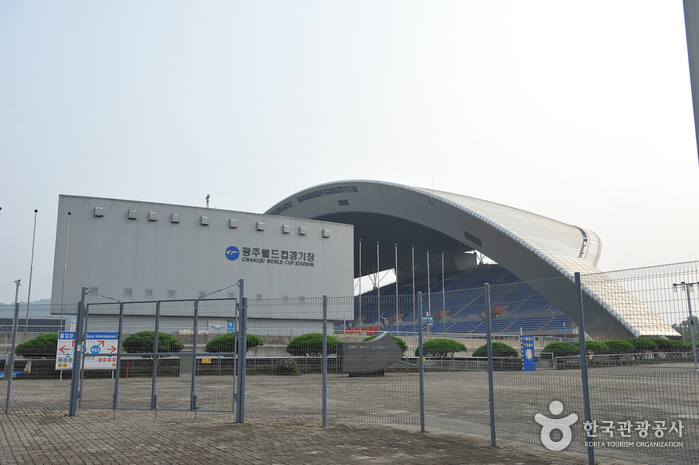
Gwangju World Cup Stadium (광주월드컵경기장)
3.9Km 2021-06-11
240, Geumhwa-ro, Seo-gu, Gwangju
+82-62-604-2002
Gwangju World Cup Stadium is a major symbol of Gwangju. Designed to reflect the notion of ‘spreading far and wide’ the exterior is shaped like spokes of a wheel. When lit up, the stadium looks like a glowing dome. The ceiling and large ‘Y’-shaped pillars resemble a ‘Go,’ an instrument used in a traditional game from Gwangju, Gossaumnori. These architectural features were designed to capture and reflect the traditional aspects of Gwangju. The soccer stadium can accommodate up to 40,000 people at once and has many subsidiary facilities, including media center, athlete waiting room, medical care facilities, and more.
![Olive Young - Gwangju Yongbong Branch [Tax Refund Shop] (올리브영 광주용봉지구)](http://tong.visitkorea.or.kr/cms/resource/27/2886827_image2_1.jpg)
Olive Young - Gwangju Yongbong Branch [Tax Refund Shop] (올리브영 광주용봉지구)
4.0Km 2024-04-18
39, Yongbongtaekji-ro, Buk-gu, Gwangju
-
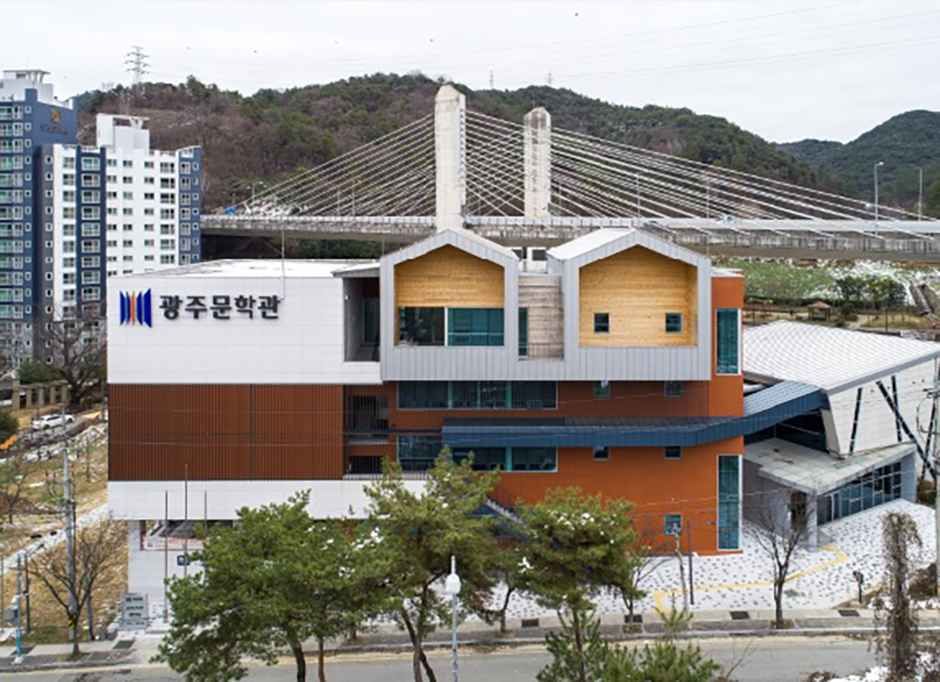
Museum of Gwangju Literature (광주문학관)
4.1Km 2024-11-20
93 Gakhwa-daero, Buk-gu, Gwangju
The Museum of Gwangju Literature offers a journey through Gwangju’s rich literary heritage, spanning from ancient times to the present day. Visitors can delve into the literature from the Mahan period, explore works from the 1920s and '30s tied to the national independence movement, and discover works from the 1980s that marked the beginning of the modern poetry movement. The permanent exhibition provides a chronological journey through the local literature of Gwangju. The museum also holds various programs for visitors.
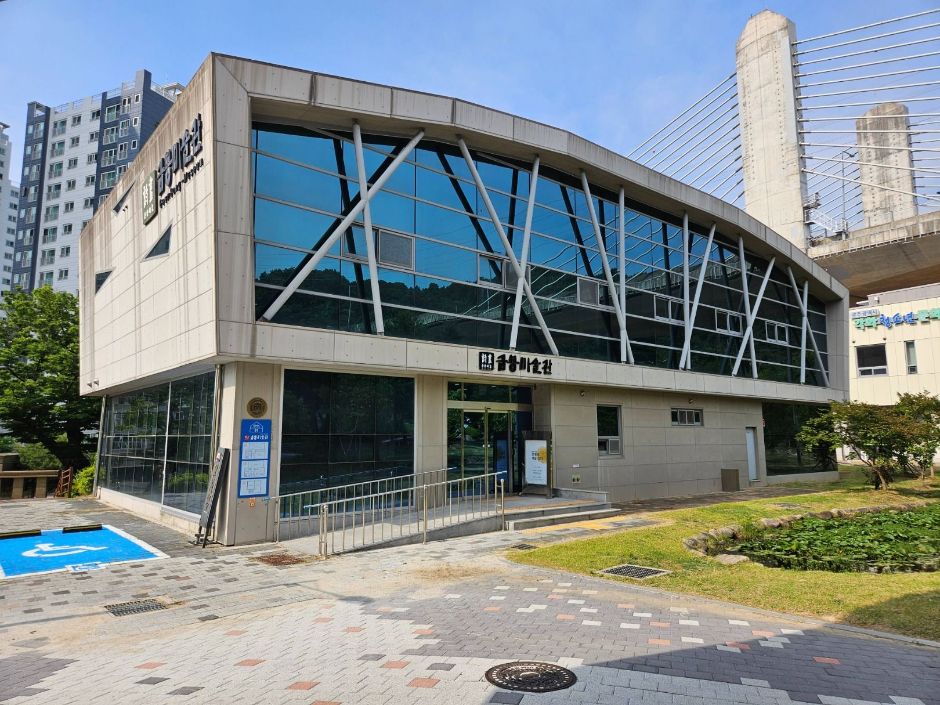
GeumBong-Museum (시화문화마을 금봉미술관)
4.1Km 2024-12-17
91 Gakhwa-daero, Buk-gu, Gwangju
Opened in 2015, GeumBong-Museum has 291 art works of painter Park HaengBo. The museum also has various contemporary art works to further spread the knowledge of both traditional and contemporary art. It offer classes and exhibition to support the local art culture.
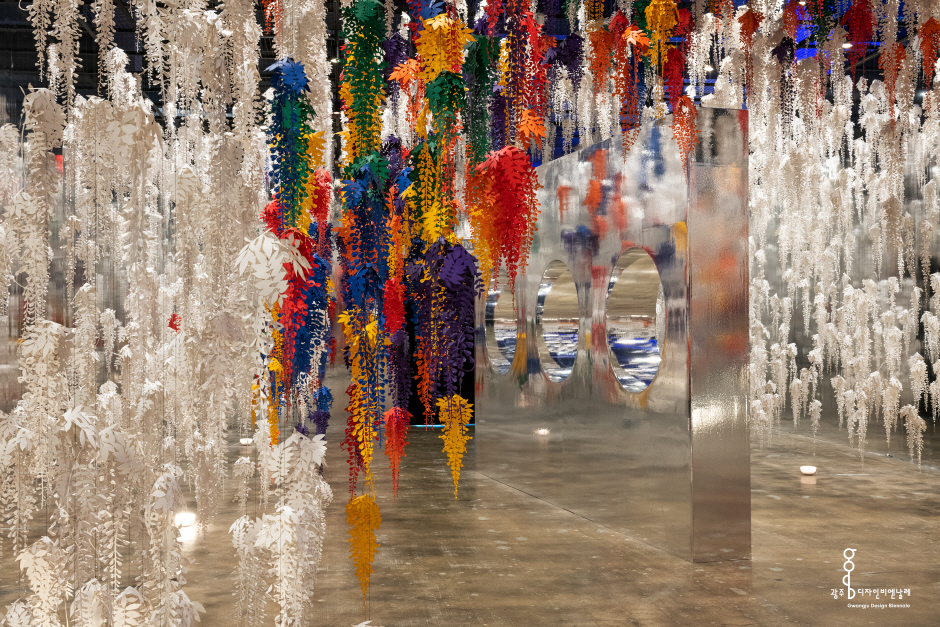
Gwangju Design Biennale (광주디자인비엔날레)
4.3Km 2025-07-11
111 Biennale-ro, Buk-gu, Gwangju
+82-62-531-7783
The Gwangju Design Biennale is the world’s first design biennale and currently Asia’s only design biennale. With exhibitions centered on the concept of design, the biennale combines the industrial aspect of design with cultural elements.
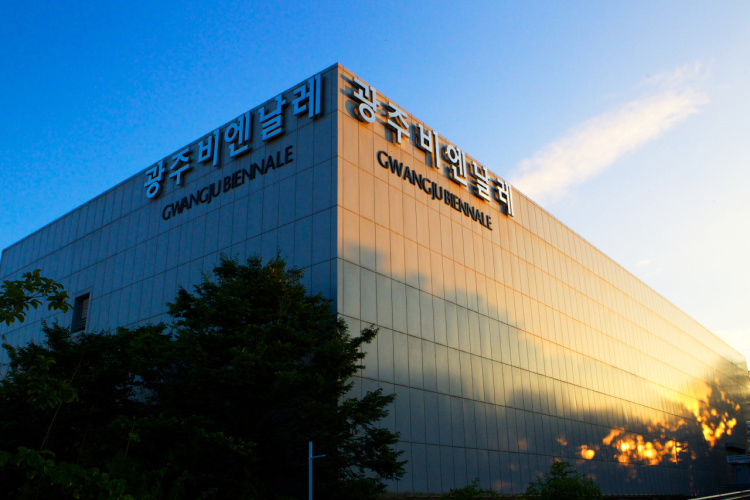
Gwangju Biennale Exhibition Hall (광주비엔날레전시관)
4.4Km 2023-11-28
111 Biennale-ro, Buk-gu, Gwangju
+82-62-608-4114
Since its establishment in 1994, the Gwangju Biennale Exhibition Hall has significantly contributed to Korea's art culture and the world through numerous exhibitions. It strives to give joy and motivation to many people and serves as a channel for Korean artists' forays into the world. Notably, the Biennale exhibition is not a one-time event, and various attempts are being made to make it a sustainable platform as it increases the regional value of Gwangju, the home of the Biennale.
In the era of COVID-19, online services are also provided to citizens who have difficulty visiting the site in person to experience the exhibition.
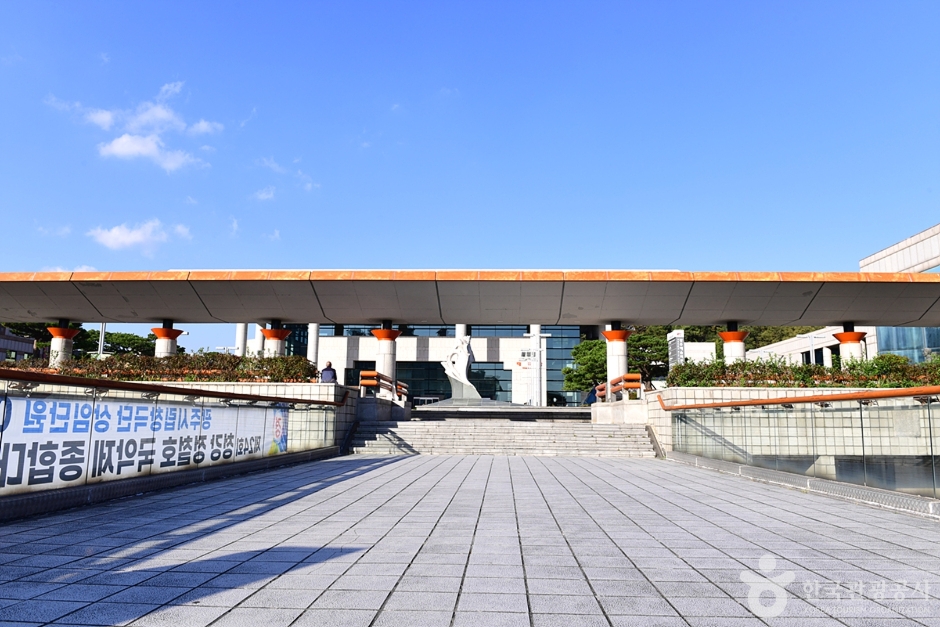
Gwangju Arts Center (광주예술의전당)
4.4Km 2024-11-18
60 Bungmun-daero, Buk-gu, Gwangju
Opened in 1991, the Gwangju Arts Center is the cornerstone of culture and arts in Gwangju. It offers high-quality performances and exhibitions across various genres, including Korean traditional music, opera, classical music, and ballet. The center boasts a range of artistic facilities, such as a main theater, a secondary theater, a traditional music hall, a sculpture garden, and an amphitheater. The main theater has a seating capacity for up to 1,500 people.
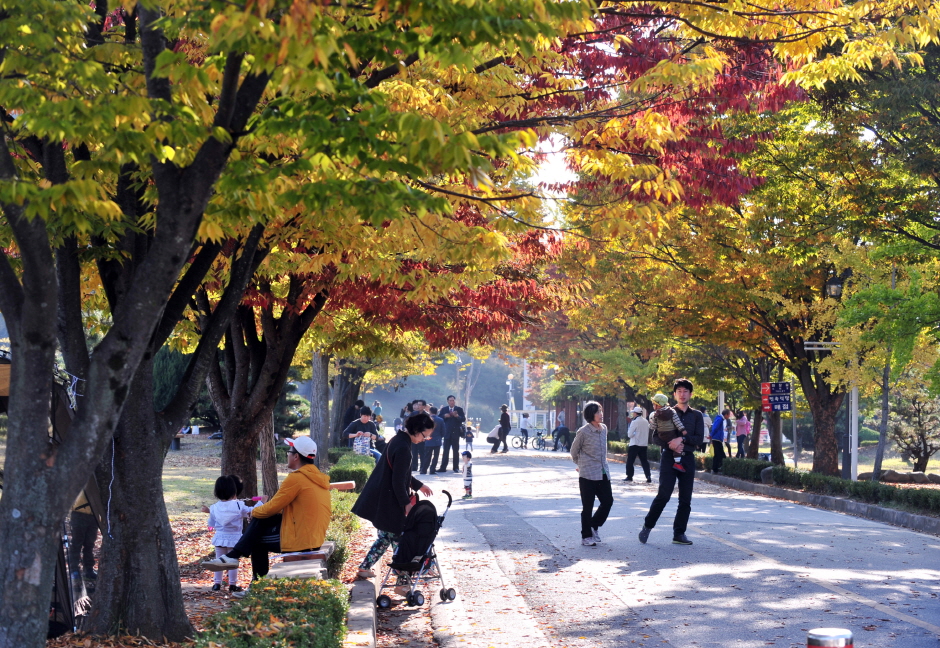
Jungoe Park (중외공원)
4.5Km 2021-10-25
52, Haseo-ro, Buk-gu, Gwangju
+82-62-613-7100
Jungoe Park is one of the nation's most famous leisure spaces. There is a children's grand park, the Olympic Garden, and the Olympic Monument. The children's grand park is especially popular on weekends and holidays.
There is also a folk museum, an education center, and the Biennale Exhibition Hall in the Biennale & Museum section of the park.
The park is most popular during fall for its beautiful foliage. In addition, the Rainbow Bridge is a symbol of the Biennale and was installed during the 1st Gwangju Biennale.
 English
 한국어
한국어 日本語
日本語 中文(简体)
 Deutsch
 Français
 Español
 Русский


