
Imageup Pastic Surgery [Tax Refund Shop] (이미지업 성형외과의원)
9.4Km 2024-06-27
76, Naruteo-ro, Seocho-gu, Seoul
-
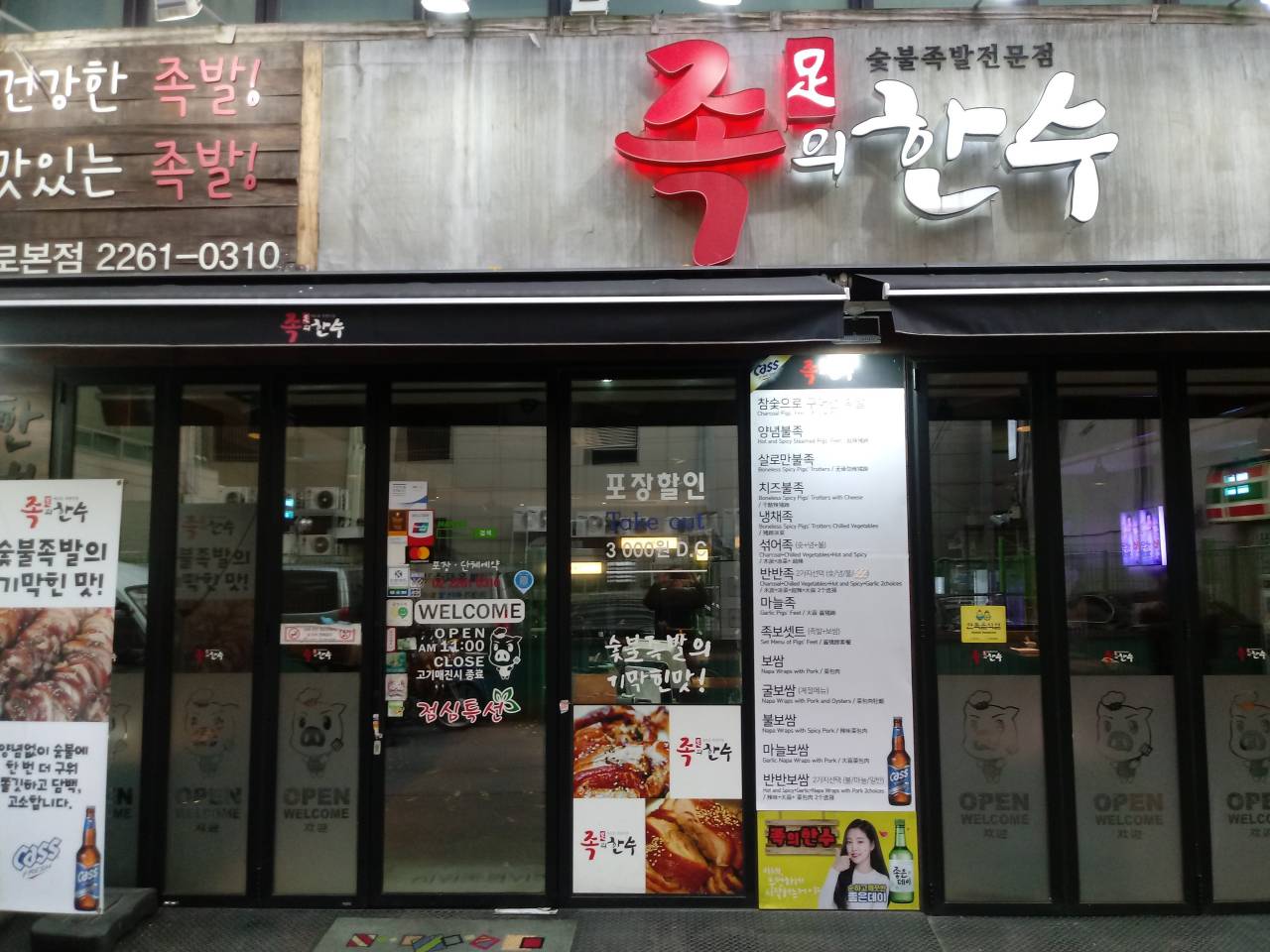
Jogui Hansu (족의한수)
9.4Km 2024-10-15
93-1, Supyo-ro, Jongno-gu, Seoul
+82-2-2261-0310
A pig's trotter(s) specialty restaurant located in Jongno, Seoul. This restaurant's signature menu is braised pigs' feet. A restaurant serving both charcoal-grilled jokbal (pig's trotter) and spicy jokbal.
National Souvenirs Center [Tax Refund Shop] (한국관광명품점)
9.4Km 2024-04-23
14, Insadong 5-gil, Jongno-gu, Seoul
-
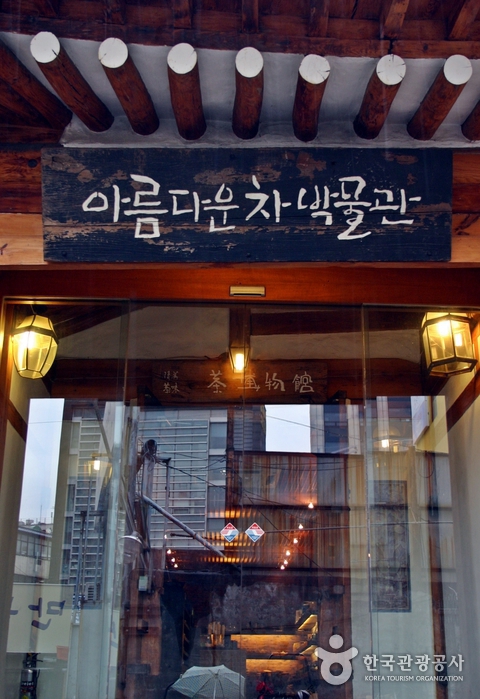
Beautiful Tea Museum (아름다운 차박물관)
9.4Km 2022-07-26
19-11, Insadong-gil, Jongno-gu, Seoul
+82-2-735-6678
Located in Insa-dong, The Beautiful Tea Museum aims to promote Korean tea culture. It preserves and exhibits tea related utensils and items, featuring those from the ancient Gaya and Joseon period as well as items from abroad such as China and Tibet. The museum also displays original tea pots and other ceramics made by young artists and ceramists. Inside the museum is a tea house named "Tea Story," serving a wide variety of teas. Visitors can also purchase tea leaves from all over the world at the Tea Shop.
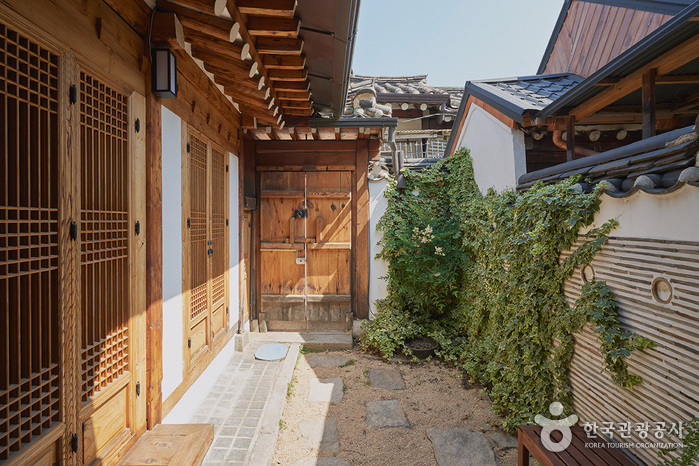
Haeunjae (하은재)
9.4Km 2024-12-23
68-10 , Jahamun-ro, Jongno-gu, Seoul
+82-504-0904-2414
Ha Eunjae is a private hanok stay in Seochon Village, just west of Gyeongbokgung Palace in Seoul. The accommodation comprises a bedroom with queen-size bed, a kitchen, a movie room, and two bathrooms. The movie room is fitted out with a Bose sound system, a beam projector, and a large screen, with a movable footbath as a bonus. The kitchen is equipped for simple cooking. Guests staying 2 nights or more during the week receive a 10% discount, and towel replacement and cleaning services are provided for stays of 3 nights or more. Ha Eunjae is close to major tourist attractions such as Gyeongbokgung Palace and Samcheong-dong.
Bongsanok (봉산옥)
9.4Km 2024-03-25
5-6 Banpo-daero 8-gil, Seocho-gu, Seoul
+82-2-525-2282
Bongsanok, located near the Seoul Arts Center, specializes in manduguk (mandu soup), known for its signature spicy twist with a generous sprinkling of chili pepper powder. The restaurant’s celebrated manduguk features Hwanghae-do-style mandu, stuffed with a savory blend of minced meat, kimchi cabbage, bean sprouts, and chives, all served in a rich beef brisket broth that has been meticulously boiled for twelve hours.
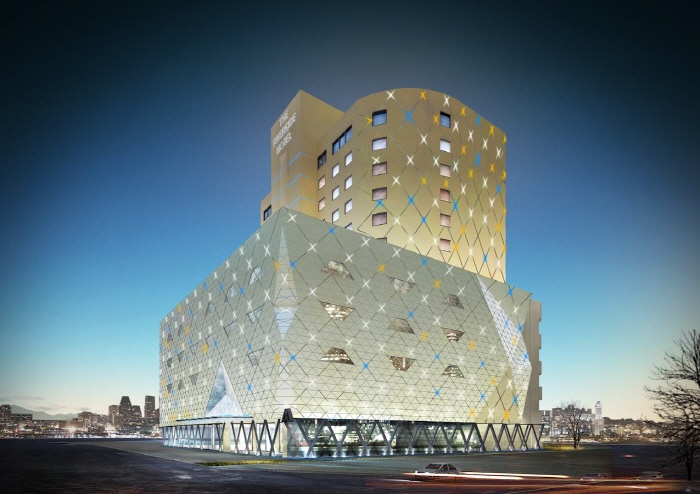
The Riverside Hotel (더 리버사이드 호텔)
9.4Km 2024-05-09
6, Gangnam-daero 107-gil, Seocho-gu, Seoul
+82-2-6710-1105
Located in Jamwon-dong, the transportation hub of Seoul and the center of the Gangnam business area, The Riverside Hotel has outstanding views of the Hangang River and downtown Seoul. The hotel is located a convenient 5-minute walk from Sinsa Station (Subway Line 3). At The Riverside Hotel, guests can enjoy dining, leisure, and culture.
All guestrooms look out on the magnificent nightscape of the Hangang River. Subsidiary facilities include a conference and wedding hall, a top-quality Japanese restaurant, a custom-tailored fitness system, a luxurious spa, an indoor driving range, 24-hour interpretation service, and customer service provided by English and Japanese speaking staff. The beautiful interior decorations and comfort items make a stay in The Riverside Hotel feel like home, perfect for business travelers.
![Olive Young - Jongno YBM Branch [Tax Refund Shop] (올리브영 종로YBM)](http://tong.visitkorea.or.kr/cms/resource/27/2878227_image2_1.jpg)
Olive Young - Jongno YBM Branch [Tax Refund Shop] (올리브영 종로YBM)
9.4Km 2024-04-19
104, Jong-ro, Jongno-gu, Seoul

Spa Lei (스파레이)
9.4Km 2022-09-19
5, Gangnam-daero 107-gil, Seocho-gu, Seoul
+82-2-545-4002
Situated in Seocho-gu Jamwon-dong,
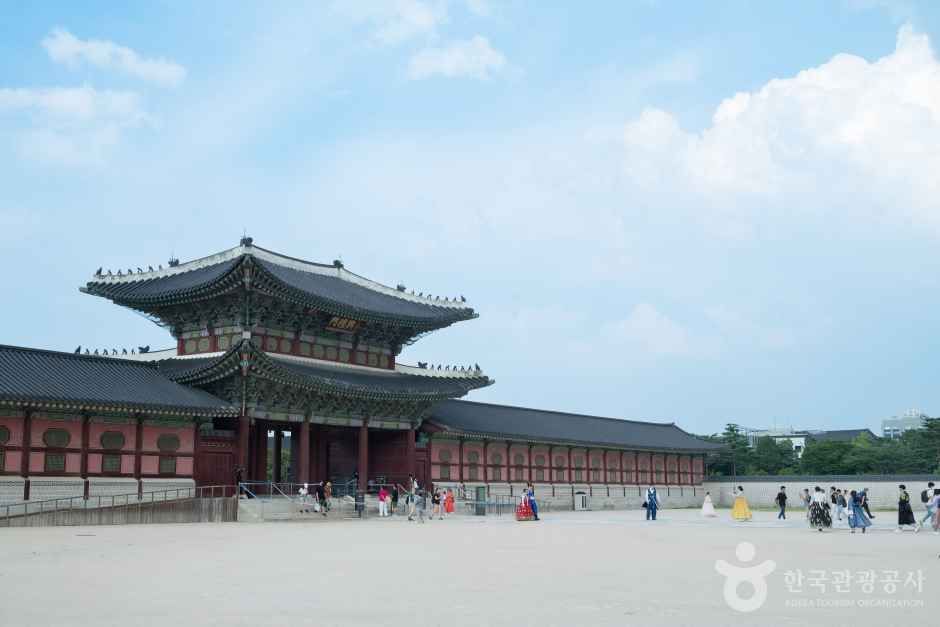
Gyeongbokgung Palace (경복궁)
9.4Km 2025-10-23
161 Sajik-ro, Jongno-gu, Seoul
+82-2-3700-3900
Gyeongbokgung Palace was built in 1395 as the official palace of the Joseon dynasty by Yi Seong-gye, the future King Taejo and founder of the new regime. Gyeongbokgung Palace is commonly referred to as the Northern Palace because of its location to the north, comparied to Changdeokgung Palace in the east and Gyeonghuigung Palace in the west. Gyeongbokgung Palace is arguably the most beautiful and is the largest of all five palaces. Many Joseon kings were crowned here. The premises were once destroyed by fire during the Imjin War (1592-1598). However, all of the palace buildings were later restored under the leadership of Heungseondaewongun during the reign of King Gojong. The assassination of Empress Myeongseong, however, resulted in Gyeongbokgung Palace losing its function as a royal palace, eventually witnessing the downfall of the Joseon dynasty. Gyeongbokgung Palace retains the original Gyeonghoeru Pavilion, a prime example of Joseon architecture, and the Hyangwonjeong Pavilion and pond. The sculptures in the Geunjeongjeon Hall exemplify Joseon-era sculpture techniques. The west side of the area outside Heungnyemun Gate is occupied by the National Palace Museum of Korea, while the eastern side of Hyangwonjeong Pavilion within the Gyeongbokgung Palace is occupied by the National Folk Museum of Korea.
 English
 한국어
한국어 日本語
日本語 中文(简体)
 Deutsch
 Français
 Español
 Русский


